

 Pregledaj u prostoru
 Pošalji
 Podeli
 Detalji o delu

 Преузми
 Slični predmeti
 Rendgenski snimak
 Slajdovi
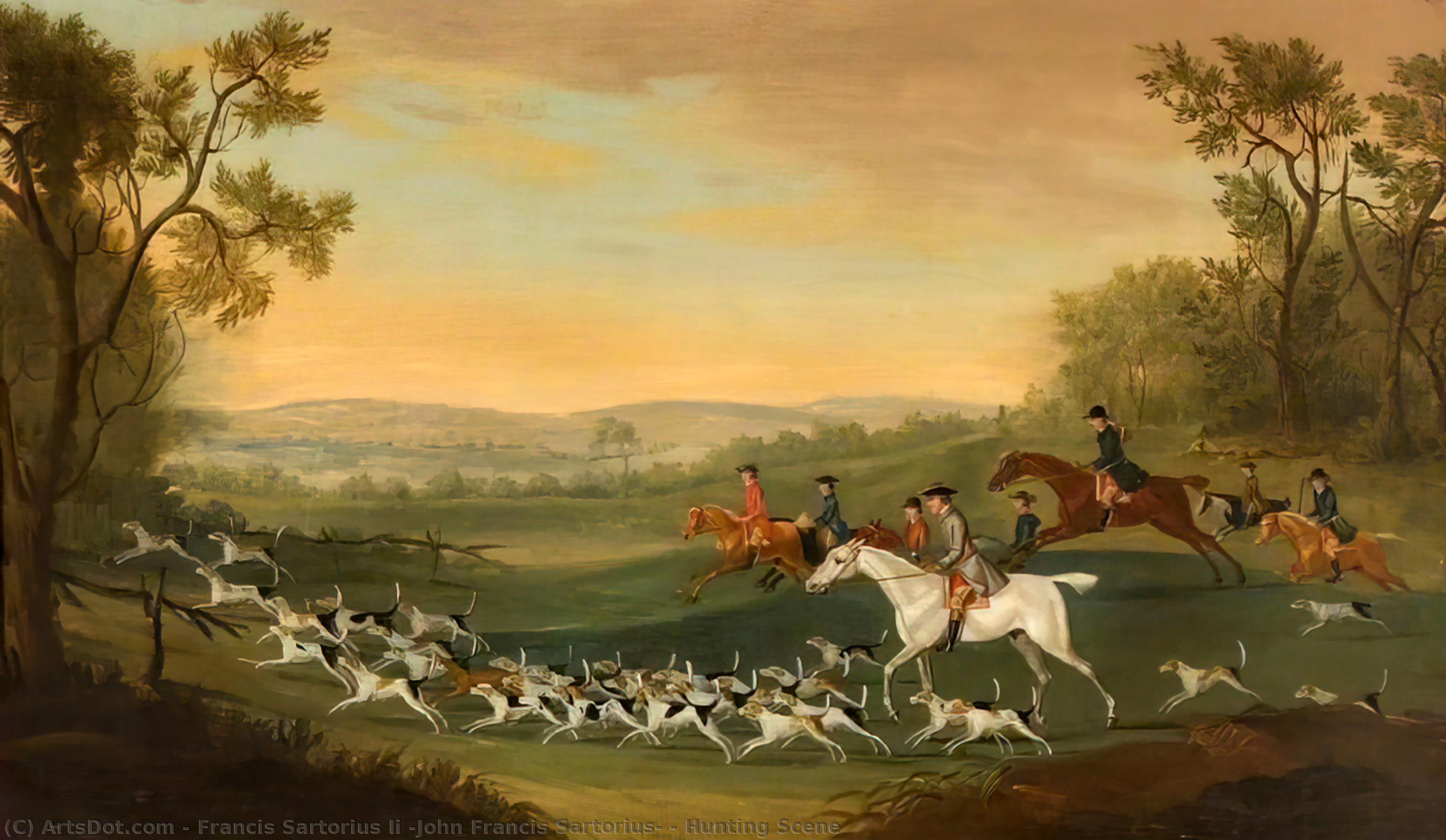
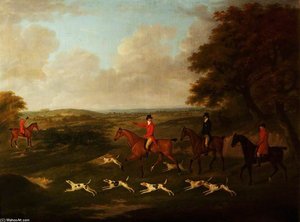
Hunting Scene

 Pročitaj više
Ručno rađena uljana reprodukcija
Ručno oslikano uljanim bojama na platnu u dimenzijama i okviru po vašem izboru, izrađeno po porudžbini od strane naših umetnika. ( Kupi print Kupi digitalnu sliku)




































Izaberite jednu od naših unapred definisanih veličina koje odgovaraju originalnim proporcijama umetničkog dela.

Можете унети сопствене димензије како бисте прилагодили дело одређеном оквиру или простору. Ако одабрана величина не одговара пропорцијама оригинала, слика ће бити исечена или проширена додатним елементима који се ручно насликавају. Дигитални prikaz ће вам бити послат на одобрење пре почетка производње.
Имајте на уму да преглед на екрану не одражава стварно исецање или проширење. Само приказ (mockup) ће тачно приказати коначну композицију.
Иако су доступне прилагођене величине, препоручујемо да одаберете димензију из дефинисане листе како бисте сачували оригиналне пропорције.
Nakon narudžbine, tim ArtsDot.com će klijentu putem e-pošte poslati uputstva i dostaviti prikaz predloženog rešenja
Isporuka širom sveta () za 3/4 nedelje umesto uobičajenih 5 nedelja. (24 август). Bez kompromisa po pitanju kvaliteta.

Besplatna ekspresna dostava širom sveta

Visokokvalitetno laneno platno

Kompletno osiguranje transporta

Garancija povraćaja carine i uvoznih dažbina

Garancija vernosti boja

Politika povrata u roku od 60 dana (samo u slučaju nedostataka)

Garancija povrata novca od 100%

Popust pri grupnoj kupovini
 Opcija sa staklom dostupna je samo za dimenzije manje od 110 cm

Hunting Scene
Tehnika reprodukcije
Dimenzije reprodukcije
-


Konačna cena
$ 263
Srodna umetnička dela
Biografija umetnika
The Sartorius Legacy: A Lineage of Artistic Excellence
In the golden age of British sporting art, few names resonated with as much prestige and specialized skill as the Sartorius family. Francis Sartorius II, born in 1734 into a wealthy Norfolk lineage, did not merely enter the world of art; he inherited a profound responsibility to continue a tradition of excellence. As a member of this celebrated dynasty, his creative identity was inextricably linked to the masters who preceded him. His early life, steeped in the privileges of the English landed class, provided him with a unique vantage point from which to observe the grandeur of rural life and the elegance of equestrian pursuits. This familial foundation, built upon the skills passed down through generations, allowed him to approach the canvas not just as a student, but as a true heir to a specialized craft that would eventually define the aesthetic of the Georgian era.
Mastery of Light and the Art of the Hunt
The development of Sartorius’s distinctive style was profoundly shaped by his formal tutelage under the renowned portraitist Jonathan Richardson Sr. From Richardson, Sartorius learned the delicate art of psychological depth and the technical brilliance of glazing—a method involving the painstaking layering of translucent colors to achieve a luminous, lifelike quality. This technique became his signature, enabling him to capture the way sunlight filters through dense woodland foliage or the subtle sheen on a horse’s coat. His works are characterized by an uncanny ability to convey movement; one can almost hear the rhythmic thud of hooves and the baying of hounds within his compositions. Whether working in oil on canvas or the delicate medium of watercolor, Sartorius possessed a remarkable eye for anatomical accuracy and atmospheric realism, transforming mere sporting scenes into breathtaking windows into the 18th century.
A Chronicler of the Georgian Equestrian World
Beyond his technical prowess, the true significance of Francis Sartorius II lies in his role as a visual chronicler of English life. His canvases serve as enduring records of a period defined by the refined culture of the hunt and the prestige of horse racing. Through his meticulous portrayals of riders, grooms, and magnificent steeds, he captured the very essence of British sporting elegance. His repertoire included notable depictions that showcased both the grandeur of the animal and the intimacy of the landscape:
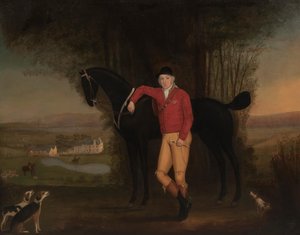
- A Huntsman On A Black Horse Near A Cottage, which exemplifies his ability to blend human narrative with a serene, pastoral setting;
- Captain Dennis O Kelly’s Basilimo Held by a Groom, showcasing the formal dignity and rich textures of equestrian portraiture;
- A Horseman on the Road to Bagshot, illustrating the atmospheric depth and movement inherent in his landscape-driven compositions.
Through these works, Sartorius ensured that the vitality and splendor of the Georgian hunt would remain etched in the annals of art history, leaving behind a legacy that continues to captivate collectors and historians with its unrivaled realism and enduring grace.
francis sartorius ii (john francis sartorius)
1734 - 1804 , United Kingdom
Osnovne informacije
- Artistic Movement Or Style: Classical Equestrian
- Artists Or Movements Influenced By This Artist: ['Romanticism']
- Artists Who Influenced This Artist:
- Joshua Reynolds
- Anton Raphael Mengs
- Date Of Death: 1804
- Full Name: Francis Sartorius II
- Nationality: British
- Notable Artworks:
- The Hunt at Harewood Hall
- A Horse Race
- Place Of Birth: London, United Kingdom
Povezani članci
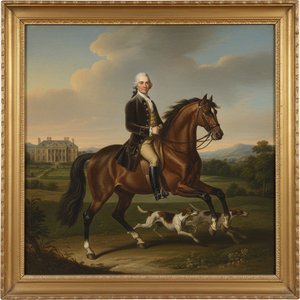
John Francis Sartorius II: Equestrian Elegance & the Rise of British Portraiture
Explore the captivating world of Francis Sartorius II (1734-1804), a leading British painter renowned for his exquisite equestrian portraits and hunting scenes. Discover his life, techniques & enduring legacy.
Francis Bacon: 25 Remek-dela Ikoničnog Ekspresioniste | Reprodukcije i Inspiracija za Dom
Istražite 25 remek-dela Francis Bacon-a – ikona ekspresionizma. Otkrijte priče iza njegovih snažnih portreta, triptiha i tamne palete boja. Reprodukcije slika vrhunskog kvaliteta za vaš dom na ArtsDot.com!
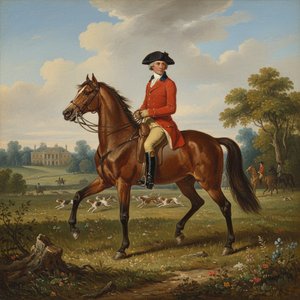
John Nost Sartorius: Equestrian Portraiture & the Shifting Social Landscape of 18th-Century England
Explore the captivating equestrian art of John Nost Sartorius (1759-1828). Discover his detailed paintings of racehorses, hunting scenes & aristocratic life. Learn about collecting Sartorius's work and its lasting value.
The Equine Muse: A Historical & Artistic Exploration of Horses in Painting
Explore the captivating history of horses in painting! Discover Renaissance masterpieces, Baroque grandeur & expert insights for collecting equestrian art. Learn about symbolism, techniques & lasting value with ArtsDot.

The Enduring Legacy of Oil on Canvas: Technique, History & Aesthetic Impact
Explore the rich history & techniques of oil painting – from Renaissance masters to Impressionism. Discover pigments, layering methods, and why this timeless medium endures. Expert insights for artists & art enthusiasts.

