

 Pregledaj u prostoru
 Pošalji
 Podeli
 Detalji o delu

 Преузми
 Slični predmeti
 Rendgenski snimak
 Slajdovi
 Statistika
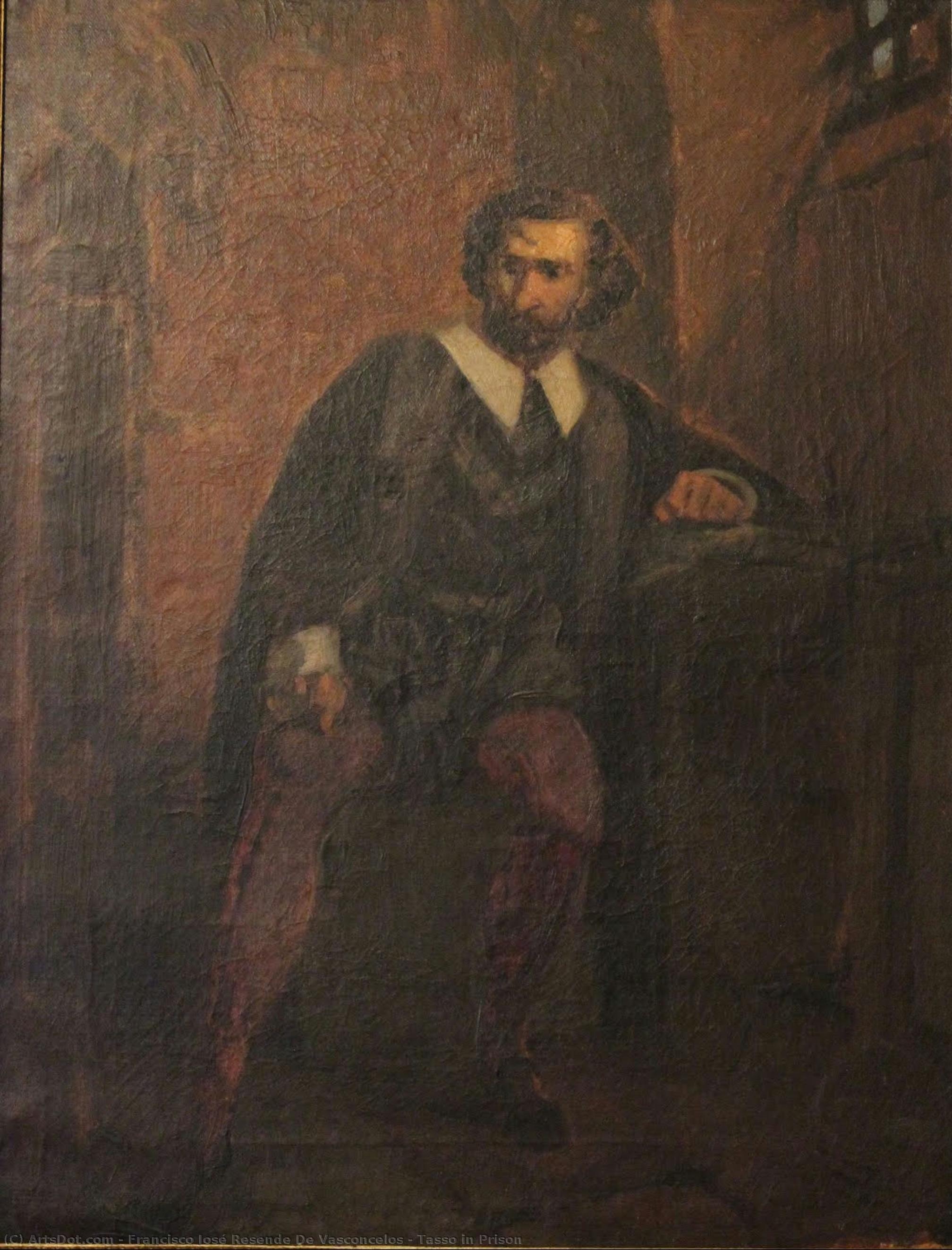
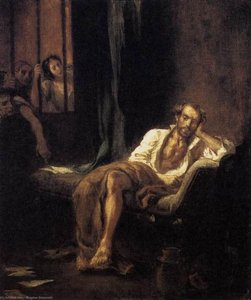
Tasso in Prison


 Pročitaj više
Kupite digitalnu sliku visoke rezolucije i poboljšanog kvaliteta, koja je znatno superiornija od onoga što vidite u online prikazu.
Svaka datoteka je pedantno pripremljena od strane naših stručnjaka koristeći napredne alate i profesionalnu ručnu retušu. Osiguravamo da svaka slika ima izuzetnu oštrinu, preciznu reprodukciju boja i fine detalje.
Konačna datoteka se dostavlja putem e-pošte u roku od 72 sata, optimizovana za neposrednu upotrebu u profesionalnim, izdavačkim i štamparskim okruženjima. To je isti kvalitet kojem veruju vrhunski studiji dizajna, izdavači i galerije.
Digitalna slika
Preuzmite datoteku visoke rezolucije za ličnu upotrebu, štampanje i kreativne projekte. ( Pređi na štampu Kupi ručno naslikanu sliku)
Uključeno uz svaku porudžbinu digitalne slike
Profesionalna digitalna isporuka, zagarantovana
Kada odaberete ArtsDot.com, ne dobijate samo sliku – vi primate profesionalno unapređeno digitalno umetničko delo, izrađeno sa najvećom preciznošću i uz garanciju zadovoljstva. Evo svega što automatski dolazi uz vašu porudžbinu:

Brza dostava putem e-pošte
Vaša digitalna slika visoke rezolucije biće vam poslata putem e-pošte u roku od 72 sata od poručivanja – spremna za trenutnu upotrebu.

Digitalna datoteka unapređena veštačkom inteligencijom
Vaše umetničko delo je profesionalno optimizovano korišćenjem naprednih AI alata i ručne obrade, čime se osiguravaju maksimalni detalji, oštrina i preciznost boja.

Besplatna ponovna isporuka doživotno
Slučajno ste obrisali ili izgubili svoju datoteku? Ne brinite – poslaćemo vam je ponovo u bilo kom trenutku, potpuno besplatno.

Bez troškova uvoza – zauvek
Uživajte u svojim umetničkim delima trenutno, bez carine, dažbina ili troškova dostave – digitalni download je uvek bez poreza.

Garancija vernosti boja
Uz pomoć profesionalnih alata i upravljanja bojama, osiguravamo da vaša digitalna slika što vernije odražava originalne boje.

Garancija zadovoljstva od 100 dana
Ako niste zadovoljni svojom digitalnom slikom, izvršićemo reviziju ili ćemo vam vratiti 100% novca u roku od 100 dana – bez ikakvih pitanja.

100% garancija povrata novca
Niste zadovoljni? Dobijte puni povraćaj novca u roku od 100 dana od prijema digitalne datoteke – bez suvišnih pitanja.

Popusti na velike porudžbine
Kupite 3 slike, uštedite 10% - Kupite 5 slika, uštedite 15% - Kupite 10+ slika, uštedite 20%. Odlično za kreativne projekte, galerije i agencije.
Srodna umetnička dela
Biografija umetnika
Jacques-Louis David: A Revolutionary Vision
Born in Strasbourg, Alsace (then part of France) in 1748, Jacques-Louis David emerged as a pivotal figure during the tumultuous era of the French Revolution and its immediate aftermath. His life and career were inextricably linked to the shifting political landscape of his time, reflecting both the ideals of republicanism and the anxieties surrounding social upheaval. Initially trained as a painter by his father, Jean-Baptiste David, a portraitist, Jacques-Louis honed his skills in meticulous draftsmanship and classical composition – disciplines inherited from the traditions of Flemish art. However, it was his encounter with the revolutionary fervor sweeping through France that truly shaped his artistic trajectory, transforming him from a skilled craftsman into a propagandistic force for radical change.
David’s early works demonstrated a commitment to Neoclassicism, drawing inspiration from the idealized forms and balanced compositions of ancient Greek and Roman art. He meticulously studied the works of masters like Poussin and Claude Lorrain, striving to emulate their technical precision and moralizing themes. Yet, as the Revolution gained momentum, David’s artistic sensibilities underwent a dramatic shift. He embraced the revolutionary cause with unwavering zeal, becoming an ardent supporter of Robespierre and the Committee of Public Safety. This commitment manifested most powerfully in his monumental history paintings, which served as potent symbols of republican virtue and sacrifice.
The Revolutionary Years: Propaganda and Spectacle
David’s artistic output during the Revolution is arguably his most significant contribution to art history. He produced a series of works designed not merely to depict historical events but to actively shape public opinion and reinforce revolutionary ideals. *The Oath of the Horatii* (1784), initially conceived as a private commission, was swiftly repurposed by David himself to embody the virtues of patriotism and self-sacrifice – qualities deemed essential for the new republic. The painting’s stark realism, dramatic lighting, and carefully arranged figures powerfully conveyed the message of duty above personal concerns.
However, it was *The Death of Marat* (1793) that cemented David's reputation as a revolutionary artist. This brutally realistic depiction of Jean-Paul Marat’s assassination served as a rallying cry for the Jacobins and a potent symbol of martyrdom. The painting’s stark composition, emphasizing Marat’s lifeless body and the bloodstained sheet, evoked a visceral response in viewers, solidifying David's role as the official propagandist of the Revolution. He continued to produce works such as *The Death of Socrates* (1787) and *The Intervention of the Sabine Women* (1793), each imbued with revolutionary symbolism and designed to inspire civic virtue.
Exile and Artistic Reassessment
Following Robespierre’s downfall in 1794, David found himself increasingly out of favor. Accused of counter-revolutionary sympathies, he was forced into exile in Trieste and later Zurich. During this period of self-imposed isolation, David underwent a profound artistic reassessment. He abandoned the overtly propagandistic style of his revolutionary years and began to explore more personal themes – portraits, mythological subjects, and scenes from classical literature.
His return to France in 1800 marked a significant turning point. He was commissioned by Napoleon Bonaparte to paint *The Coronation of Napoleon* (1805-1807), a monumental work that showcased his technical mastery and reaffirmed his allegiance to the Emperor. This painting, while undeniably grand in scale, reflected a shift away from the radicalism of his earlier years. It demonstrated a renewed interest in classical grandeur and imperial authority, aligning with Napoleon’s ambitions for an empire reminiscent of ancient Rome.
Late Career and Legacy
Despite the changing political climate, David continued to work prolifically throughout his later life, producing portraits, historical paintings, and decorative panels. He remained a prominent figure in Parisian art circles, though his revolutionary past often cast a shadow over his reputation. His late works, such as *The Judgment of Plato* (1810-1812), reveal a continued engagement with philosophical themes but also demonstrate a growing sense of melancholy and disillusionment.
Jacques-Louis David’s legacy is complex and multifaceted. He remains one of the most influential artists of the 18th and 19th centuries, renowned for his technical skill, dramatic compositions, and profound impact on European art. His work served as a powerful tool for political propaganda during the French Revolution, shaping public opinion and solidifying revolutionary ideals. While his artistic style evolved over time, reflecting the shifting political landscape of his era, David’s enduring contribution lies in his ability to capture the drama and intensity of human experience – both heroic and tragic – with unparalleled skill and conviction.
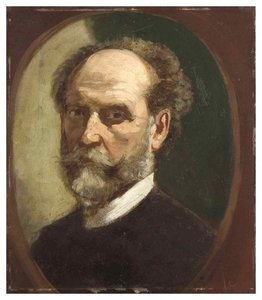
francisco josé resende de vasconcelos
1825 - 1893 , Portugal
Kratke činjenice
- Artistic Movement Or Style: Hudson River School
- Artists Or Movements Influenced By This Artist: ['George Inness']
- Artists Who Influenced This Artist:
- Claude Lorrain
- Salvator Rosa
- Date Of Birth: 1825
- Date Of Death: 1894
- Full Name: George Inness
- Nationality: American
- Notable Artworks:
- A Bit of the Roman Aqueduct
- Old Wood Choppers
- Place Of Birth: Pineville, NY