

 Pregledaj u prostoru
 Pošalji
 Podeli
 Detalji o delu

 Преузми
 Slični predmeti
 Rendgenski snimak
 Slajdovi
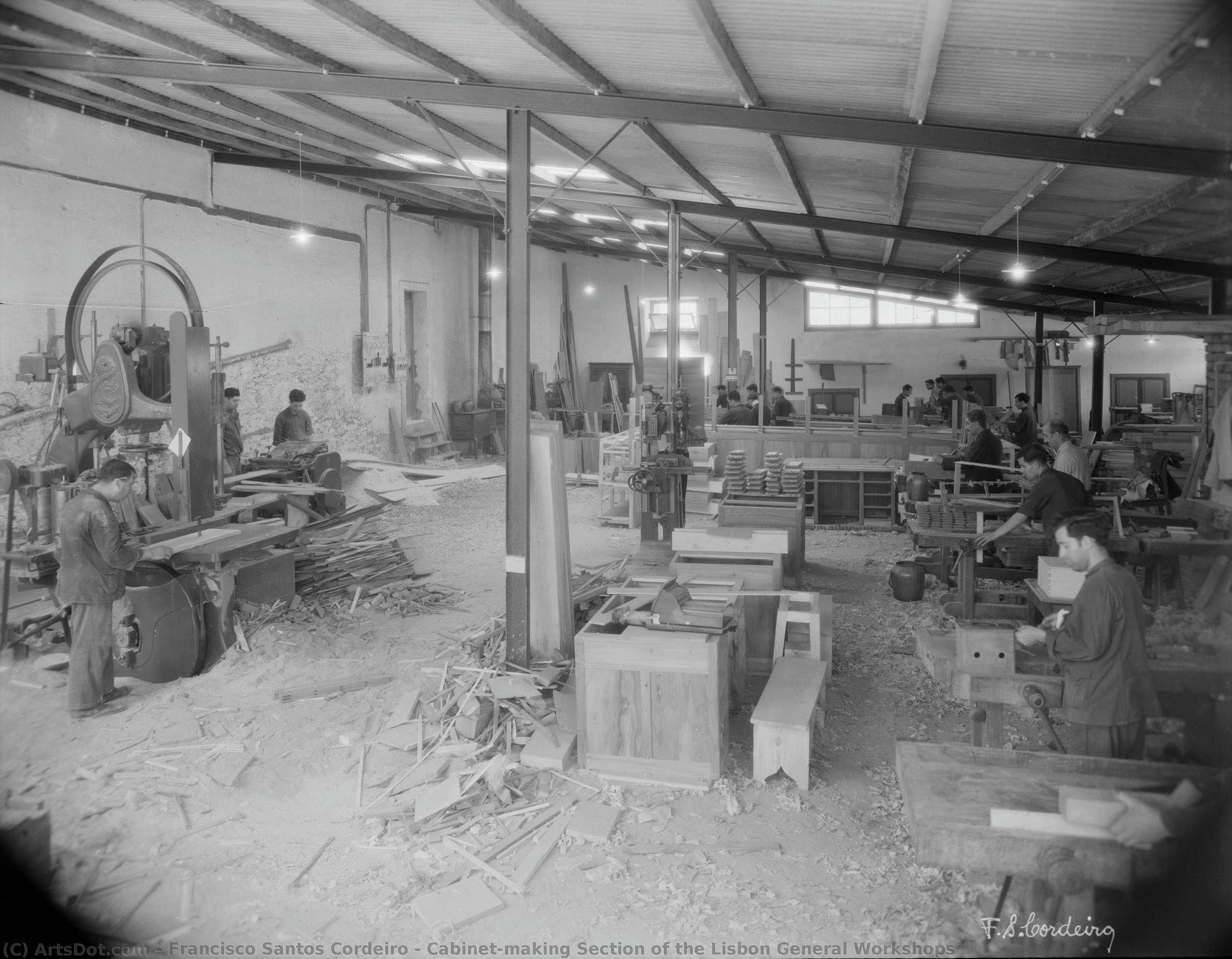
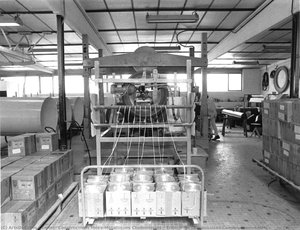
Cabinet-making Section of the Lisbon General Workshops


 Pročitaj više
Kupite digitalnu sliku visoke rezolucije i poboljšanog kvaliteta, koja je znatno superiornija od onoga što vidite u online prikazu.
Svaka datoteka je pedantno pripremljena od strane naših stručnjaka koristeći napredne alate i profesionalnu ručnu retušu. Osiguravamo da svaka slika ima izuzetnu oštrinu, preciznu reprodukciju boja i fine detalje.
Konačna datoteka se dostavlja putem e-pošte u roku od 72 sata, optimizovana za neposrednu upotrebu u profesionalnim, izdavačkim i štamparskim okruženjima. To je isti kvalitet kojem veruju vrhunski studiji dizajna, izdavači i galerije.
Digitalna slika
Preuzmite datoteku visoke rezolucije za ličnu upotrebu, štampanje i kreativne projekte. ( Kupi print Kupi ručno naslikanu sliku)
Uključeno uz svaku porudžbinu digitalne slike
Profesionalna digitalna isporuka, zagarantovana
Kada odaberete ArtsDot.com, ne dobijate samo sliku – vi primate profesionalno unapređeno digitalno umetničko delo, izrađeno sa najvećom preciznošću i uz garanciju zadovoljstva. Evo svega što automatski dolazi uz vašu porudžbinu:

Brza dostava putem e-pošte
Vaša digitalna slika visoke rezolucije biće vam poslata putem e-pošte u roku od 72 sata od poručivanja – spremna za trenutnu upotrebu.

Digitalna datoteka unapređena veštačkom inteligencijom
Vaše umetničko delo je profesionalno optimizovano korišćenjem naprednih AI alata i ručne obrade, čime se osiguravaju maksimalni detalji, oštrina i preciznost boja.

Besplatna ponovna isporuka doživotno
Slučajno ste obrisali ili izgubili svoju datoteku? Ne brinite – poslaćemo vam je ponovo u bilo kom trenutku, potpuno besplatno.

Bez troškova uvoza – zauvek
Uživajte u svojim umetničkim delima trenutno, bez carine, dažbina ili troškova dostave – digitalni download je uvek bez poreza.

Garancija vernosti boja
Uz pomoć profesionalnih alata i upravljanja bojama, osiguravamo da vaša digitalna slika što vernije odražava originalne boje.

Garancija zadovoljstva u roku od 100 dana
Ako niste zadovoljni svojom digitalnom slikom, revidirat ćemo je ili vratiti 100% novca u roku od 100 dana – bez ikakvih pitanja.

100% garancija povrata novca
Niste zadovoljni? Obezbedite pun povrat novca u roku od 100 dana od trenutka kada ste primili svoju digitalnu datoteku – bez suvišnih pitanja.

Popusti na velike porudžbine
Kupite 3 slike, uštedite 10% - Kupite 5 slika, uštedite 15% - Kupite 10+ slika, uštedite 20%. Odlično za kreativne projekte, galerije i agencije.
Srodna umetnička dela
Biografija umetnika
A Chronicle of Light: The Photography of Francisco Santos Cordeiro
Francisco Santos Cordeiro, born in the picturesque town of Lagoa, Portugal, in 1897, stands as a compelling figure in the documentation of early 20th-century Portuguese life. While not widely celebrated outside specialized circles until recently, his extensive photographic archive—created during his tenure with the Administração Geral dos Correios e Telégrafos (General Administration of Posts and Telegraphs)—offers an invaluable window into a rapidly changing nation and the vital infrastructure that connected it. Cordeiro wasn’t merely recording images; he was building a visual narrative of progress, community, and the human element within the burgeoning world of telecommunications. His work transcends simple documentation, becoming a poignant testament to a specific era in Portuguese history.The Lens as Witness: Early Career & The Telecommunications Landscape
Cordeiro’s career unfolded against a backdrop of significant technological advancement. The early 20th century witnessed an explosion in communication technologies—the telegraph, telephone, and postal services were expanding their reach, fundamentally altering the fabric of Portuguese society. As a photographer for the national postal and telegraph administration from 1924 to 1939, Cordeiro was uniquely positioned to capture this transformation. He meticulously photographed everything from grand architectural installations – post offices, telegraph stations, communication towers – to the everyday operations that kept these systems functioning. His images reveal not just the mechanics of communication but also the dedicated individuals who operated and maintained them. His photographs are characterized by a remarkable clarity and precision, reflecting both his technical skill and a commitment to accurate representation. He wasn’t interested in artistic embellishment; rather, he sought to present an honest portrayal of the infrastructure and its impact on daily life. This dedication resulted in a collection that is now recognized as a crucial historical resource.Beyond Infrastructure: The Human Stories Within
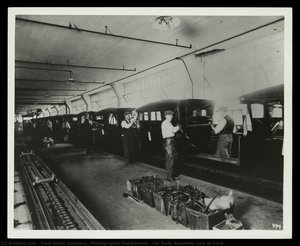
What truly distinguishes Cordeiro's work from purely technical documentation is his inclusion of people. He frequently featured postal workers, telegraph operators, bicycle delivery boys – the faces behind the services he was tasked with recording. These portraits are not merely incidental; they imbue the images with a sense of humanity and scale. We see the pride in their work, the dedication to their roles, and the vital connection they provided to communities across Portugal. One striking example is his photograph of an express mail bicycle delivery boy, capturing a moment of youthful energy and responsibility. Another showcases the interior of the Cabinet-making Section of the Lisbon General Workshops, revealing the skilled artisans who built and maintained the equipment essential for communication. These images offer a glimpse into the social fabric of the time, highlighting the importance of these often-overlooked professions.Influences & Artistic Development
While Cordeiro’s style is largely defined by its documentary realism, it's possible to discern subtle influences from contemporary photographic movements. The clarity and composition of his work echo elements of New Objectivity, a German artistic movement that emphasized precise representation and objectivity. However, Cordeiro’s focus remained firmly rooted in the specific context of Portuguese society. He wasn’t attempting to create abstract or avant-garde images; he was dedicated to capturing the reality of his surroundings. His development as an artist can be seen in the increasing sophistication of his compositions and his ability to convey a sense of narrative within each photograph. Over the course of his career, he moved beyond simply recording infrastructure to telling stories about the people who made it function.Legacy & Historical Significance
Francisco Santos Cordeiro’s photographs represent more than just a historical record; they are a cultural treasure. His work provides invaluable insights into the evolution of telecommunications in Portugal and the social impact of these technologies.- His archive serves as a vital resource for historians, researchers, and anyone interested in understanding Portuguese society during the early 20th century.
- The photographs offer a unique glimpse into the daily lives of postal workers and telegraph operators, providing a human face to these often-overlooked professions.
- Cordeiro’s dedication to accurate representation and his ability to capture a sense of narrative within each image make his work stand out as a significant contribution to documentary photography.
francisco santos cordeiro
1897 - , Portugal
Kratke činjenice
- Artistic Movement Or Style: Documentary Photography
- Date Of Birth: 1897
- Full Name: Francisco Santos Cordeiro
- Nationality: Portuguese
- Notable Artworks:
- Cabinet-making Section
- Express mail bicycle delivery boy
- Place Of Birth: Lagoa, Portugal