

 Pregledaj u prostoru
 Pošalji
 Podeli
 Detalji o delu

 Преузми
 Slični predmeti
 Rendgenski snimak
 Slajdovi
 Statistika
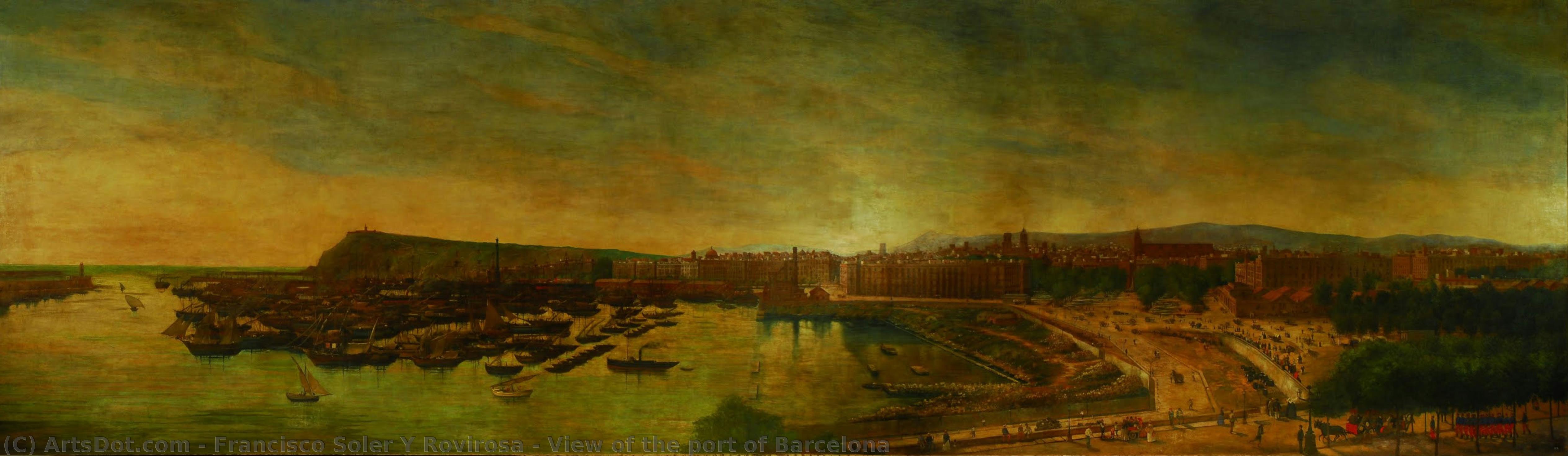
View of the port of Barcelona

 Pročitaj više
Giclee štampa / Umetnički otisak
Giclée štampa ili print na platnu muzejskog kvaliteta uz brzu proizvodnju i fleksibilne opcije završne obrade. ( Kupi ručno naslikanu sliku Pređi na digitalnu sliku)




































Izaberite jednu od naših unapred definisanih veličina koje odgovaraju originalnim proporcijama umetničkog dela.

Možete uneti sopstvene dimenzije kako biste umetničko delo prilagodili specifičnom okviru ili prostoru. Ako odabrani format ne odgovara proporcijama originalne slike, mi ćemo ili iscrtati deo dela ili proširiti sliku pomoću ogledane ivice ili jednobojnog popunjavanja. Digitalni prikaz će vam biti poslat na odobrenje pre početka proizvodnje.
Imajte na umu da pregled na ekranu ne odražava stvarno iscrtavanje ili proširivanje. Samo će prikaz (mockup) precizno pokazati finalnu kompoziciju.
Iako su prilagođene dimenzije dostupne, preporučujemo da odaberete dimenziju sa unapred definisane liste kako biste očuvali originalne proporcije.
Dostava širom sveta () za 2 nedelje umesto uobičajenih 4/5 nedelja. (9 септембар)

Besplatna ekspresna dostava širom sveta

Visokokvalitetno laneno platno

Kompletno osiguranje transporta

Garancija povraćaja carine i uvoznih dažbina

Garancija vernosti boja

Politika povraćaja u roku od 100 dana (isključivo u slučaju nedostataka)

Garancija povrata novca od 100%

Popust pri grupnoj kupovini
 Opcija sa staklom dostupna je samo za dimenzije manje od 110 cm

View of the port of Barcelona
Giclee štampa / Umetnički otisak
Dimenzije reprodukcije
-


Konačna cena
$ 62
Srodna umetnička dela




Biografija umetnika
Francisco Soler y Rovirosa: A Pioneer of Catalan Scenic Design
Francisco Soler y Rovirosa (1836 – 1900) stands as a monumental figure in the history of Spanish art, particularly celebrated for his transformative role in revitalizing theatrical scenery and establishing himself as Catalonia’s foremost scenographer. Born in Barcelona, Spain, Soler’s artistic journey began with formal training at La Llotja, Barcelona’s prestigious school of fine arts, alongside Marià Carreras—a partnership that would prove pivotal to shaping the aesthetic landscape of his time. His early exposure to Carreras's workshop instilled a meticulous attention to detail and a dedication to mastering traditional techniques, influences that would permeate throughout his prolific career.- Early Influences & Training: Soler’s formative years were marked by immersion in the artistic traditions of Barcelona, where he honed his skills under Carreras's guidance—a connection that cemented a shared commitment to realism and craftsmanship.
- Parisian Period: Recognizing the importance of broadening his horizons, Soler relocated to Paris between 1862 and 1869, immersing himself in the vibrant artistic milieu of Charles Antoine Cambon’s workshop. This experience exposed him to innovative ideas and broadened his technical repertoire, equipping him with invaluable knowledge for tackling ambitious projects.
A Master of Tempera: Artistic Style & Technique
Soler's distinctive artistic style revolved around the masterful manipulation of tempera—a medium he embraced with unwavering conviction. Unlike oil paints, tempera employs pigments bound in egg yolk, resulting in exceptionally durable and luminous surfaces that retain their vibrancy for centuries. This painstaking technique demanded considerable patience and precision, reflecting Soler’s meticulous approach to every artwork. His canvases pulsated with color and texture, capturing the essence of his subjects with remarkable accuracy—a testament to his unwavering dedication to artistic excellence.- Genre Diversity: Soler's oeuvre spanned a breathtaking range of genres, encompassing comedies, opera comics, and adaptations of Wagnerian operas. He tackled monumental projects like “Lohengrin,” demonstrating an unparalleled understanding of theatrical design and visual storytelling.
- Catalonian Scenic Legacy: Most notably, Soler revolutionized Catalan theatre by elevating scenic design to new heights—establishing himself as the undisputed champion in this field. His innovative approaches fundamentally reshaped the aesthetic standards of his era, leaving an indelible mark on Catalan artistic heritage.
Contributions to Barcelona’s Universal Exposition
Soler's involvement with the Barcelona Universal Exposition of 1888 solidified his reputation as a visionary artist and cemented his place in Catalan history. He served as Artistic Advisor, overseeing the creation of elaborate sets and costumes that captivated audiences worldwide—a triumph of artistic collaboration and technical prowess. The exposition showcased Soler’s ability to synthesize diverse influences into a cohesive aesthetic vision, reflecting the spirit of progress and innovation characteristic of the Belle Époque.Historical Significance & Enduring Influence
Francisco Soler y Rovirosa's legacy extends far beyond his individual achievements. He championed tempera painting as a medium for theatrical productions, inspiring generations of artists to embrace its expressive potential. His meticulous craftsmanship and unwavering commitment to artistic integrity continue to resonate with art historians and enthusiasts alike—serving as an enduring symbol of Catalan artistic pride. Soler’s work remains accessible through online platforms like ArtsDot.com/@/francisco-soler-y-robirosa, where viewers can explore his captivating paintings and delve deeper into the life and artistry of this extraordinary figure.
francisco soler y rovirosa
1836 - 1900 , Spain
Osnovne informacije
- Artistic Movement Or Style: Tempera
- Artists Or Movements Influenced By This Artist: ['Scenic design']
- Artists Who Influenced This Artist: ['Marià Carreras']
- Date Of Birth: Barcelona, Spain (1836)
- Date Of Death: 1900
- Full Name: Francisco Soler y Rovirosa
- Nationality: Spanish
- Notable Artworks: ['View of the port of Barcelona']
- Place Of Birth: Barcelona