

 Pregledaj u prostoru
 Pošalji
 Podeli
 Detalji o delu

 Преузми
 Slični predmeti
 Rendgenski snimak
 Slajdovi
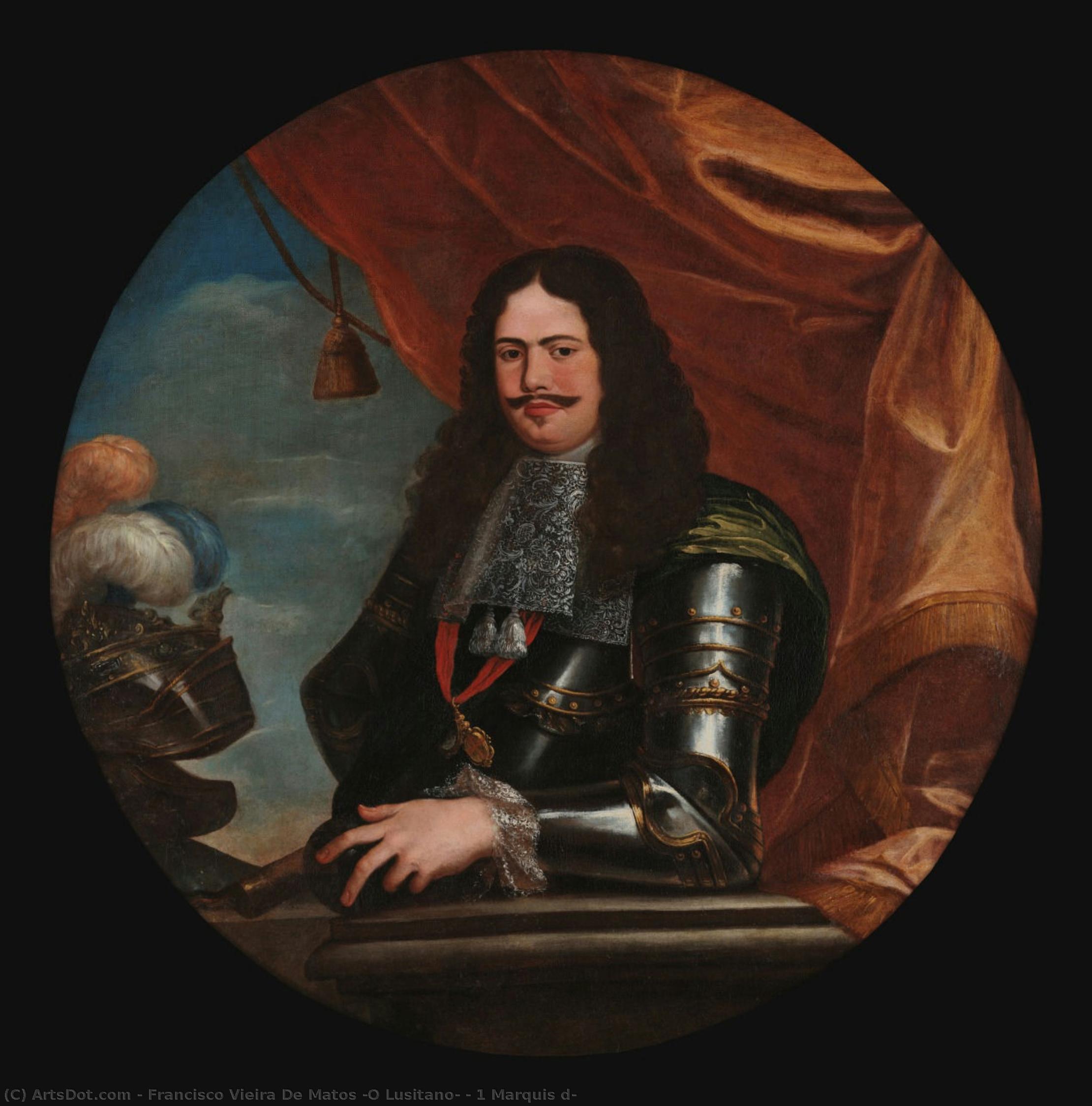
1 Marquis d
 Baroque
 1700
1700 134.0 x 134.0 cm
 Museu Nacional dos Coches
 Pročitaj više
Ručno rađena uljana reprodukcija
Ručno oslikano uljanim bojama na platnu u dimenzijama i okviru po vašem izboru, izrađeno po porudžbini od strane naših umetnika. ( Kupi print Kupi digitalnu sliku)




































Izaberite jednu od naših unapred definisanih veličina koje odgovaraju originalnim proporcijama umetničkog dela.

Можете унети сопствене димензије како бисте прилагодили дело одређеном оквиру или простору. Ако одабрана величина не одговара пропорцијама оригинала, слика ће бити исечена или проширена додатним елементима који се ручно насликавају. Дигитални prikaz ће вам бити послат на одобрење пре почетка производње.
Имајте на уму да преглед на екрану не одражава стварно исецање или проширење. Само приказ (mockup) ће тачно приказати коначну композицију.
Иако су доступне прилагођене величине, препоручујемо да одаберете димензију из дефинисане листе како бисте сачували оригиналне пропорције.
Nakon narudžbine, tim ArtsDot.com će klijentu putem e-pošte poslati uputstva i dostaviti prikaz predloženog rešenja
Isporuka širom sveta () za 3/4 nedelje umesto uobičajenih 5 nedelja. (23 август). Bez kompromisa po pitanju kvaliteta.

Besplatna ekspresna dostava širom sveta

Visokokvalitetno laneno platno

Kompletno osiguranje transporta

Garancija povraćaja carine i uvoznih dažbina

Garancija vernosti boja

Politika povrata u roku od 60 dana (samo u slučaju nedostataka)

Garancija povrata novca od 100%

Popust pri grupnoj kupovini
 Opcija sa staklom dostupna je samo za dimenzije manje od 110 cm

1 Marquis d
Tehnika reprodukcije
Dimenzije reprodukcije
-


Konačna cena
$ 263
Srodna umetnička dela






Biografija umetnika
Francisco Vieira de Matos “O Lusitano”: A Baroque Visionary
Francisco Vieira de Matos, known affectionately as "O Lusitano," remains a captivating figure in Portuguese Baroque art history—a painter whose legacy persists despite the scarcity of biographical details. Born sometime around 1698 in Portugal (the exact location is currently undocumented), his artistic journey unfolded against the backdrop of Lisbon’s vibrant cultural landscape during the reign of King João VI. While precise records concerning his formative years are elusive, scholars believe he honed his skills under the tutelage of António José Campanella, a prominent Baroque artist who championed dramatic compositions and emotive rendering—influences that undeniably shaped Vieira de Matos' distinctive style.Early Artistic Development & Influences
Vieira Lusitano’s artistic sensibilities were profoundly impacted by the prevailing Baroque aesthetic, characterized by grandeur, theatricality, and an obsession with conveying spiritual fervor. The Lisbon Earthquake of 1755 served as a pivotal moment, triggering widespread devastation and prompting artists to grapple with themes of mortality, faith, and divine providence. Vieira Lusitano’s oeuvre reflects this preoccupation—particularly evident in his depictions of biblical narratives and mythological scenes imbued with palpable emotion. He skillfully employed chiaroscuro—the dramatic interplay between light and shadow—to heighten visual impact and guide the viewer's gaze toward key elements within his canvases.Notable Works & Artistic Style
Vieira Lusitano’s artistic reputation rests primarily on a handful of remarkable paintings, most notably “Studies for Christ Enraged with the World and the Virgin Placating His Wrath” (1730). This monumental composition showcases Vieira Lusitano's mastery of technique—his meticulous attention to detail, his masterful use of color palettes, and his ability to capture the psychological complexity of his subjects. The painting’s turbulent depiction of Christ’s fury against earthly adversaries underscores Vieira Lusitano’s commitment to conveying profound spiritual truths through visual storytelling. Furthermore, “Head of Goliath” exemplifies his penchant for dramatic poses and expressive facial expressions—a stylistic hallmark that distinguishes him from many of his contemporaries.Legacy & Historical Significance
Despite the paucity of biographical information, Francisco Vieira de Matos "O Lusitano" cemented his place in Portuguese art history as a pivotal voice within the Baroque movement. His works exemplify the era’s artistic ideals—its embrace of theatrical grandeur and its exploration of existential themes—contributing significantly to Portugal's cultural heritage. The Legion of Honor in San Francisco houses one of his paintings, showcasing the enduring appreciation for his artistic achievements across continents. Vieira Lusitano’s legacy continues to inspire artists and scholars alike, ensuring that “O Lusitano” remains a celebrated figure within Portuguese Baroque art.Further Exploration
For deeper insights into Francisco Vieira de Matos' life and work, consult resources such as ULAN Full Record Display (Getty Research) – Getty Museum: https://www.getty.edu/vow/ULANFullDisplay?find=500005920&role=&nation=&prev_page=1&subjectid=500005920 and explore related artworks like “Mythological Scene” and “Head of Goliath.”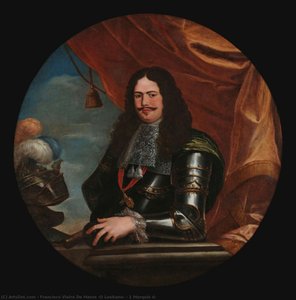
Osnovne informacije
- Artistic Movement Or Style: Baroque
- Full Name: Francisco Vieira de Matos "O Lusitano"
- Nationality: Portuguese
- Notable Artworks:
- Studies for Christ Enraged with the World and Virgin Placating His Wrath
- Head of Goliath
- Mythological Scene
- Place Of Birth: Portugal
Povezani članci

Francisco Goya: 25 Remek-dela Španskog Majstora za Vaš Dom | ArtsDot
Istražite 25 remek-dela Francisca Goya, španskog slikara romantizma i impresionizma. Portreti, tamne slike & istorija umetnosti na ArtsDot.com! Kupite reprodukcije slika vrhunskog kvaliteta za dekoraciju enterijera. Otkrijte celu kolekciju online.

Барокна драма: Уношење величине и емоција у савремене ентеријере
Откријте барокну драму и унесите величину у ваш ентеријер! ArtsDot нуди ручно насликане репродукције, персонализоване портрете и стручне консултације за љубитеље класичне уметности. Потражите савршено дело већ данас!

The Enduring Power of Painting: A Historical & Contemporary Exploration of Form and Emotion
Explore the rich history & enduring techniques of oil painting with ArtsDot. Discover masterpieces, learn about art collecting, and find authentic handmade reproductions crafted by skilled artists.

The Dramatic Flourish: Exploring the Baroque Movement's Enduring Legacy in Art History
Explore the dramatic world of Baroque art! Discover iconic artists like Caravaggio & Rubens, defining techniques, and its lasting impact on art history. Expert insights for collectors & enthusiasts at ArtsDot.

Barok Majstor dela: Top 10 Umjetničkih Remeka za Vaš Dom
Otkrijte 10 remek dela koja su definisala baroknu umetnost! Karavagio, Bernini i više – istražite priče iza ovih ikoničnih slika. Inspiracija za vaš dom? Pogledajte kolekciju na ArtsDot.com!

