

 Pregledaj u prostoru
 Pošalji
 Podeli
 Detalji o delu

 Преузми
 Slični predmeti
 Rendgenski snimak
 Slajdovi
 Statistika
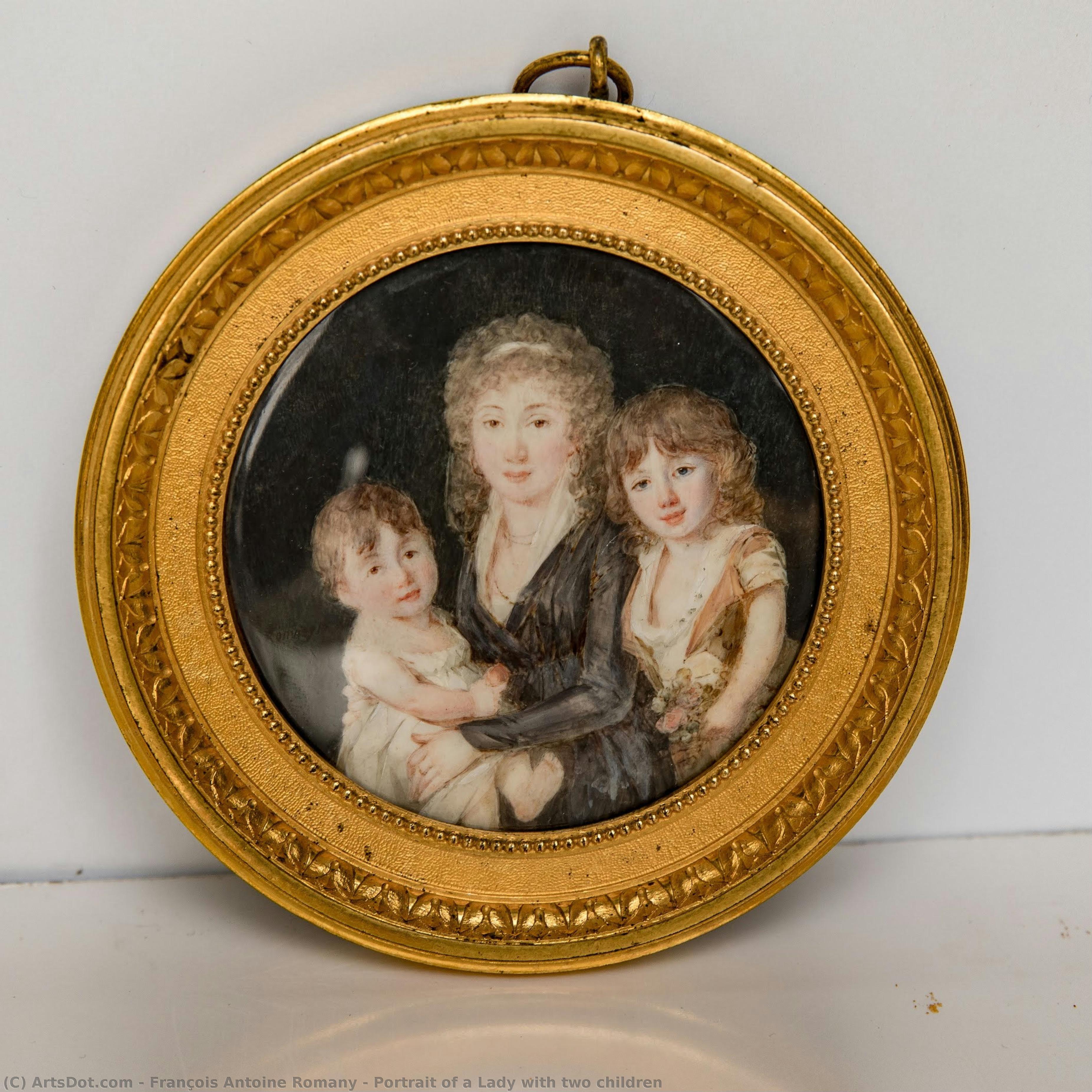
Portrait of a Lady with two children

 Pročitaj više
Giclee štampa / Umetnički otisak
Giclée štampa ili print na platnu muzejskog kvaliteta uz brzu proizvodnju i fleksibilne opcije završne obrade. ( Kupi ručno naslikanu sliku Pređi na digitalnu sliku)




































Izaberite jednu od naših unapred definisanih veličina koje odgovaraju originalnim proporcijama umetničkog dela.

Možete uneti sopstvene dimenzije kako biste umetničko delo prilagodili specifičnom okviru ili prostoru. Ako odabrani format ne odgovara proporcijama originalne slike, mi ćemo ili iscrtati deo dela ili proširiti sliku pomoću ogledane ivice ili jednobojnog popunjavanja. Digitalni prikaz će vam biti poslat na odobrenje pre početka proizvodnje.
Imajte na umu da pregled na ekranu ne odražava stvarno iscrtavanje ili proširivanje. Samo će prikaz (mockup) precizno pokazati finalnu kompoziciju.
Iako su prilagođene dimenzije dostupne, preporučujemo da odaberete dimenziju sa unapred definisane liste kako biste očuvali originalne proporcije.
Dostava širom sveta () za 2 nedelje umesto uobičajenih 4/5 nedelja. (13 септембар)

Besplatna ekspresna dostava širom sveta

Visokokvalitetno laneno platno

Kompletno osiguranje transporta

Garancija povraćaja carine i uvoznih dažbina

Garancija vernosti boja

Politika povraćaja u roku od 100 dana (isključivo u slučaju nedostataka)

Garancija povrata novca od 100%

Popust pri grupnoj kupovini
 Opcija sa staklom dostupna je samo za dimenzije manje od 110 cm

Portrait of a Lady with two children
Giclee štampa / Umetnički otisak
Dimenzije reprodukcije
-


Konačna cena
$ 62
Srodna umetnička dela









Biografija umetnika
John Trumbull: The Painter of the Revolution
Born in Lebanon, Connecticut, in 1756, John Trumbull’s life was inextricably linked to the tumultuous events of the American Revolutionary War and its immediate aftermath. His lineage – descended from early Puritan settlers and boasting prominent figures like his father, Jonathan Trumbull, Governor of Connecticut, and brothers Joseph and Jonathan who served as key military and political leaders – provided him with a unique vantage point within the burgeoning nation’s struggle for independence. However, it was not merely family connections that shaped his artistic destiny; a childhood accident resulting in partial blindness profoundly influenced his distinctive painting style, forcing him to develop an extraordinarily acute sense of observation and a bold, direct approach to composition.
Trumbull's early career began with formal training at Harvard College, where he honed his technical skills. Yet, it was his service as a soldier during the war that truly ignited his artistic passion. He wasn’t simply a witness to history; he actively participated in sketching crucial plans of fortifications and troop movements – invaluable intelligence for both American and British forces. This experience instilled within him a deep understanding of military strategy and a keen eye for detail, qualities which would later define his monumental historical paintings. His service at Boston, particularly during the Battle of Bunker Hill, cemented his reputation as a skilled observer and documentarian of the conflict.
The Birth of a National Icon
Trumbull’s most enduring legacy lies in his series of four large-scale paintings depicting pivotal moments in the American Revolution. These works – *The Return of Washington from Cambridge*, *Declaration of Independence*, *Reading of the Declaration of Independence*, and *Death of General Montgomery* – were commissioned by George Washington himself and became, and remain, central to the visual narrative of America’s founding. His depiction of the *Declaration of Independence*, now gracing the reverse of the United States two-dollar bill, is arguably his most recognizable achievement.
These paintings are not mere historical records; they are carefully constructed narratives imbued with patriotic fervor and a sense of national identity. Trumbull masterfully employed dramatic lighting, dynamic compositions, and expressive figures to convey the gravity of these events and inspire a shared commitment to liberty. His use of color was often bold and vibrant, reflecting the energy and urgency of the revolutionary spirit. The influence of Neoclassicism is evident in his meticulous attention to detail, idealized forms, and emphasis on moral virtue – a stylistic choice that aligned with the prevailing artistic trends of the era.
Technique and Style
Trumbull’s painting technique was characterized by its directness and immediacy. He famously worked directly onto the canvas without preliminary sketches, relying instead on his keen observation skills and intuitive understanding of form and composition. This approach resulted in a distinctive “square touch,” a vigorous and confident brushstroke that conveyed both power and dynamism. His ability to capture the essence of his subjects – whether stoic military leaders or impassioned revolutionaries – was remarkable.
Despite his partial blindness, Trumbull’s paintings are remarkably clear and detailed. He compensated for his limited vision by developing an exceptional sense of spatial relationships and a deep understanding of light and shadow. His use of chiaroscuro—the dramatic contrast between light and dark—created a powerful sense of depth and drama, drawing the viewer's eye to key figures and moments within the composition. The influence of artists like Benjamin West is evident in his compositions and handling of light, though Trumbull forged his own unique style.
Legacy and Influence
John Trumbull’s paintings transcended their initial purpose as historical documents; they became enduring symbols of American patriotism and national identity. His work profoundly shaped the visual language of the United States, providing a foundational image for understanding its origins and ideals. He is often referred to as “The Painter of the Revolution” – a title that reflects his pivotal role in documenting and celebrating this transformative period in American history.
Trumbull’s legacy extends beyond his individual paintings. He established a precedent for American artists seeking to engage with grand historical themes, paving the way for future generations of painters who would continue to explore the nation's past and its enduring values. His work remains an important testament to the power of art to shape national narratives and inspire civic pride.
françois antoine romany
1756 - 1839 , France
Osnovne informacije
- Artistic Movement Or Style: Portraiture
- Artists Or Movements Influenced By This Artist: ['Scottish portraiture']
- Artists Who Influenced This Artist: ['Joshua Reynolds']
- Date Of Birth: 4 March 1756
- Date Of Death: 8 July 1823
- Full Name: Henry Raeburn
- Nationality: Scottish
- Notable Artworks:
- The Scottish Hunter
- Sketches from Pompeii
- Walter Scott
- Place Of Birth: Stockbridge, Scotland