

 Pošalji
 Podeli
 Detalji o delu

 Преузми
 Slični predmeti
 Slajdovi
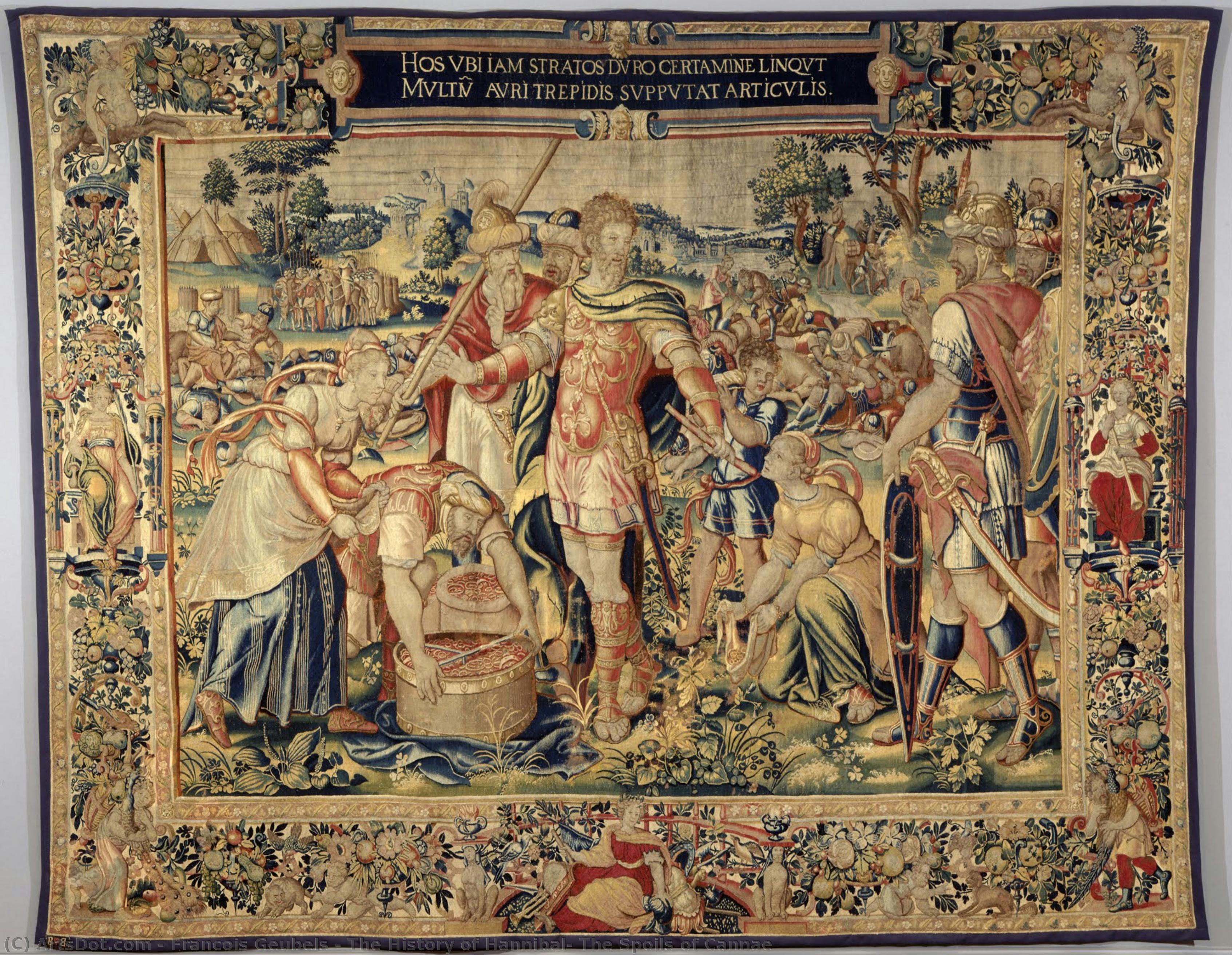
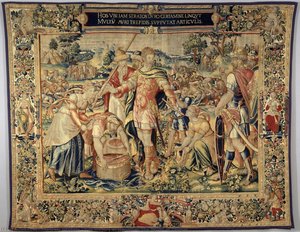
The History of Hannibal: The Spoils of Cannae
 Tapestry
- Textile
- Flemish Renaissance
 Renaissance
 353.0 x 426.0 cm
 Chrysler Museum of Art
 Pročitaj više
Kupite digitalnu sliku visoke rezolucije i poboljšanog kvaliteta, koja je znatno superiornija od onoga što vidite u online prikazu.
Svaka datoteka je pedantno pripremljena od strane naših stručnjaka koristeći napredne alate i profesionalnu ručnu retušu. Osiguravamo da svaka slika ima izuzetnu oštrinu, preciznu reprodukciju boja i fine detalje.
Konačna datoteka se dostavlja putem e-pošte u roku od 72 sata, optimizovana za neposrednu upotrebu u profesionalnim, izdavačkim i štamparskim okruženjima. To je isti kvalitet kojem veruju vrhunski studiji dizajna, izdavači i galerije.
Digitalna slika
Preuzmite datoteku visoke rezolucije za ličnu upotrebu, štampanje i kreativne projekte. ( Kupi print Kupi ručno naslikanu sliku)
Uključeno uz svaku porudžbinu digitalne slike
Profesionalna digitalna isporuka, zagarantovana
Kada odaberete ArtsDot.com, ne dobijate samo sliku – vi primate profesionalno unapređeno digitalno umetničko delo, izrađeno sa najvećom preciznošću i uz garanciju zadovoljstva. Evo svega što automatski dolazi uz vašu porudžbinu:

Brza dostava putem e-pošte
Vaša digitalna slika visoke rezolucije biće vam poslata putem e-pošte u roku od 72 sata od poručivanja – spremna za trenutnu upotrebu.

Digitalna datoteka unapređena veštačkom inteligencijom
Vaše umetničko delo je profesionalno optimizovano korišćenjem naprednih AI alata i ručne obrade, čime se osiguravaju maksimalni detalji, oštrina i preciznost boja.

Besplatna ponovna isporuka doživotno
Slučajno ste obrisali ili izgubili svoju datoteku? Ne brinite – poslaćemo vam je ponovo u bilo kom trenutku, potpuno besplatno.

Bez troškova uvoza – zauvek
Uživajte u svojim umetničkim delima trenutno, bez carine, dažbina ili troškova dostave – digitalni download je uvek bez poreza.

Garancija vernosti boja
Uz pomoć profesionalnih alata i upravljanja bojama, osiguravamo da vaša digitalna slika što vernije odražava originalne boje.

Garancija zadovoljstva u roku od 60 dana
Ako niste zadovoljni svojom digitalnom slikom, revidirat ćemo je ili vratiti 100% novca u roku od 60 dana – bez ikakvih pitanja.

100% garancija povrata novca
Niste zadovoljni? Obezbedite pun povrat novca u roku od 60 dana od trenutka kada ste primili svoju digitalnu datoteku – bez suvišnih pitanja.

Popusti na velike porudžbine
Kupite 3 slike, uštedite 10% - Kupite 5 slika, uštedite 15% - Kupite 10+ slika, uštedite 20%. Odlično za kreativne projekte, galerije i agencije.
A Grand Tapestry of Conquest and Glory
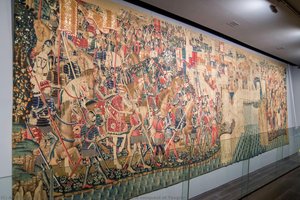
In the vast annals of the Flemish Renaissance, few mediums capture the epic scale of human ambition quite like the intricate tapestry. The History of Hannibal: The Spoils of Cannae stands as a breathtaking testament to this era, a monumental work that breathes life into one of antiquity's most legendary military triumphs. This grand textile does not merely depict a moment in time; it weaves a narrative of power, wealth, and the visceral reality of war. As the eye wanders across its expansive 353 x 426 cm surface, one is immediately transported to the heat of the Second Punic War, where the Carthaginian general Hannibal Barca orchestrated a victory so decisive it would haunt the Roman Republic for generations.
The composition is a masterclass in narrative movement. At its heart, the scene captures the heavy, triumphant atmosphere following the carnage of Cannae. The central figure of Hannibal stands as a pillar of command, receiving the spoils of war—a glittering hoard of gold that serves as a tangible symbol of his strategic brilliance. Surrounding him, the tapestry unfolds with a rhythmic complexity; soldiers are caught in various states of repose and action, some kneeling in exhaustion, others standing in watchful vigilance. The presence of a horse near the center adds a dynamic pulse to the scene, suggesting the restless energy that follows even the most decisive battle. Through the masterful use of earthy tones, the weaver creates a warm, historical patina that evokes the dust and grit of the ancient battlefield.
The Mastery of Flemish Weaving
Created by the skilled hands of François Geubels, a prominent figure in the flourishing tapestry workshops of Brussels and Antwerp, this work exemplifies the pinnacle of 16th-century textile artistry. Geubels, a master weaver of the Flemish Renaissance, possessed the rare ability to translate the dramatic tension of classical history into the medium of thread and dye. The technique required for such a large-scale piece is nothing short of extraordinary, demanding an intimate understanding of color gradation and fine detail to ensure that every soldier's expression and every glint of gold feels profoundly real.
For the discerning collector or interior designer, this piece offers more than mere decoration; it provides a profound sense of historical weight and architectural grandeur. The intricate craftsmanship of the Flemish tradition ensures that each reproduction retains the soul of the original, offering a rich, tactile experience that commands attention in any sophisticated setting. Whether placed in a grand library, a formal dining hall, or a curated gallery space, this tapestry serves as a window into a lost world of heroism and splendor, making it an incomparable centerpiece for those who seek to surround themselves with art that tells a story of enduring human legacy.
Srodna umetnička dela

Biografija umetnika
a life woven with artistry
francois geubels, also known as frans geubels, was a flemish tapestry weaver born in antwerpen, belgium in 1520. he was active in brussels between 1546 and 1579. geubels was the husband of catherine van den eynde, another prominent tapestry weaver in brussels. after his death in 1578, their son jacques geubels ii continued the family workshop.artistic contributions and notable works
while specific works by francois geubels are not extensively documented, his influence on flemish tapestry weaving is undeniable. his involvement in brussels during a period of artistic flourishing contributed to the city's reputation for exquisite textiles.- notable artistic movement: geubels was part of the flemish renaissance, known for its intricate and detailed works.
- contribution to the family workshop: his legacy continued through his son, ensuring the family's artistic traditions endured.
museums and collections featuring similar artists
for those interested in exploring more of flemish art, particularly tapestry weaving, the following museums are recommended:- musées royaux des beaux-arts (brussels, belgium) - offers a wide range of artworks, including those from the flemish renaissance.
- cathedral of ste gudule (brussels, belgium) - while not exclusively focused on tapestries, its architecture and historical significance make it a must-visit for art enthusiasts.
legacy and influence
francois geubels' impact on the world of flemish tapestry weaving is evident in the continuation of his family's workshop by his son. though specific works are not widely available, his influence on the period's artistic landscape is undeniable.- family legacy: continued by jacques geubels ii.
- artistic movement: contributed to the flemish renaissance.
francois geubels
1520 - 1578 , Belgium
Kratke činjenice
- Artistic Movement Or Style: High Renaissance, Mannerism
- Artists Or Movements Influenced By This Artist:
- Leonardo da Vinci
- Michelangelo
- Neoplatonism
- Artists Who Influenced This Artist:
- Giovanni Santi
- Pietro Perugino
- Date Of Birth: March 28, 1483
- Date Of Death: April 6, 1520
- Full Name: Raphael Sanzio da Urbino
- Nationality: Italian
- Notable Artworks:
- The School of Athens
- Sistine Madonna
- The Transfiguration
- Place Of Birth: Urbino, Italy

