

 Pregledaj u prostoru
 Pošalji
 Podeli
 Detalji o delu

 Преузми
 Slični predmeti
 Rendgenski snimak
 Slajdovi
 Statistika
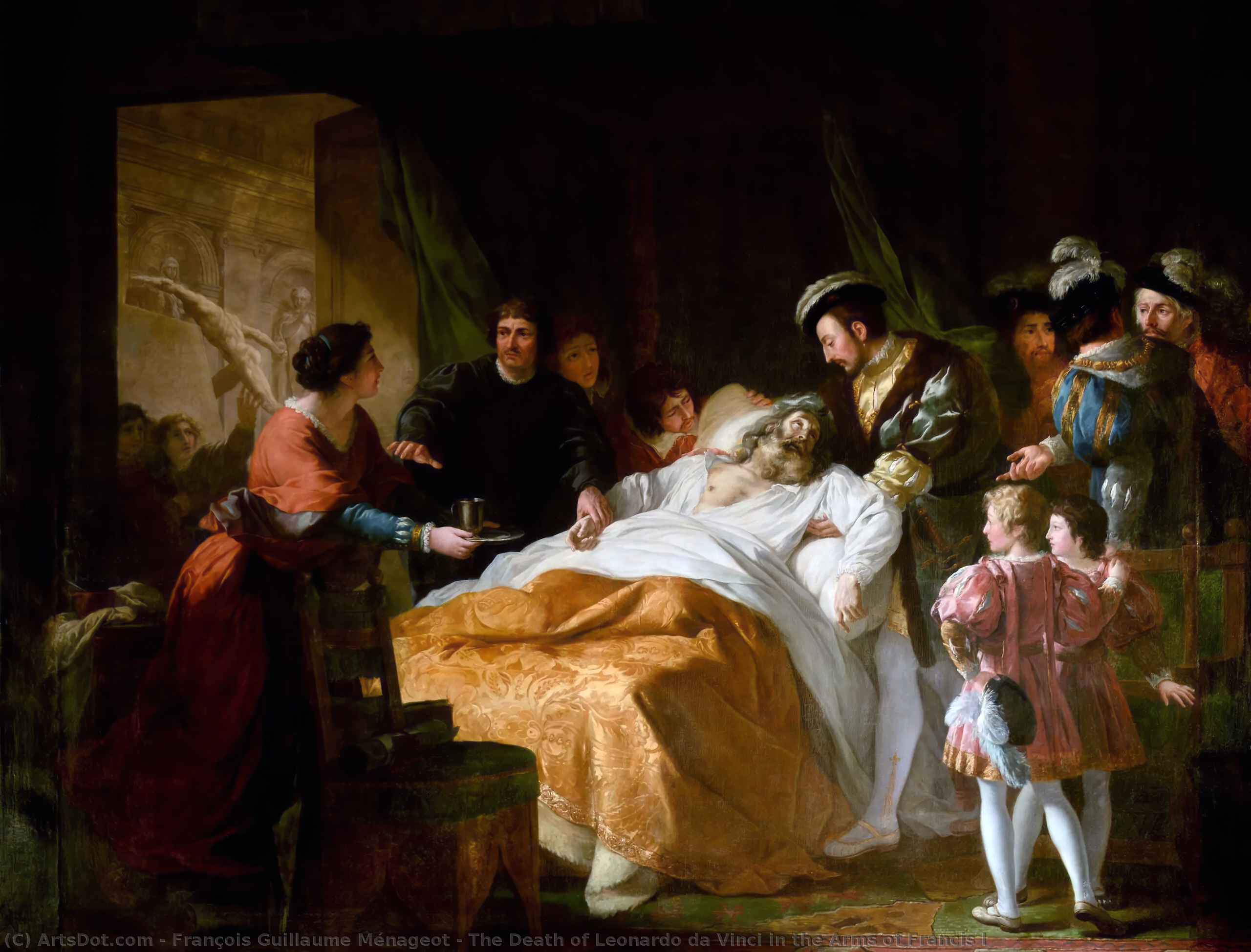
The Death of Leonardo da Vinci in the Arms of Francis I
 Baroque
 1781
1781 278.0 x 357.0 cm
 Musée de l'Hôtel de Ville
 Pročitaj više
Giclee štampa / Umetnički otisak
Giclée štampa ili print na platnu muzejskog kvaliteta uz brzu proizvodnju i fleksibilne opcije završne obrade. ( Kupi ručno naslikanu sliku Pređi na digitalnu sliku)




































Izaberite jednu od naših unapred definisanih veličina koje odgovaraju originalnim proporcijama umetničkog dela.

Možete uneti sopstvene dimenzije kako biste umetničko delo prilagodili specifičnom okviru ili prostoru. Ako odabrani format ne odgovara proporcijama originalne slike, mi ćemo ili iscrtati deo dela ili proširiti sliku pomoću ogledane ivice ili jednobojnog popunjavanja. Digitalni prikaz će vam biti poslat na odobrenje pre početka proizvodnje.
Imajte na umu da pregled na ekranu ne odražava stvarno iscrtavanje ili proširivanje. Samo će prikaz (mockup) precizno pokazati finalnu kompoziciju.
Iako su prilagođene dimenzije dostupne, preporučujemo da odaberete dimenziju sa unapred definisane liste kako biste očuvali originalne proporcije.
Dostava širom sveta () za 2 nedelje umesto uobičajenih 4/5 nedelja. (9 септембар)

Besplatna ekspresna dostava širom sveta

Visokokvalitetno laneno platno

Kompletno osiguranje transporta

Garancija povraćaja carine i uvoznih dažbina

Garancija vernosti boja

Politika povraćaja u roku od 100 dana (isključivo u slučaju nedostataka)

Garancija povrata novca od 100%

Popust pri grupnoj kupovini
 Opcija sa staklom dostupna je samo za dimenzije manje od 110 cm

The Death of Leonardo da Vinci in the Arms of Francis I
Giclee štampa / Umetnički otisak
Dimenzije reprodukcije
-


Konačna cena
$ 62
Historical Context
The painting depicts the final moments of Leonardo da Vinci's life as he lies in the arms of Francis I, King of France. This scene is set against a backdrop of Renaissance humanism and artistic innovation. The work was commissioned by Louis XVI to serve as a model for a tapestry depicting the history of France at the Gobelins Manufactory.Artistic Significance
Ménageot's painting showcases his skill in capturing the emotional depth of the scene. The central focus is on the tender embrace between Leonardo and Francis, while the surrounding figures convey a sense of mourning and reverence. This work exemplifies the Neoclassical style, characterized by its emphasis on classical ideals and historical subjects.Key Elements
- Composition: The painting features a large group of people gathered around Leonardo's bed, creating a sense of intimacy and solemnity. - Color Palette: Muted tones dominate the scene, with an emphasis on earthy colors that evoke a sense of somberness. - Lighting: Soft, diffused light illuminates the figures, highlighting their expressions and interactions.Relevance in Art History
This painting is significant not only for its depiction of a pivotal moment in art history but also for its reflection of the artistic trends of the late 18th century. Ménageot's work was influenced by his time in Vien's studio, where he was exposed to the teachings of Jacques-Louis David.Conclusion
The Death of Leonardo da Vinci in the Arms of Francis I is a powerful representation of the intersection of art and history. It stands as a testament to Ménageot's skill and the enduring legacy of Renaissance ideals. For those interested in exploring more works by François Guillaume Ménageot, The Death of Leonardo da Vinci in the Arms of Francis I and Envy Plucking the Wings of Fame are available for viewing on ArtsDot. For a deeper understanding of Ménageot's contributions to Neoclassicism, refer to François Guillaume Ménageot on Wikipedia.Srodna umetnička dela

Biografija umetnika
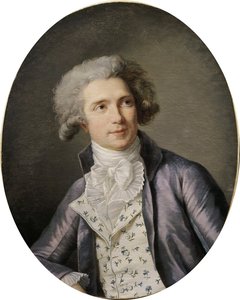
The Grandeur of Neoclassicism: The Life and Legacy of François Guillaume Ménageot
François Guillaume Ménageot (1744–1816) stands as a monumental figure in the transition of European art, a painter whose brush captured the profound shift from the airy elegance of the Rococo to the stern, dramatic gravity of Neoclassicism. Born in London to Augustin Ménage or, as history remembers him, the son of an influential art dealer and advisor to the great Denis Diderot, François was destined for a life steeped in intellectual and aesthetic discourse. This early exposure to the leading minds of the Enlightenment provided the fertile soil from which his artistic vision would grow, blending a deep respect for classical antiquity with the technical rigor required by the French academic tradition. His formative years were shaped by a lineage of masters that defined the era's stylistic evolution. Initially training under Jean-Baptiste Deshays and Joseph Marie Vien, Ménageot first absorbed the nuanced play of light and color characteristic of their work. However, it was his apprenticeship with the legendary François Boucher that left an indelible mark on his early compositions. From Boucher, he inherited a mastery of warmth and fluid movement, yet Ménageot possessed a unique ambition to move beyond mere decorative beauty toward something more substantial and historically significant.A Triumph in Rome and the Pursuit of Academic Excellence
The trajectory of Ménageot’s career was irrevocly altered by his extraordinary success in the competitive arena of the French Academy. In 1766, he achieved the prestigious Grand Prix de Rome with his visceral and striking work, Tomyris Plunging the Head of Cyrus into a Bowl of Blood. This painting was more than a technical triumph; it was a declaration of intent, signaling his ability to handle intense, dramatic narratives with a sense of monumental scale. This victory granted him a transformative residency at the French Academy in Rome from 1769 to 1774, a period that allowed him to immerse himself directly in the classical ruins and Renaissance masterpieces that would become the bedrock of his style. During his Roman years, Ménageot’s work began to shed the lighter, more whimsical elements of his early training, replaced by a burgeoning interest in the structural clarity and emotional weight of the ancient world. His time in Italy solidified his reputation as a history painter capable of conveying complex human struggles through grand, architectural compositions. Upon his return to Paris, he was met with immediate acclaim, securing agréement from the Académie Royale and establishing himself as a vital voice in the Salon exhibitions that defined the cultural zeitopgraphy of late 18th-century France.Mastery of Narrative: Religious and Historical Vision
Ménageot’s oeuvre is characterized by its profound ability to breathe life into historical and religious chronicles. He possessed a rare talent for capturing the precise moment of highest tension—the breath held before a tragedy or the solemnity of a sacred event. His works often feature a sophisticated use of chiaroscuro, where deep shadows and piercing highlights serve to direct the viewer's eye toward the emotional core of the scene. Some of his most enduring contributions to the art world include:- The Death of Leonardo da Vinci in the Arms of Francis I: A poignant exploration of historical intimacy and the passing of a genius, rendered with profound dignity.
- The Martyrdom of St Sebastian: A powerful display of religious devotion and physical suffering, utilizing dramatic lighting to evoke a sense of spiritual transcendence.
- The Farewells of Polyxena to Hecuba: A masterpiece of narrative tension that showcases his ability to weave complex classical tragedy into a single, breathtaking canvas.
- Allegorical painting of the birth of Louis Joseph: A monumental work rich in symbolism, demonstrating his skill in blending political history with allegorical grandeur.
françois guillaume ménageot
1744 - 1816 , United Kingdom
Osnovne informacije
- Artistic Movement Or Style: Neoclassicism
- Artists Or Movements Influenced By This Artist: ['David']
- Artists Who Influenced This Artist: ['François Boucher']
- Date Of Birth: London, United Kingdom (1744)
- Date Of Death: 1816
- Full Name: François Guillaume Ménageot
- Nationality: French
- Notable Artworks:
- The Death of Leonardo da Vinci in the Arms of Francis I
- The Martyrdom of St Sebastian
- Allegorical painting of the birth of Louis Joseph
- Place Of Birth: London
Povezani članci

Leonardo da Vinci: A Renaissance Master’s Synthesis of Art, Science & Human Observation – Reinterpreted for the Collector
Explore Leonardo da Vinci’s timeless masterpieces with ArtsDot. Discover insights into his art, science, and legacy – trusted expertise for discerning collectors seeking authentic reproductions & investment opportunities.
25 Remek-dela Galerije Uffizi: Putovanje kroz renesansnu lepotu | ArtsDot.com
Istražite 25 remek-dela Galerije Uffizi u Firenci! Otkrijte priče iza slika Leonarda da Vinčija, Mikelanđela i Botticellija. Pronađite inspiraciju za dekoraciju enterijera i kupite reprodukcije vrhunske kvalitete na ArtsDot.com.
Leonardo da Vinci: 25 Remek-dela Genija za Vaš Dom | ArtsDot
Istražite 25 remek-dela Leonarda da Vince, od Mona Lize do Poslednje večere. Otkrijte priče iza slika renesanse i inspiraciju za dekoraciju enterijera. Kvalitetne reprodukcije na ArtsDot.com!

25 Remek-dela Luvra: Putovanje kroz vekove umetnosti i lepote | ArtsDot.com
Otkrijte 25 remek-dela Luvra! Istražite priče iza Mona Lize, Venere Miloske i drugih ikona umetnosti. Reprodukcije slika vrhunskog kvaliteta za vaš enterijer. Leonardo da Vinci, renesansa & više na ArtsDot.com
Renaissance Humanism's Greatest Art: 10 Masterpieces for Your Home
Explore 10 Renaissance Humanism masterpieces by Leonardo da Vinci, Michelangelo & Raphael. Discover the stories behind these iconic paintings & sculptures and bring timeless art into your home with museum-quality reproductions from ArtsDot.com. Explore the full collection online!