

 Pregledaj u prostoru
 Pošalji
 Podeli
 Detalji o delu

 Преузми
 Slični predmeti
 Rendgenski snimak
 Slajdovi
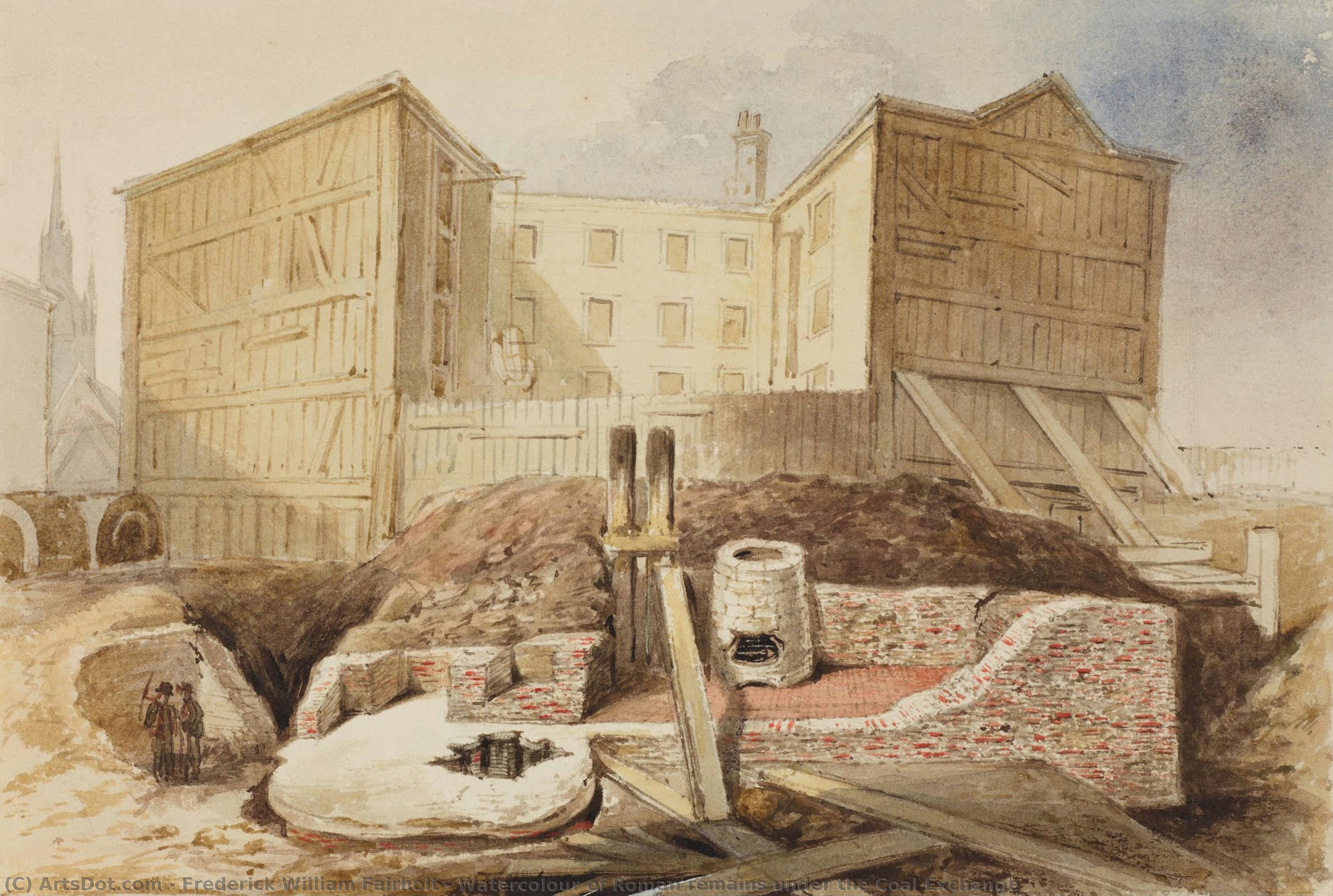
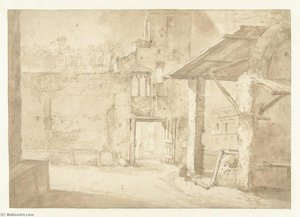
Watercolour of Roman remains under the Coal Exchange


 Pročitaj više
Kupite digitalnu sliku visoke rezolucije i poboljšanog kvaliteta, koja je znatno superiornija od onoga što vidite u online prikazu.
Svaka datoteka je pedantno pripremljena od strane naših stručnjaka koristeći napredne alate i profesionalnu ručnu retušu. Osiguravamo da svaka slika ima izuzetnu oštrinu, preciznu reprodukciju boja i fine detalje.
Konačna datoteka se dostavlja putem e-pošte u roku od 72 sata, optimizovana za neposrednu upotrebu u profesionalnim, izdavačkim i štamparskim okruženjima. To je isti kvalitet kojem veruju vrhunski studiji dizajna, izdavači i galerije.
Digitalna slika
Preuzmite datoteku visoke rezolucije za ličnu upotrebu, štampanje i kreativne projekte. ( Kupi print Kupi ručno naslikanu sliku)
Uključeno uz svaku porudžbinu digitalne slike
Profesionalna digitalna isporuka, zagarantovana
Kada odaberete ArtsDot.com, ne dobijate samo sliku – vi primate profesionalno unapređeno digitalno umetničko delo, izrađeno sa najvećom preciznošću i uz garanciju zadovoljstva. Evo svega što automatski dolazi uz vašu porudžbinu:

Brza dostava putem e-pošte
Vaša digitalna slika visoke rezolucije biće vam poslata putem e-pošte u roku od 72 sata od poručivanja – spremna za trenutnu upotrebu.

Digitalna datoteka unapređena veštačkom inteligencijom
Vaše umetničko delo je profesionalno optimizovano korišćenjem naprednih AI alata i ručne obrade, čime se osiguravaju maksimalni detalji, oštrina i preciznost boja.

Besplatna ponovna isporuka doživotno
Slučajno ste obrisali ili izgubili svoju datoteku? Ne brinite – poslaćemo vam je ponovo u bilo kom trenutku, potpuno besplatno.

Bez troškova uvoza – zauvek
Uživajte u svojim umetničkim delima trenutno, bez carine, dažbina ili troškova dostave – digitalni download je uvek bez poreza.

Garancija vernosti boja
Uz pomoć profesionalnih alata i upravljanja bojama, osiguravamo da vaša digitalna slika što vernije odražava originalne boje.

Garancija zadovoljstva u roku od 100 dana
Ako niste zadovoljni svojom digitalnom slikom, revidirat ćemo je ili vratiti 100% novca u roku od 100 dana – bez ikakvih pitanja.

100% garancija povrata novca
Niste zadovoljni? Obezbedite pun povrat novca u roku od 100 dana od trenutka kada ste primili svoju digitalnu datoteku – bez suvišnih pitanja.

Popusti na velike porudžbine
Kupite 3 slike, uštedite 10% - Kupite 5 slika, uštedite 15% - Kupite 10+ slika, uštedite 20%. Odlično za kreativne projekte, galerije i agencije.
A Snapshot of Victorian Progress: Frederick William Fairholt’s Watercolor Depiction of Roman Remains Under the Coal Exchange
Frederick William Fairholt's watercolor painting, “Watercolour of Roman remains under the Coal Exchange,” offers a fascinating glimpse into London’s burgeoning cityscape during the mid-19th century. Executed in 1848, this artwork isn’t merely a depiction of architectural ruins; it’s a carefully crafted visual narrative reflecting the anxieties and aspirations of Victorian Britain – specifically its ambition to reconcile tradition with innovation.
- Subject Matter: The scene portrays a partially demolished Roman villa alongside a newly constructed Coal Exchange building. This juxtaposition immediately establishes a dialogue between antiquity and modernity, symbolizing the transformative power of industrialization on London’s cultural landscape.
- Style & Technique: Fairholt employs a realist style characterized by meticulous detail—particularly evident in the depiction of brickwork, stone, and the machinery involved in excavation. Watercolor techniques are skillfully utilized to achieve a muted tonal palette, emphasizing atmospheric perspective and conveying a sense of quiet contemplation. The artist’s layering approach builds up color gradually, creating textures that bring the scene to life.
Historical Context: Victorian London & Architectural Transformation
London in 1848 was experiencing unprecedented growth fueled by industrial expansion and immigration. This period witnessed ambitious architectural projects designed to elevate the city’s status as a global center of commerce and culture. The Coal Exchange, representing this ambition, stood as a testament to Victorian engineering prowess—a bold assertion of progress against the fading grandeur of Roman heritage.
- Symbolism: Beyond its architectural representation, the painting speaks to broader themes of change and decay. The excavation site symbolizes the dismantling of old structures to make way for new ones – a visual metaphor for societal evolution.
- Perspective & Composition: Fairholt’s elevated viewpoint draws the viewer into the scene, emphasizing the scale of the construction project and inviting contemplation on its impact. Vertical lines dominate the composition, mirroring the towering buildings, while horizontal lines delineate the ground level and contribute to a sense of stability amidst dynamic activity.
Detailed Examination: Composition & Artistic Execution
The artist’s attention to detail is remarkable—particularly in capturing the textures of stone, brickwork, and the intricate workings of the excavation machinery. A large stone wheel dominates the foreground, symbolizing labor and engineering ingenuity. Supporting pillars reinforce the structural integrity of the site, grounding the composition visually.
- Lighting & Color Palette: Diffused daylight lends a soft glow to the scene, enhancing the muted color palette typical of watercolor painting. The artist skillfully utilizes tonal variations to create depth and atmosphere, guiding the viewer’s eye across the canvas.
- Emotional Impact: “Watercolour of Roman remains under the Coal Exchange” evokes a feeling of quiet grandeur—a contemplative reflection on London's past and its relentless march toward the future. It serves as an enduring reminder of Victorian ambition and artistic sensitivity.
Concluding Remarks
Frederick William Fairholt’s watercolor transcends mere documentation; it’s a masterful distillation of Victorian intellectual curiosity and artistic skill. This artwork remains a compelling visual record of London's transformation during a pivotal moment in history—a testament to the enduring power of art to capture both the tangible world and its underlying symbolic significance.
Srodna umetnička dela

![Norvins Street [rue Norvins] — Морис Утрилло, Post-impressionism](/media/artworks/images-thumb/e2/3b/e23bb53b389774acf740aedb2351630f.jpg)


Biografija umetnika
Early Life and Background
Frederick William Fairholt was born in London, United Kingdom, in 1814 to a German family. His father, originally named Fahrholz, was a tobacco manufacturer who anglicized the name to Fairholt. Frederick's early life wasn’t extensively documented, but it is known that he worked within his father’s business before pursuing artistic endeavors. He demonstrated an aptitude for drawing from a young age, receiving lessons and filling notebooks with sketches. This early talent was recognized when he won the silver ‘Isis’ medal of the Society of Arts for one of his drawings. His family background, though German in origin, deeply rooted him within London's cultural landscape.Career as an Engraver and Illustrator
Fairholt’s career blossomed through a combination of artistic skill and entrepreneurial opportunities. He initially worked as a print colorist before becoming an assistant to wood engraver S. Sly. This apprenticeship proved crucial, leading him into a prolific career illustrating numerous publications. A significant turning point was his involvement with Charles Knight's illustrated publications, which provided consistent work and exposure. Fairholt’s detailed and intricate engravings became highly sought after for books like *London*, *Illustrated Shakespeare*, and various works by S.C. Hall. He also contributed significantly to scholarly projects such as John Evans's *Ancient British Coins* and Frederic William Madden's *Jewish Coinage*. His skill was recognized by institutions like the Society of Antiquaries, where he became a fellow in 1844, contributing regularly to their proceedings.Notable Works and Artistic Style
Fairholt’s artistic legacy rests on his detailed illustrations across diverse subjects. *Costume in England* (1846), considered one of his best-known works, showcased his meticulous attention to historical fashion. *Tobacco: Its History and Associations* (1859) demonstrated his ability to combine illustration with scholarly research. *Gog and Magog* (1860) explored London folklore through detailed engravings. *Up the Nile and Home Again* (1862) reflected a growing interest in travel narratives, visually documenting landscapes and cultures. His style was characterized by realism and precision; he strived to accurately depict subjects while maintaining artistic detail. He also produced illustrations for Shakespeare's plays, further solidifying his reputation as a versatile artist.Antiquarian Pursuits and Literary Contributions
Beyond engraving, Fairholt established himself as an antiquarian writer. He contributed significantly to the Percy Society, editing several publications related to historical pageantry and songs. His work for this society demonstrated a deep interest in preserving English cultural heritage. He also edited works by John Lyly, showcasing his literary expertise alongside his artistic talents. His *Dictionary of Terms in Art* (1854) served as a valuable resource for artists and scholars alike. Fairholt’s ability to combine visual artistry with historical research distinguished him within the Victorian era's burgeoning field of illustrated scholarship.Legacy and Historical Significance
Frederick William Fairholt died in 1866, leaving behind a substantial body of work that reflects the Victorian era's fascination with history, costume, and illustration. His detailed engravings remain valuable historical records, providing insights into fashion, social customs, and cultural landscapes of the time. The Suermondt-Ludwig Museum in Aachen houses a collection of his works, including *Tobacco* and *Gog and Magog*, demonstrating international recognition of his contributions. Fairholt’s legacy lies not only in his artistic skill but also in his dedication to preserving and interpreting England's rich cultural heritage through the art of wood engraving.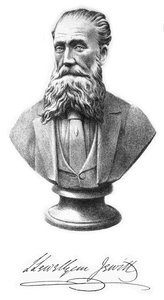
Frederick William Fairholt
1814 - 1866 , United Kingdom
Kratke činjenice
- Date Of Birth: 1814
- Date Of Death: 1866
- Full Name: Frederick William Fairholt
- Nationality: British
- Notable Artworks:
- Tobacco, its history and association
- Gog and Magog
- Up the Nile and home again
- Costume in England
- Place Of Birth: London, United Kingdom