

 Pregledaj u prostoru
 Pošalji
 Podeli
 Detalji o delu

 Преузми
 Slični predmeti
 Rendgenski snimak
 Slajdovi
 Statistika
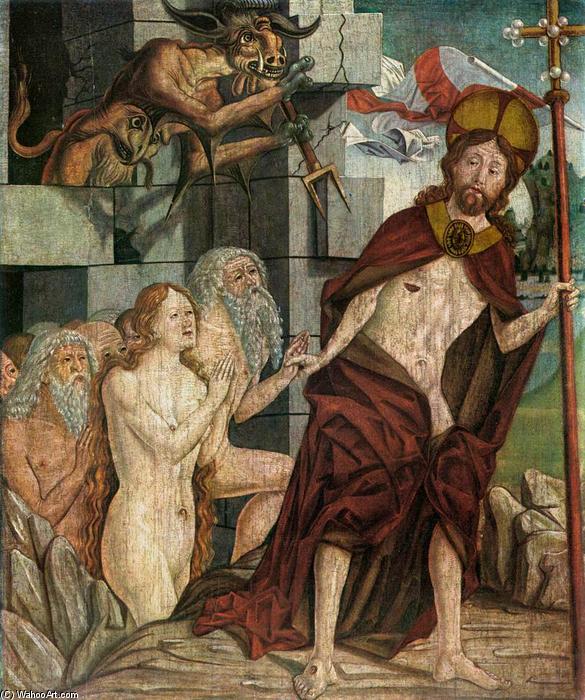
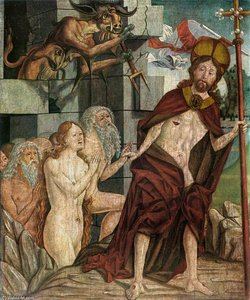
Christ in Limbo
 1460
1460 85.0 x 71.0 cm
 Szépművészeti Múzeum
 Pročitaj više
Ručno rađena uljana reprodukcija
Ručno oslikano uljanim bojama na platnu u dimenzijama i okviru po vašem izboru, izrađeno po porudžbini od strane naših umetnika. ( Pređi na štampu Pređi na digitalnu sliku)




































Izaberite jednu od naših unapred definisanih veličina koje odgovaraju originalnim proporcijama umetničkog dela.

Можете унети сопствене димензије како бисте прилагодили дело одређеном оквиру или простору. Ако одабрана величина не одговара пропорцијама оригинала, слика ће бити исечена или проширена додатним елементима који се ручно насликавају. Дигитални prikaz ће вам бити послат на одобрење пре почетка производње.
Имајте на уму да преглед на екрану не одражава стварно исецање или проширење. Само приказ (mockup) ће тачно приказати коначну композицију.
Иако су доступне прилагођене величине, препоручујемо да одаберете димензију из дефинисане листе како бисте сачували оригиналне пропорције.
Nakon narudžbine, tim ArtsDot.com će klijentu putem e-pošte poslati uputstva i dostaviti prikaz predloženog rešenja
Isporuka širom sveta () za 3/4 nedelje umesto uobičajenih 5 nedelja. (9 септембар). Bez kompromisa po pitanju kvaliteta.

Besplatna ekspresna dostava širom sveta

Visokokvalitetno laneno platno

Kompletno osiguranje transporta

Garancija povraćaja carine i uvoznih dažbina

Garancija vernosti boja

Politika povraćaja u roku od 100 dana (isključivo u slučaju nedostataka)

Garancija povrata novca od 100%

Popust pri grupnoj kupovini
 Opcija sa staklom dostupna je samo za dimenzije manje od 110 cm

Christ in Limbo
Tehnika reprodukcije
Dimenzije reprodukcije
-


Konačna cena
$ 263
Srodna umetnička dela
Biografija umetnika
The Radiant Legacy of Friedrich Pacher
In the twilight of the fifteenth century, a period defined by the breathtaking collision of Northern European Gothic tradition and the burgeoning light of the Italian Renaissance, the name Friedrich Pacher emerged as a beacon of artistic mastery. Born in the vibrant cultural landscape of Novellara, Italy, around 1474, Pacher’s life was a bridge between two worlds. His journey from the Italian peninsula to the heart of Tyrol, Austria, allowed him to weave together the intricate, spiritual fervor of the Germanic North with the newfound anatomical realism and perspectival depth flowing from the Italian South. This unique synthesis would eventually define his legacy, transforming him into one of the most celebrated painters of the late Quattrocento.
The early years of Pacher’s career were marked by a profound apprenticeship that shaped his technical prowess. While historical records suggest he may have received foundational training under Giovanni Battista Sant’Anna in Cremona—a significant center for Renaissance innovation—his connection to the influential workshop of Michael Pacher remains a subject of intense scholarly debate and fascination. Evidence suggests that Friedrich likely operated within this prestigious Tyrolean workshop, contributing to monumental projects such as the frescoes at St. Paul im Lavanttal. This period of collaboration allowed him to absorb the complex compositional structures of the late Gothic style while simultaneously experimenting with the subtle refinements of Florentine art, creating a stylistic temperament that was uniquely his own.
A Masterpiece of Divine Symbolism
Pacher’s artistic zenith is perhaps most vividly captured in his monumental altarpieces, works that served not merely as decorations but as profound windows into the divine. His magnum opus, The Coronation of the Virgin, completed in 1503 for St. Wolfgang Abbey, stands as a testament to his ability to command both scale and emotion. In this colossal work, the viewer is met with a breathtaking panorama where the celestial and the terrestrial converge. The central panel, depicting Mary accepting her crown from Saint Peter, is a masterclass in Gothic splendor; every figure is rendered with meticulous detail, yet they are imbued with a spiritual weight that transcends the physical medium of oil on panel.
Beyond the celestial triumphs, Pacher possessed a remarkable capacity for depicting human suffering and dramatic tension. In works such as The Martyrdom of St. Lawrence, he utilized the dramatic interplay of light and shadow to evoke the visceral reality of the saint’s sacrifice. His ability to balance the rigid, symbolic conventions of medieval religious art with the emerging Renaissance interest in anatomical accuracy allowed him to create narratives that were both intellectually profound and emotionally accessible. This duality is what makes his oeuvre so enduring; he could navigate the complex iconography of the Church while capturing the raw, human essence of his subjects.
Historical Significance and Artistic Enduring Spirit
Though his life was tragically short, ending in 1508, Friedrich Pacher left an indelible mark on the artistic landscape of Central Europe. His significance lies in his role as a cultural conduit, translating the sophisticated aesthetic language of the Italian Renaissance for a Northern audience. He did not merely imitate foreign styles; he integrated them into the existing Gothic framework to create something entirely new and culturally resonant for the Habsburg court and the religious institutions of Tyrol.
Today, the works of Friedrich Pacher continue to serve as vital touchstones for art historians seeking to understand the transition from the Middle Ages to the Modern era. His contributions can be summarized through several key artistic pillars:
- Stylistic Synthesis: The seamless blending of Northern Gothic intricacy with Italian Renaissance perspective and realism.
- Devotional Impact: The creation of monumental altarpieces that functioned as powerful tools for religious meditation and spiritual awe.
- Technical Mastery: An exceptional command over detail, color, and the symbolic use of light in oil painting.
- Cultural Bridge: Acting as a pivotal figure in bringing the innovations of the Italian South to the influential courts of Austria and Germany.
As we gaze upon the surviving fragments of his brilliance, from the delicate faces of angels to the dramatic scenes of martyrdom, we witness the work of an artist who lived at the very edge of a changing world, capturing the eternal in the midst of profound historical transformation.
friedrich pacher
1474 - 1508 , Italy
Osnovne informacije
- Artistic Movement Or Style: Early Renaissance
- Artists Or Movements Influenced By This Artist: Gothic art
- Artists Who Influenced This Artist: Italian Renaissance art
- Date Of Birth: Novellara, Italy (1474)
- Date Of Death: 1508
- Full Name: Friedrich Pacher
- Nationality: Austrian
- Notable Artworks:
- Wolfgang asks for a miracle
- The Martyrdom of St. Lawrence
- The Coronation of the Virgin
- Place Of Birth: Austria