

 Pregledaj u prostoru
 Pošalji
 Podeli
 Detalji o delu

 Преузми
 Slični predmeti
 Rendgenski snimak
 Slajdovi
 Statistika
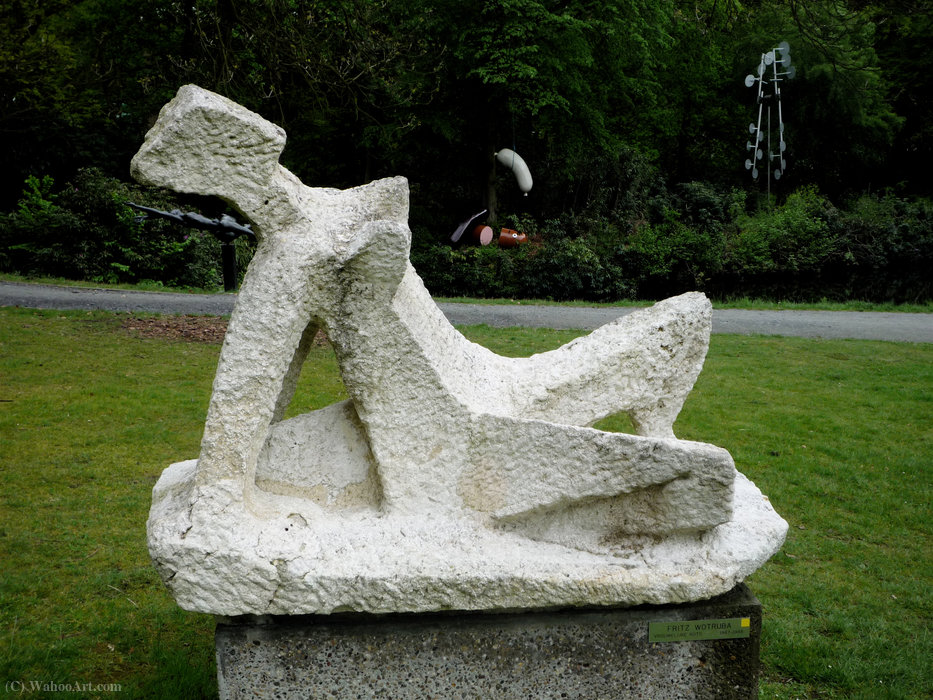
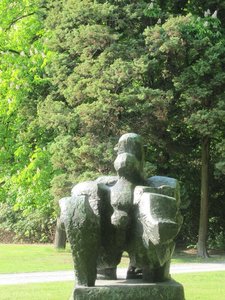
Frauliche felsen, (3) (1948)

 Pročitaj više
Kupite digitalnu sliku visoke rezolucije i poboljšanog kvaliteta, koja je znatno superiornija od onoga što vidite u online prikazu.
Svaka datoteka je pedantno pripremljena od strane naših stručnjaka koristeći napredne alate i profesionalnu ručnu retušu. Osiguravamo da svaka slika ima izuzetnu oštrinu, preciznu reprodukciju boja i fine detalje.
Konačna datoteka se dostavlja putem e-pošte u roku od 72 sata, optimizovana za neposrednu upotrebu u profesionalnim, izdavačkim i štamparskim okruženjima. To je isti kvalitet kojem veruju vrhunski studiji dizajna, izdavači i galerije.
Digitalna slika
Preuzmite datoteku visoke rezolucije za ličnu upotrebu, štampanje i kreativne projekte. ( Pređi na štampu Kupi ručno naslikanu sliku)
Uključeno uz svaku porudžbinu digitalne slike
Profesionalna digitalna isporuka, zagarantovana
Kada odaberete ArtsDot.com, ne dobijate samo sliku – vi primate profesionalno unapređeno digitalno umetničko delo, izrađeno sa najvećom preciznošću i uz garanciju zadovoljstva. Evo svega što automatski dolazi uz vašu porudžbinu:

Brza dostava putem e-pošte
Vaša digitalna slika visoke rezolucije biće vam poslata putem e-pošte u roku od 72 sata od poručivanja – spremna za trenutnu upotrebu.

Digitalna datoteka unapređena veštačkom inteligencijom
Vaše umetničko delo je profesionalno optimizovano korišćenjem naprednih AI alata i ručne obrade, čime se osiguravaju maksimalni detalji, oštrina i preciznost boja.

Besplatna ponovna isporuka doživotno
Slučajno ste obrisali ili izgubili svoju datoteku? Ne brinite – poslaćemo vam je ponovo u bilo kom trenutku, potpuno besplatno.

Bez troškova uvoza – zauvek
Uživajte u svojim umetničkim delima trenutno, bez carine, dažbina ili troškova dostave – digitalni download je uvek bez poreza.

Garancija vernosti boja
Uz pomoć profesionalnih alata i upravljanja bojama, osiguravamo da vaša digitalna slika što vernije odražava originalne boje.

Garancija zadovoljstva od 100 dana
Ako niste zadovoljni svojom digitalnom slikom, izvršićemo reviziju ili ćemo vam vratiti 100% novca u roku od 100 dana – bez ikakvih pitanja.

100% garancija povrata novca
Niste zadovoljni? Dobijte puni povraćaj novca u roku od 100 dana od prijema digitalne datoteke – bez suvišnih pitanja.

Popusti na velike porudžbine
Kupite 3 slike, uštedite 10% - Kupite 5 slika, uštedite 15% - Kupite 10+ slika, uštedite 20%. Odlično za kreativne projekte, galerije i agencije.
Srodna umetnička dela

Biografija umetnika
Early Life and Formative Years: A Shadowed Beginning
Fritz Wotruba, born in Vienna in 1907, emerged from a childhood steeped in hardship and shadowed by familial turmoil. The youngest of eight children, his early life was far removed from the artistic circles he would later inhabit. His father, Adolf Wotruba, an immigrant tailor’s assistant from Bohemia, battled alcoholism and inflicted violence upon his family, creating an atmosphere of fear and instability. His mother, Maria Kocsi, originally from Hungary, worked as a maid, adding to the family's struggles. This difficult upbringing profoundly shaped Wotruba’s psyche, influencing not only his personal life but also the very essence of his artistic expression. The autobiographical accounts of Elias Canetti, who befriended Wotruba in 1933, offer poignant insights into this period, describing a home life marked by brutality and tension. Canetti noted that Wotruba’s elder brother met a tragic end after being imprisoned for armed robbery and murder, further contributing to the sense of unease surrounding the family. Interestingly, Canetti theorized that Wotruba's intense focus on sculpting stone was a subconscious defense mechanism against the trauma he experienced as a child – a way to impose order and permanence onto a chaotic world. The young Fritz found himself under police surveillance due to his brothers’ criminal records, adding another layer of complexity to his early existence.Artistic Training and Early Influences
Despite the challenges he faced, Wotruba pursued artistic training with dedication. From 1921 to 1925, he apprenticed as an engraver in the workshop of Josef Schantin in Vienna, honing his technical skills and developing a meticulous attention to detail. This foundational experience would later inform his sculptural practice, even as he moved towards more abstract forms. He furthered his education at the Arts and Trades School of the Austrian Museum of Art and Industry from February to summer 1926, supplementing his formal training with evening courses in nude drawing. In the fall of that same year, Wotruba enrolled in sculpting studies at the school itself, becoming a student under the guidance of Anton Hanak – a pivotal figure in modern Austrian sculpture. Crucially, he received stipends from several organizations including the Vienna Society of Modern Art, the Austrian Chamber of Labor and the municipality of Vienna, secured through the advocacy of Anna Mahler, who became both his pupil and lover. These early supporters recognized Wotruba’s potential and provided him with the resources necessary to develop his unique artistic voice. The influence of Hanak is evident in Wotruba's initial works, which display a sensitivity to form and a willingness to explore emotional depth through sculpture.Evolution Towards Abstraction: Dissolving Form
Throughout his career, Fritz Wotruba’s artistic style underwent a significant transformation, moving progressively away from figurative representation towards geometric abstraction. While his early sculptures retained recognizable human forms, they were often distorted and imbued with a sense of inner turmoil – reflecting the emotional weight of his past. Over time, he increasingly sought to *dissolve* these figurative components, prioritizing pure form and spatial relationships. The cube emerged as a fundamental building block in his work, representing not merely a geometric shape but also a symbol of stability, order, and transcendence. This shift wasn’t abrupt; it was a gradual process of experimentation and refinement. He began to explore the interplay between positive and negative space, creating sculptures that were less about depicting objects and more about evoking feelings and ideas through their very structure. His work became characterized by its monumental scale, rough textures, and often fragmented compositions. This deliberate fragmentation can be interpreted as a reflection of his own fractured past, but also as a broader commentary on the disintegration of traditional values in the modern world.Major Achievements and The Wotruba Church
Fritz Wotruba achieved widespread recognition for his innovative sculptures and his contribution to 20th-century Austrian art. He exhibited extensively throughout Europe, gaining a reputation as one of the most important sculptors of his generation. However, perhaps his most enduring legacy is the Wotruba Church, officially known as the Church of Saint Leopold, built in Vienna between 1974 and 1976. This unique architectural structure, designed by Wotruba himself, features a series of concrete towers adorned with his distinctive abstract sculptures. The church is not merely a religious building; it’s a total work of art – a synthesis of sculpture, architecture, and spirituality. The rough, unfinished surfaces of the concrete and the fragmented forms of the sculptures create a powerful sense of raw energy and emotional intensity. It stands as a testament to Wotruba's belief in the power of art to transcend conventional boundaries and connect with something deeper within the human psyche. The church’s unconventional design initially faced criticism, but it has since become a celebrated landmark, attracting visitors from around the world. Beyond the church, his numerous public sculptures and installations throughout Austria cemented his position as a leading figure in postwar Austrian art.Historical Significance and Lasting Impact
Fritz Wotruba’s work holds a significant place in the history of 20th-century sculpture. He bridged the gap between figurative tradition and abstract expressionism, creating a unique artistic language that resonated with the anxieties and aspirations of his time. His sculptures are not simply objects to be admired; they are powerful statements about the human condition – exploring themes of trauma, fragmentation, spirituality, and the search for meaning in a chaotic world. His influence can be seen in the work of numerous contemporary sculptors who continue to explore the possibilities of abstraction and the interplay between form and space. Wotruba’s emphasis on materiality, his willingness to embrace imperfection, and his commitment to creating art that is both intellectually stimulating and emotionally resonant have left an indelible mark on the landscape of modern sculpture. He died in 1975, leaving behind a body of work that continues to inspire and challenge audiences today. His legacy extends beyond his sculptures; it lies in his unwavering dedication to artistic integrity and his belief in the transformative power of art.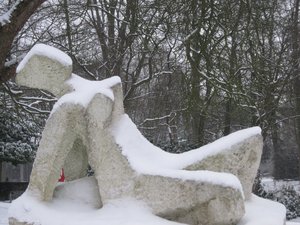
fritz wotruba
1907 - 1975
Kratke činjenice
- Artistic Movement Or Style: Geometric Abstraction
- Artists Who Influenced This Artist: ['Anton Hanak']
- Date Of Birth: 1907
- Date Of Death: 1975
- Full Name: Fritz Wotruba
- Nationality: Austrian
- Notable Artworks: ['Wotruba Church']
- Place Of Birth: Vienna, Austria