

 Pregledaj u prostoru
 Pošalji
 Podeli
 Detalji o delu

 Преузми
 Slični predmeti
 Rendgenski snimak
 Slajdovi
 Stats
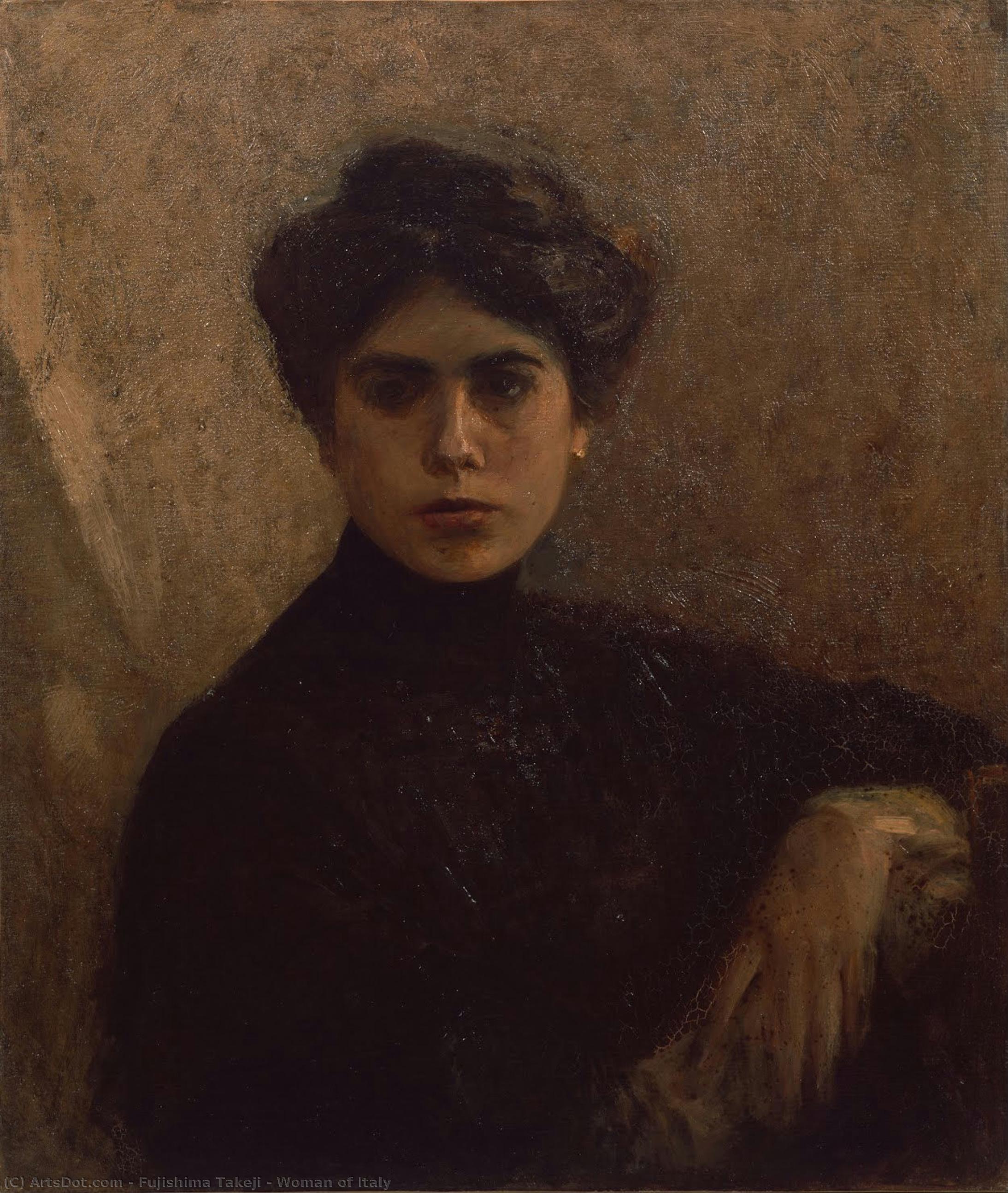
StatsWoman of Italy
 Post-Impressionism
 1909
1909 64.0 x 55.0 cm
 Pročitaj više
Kupite digitalnu sliku visoke rezolucije i poboljšanog kvaliteta, koja je znatno superiornija od onoga što vidite u online prikazu.
Svaka datoteka je pedantno pripremljena od strane naših stručnjaka koristeći napredne alate i profesionalnu ručnu retušu. Osiguravamo da svaka slika ima izuzetnu oštrinu, preciznu reprodukciju boja i fine detalje.
Konačna datoteka se dostavlja putem e-pošte u roku od 72 sata, optimizovana za neposrednu upotrebu u profesionalnim, izdavačkim i štamparskim okruženjima. To je isti kvalitet kojem veruju vrhunski studiji dizajna, izdavači i galerije.
Digitalna slika
Preuzmite datoteku visoke rezolucije za ličnu upotrebu, štampanje i kreativne projekte. ( Switch to Print Kupi ručno naslikanu sliku)
Uključeno uz svaku porudžbinu digitalne slike
Profesionalna digitalna isporuka, zagarantovana
Kada odaberete ArtsDot.com, ne dobijate samo sliku – vi primate profesionalno unapređeno digitalno umetničko delo, izrađeno sa najvećom preciznošću i uz garanciju zadovoljstva. Evo svega što automatski dolazi uz vašu porudžbinu:

Brza dostava putem e-pošte
Vaša digitalna slika visoke rezolucije biće vam poslata putem e-pošte u roku od 72 sata od poručivanja – spremna za trenutnu upotrebu.

Digitalna datoteka unapređena veštačkom inteligencijom
Vaše umetničko delo je profesionalno optimizovano korišćenjem naprednih AI alata i ručne obrade, čime se osiguravaju maksimalni detalji, oštrina i preciznost boja.

Besplatna ponovna isporuka doživotno
Slučajno ste obrisali ili izgubili svoju datoteku? Ne brinite – poslaćemo vam je ponovo u bilo kom trenutku, potpuno besplatno.

Bez troškova uvoza – zauvek
Uživajte u svojim umetničkim delima trenutno, bez carine, dažbina ili troškova dostave – digitalni download je uvek bez poreza.

Garancija vernosti boja
Uz pomoć profesionalnih alata i upravljanja bojama, osiguravamo da vaša digitalna slika što vernije odražava originalne boje.

Garancija zadovoljstva od 100 dana
Ako niste zadovoljni svojom digitalnom slikom, izvršićemo reviziju ili ćemo vam vratiti 100% novca u roku od 100 dana – bez ikakvih pitanja.

100% garancija povrata novca
Niste zadovoljni? Dobijte puni povraćaj novca u roku od 100 dana od prijema digitalne datoteke – bez suvišnih pitanja.

Popusti na velike porudžbine
Kupite 3 slike, uštedite 10% - Kupite 5 slika, uštedite 15% - Kupite 10+ slika, uštedite 20%. Odlično za kreativne projekte, galerije i agencije.
Srodna umetnička dela
Biografija umetnika
A Bridge Between Worlds: The Life and Art of Fujishima Takeji
Fujishima Takeji, born in Kagoshima in 1867, emerged as a pivotal figure during a period of profound transformation in Japanese art. His life coincided with the rapid modernization of Japan following the Meiji Restoration, an era that witnessed a fervent embrace of Western ideas alongside a deep reverence for traditional culture. This dynamic tension became the defining characteristic of Takeji’s artistic journey, positioning him at the forefront of the *yōga* movement – the adoption of Western painting techniques by Japanese artists. His early life, rooted in the samurai class through his father's lineage as a retainer to the Shimazu clan, instilled within him a sense of discipline and tradition that would subtly inform his later artistic explorations. Though initially studying traditional *nihonga* painting with Hirayama Tōgaku, Takeji felt an undeniable pull towards the innovations unfolding in Western art, leading him to Tokyo and a dedicated pursuit of oil painting under masters like Yamamoto Hōsui and Yukihiko Soyama.Forging a New Aesthetic: Romanticism, Impressionism, and Art Nouveau
Takeji’s artistic style wasn't defined by strict adherence to any single Western school but rather by a masterful synthesis of various influences. He absorbed the tenets of Romanticism, imbuing his works with a sense of emotional depth and dramatic narrative. This was coupled with an appreciation for Impressionism’s emphasis on capturing fleeting moments and the effects of light – though filtered through a distinctly Japanese sensibility. His 1891 debut piece, “Muzan” (Cruelty), garnered attention from the influential novelist Mori Ōgai, signaling his rising prominence within the art world. Later, a sojourn to Europe in 1905 proved transformative. Studying under Fernand Cormon and Carolus-Duran in Paris and Italy respectively, he honed his technical skills while further refining his artistic vision. The influence of Art Nouveau began to subtly weave its way into his compositions, adding an element of decorative elegance and flowing lines. This unique blend resulted in a style that was both distinctly Japanese and undeniably modern – a harmonious fusion of East and West. Works like “Woman of Italy” (1909) beautifully demonstrate this synthesis, showcasing Western portraiture techniques applied to a subject imbued with a delicate Japanese aesthetic.Themes and Techniques: A Celebration of Beauty and Nostalgia
Throughout his career, Fujishima Takeji consistently explored themes that resonated deeply within the Japanese cultural landscape. He frequently depicted women – often historical figures or idealized representations of feminine beauty – rendered with a sensitivity and grace that captivated audiences. Flowers, butterflies, and landscapes also featured prominently in his oeuvre, serving as vehicles for expressing both aesthetic pleasure and subtle emotional undertones. “From the Notebooks: Mourning for Butterflies” exemplifies this approach; its delicate watercolor rendering evokes a sense of wistful melancholy and fleeting beauty, reminiscent of *ukiyo-e* prints yet executed with a distinctly Western painterly technique. His landscapes, such as "Distant View of Awajishima" (1929), are not merely representations of scenery but rather evocative mood pieces that capture the serene atmosphere and subtle nuances of the natural world. Takeji’s technical mastery was evident in his skillful handling of oil paint and watercolor, achieving a remarkable balance between realism and expressive brushwork.Legacy and Influence: Shaping Modern Japanese Art
Fujishima Takeji's impact on the development of modern Japanese painting is undeniable. As a professor at the Tokyo Art School and a member of the Imperial Art Academy, he played a crucial role in shaping the next generation of artists. While not directly involved with the *nihonga* movement – which sought to revitalize traditional Japanese art forms – his work within the *yōga* sphere indirectly influenced its development by demonstrating the possibilities of incorporating Western techniques while retaining a distinctly Japanese identity. He paved the way for other artists to explore new avenues of artistic expression, bridging the gap between tradition and modernity. His recognition with the prestigious Order of Culture in 1937 solidified his position as one of Japan’s most important artists. Today, his works are held in prominent collections, including the Fujikawa Galleries in Japan, continuing to inspire and captivate audiences with their timeless beauty and enduring artistic significance. He remains a testament to the power of cross-cultural exchange and the transformative potential of art.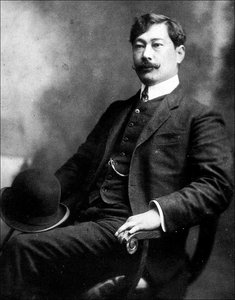
Fujishima Takeji
1867 - 1943 , Japan
Kratke činjenice
- Artistic Movement Or Style:
- Yōga
- Post-Impressionism
- Art Nouveau
- Romanticism
- Artists Or Movements Influenced By This Artist: ['Nihonga movement']
- Artists Who Influenced This Artist:
- Yamamoto Hōsui
- Kuroda Seiki
- Date Of Birth: October 15, 1867
- Date Of Death: 1943
- Full Name: Fujishima Takeji
- Nationality: Japanese
- Notable Artworks:
- Mourning for Butterflies
- Woman of Italy
- Distant View Awajishima
- Place Of Birth: Kagoshima, Japan