

 Pregledaj u prostoru
 Pošalji
 Podeli
 Detalji o delu

 Преузми
 Slični predmeti
 Rendgenski snimak
 Slajdovi
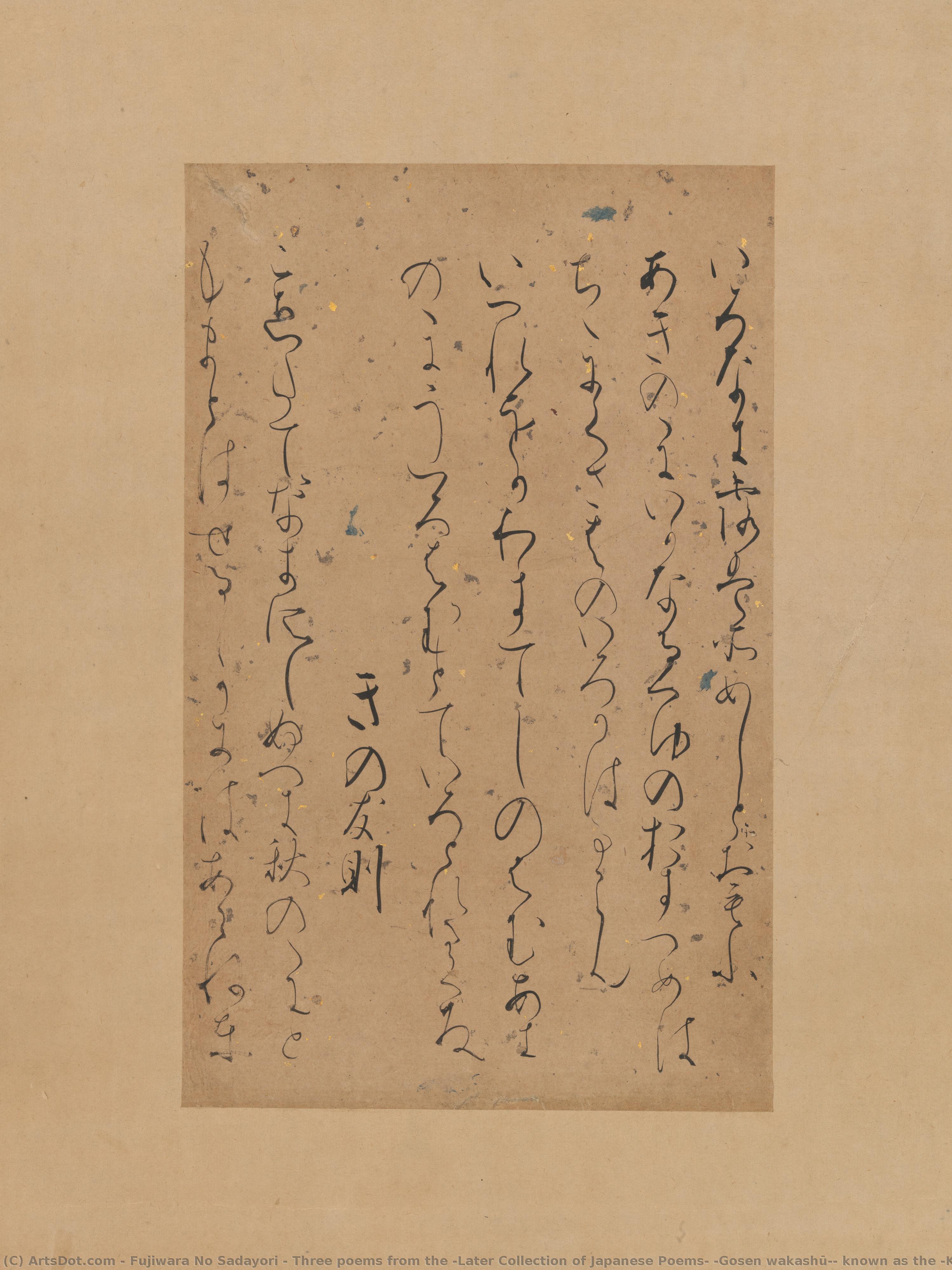
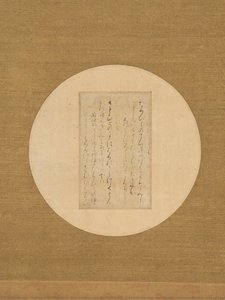
Three poems from the “Later Collection of Japanese Poems” (Gosen wakashū), known as the “Karasumaru Fragment” (Karasumaru-gire)
 Heian Period
 1101
1101 21.0 x 13.0 cm
 Pročitaj više
Ručno rađena uljana reprodukcija
Ručno oslikano uljanim bojama na platnu u dimenzijama i okviru po vašem izboru, izrađeno po porudžbini od strane naših umetnika. ( Kupi print Kupi digitalnu sliku)




P118B $10

P118H $10

P118W $10

P438Z $10

P508JH $12

P508YH $12

P805H $10

P805Z $10

P919BZ $10

P919G $10

P919XJ $10

P959ZH $10

P968JZ $12

W106C $8

W218G $10

W218JH $8

W218Y $10

W307PJ $10

W316G $10

W316PJ $8

W316Y $10

W398PJ $8

W4111J $10

W500HY $15

W500JH $15

W692G $12

W849H $8

W940BG $15

W953PJ $8




Izaberite jednu od naših unapred definisanih veličina koje odgovaraju originalnim proporcijama umetničkog dela.

Можете унети сопствене димензије како бисте прилагодили дело одређеном оквиру или простору. Ако одабрана величина не одговара пропорцијама оригинала, слика ће бити исечена или проширена додатним елементима који се ручно насликавају. Дигитални prikaz ће вам бити послат на одобрење пре почетка производње.
Имајте на уму да преглед на екрану не одражава стварно исецање или проширење. Само приказ (mockup) ће тачно приказати коначну композицију.
Иако су доступне прилагођене величине, препоручујемо да одаберете димензију из дефинисане листе како бисте сачували оригиналне пропорције.
Nakon narudžbine, tim ArtsDot.com će klijentu putem e-pošte poslati uputstva i dostaviti prikaz predloženog rešenja
Isporuka širom sveta () za 3/4 nedelje umesto uobičajenih 5 nedelja. (7 септембар). Bez kompromisa po pitanju kvaliteta.

Besplatna ekspresna dostava širom sveta

Visokokvalitetno laneno platno

Kompletno osiguranje transporta

Garancija povraćaja carine i uvoznih dažbina

Garancija vernosti boja

Politika povrata u roku od 100 dana (samo u slučaju nedostataka)

Garancija povrata novca od 100%

Popust pri grupnoj kupovini
 Opcija sa staklom dostupna je samo za dimenzije manje od 110 cm

Three poems from the “Later Collection of Japanese Poems” (Gosen wakashū), known as the “Karasumaru Fragment” (Karasumaru-gire)
Tehnika reprodukcije
Dimenzije reprodukcije
-


Konačna cena
$ 263
Srodna umetnička dela
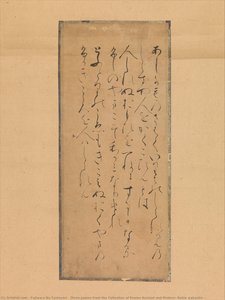
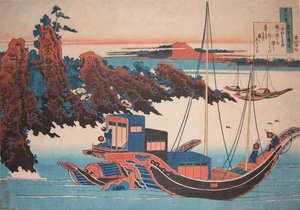
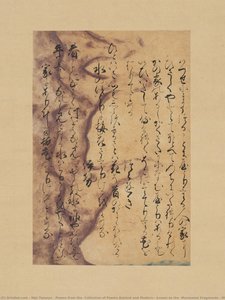
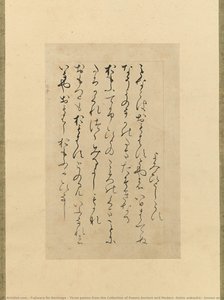
Biografija umetnika
A Legacy of Elegance: The Life and Art of Fujiwara no Sadayori
In the golden twilight of the mid-Heian period, a time when the Japanese imperial court flourished in unparalleled refinement, there emerged a figure whose artistry would become synonymous with the very essence of classical beauty. Fujiwara no Sadayori, born in 995, was not merely a participant in this cultural renaissance but one of its most luminous architects. As the eldest son of the legendary poet and scholar Fujiwara no Kintō, and a descendant of Emperor Murakami through his maternal lineage, Sadayori was born into the heart of Japan's political and literary aristocracy. His life was a seamless tapestry woven from threads of administrative duty and poetic devotion, moving from the disciplined role of Director for Military Affairs to the prestigious position of Middle Counselor.
The artistry of Sadayori was never confined to a single medium; rather, it flowed between the rhythmic precision of waka poetry and the graceful movement of calligraphy. To understand his work is to understand the Heian aesthetic—a pursuit of mono no aware, or a sensitive awareness of the impermanence of things. His poetry, characterized by an exquisite simplicity and an evocative use of natural imagery, sought to capture the fleeting moments of existence with profound emotional depth. This mastery was recognized by his peers and posterity alike, earning him a place among the Late Classical Thirty-Six Immortals of Poetry, a prestigious canon that celebrates the most transcendent voices in Japanese history.
The Poetic Voice and Calligraphic Grace
Sadayori’s literary contributions are anchored by his inclusion in the most venerable imperial anthologies, with forty-five of his poems preserved for eternity. Perhaps his most enduring contribution to the Japanese canon is his poem featured as number 64 in the Ogura Hyakunin Isshu. This particular verse, which contemplates the dawn mists over the Uji River, serves as a masterclass in atmospheric suggestion. Through words that evoke the way river fog breaks apart to reveal the wooden pilings of a weir, he invites the reader into a world of subtle transitions and quiet beauty.
Beyond the spoken or written word, his physical hand left an indelible mark on the history of Japanese calligraphy. As a calligrapher, Sadayori was celebrated for a script that balanced strength with fluidity, helping to establish and standardize an orthodox courtly style. His work is often preserved in precious fragments, such as the Ōe-gire, where the ink on paper reflects a disciplined yet soulful energy. This intersection of literature and visual art—where the shape of a character carries as much emotional weight as the meaning of the poem itself—is what defines his unique artistic identity.
Historical Significance and Enduring Influence
The significance of Fujiwara no Sadayori extends far beyond the borders of the Heian court. He represented the pinnacle of a cultural era where art, lineage, and governance were inextricably linked. His ability to navigate the complexities of imperial politics while maintaining the purity of his artistic vision provided a model for the scholar-official that would influence Japanese nobility for centuries. His private collections and the fragments of his work that survive today serve as vital windows into the aesthetic values of a lost age.
Today, the legacy of Sadayori continues to resonate through the study of classical Japanese literature and the appreciation of traditional calligraphy. His influence can be traced through:
- The Canon of Waka: His presence in the Shūishū and other imperial anthologies ensures his voice remains a foundational element of Japanese poetic identity.
- Calligraphic Tradition: The precision and elegance of his script continue to inspire practitioners of Japanese calligraphy, emphasizing the harmony between form and spirit.
- Cultural Heritage: His life stands as a testament to the sophisticated cultural ecosystem of the Heian period, where the beauty of nature was captured through the refined lens of aristocratic devotion.
In every delicate stroke of ink and every carefully chosen metaphor, Fujiwara no Sadayori remains an eternal symbol of the grace, simplicity, and profound emotional resonance that define the heart of Japanese classical art.
fujiwara no sadayori
1045 , Japan
Osnovne informacije
- Artistic Movement Or Style: Waka Poetry & Calligraphy
- Date Of Death: 1045
- Full Name: Fujiwara no Sadayori
- Nationality: Japanese
- Notable Artworks: ['Asaborake']
- Place Of Birth: Kyoto, Japan
Povezani članci
Japonisme: How Japanese Woodblock Prints Revolutionized Western Art
Explore the profound impact of Japonisme on Western art. Discover how Japanese ukiyo-e woodblock prints revolutionized perspective, color, and composition for masters like Monet and Van Gogh, forever changing the course of modern art history.
Serenity on Canvas: A Guide to the Timeless Beauty of Japanese Landscape Painting
Discover the serene beauty of Japanese landscape painting. From Hokusai's iconic woodblock prints to meditative sumi-e ink washes, explore a visual journey through the 'floating world' and learn how to bring this timeless Zen aesthetic into your modern home decor.

Katsushika Hokusai: 25 Remek-dela Japanskog Umetnika za Vaš Dom | ArtsDot
Uronite u svet Katsushike Hokusaija! Otkrijte 25 remek-dela japanskog umetnika, uključujući čuveni 'Veliki talas'. Ukiyo-e štampe, pejzaži i istorija iza svakog dela. Pronađite inspiraciju za dekor enterijera i kupite reprodukcije slika vrhunskog kvaliteta na ArtsDot.com.

Floating World: The Captivating Art and Legacy of Japanese Ukiyo-e
Explore the profound beauty of Japanese Ukiyo-e. Discover the history, masters like Hokusai, and the enduring legacy of the 'Floating World' through an expert art-historical lens.
Serene Zen: Transforming Your New Home with the Timeless Elegance of Japanese Landscape Art
Transform your new home into a sanctuary of peace with stunning Japanese landscape art. Discover the beauty of Ukiyo-e and hand-painted Zen masterpieces designed to bring harmony and timeless elegance to your shared space. Expertly curated for modern lovers of fine art.