

 Pregledaj u prostoru
 Pošalji
 Podeli
 Detalji o delu

 Преузми
 Slični predmeti
 Rendgenski snimak
 Slajdovi
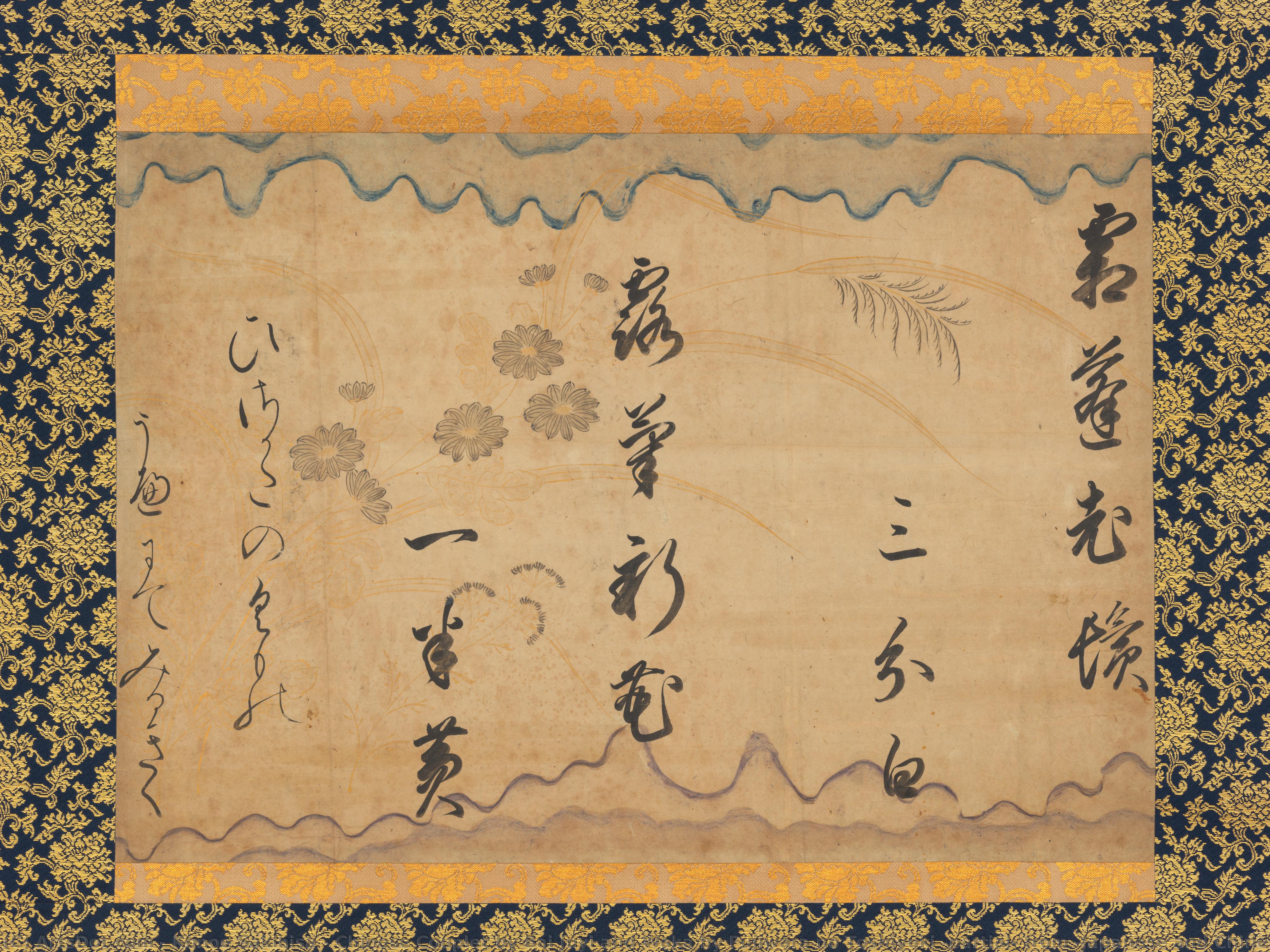
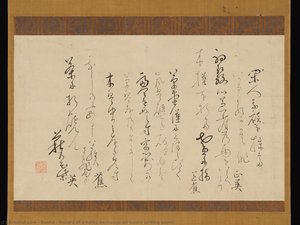
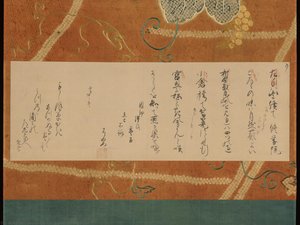
Chinese Couplet by Bai Juyi and Waka by Fujiwara no Toshiyuki (partial) from “Japanese and Chinese Poems to Sing” (Wakan rōeishū)
 Ink On Paper
- Momoyama
 601
601- Early Modern
 33.0cm x 47.0cm
 Pročitaj više
Ručno rađena uljana reprodukcija
Ručno oslikano uljanim bojama na platnu u dimenzijama i okviru po vašem izboru, izrađeno po porudžbini od strane naših umetnika. ( Kupi print Kupi digitalnu sliku)




P118B $10

P118H $10

P118W $10

P438Z $10

P508JH $12

P508YH $12

P805H $10

P805Z $10

P919BZ $10

P919G $10

P919XJ $10

P959ZH $10

P968JZ $12

W106C $8

W218G $10

W218JH $8

W218Y $10

W307PJ $10

W316G $10

W316PJ $8

W316Y $10

W398PJ $8

W4111J $10

W500HY $15

W500JH $15

W692G $12

W849H $8

W940BG $15

W953PJ $8




Izaberite jednu od naših unapred definisanih veličina koje odgovaraju originalnim proporcijama umetničkog dela.

Можете унети сопствене димензије како бисте прилагодили дело одређеном оквиру или простору. Ако одабрана величина не одговара пропорцијама оригинала, слика ће бити исечена или проширена додатним елементима који се ручно насликавају. Дигитални prikaz ће вам бити послат на одобрење пре почетка производње.
Имајте на уму да преглед на екрану не одражава стварно исецање или проширење. Само приказ (mockup) ће тачно приказати коначну композицију.
Иако су доступне прилагођене величине, препоручујемо да одаберете димензију из дефинисане листе како бисте сачували оригиналне пропорције.
Nakon narudžbine, tim ArtsDot.com će klijentu putem e-pošte poslati uputstva i dostaviti prikaz predloženog rešenja
Isporuka širom sveta () za 3/4 nedelje umesto uobičajenih 5 nedelja. (31 август). Bez kompromisa po pitanju kvaliteta.

Besplatna ekspresna dostava širom sveta

Visokokvalitetno laneno platno

Kompletno osiguranje transporta

Garancija povraćaja carine i uvoznih dažbina

Garancija vernosti boja

Politika povrata u roku od 60 dana (samo u slučaju nedostataka)

Garancija povrata novca od 100%

Popust pri grupnoj kupovini
 Opcija sa staklom dostupna je samo za dimenzije manje od 110 cm

Chinese Couplet by Bai Juyi and Waka by Fujiwara no Toshiyuki (partial) from “Japanese and Chinese Poems to Sing” (Wakan rōeishū)
Tehnika reprodukcije
Dimenzije reprodukcije
-


Konačna cena
$ 263
Key Points:
- Artist: Konoe Sakihisa
- Painting Title: Chinese Couplet by Bai Juyi and Waka by Fujiwara no Toshiyuki (partial) from “Japanese and Chinese Poems to Sing” (Wakan rōeishū)
- Medium: Paper
- Date: 601
- Museum: Not specified
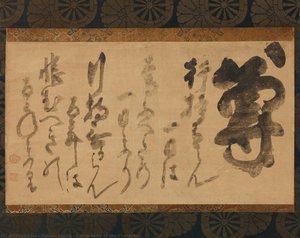
Srodna umetnička dela

Biografija umetnika
biography and artistic contributions
konoe sakihisa, a japanese court noble, lived from 1536 to 1612, spanning the sengoku, azuchi–momoyama, and early edo periods. as a member of the influential konoe family, a branch of the fujiwara clan, sakihisa's life was marked by significant political and military roles. early life and family born in 1536, sakihisa was the son of regent taneie, positioning him within the upper echelons of japanese nobility. his family's legacy played a crucial role in his early life, setting the stage for his future endeavors.artistic and political involvement
- konoe sakihisa served as kampaku-sadaijin and daijō-daijin, reflecting his rise to junior first rank.
- he was a key figure in the konoe family's interactions with prominent daimyōs (feudal lords) of the time.
- sakihisa found favor with oda nobunaga and accompanied him on campaigns, further solidifying his position within japan's complex political landscape.
notable artistic connections and legacy
- konoe sakihisa's daughter, sakiko, was adopted by toyotomi hideyoshi, later becoming a consort to emperor go-yōzei and giving birth to emperor go-mizunoo.
- in 1582, sakihisa received the appointment as daijō daijin, a position he later resigned from the same year.
- his adoption of hashiba (later toyotomi) hideyoshi in 1585 granted hideyoshi fujiwara legitimacy, paving the way for his appointment as kampaku.
art movement influences and legacy
while primarily known for his political and military roles, konoe sakihisa's influence on japanese art, particularly through his connections with the konoe family's artistic patronage, is noteworthy. the kanō school style art movement, which dominated japanese painting during this period, reflects the era's emphasis on vibrant colors and gold leaf, characteristic of the nobility's decorative preferences.- for a deeper understanding of the kanō school style art movement, visit the kanō school style art movement.
- explore the influence of chinese painting on japanese art through kanō masanobu's works, such as zhou maoshu appreciating lotuses.
- discover the ukiyo-e art movement, which flourished during the edo period, at the museum of fine arts (gifu, japan) and its collection.
conclusion
konoe sakihisa's life, though marked by political and military service, indirectly influenced the artistic landscape of japan's sengoku, azuchi–momoyama, and early edo periods. his connections with prominent figures like oda nobunaga and toyotomi hideyoshi further solidify his place in japanese history.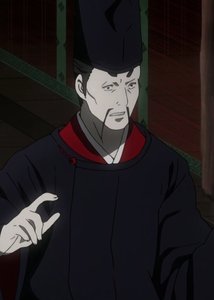
Konoe Sakihisa
1536 - 1612 , Japan
Osnovne informacije
- Artistic Movement Or Style: Kanō school style
- Artists Or Movements Influenced By This Artist: ['Momoyama art']
- Artists Who Influenced This Artist: ['Kanō School']
- Date Of Birth: 1536
- Date Of Death: 1612
- Full Name: Konoe Sakihisa
- Nationality: Japanese
- Notable Artworks:
- Chinese Couplet
- Waka by Fujiwara no Toshiyuki
- Place Of Birth: Nakamura, Japan
Povezani članci
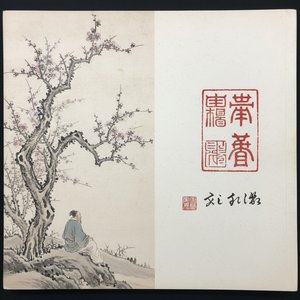
Xie Zhiliu: A Legacy of Ink Wash Painting & Modern Chinese Literati Tradition
Explore the legacy of Xie Zhiliu, a master of Chinese ink wash painting & prominent figure in modern art. Discover his techniques, influences, and contributions to literati tradition. A guide for discerning collectors.

Katsushika Hokusai: 25 Remek-dela Japanskog Umetnika za Vaš Dom | ArtsDot
Uronite u svet Katsushike Hokusaija! Otkrijte 25 remek-dela japanskog umetnika, uključujući čuveni 'Veliki talas'. Ukiyo-e štampe, pejzaži i istorija iza svakog dela. Pronađite inspiraciju za dekor enterijera i kupite reprodukcije slika vrhunskog kvaliteta na ArtsDot.com.
Floating World: The Captivating Art and Legacy of Japanese Ukiyo-e
Explore the profound beauty of Japanese Ukiyo-e. Discover the history, masters like Hokusai, and the enduring legacy of the 'Floating World' through an expert art-historical lens.
Utagawa Kuniyoshi: A Master of Japanese Ukiyo-e – Narrative Innovation & the Fusion of Tradition with Popular Culture
Explore the captivating world of Utagawa Kuniyoshi, a master of Japanese ukiyo-e woodblock prints. Discover his innovative warrior scenes, vibrant landscapes & lasting legacy in 19th-century art history.
Léonard Foujita: A Poetic Synthesis of Japanese Sensibility & European Modernism
Discover the captivating world of Léonard Foujita, a master bridging Japanese aesthetics & European Modernism. Explore his signature style, diverse works, and enduring legacy – essential reading for discerning art collectors.

