

 Pošalji
 Podeli
 Detalji o delu

 Преузми
 Slični predmeti
 Slajdovi
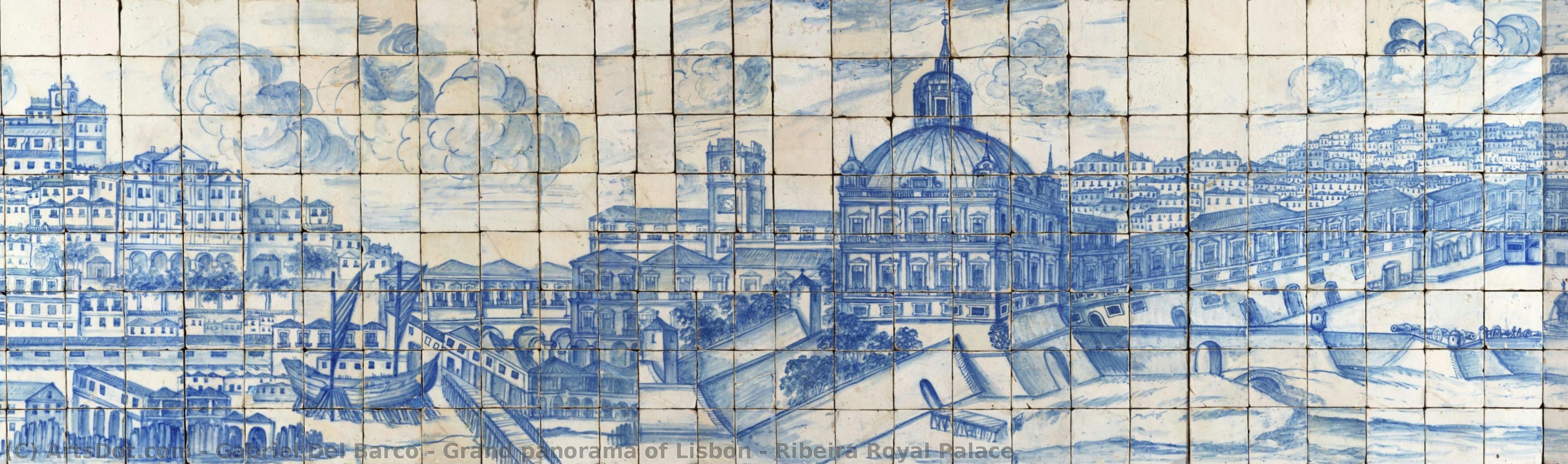
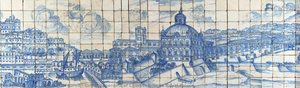
Grand panorama of Lisbon - Ribeira Royal Palace
 Ceramic
- Sculpture
- Baroque
 1700
1700- Early Modern
 114.0 x 2247.0 cm
 Nacionalni muzej azuleja
 Pročitaj više
Ručno rađena uljana reprodukcija
Ručno oslikano uljanim bojama na platnu u dimenzijama i okviru po vašem izboru, izrađeno po porudžbini od strane naših umetnika. ( Kupi print Kupi digitalnu sliku)




































Izaberite jednu od naših unapred definisanih veličina koje odgovaraju originalnim proporcijama umetničkog dela.

Можете унети сопствене димензије како бисте прилагодили дело одређеном оквиру или простору. Ако одабрана величина не одговара пропорцијама оригинала, слика ће бити исечена или проширена додатним елементима који се ручно насликавају. Дигитални prikaz ће вам бити послат на одобрење пре почетка производње.
Имајте на уму да преглед на екрану не одражава стварно исецање или проширење. Само приказ (mockup) ће тачно приказати коначну композицију.
Иако су доступне прилагођене величине, препоручујемо да одаберете димензију из дефинисане листе како бисте сачували оригиналне пропорције.
Nakon narudžbine, tim ArtsDot.com će klijentu putem e-pošte poslati uputstva i dostaviti prikaz predloženog rešenja
Isporuka širom sveta () za 3/4 nedelje umesto uobičajenih 5 nedelja. (2 септембар). Bez kompromisa po pitanju kvaliteta.

Besplatna ekspresna dostava širom sveta

Visokokvalitetno laneno platno

Kompletno osiguranje transporta

Garancija povraćaja carine i uvoznih dažbina

Garancija vernosti boja

Politika povrata u roku od 60 dana (samo u slučaju nedostataka)

Garancija povrata novca od 100%

Popust pri grupnoj kupovini
 Opcija sa staklom dostupna je samo za dimenzije manje od 110 cm

Grand panorama of Lisbon - Ribeira Royal Palace
Tehnika reprodukcije
Dimenzije reprodukcije
-


Konačna cena
$ 263
Srodna umetnička dela



Biografija umetnika
The Visionary of Lisbon: The Artistry of Gabriel del Barco
In the golden twilight of the seventeenth century, a master emerged from the streets of Madrid to reshape the visual landscape of Portugal. Gabriel del Barco, a figure whose life remains partially veiled by the mists of history, stands as a monumental pillar of the Baroque era. Though his early years are shrouded in relative obscurity, his arrival in Lisbon around 1669 signaled a transformative moment for Portuguese art. Trained under the watchful eye of the prominent painter Virgilio Barco Senior, del Barco inherited a profound legacy of dramatic illusionism and meticulous detail. This lineage of mastery allowed him to bridge the gap between Spanish tradition and the burgeoning aesthetic of the Portuguese court, creating a style that was as much about architectural grandeur as it was about emotional depth.
Del Barco’s early career in Lisbon was defined by his breathtaking command of scale. He quickly ascended to prominence through ambitious ceiling commissions, where he utilized the techniques of quadratura—the art of painting architectural perspectives—to dissolve the physical boundaries of a room. These expansive vistas were designed to transport the viewer upward, into a realm of celestial light and atmospheric depth. His ability to manipulate perspective was not merely a technical feat but a spiritual one, effectively creating a "bird's eye view" that offered a sense of divine oversight. This mastery of space would later become his hallmark, allowing him to capture the very soul of the city he came to call home.
A Legacy in Ceramic and Color
As his career matured, del Barco transitioned from the ephemeral heights of ceiling frescoes to the enduring permanence of tile painting. This evolution saw him become a pioneer of the azulejo tradition, a uniquely Portuguese medium where glazed ceramic tiles are assembled into intricate, narrative murals. In this medium, he found a new way to weave storytelling into the very fabric of architecture. His work in ceramics was characterized by a vibrant palette and a rhythmic arrangement of figures that breathed life into static walls. One of his most profound achievements lies in his ability to use the azulejo technique to document history itself.
The sheer scale of his decorative vision is perhaps best exemplified by his monumental panoramic depictions of Lisbon. These works serve as irreplaceable iconographic documents, capturing a city as it existed before the catastrophic earthquake of 1755. Through his tiles, we can wander through a lost world:
- The Grand Panorama of Lisbon: A staggering work measuring nearly 23 meters in length, documenting 14 kilometers of coastline from Algés to Xabregas.
- Architectural Preservation: His panels preserve the likenesses of St. George’s Castle, the Monastery of Jerónimos, and the Tower of Belém, providing a window into the pre-earthquake splendor of the Portuguese capital.
- The Pulse of Urban Life: Beyond mere architecture, his work captures the movement of the Ribeira Market, the activity of tide windmills, and the bustling energy of coaches and sedan chairs.
Symbolism and the Baroque Soul
Beyond the grand panoramas and architectural triumphs, del Barco possessed a rare ability to capture intimacy and quietude within the dramatic Baroque framework. In works such as "The Fisher of Hearts," painted in 1697, we see a departure from the monumental toward the melancholic. Here, the artist employs a palette of soothing blue tones to create a dreamlike atmosphere where time seems suspended. The composition focuses on a moment of profound stillness, using subtle gradations of pigment to master light and texture. This ability to balance the epic with the intimate—to move from the sweeping vistas of a coastline to the contemplative repose of a single figure—is what defines his true genius.
His narrative works, such as his interpretations of Ovid, further demonstrate his skill in ceramic storytelling. In these pieces, each tile functions as a miniature stage, capturing biblical or mythological scenes with a rhythmic vitality that guides the viewer's gaze across a mosaic landscape. Through this fusion of Spanish training and Portuguese medium, Gabriel del Barco did more than just paint; he created enduring legacies of color and light that continue to allow us to glimpse a vanished era of European splendor.
gabriel del barco
Spain
Osnovne informacije
- Artistic Movement Or Style: Baroque
- Date Of Birth: (Madrid)
- Date Of Death: Living
- Full Name: Gabriel del Barco
- Nationality: Spanish
- Notable Artworks: ['Grand panorama of Lisbon']
- Place Of Birth: Madrid, Spain
Povezani članci

Барокна драма: Уношење величине и емоција у савремене ентеријере
Откријте барокну драму и унесите величину у ваш ентеријер! ArtsDot нуди ручно насликане репродукције, персонализоване портрете и стручне консултације за љубитеље класичне уметности. Потражите савршено дело већ данас!

The Dramatic Flourish: Exploring the Baroque Movement's Enduring Legacy in Art History
Explore the dramatic world of Baroque art! Discover iconic artists like Caravaggio & Rubens, defining techniques, and its lasting impact on art history. Expert insights for collectors & enthusiasts at ArtsDot.

Barok Majstor dela: Top 10 Umjetničkih Remeka za Vaš Dom
Otkrijte 10 remek dela koja su definisala baroknu umetnost! Karavagio, Bernini i više – istražite priče iza ovih ikoničnih slika. Inspiracija za vaš dom? Pogledajte kolekciju na ArtsDot.com!

The Visceral Stage: Exploring Dramatic Narratives & Emotional Intensity in Baroque Art
Explore the dramatic world of Baroque art! Discover iconic masters like Caravaggio & Rembrandt, their techniques, and the movement's lasting impact. Expert insights for collectors & enthusiasts at ArtsDot.
Theatricality & Triumph: Baroque Drama in Painting & Sculpture
Explore the dramatic world of Baroque art! Discover its history, defining characteristics, & lasting influence on painting & sculpture. Expert insights into Caravaggio, Zurbarán, and Bernini – plus high-quality reproductions at ArtsDot.

