

 Pošalji
 Podeli
 Detalji o delu

 Преузми
 Slični predmeti
 Slajdovi
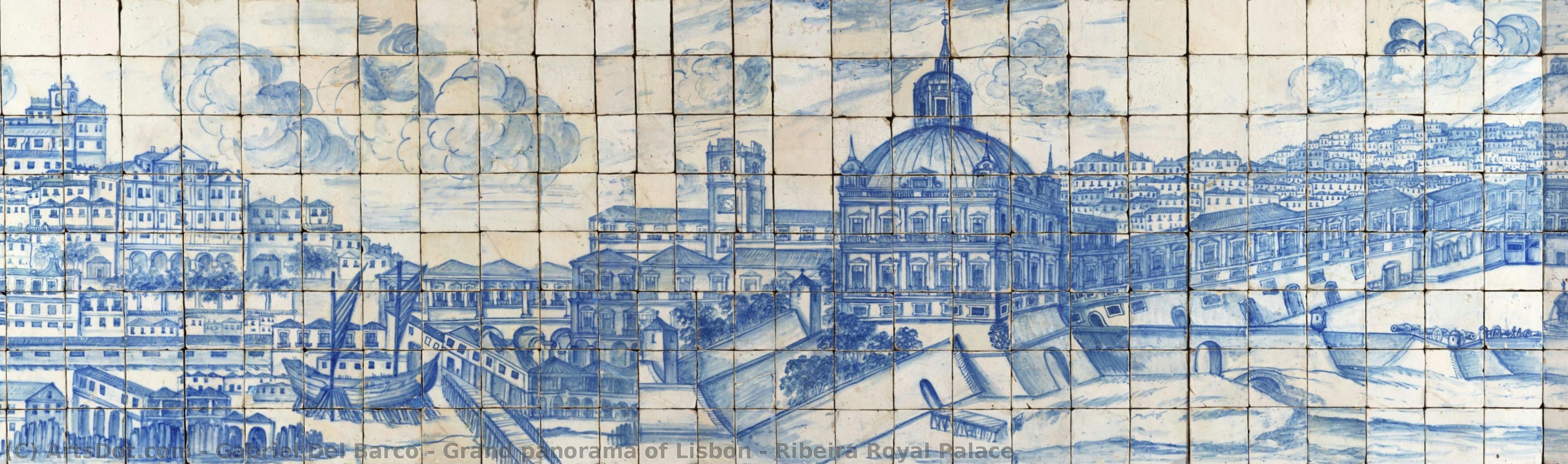
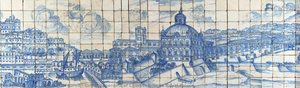
Grand panorama of Lisbon - Ribeira Royal Palace
 Ceramic
- Sculpture
- Baroque
 1700
1700- Early Modern
 114.0 x 2247.0 cm
 Nacionalni muzej azuleja
 Pročitaj više
Kupite digitalnu sliku visoke rezolucije i poboljšanog kvaliteta, koja je znatno superiornija od onoga što vidite u online prikazu.
Svaka datoteka je pedantno pripremljena od strane naših stručnjaka koristeći napredne alate i profesionalnu ručnu retušu. Osiguravamo da svaka slika ima izuzetnu oštrinu, preciznu reprodukciju boja i fine detalje.
Konačna datoteka se dostavlja putem e-pošte u roku od 72 sata, optimizovana za neposrednu upotrebu u profesionalnim, izdavačkim i štamparskim okruženjima. To je isti kvalitet kojem veruju vrhunski studiji dizajna, izdavači i galerije.
Digitalna slika
Preuzmite datoteku visoke rezolucije za ličnu upotrebu, štampanje i kreativne projekte. ( Kupi print Kupi ručno naslikanu sliku)
Uključeno uz svaku porudžbinu digitalne slike
Profesionalna digitalna isporuka, zagarantovana
Kada odaberete ArtsDot.com, ne dobijate samo sliku – vi primate profesionalno unapređeno digitalno umetničko delo, izrađeno sa najvećom preciznošću i uz garanciju zadovoljstva. Evo svega što automatski dolazi uz vašu porudžbinu:

Brza dostava putem e-pošte
Vaša digitalna slika visoke rezolucije biće vam poslata putem e-pošte u roku od 72 sata od poručivanja – spremna za trenutnu upotrebu.

Digitalna datoteka unapređena veštačkom inteligencijom
Vaše umetničko delo je profesionalno optimizovano korišćenjem naprednih AI alata i ručne obrade, čime se osiguravaju maksimalni detalji, oštrina i preciznost boja.

Besplatna ponovna isporuka doživotno
Slučajno ste obrisali ili izgubili svoju datoteku? Ne brinite – poslaćemo vam je ponovo u bilo kom trenutku, potpuno besplatno.

Bez troškova uvoza – zauvek
Uživajte u svojim umetničkim delima trenutno, bez carine, dažbina ili troškova dostave – digitalni download je uvek bez poreza.

Garancija vernosti boja
Uz pomoć profesionalnih alata i upravljanja bojama, osiguravamo da vaša digitalna slika što vernije odražava originalne boje.

Garancija zadovoljstva u roku od 60 dana
Ako niste zadovoljni svojom digitalnom slikom, revidirat ćemo je ili vratiti 100% novca u roku od 60 dana – bez ikakvih pitanja.

100% garancija povrata novca
Niste zadovoljni? Obezbedite pun povrat novca u roku od 60 dana od trenutka kada ste primili svoju digitalnu datoteku – bez suvišnih pitanja.

Popusti na velike porudžbine
Kupite 3 slike, uštedite 10% - Kupite 5 slika, uštedite 15% - Kupite 10+ slika, uštedite 20%. Odlično za kreativne projekte, galerije i agencije.
Srodna umetnička dela


Biografija umetnika
The Visionary of Lisbon: The Artistry of Gabriel del Barco
In the golden twilight of the seventeenth century, a master emerged from the streets of Madrid to reshape the visual landscape of Portugal. Gabriel del Barco, a figure whose life remains partially veiled by the mists of history, stands as a monumental pillar of the Baroque era. Though his early years are shrouded in relative obscurity, his arrival in Lisbon around 1669 signaled a transformative moment for Portuguese art. Trained under the watchful eye of the prominent painter Virgilio Barco Senior, del Barco inherited a profound legacy of dramatic illusionism and meticulous detail. This lineage of mastery allowed him to bridge the gap between Spanish tradition and the burgeoning aesthetic of the Portuguese court, creating a style that was as much about architectural grandeur as it was about emotional depth.
Del Barco’s early career in Lisbon was defined by his breathtaking command of scale. He quickly ascended to prominence through ambitious ceiling commissions, where he utilized the techniques of quadratura—the art of painting architectural perspectives—to dissolve the physical boundaries of a room. These expansive vistas were designed to transport the viewer upward, into a realm of celestial light and atmospheric depth. His ability to manipulate perspective was not merely a technical feat but a spiritual one, effectively creating a "bird's eye view" that offered a sense of divine oversight. This mastery of space would later become his hallmark, allowing him to capture the very soul of the city he came to call home.
A Legacy in Ceramic and Color
As his career matured, del Barco transitioned from the ephemeral heights of ceiling frescoes to the enduring permanence of tile painting. This evolution saw him become a pioneer of the azulejo tradition, a uniquely Portuguese medium where glazed ceramic tiles are assembled into intricate, narrative murals. In this medium, he found a new way to weave storytelling into the very fabric of architecture. His work in ceramics was characterized by a vibrant palette and a rhythmic arrangement of figures that breathed life into static walls. One of his most profound achievements lies in his ability to use the azulejo technique to document history itself.
The sheer scale of his decorative vision is perhaps best exemplified by his monumental panoramic depictions of Lisbon. These works serve as irreplaceable iconographic documents, capturing a city as it existed before the catastrophic earthquake of 1755. Through his tiles, we can wander through a lost world:
- The Grand Panorama of Lisbon: A staggering work measuring nearly 23 meters in length, documenting 14 kilometers of coastline from Algés to Xabregas.
- Architectural Preservation: His panels preserve the likenesses of St. George’s Castle, the Monastery of Jerónimos, and the Tower of Belém, providing a window into the pre-earthquake splendor of the Portuguese capital.
- The Pulse of Urban Life: Beyond mere architecture, his work captures the movement of the Ribeira Market, the activity of tide windmills, and the bustling energy of coaches and sedan chairs.
Symbolism and the Baroque Soul
Beyond the grand panoramas and architectural triumphs, del Barco possessed a rare ability to capture intimacy and quietude within the dramatic Baroque framework. In works such as "The Fisher of Hearts," painted in 1697, we see a departure from the monumental toward the melancholic. Here, the artist employs a palette of soothing blue tones to create a dreamlike atmosphere where time seems suspended. The composition focuses on a moment of profound stillness, using subtle gradations of pigment to master light and texture. This ability to balance the epic with the intimate—to move from the sweeping vistas of a coastline to the contemplative repose of a single figure—is what defines his true genius.
His narrative works, such as his interpretations of Ovid, further demonstrate his skill in ceramic storytelling. In these pieces, each tile functions as a miniature stage, capturing biblical or mythological scenes with a rhythmic vitality that guides the viewer's gaze across a mosaic landscape. Through this fusion of Spanish training and Portuguese medium, Gabriel del Barco did more than just paint; he created enduring legacies of color and light that continue to allow us to glimpse a vanished era of European splendor.
gabriel del barco
Spain
Kratke činjenice
- Artistic Movement Or Style: Baroque
- Date Of Birth: (Madrid)
- Date Of Death: Living
- Full Name: Gabriel del Barco
- Nationality: Spanish
- Notable Artworks: ['Grand panorama of Lisbon']
- Place Of Birth: Madrid, Spain

