 Pregledaj u prostoru
 Pošalji
 Podeli
 Detalji o delu

 Преузми
 Slični predmeti
 Rendgenski snimak
 Slajdovi
 Stats
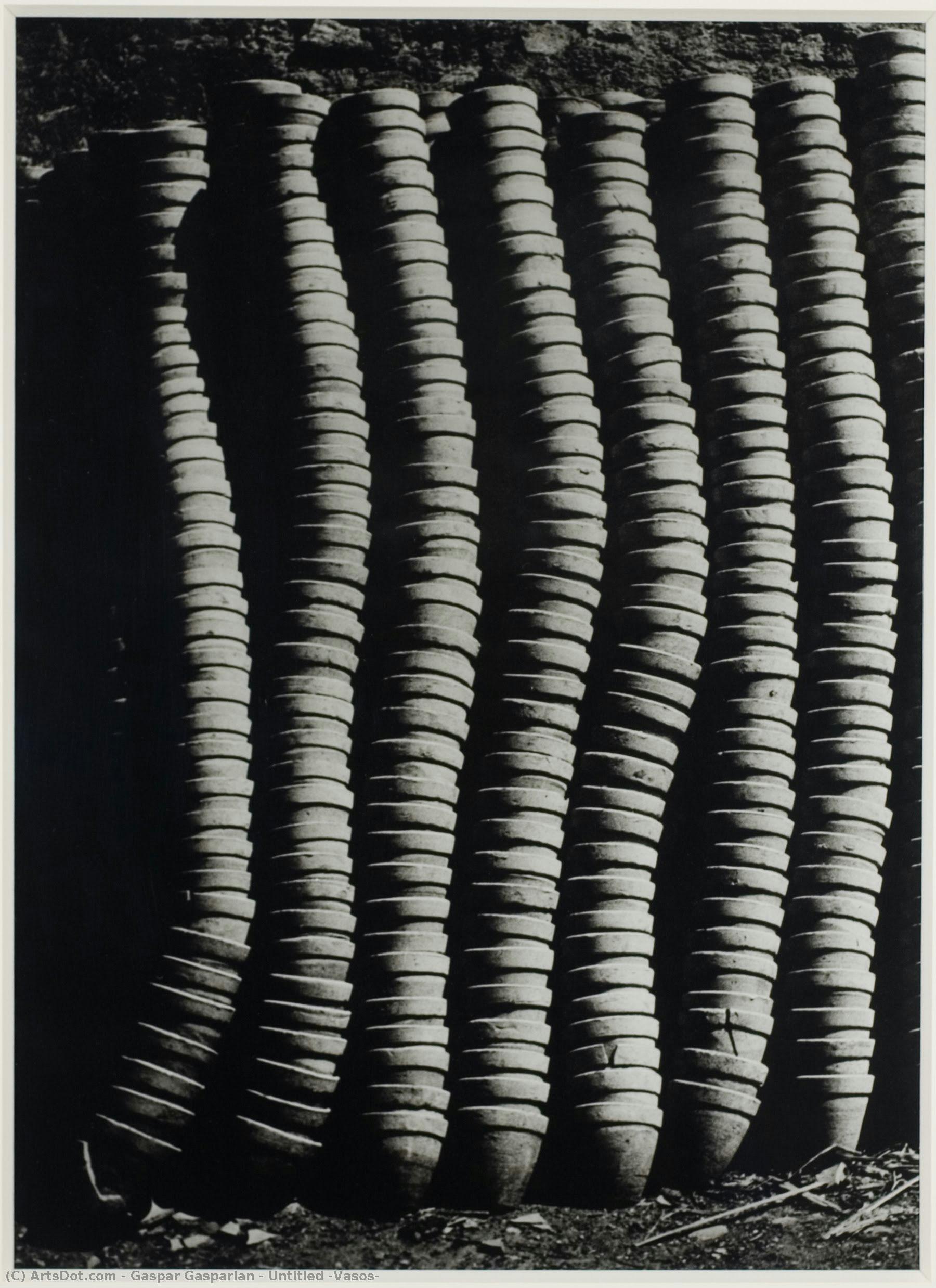
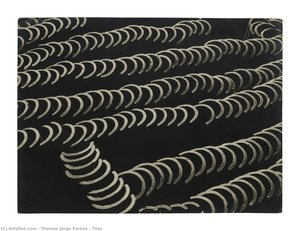
StatsUntitled (Vasos)
 1950
1950 40.0 x 30.0 cm
 Centro Cultural Banco do Brasil Rio de Janeiro
 Pročitaj više
Ručno rađena uljana reprodukcija
Ručno oslikano uljanim bojama na platnu u dimenzijama i okviru po vašem izboru, izrađeno po porudžbini od strane naših umetnika. ( Switch to Print Switch to Digital Image)




































Izaberite jednu od naših unapred definisanih veličina koje odgovaraju originalnim proporcijama umetničkog dela.

Можете унети сопствене димензије како бисте прилагодили дело одређеном оквиру или простору. Ако одабрана величина не одговара пропорцијама оригинала, слика ће бити исечена или проширена додатним елементима који се ручно насликавају. Дигитални prikaz ће вам бити послат на одобрење пре почетка производње.
Имајте на уму да преглед на екрану не одражава стварно исецање или проширење. Само приказ (mockup) ће тачно приказати коначну композицију.
Иако су доступне прилагођене величине, препоручујемо да одаберете димензију из дефинисане листе како бисте сачували оригиналне пропорције.
Nakon narudžbine, tim ArtsDot.com će klijentu putem e-pošte poslati uputstva i dostaviti prikaz predloženog rešenja
Isporuka širom sveta () za 3/4 nedelje umesto uobičajenih 5 nedelja. (8 септембар). Bez kompromisa po pitanju kvaliteta.

Besplatna ekspresna dostava širom sveta

Visokokvalitetno laneno platno

Kompletno osiguranje transporta

Garancija povraćaja carine i uvoznih dažbina

Garancija vernosti boja

Politika povraćaja u roku od 100 dana (isključivo u slučaju nedostataka)

Garancija povrata novca od 100%

Popust pri grupnoj kupovini
 Opcija sa staklom dostupna je samo za dimenzije manje od 110 cm

Untitled (Vasos)
Tehnika reprodukcije
Dimenzije reprodukcije
-


Konačna cena
$ 263
Srodna umetnička dela






Biografija umetnika
Andrew Warhola: A Pop Icon’s Transformation
Andrew Warhola, later known simply as Andy Warhol, emerged from the gritty industrial landscape of Pittsburgh in 1928, a city steeped in both artistic tradition and working-class resilience. Born to Andrej and Julia Warhola, immigrants from Slovakia, his early life was marked by a strong sense of family and a burgeoning interest in art – a passion nurtured initially through sketching and drawing. His father, a successful Slovakian steel executive, instilled in him a pragmatic approach to business, while his mother’s artistic background subtly shaped his aesthetic sensibilities. This unique blend of influences would prove crucial to Warhol's later success as a revolutionary artist. Initially pursuing a path as a commercial illustrator, Warhola quickly established himself as a highly sought-after designer for major brands like Tiffany & Co., *The New York Times*, and Bonwit Teller, mastering the art of capturing images with a cool, detached precision – a skill he would later repurpose to create his iconic silkscreen portraits. This early work demonstrated an understanding of mass media and its potential influence, foreshadowing his future exploration of celebrity culture and consumerism.The Rise of Pop Art and the Factory
Warhol’s transition into fine art began in the early 1960s, coinciding with the burgeoning movement known as Pop Art. Inspired by artists like Roy Lichtenstein and Jasper Johns, he embraced a bold, irreverent approach to subject matter, moving beyond traditional artistic conventions. His groundbreaking series of Campbell's Soup Cans (1962) – fourteen variations of twelve different soup varieties – immediately captured public attention, challenging notions of what constituted “serious” art and elevating everyday objects to the status of iconic imagery. This work, along with his portraits of Marilyn Monroe, Elvis Presley, and Elizabeth Taylor, demonstrated a fascination with celebrity, fame, and the pervasive influence of mass media. Crucially, Warhol established "The Factory," a sprawling studio space in New York City that served as both an artistic hub and a social gathering place for artists, musicians, filmmakers, and socialites – a microcosm of 1960s counterculture. This environment fostered experimentation, collaboration, and a blurring of boundaries between art, commerce, and entertainment.Technique and Innovation: Silkscreening and Beyond
Warhol’s artistic process was characterized by meticulous repetition and the innovative use of silkscreen printing. He initially learned the technique from screen printers in New York, adapting it to create his signature images – often multiple iterations of a single subject. This method allowed him to achieve vibrant colors and sharp lines, while also emphasizing the mechanical nature of image production. Beyond silkscreening, Warhol explored various media including film, photography, and performance art. His experimental films, such as *Sleep* (1963) and *Chelsea Girls* (1966-67), pushed the boundaries of cinematic storytelling, incorporating elements of music, fashion, and social commentary. His “Screen Tests” (1964-1966), intimate portraits filmed with subjects who were often unaware of the process, further explored themes of identity, perception, and the role of the artist.Legacy and Influence
Andy Warhol’s impact on 20th-century art and culture is undeniable. He fundamentally shifted the definition of “art,” blurring the lines between high and low culture and elevating popular imagery to a level of artistic significance. His exploration of celebrity, consumerism, and mass media continues to resonate today, particularly in an age dominated by digital images and social media. Warhol’s influence can be seen in countless contemporary artists who have embraced repetition, appropriation, and the manipulation of image – from Jeff Koons to Takashi Murakami. He remains a complex and enigmatic figure, simultaneously celebrated as a visionary artist and criticized for his detachment and commercialism. However, his legacy as one of the most influential and transformative figures in modern art is firmly established, solidifying his place as an icon of the 20th century. His work continues to be exhibited worldwide, studied by scholars, and enjoyed by audiences who recognize the enduring power of his bold vision.
gaspar gasparian
1928 - 2010 , Brazil
Osnovne informacije
- Artistic Movement Or Style: Pop Art
- Artists Or Movements Influenced By This Artist:
- Jeff Koons
- Keith Haring
- Artists Who Influenced This Artist:
- Yves Klein
- Caravaggio
- Date Of Birth: August 6, 1928
- Date Of Death: February 22, 1987
- Full Name: Andrew Warhola Jr.
- Nationality: American
- Notable Artworks:
- Campbell's Soup Cans
- Marilyn Diptych
- Chelsea Girls
- Place Of Birth: Pittsburgh, PA, USA