

 Pregledaj u prostoru
 Pošalji
 Podeli
 Detalji o delu

 Преузми
 Slični predmeti
 Rendgenski snimak
 Slajdovi
 Stats
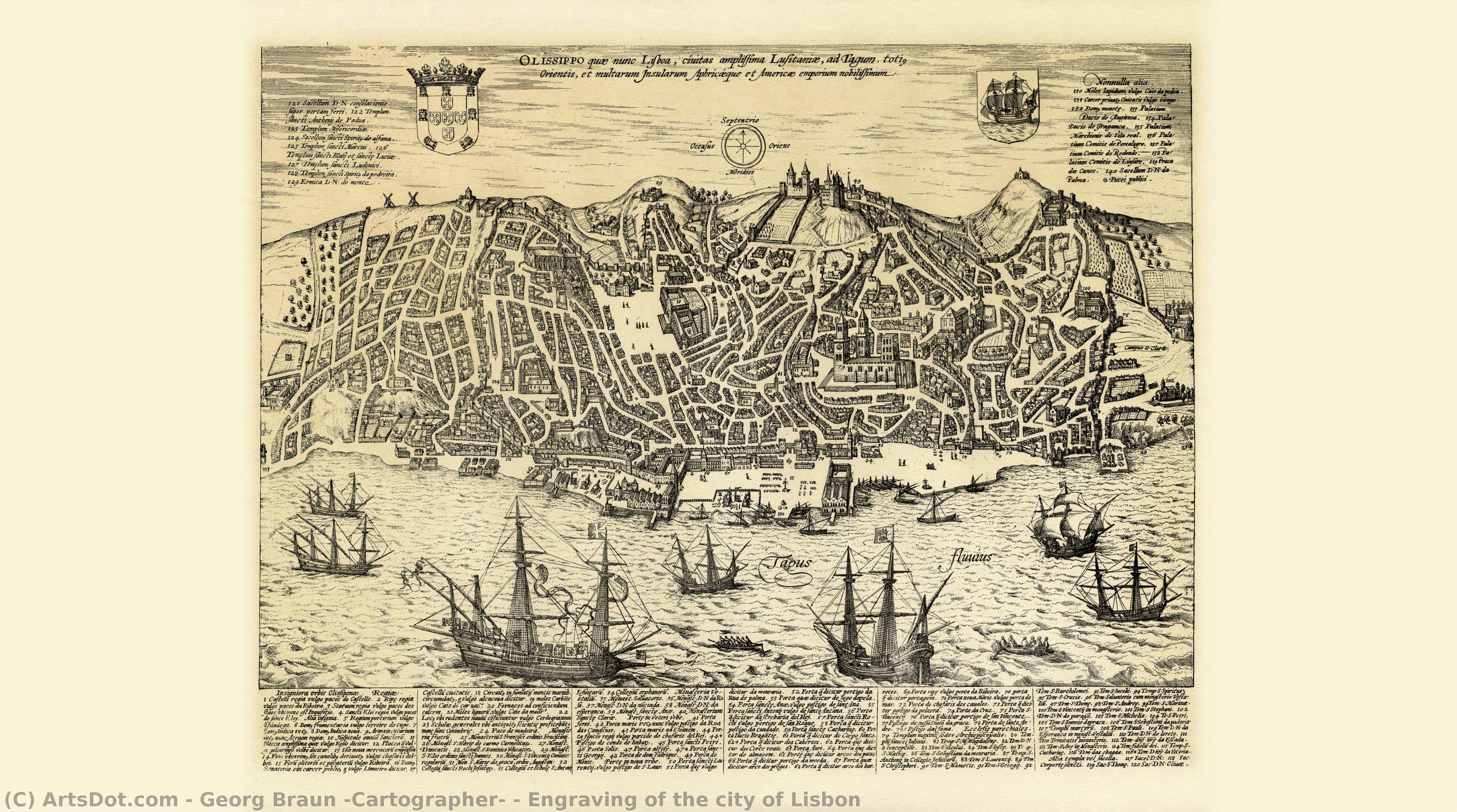
StatsEngraving of the city of Lisbon
 Civic Art
 1598
1598 The Portuguese Task Force for the Commemorations of the V Centenary of Circumnavigation
 Pročitaj više
Giclee štampa / Umetnički otisak
Giclée štampa ili print na platnu muzejskog kvaliteta uz brzu proizvodnju i fleksibilne opcije završne obrade. ( Kupi ručno naslikanu sliku Switch to Digital Image)




P118B $10

P118H $10

P118W $10

P438Z $10

P508JH $12

P508YH $12

P805H $10

P805Z $10

P919BZ $10

P919G $10

P919XJ $10

P959ZH $10

P968JZ $12

W106C $8

W218G $10

W218JH $8

W218Y $10

W307PJ $10

W316G $10

W316PJ $8

W316Y $10

W398PJ $8

W4111J $10

W500HY $15

W500JH $15

W692G $12

W849H $8

W940BG $15

W953PJ $8




Izaberite jednu od naših unapred definisanih veličina koje odgovaraju originalnim proporcijama umetničkog dela.

Možete uneti sopstvene dimenzije kako biste umetničko delo prilagodili specifičnom okviru ili prostoru. Ako odabrani format ne odgovara proporcijama originalne slike, mi ćemo ili iscrtati deo dela ili proširiti sliku pomoću ogledane ivice ili jednobojnog popunjavanja. Digitalni prikaz će vam biti poslat na odobrenje pre početka proizvodnje.
Imajte na umu da pregled na ekranu ne odražava stvarno iscrtavanje ili proširivanje. Samo će prikaz (mockup) precizno pokazati finalnu kompoziciju.
Iako su prilagođene dimenzije dostupne, preporučujemo da odaberete dimenziju sa unapred definisane liste kako biste očuvali originalne proporcije.
Dostava širom sveta () za 2 nedelje umesto uobičajenih 4/5 nedelja. (7 септембар)

Besplatna ekspresna dostava širom sveta

Visokokvalitetno laneno platno

Kompletno osiguranje transporta

Garancija povraćaja carine i uvoznih dažbina

Garancija vernosti boja

Politika povraćaja u roku od 100 dana (isključivo u slučaju nedostataka)

Garancija povrata novca od 100%

Popust pri grupnoj kupovini
 Opcija sa staklom dostupna je samo za dimenzije manje od 110 cm

Engraving of the city of Lisbon
Giclee štampa / Umetnički otisak
Dimenzije reprodukcije
-


Konačna cena
$ 62
Srodna umetnička dela
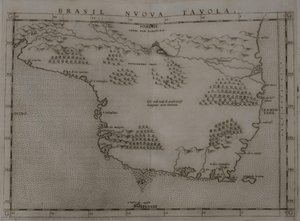
![Title (original): Calechut Celeberrimum Indiae [with] Ormus [with] Cananor — Georg Braun (cartographer)](/media/artworks/images-thumb/38/76/387690b53e28b1f835a98e77d7212f19.jpg)

Biografija umetnika
El Greco: A Visionary of Faith and Emotion
Domenikos Theotokopoulos, better known as El Greco (1541-1614), remains one of the most enigmatic and intensely personal figures in Western art. Born in Crete – then a Venetian possession – his early life offers little concrete information, hinting at an upbringing steeped in Byzantine artistic traditions, evidenced by his initial work depicting icons. However, it was his relocation to Spain, specifically Toledo, that irrevocably shaped his unique style and cemented his legacy as a revolutionary painter. El Greco’s journey wasn't simply geographical; it represented a profound shift in artistic sensibility, moving away from the established conventions of his time towards an intensely subjective and emotionally charged vision. His work is characterized by elongated figures, dramatic lighting, vibrant colors, and a sense of spiritual intensity that continues to captivate viewers centuries later.Early Influences and Venetian Roots
El Greco’s formative years in Venice (around 1577-1580) proved pivotal. While he initially sought patronage from the influential artist Giulio Clovio, he found himself largely unsupported by the established Venetian school. Despite this initial lack of formal recognition, El Greco absorbed much from the Venetian masters, particularly Tintoretto. The dynamism and theatricality of Tintoretto’s compositions – his use of swirling movement, dramatic lighting effects, and emotionally charged figures – profoundly impacted El Greco's own approach to painting. He adopted Tintoretto’s penchant for intense color contrasts and a sense of overwhelming scale, though he ultimately developed these elements into something entirely his own. The influence of Mannerism is also evident in his elongated figures and the distortion of perspective, creating an otherworldly atmosphere that anticipates later developments in abstract art. His early works, such as the *Purification of the Temple* (Minneapolis Institute of Arts) and the portrait of Clovio (Museo di Capodimonte, Naples), demonstrate this nascent style – a departure from the more realistic depictions prevalent at the time.The Toledo Period: Spiritual Intensity and Monumental Altarpieces
El Greco’s arrival in Toledo in 1576 marked the true flowering of his artistic genius. The city's vibrant religious atmosphere, with its numerous churches and convents, provided a fertile ground for his creative output. He quickly gained commissions to paint monumental altarpieces, transforming these spaces into immersive experiences of faith and emotion. Works like *The Disrobing of Christ* (1577-1579), *The Burial of the Count of Orgaz* (1586–88), and *Assumption of the Virgin* (1577–9) are testaments to his extraordinary skill and dramatic vision. These paintings are not merely depictions of biblical events; they are explorations of spiritual ecstasy, conveying a sense of overwhelming emotion and divine presence. The figures seem to float in an ethereal space, bathed in intense light, their gestures imbued with profound meaning. The use of vibrant colors – reds, blues, yellows – further amplifies the emotional impact, creating a visual language that transcends mere representation.A Unique Style: Distortion and Emotional Expression
El Greco’s distinctive style is instantly recognizable, characterized by elongated figures, distorted perspectives, and an almost hallucinatory quality. He deliberately moved away from naturalistic representation, prioritizing emotional expression over anatomical accuracy. His figures are often depicted in dramatic poses, their faces contorted with emotion – anguish, ecstasy, or profound contemplation. This deliberate distortion creates a sense of unease and mystery, inviting the viewer to engage with the painting on an emotional level rather than simply observing it as a realistic depiction. The use of swirling lines and dynamic compositions further contributes to this sense of movement and energy. It’s important to note that El Greco's style wasn't born overnight; it evolved gradually over his career, becoming increasingly bold and expressive in his later works.Legacy and Historical Significance
El Greco’s influence on subsequent generations of artists is undeniable. He paved the way for Expressionism and Surrealism, demonstrating the power of art to convey subjective experience and emotional intensity. His work continues to be studied and admired for its originality, spiritual depth, and dramatic visual impact. He remains a controversial figure – some critics dismiss his style as chaotic and mannered, while others recognize it as a groundbreaking expression of faith and emotion. Regardless of one’s personal opinion, El Greco's contribution to the history of art is profound. His paintings are housed in major museums around the world, including the Prado Museum in Madrid, the National Gallery in Washington D.C., and the Art Institute of Chicago, ensuring that his visionary work will continue to inspire and challenge viewers for generations to come. His legacy lies not just in his individual masterpieces but also in his radical departure from artistic conventions and his unwavering commitment to expressing the inner world of faith and emotion through paint.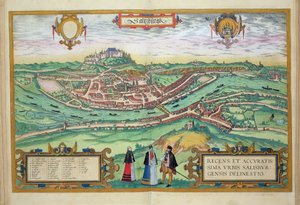
georg braun (cartographer)
1541 - 1622 , Germany
Osnovne informacije
- Artistic Movement Or Style: El Greco School
- Artists Or Movements Influenced By This Artist: ['Mannerism']
- Artists Who Influenced This Artist:
- Tintoretto
- Titian
- Date Of Birth: 1 October 1541
- Date Of Death: 7 April 1614
- Full Name: Domenikos Theotokopoulos
- Nationality: Cretan-born, Spanish
- Notable Artworks:
- Disrobing of Christ
- Burial of the Count of Orgaz
- The Adoration of the Shepherds
- Place Of Birth: Fodele, Crete
Povezani članci

Georges Braque: 25 Remek-dela Kubizma za Inspirisanje Vašeg Doma | ArtsDot
Istražite 25 remek-dela Georges Braquea, pionira kubizma. Otkrijte priče iza slika, tehnike i inspiraciju za dizajn enterijera. Reprodukcije vrhunskog kvaliteta dostupne na ArtsDot.com! Pronađite savršeno umetničko delo online.

25 Remek-dela Žorža Seurea: Putovanje kroz Svet Tačizma i Impresionističke Revolucije
Istražite 25 remek-dela Žorža Seurea i uronite u svet tačizma i impresionističke revolucije. Otkrijte priče iza slika, tehnike i inspiraciju ovog francuskog umetnika. Reprodukcije vrhunskog kvaliteta dostupne na ArtsDot.com!

The Intricate World of Engraving: A Historical Survey of Technique, Artistic Expression & Enduring Legacy
Explore the rich history of engraving with ArtsDot. Discover techniques, iconic artists like Dürer & Callot, collecting tips, and expert guidance for preserving your art investment. Learn about intaglio printing & more!
Engraving: A Historical Survey of Technique, Artistic Expression & Enduring Legacy
Explore the rich history of engraving with ArtsDot. Discover techniques, iconic artists like Dürer & Callot, collecting tips, and expert guidance for preserving your art investment. Learn about intaglio printing & more!
Engraving's Golden Age: 10 Masterpieces That Redefined Art | ArtsDot
Journey through art history with our Top 10 Legendary Engravings! Explore masterpieces by Dürer, Rembrandt & Goya. Discover the stories behind these iconic prints and find museum-quality reproductions for your home at ArtsDot.com.