

 Pregledaj u prostoru
 Pošalji
 Podeli
 Detalji o delu

 Преузми
 Slični predmeti
 Rendgenski snimak
 Slajdovi
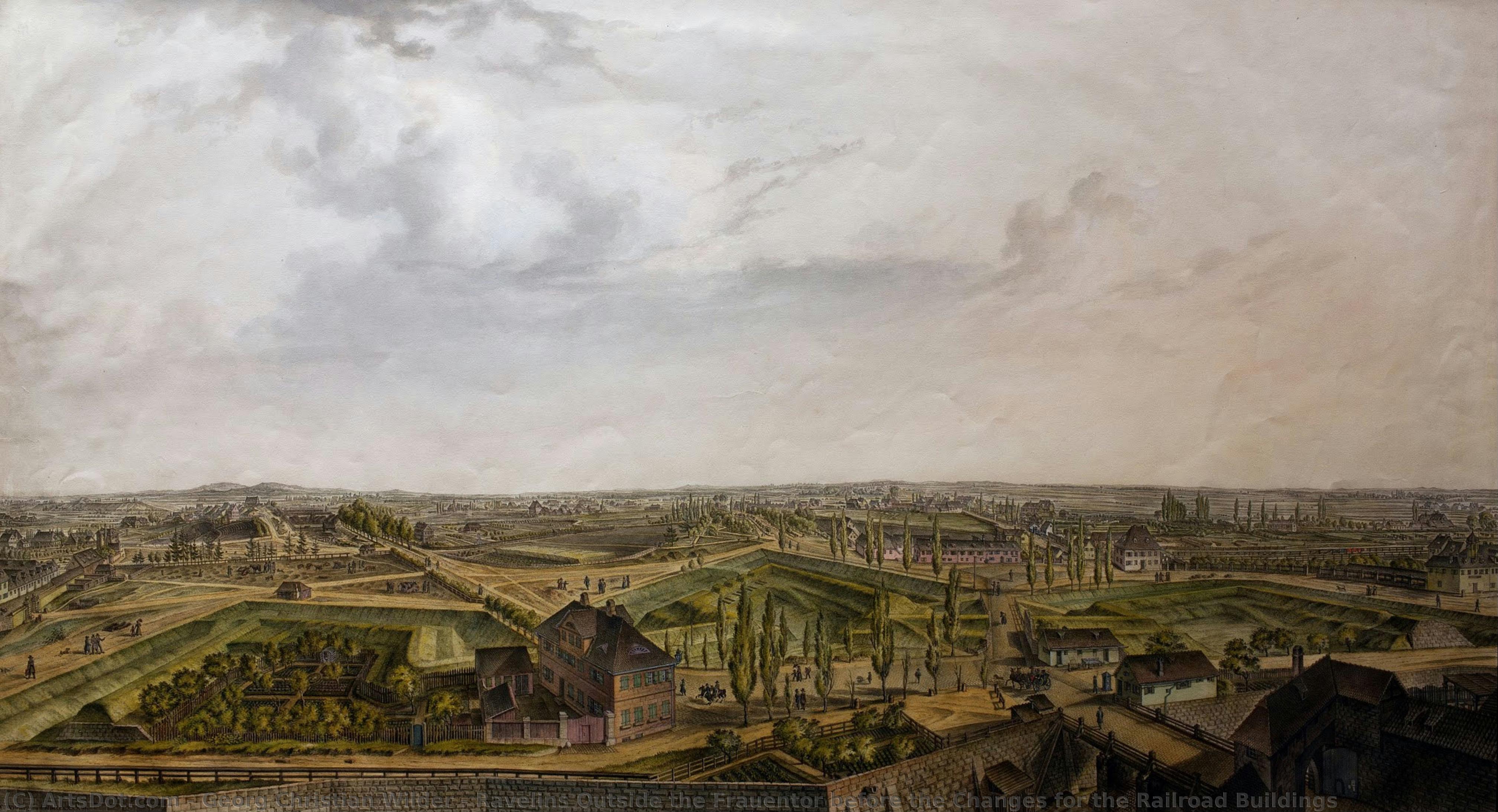
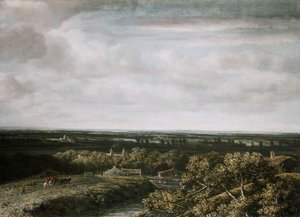
Ravelins Outside the Frauentor before the Changes for the Railroad Buildings


 Pročitaj više
Ručno rađena uljana reprodukcija
Ručno oslikano uljanim bojama na platnu u dimenzijama i okviru po vašem izboru, izrađeno po porudžbini od strane naših umetnika. ( Kupi print Kupi digitalnu sliku)




































Izaberite jednu od naših unapred definisanih veličina koje odgovaraju originalnim proporcijama umetničkog dela.

Можете унети сопствене димензије како бисте прилагодили дело одређеном оквиру или простору. Ако одабрана величина не одговара пропорцијама оригинала, слика ће бити исечена или проширена додатним елементима који се ручно насликавају. Дигитални prikaz ће вам бити послат на одобрење пре почетка производње.
Имајте на уму да преглед на екрану не одражава стварно исецање или проширење. Само приказ (mockup) ће тачно приказати коначну композицију.
Иако су доступне прилагођене величине, препоручујемо да одаберете димензију из дефинисане листе како бисте сачували оригиналне пропорције.
Nakon narudžbine, tim ArtsDot.com će klijentu putem e-pošte poslati uputstva i dostaviti prikaz predloženog rešenja
Isporuka širom sveta () za 3/4 nedelje umesto uobičajenih 5 nedelja. (27 август). Bez kompromisa po pitanju kvaliteta.

Besplatna ekspresna dostava širom sveta

Visokokvalitetno laneno platno

Kompletno osiguranje transporta

Garancija povraćaja carine i uvoznih dažbina

Garancija vernosti boja

Politika povrata u roku od 60 dana (samo u slučaju nedostataka)

Garancija povrata novca od 100%

Popust pri grupnoj kupovini
 Opcija sa staklom dostupna je samo za dimenzije manje od 110 cm

Ravelins Outside the Frauentor before the Changes for the Railroad Buildings
Tehnika reprodukcije
Dimenzije reprodukcije
-


Konačna cena
$ 263
Srodna umetnička dela


Biografija umetnika
Georg Christian Wilder: A Pioneer of Romantic Landscape and Architectural Documentation
Georg Christian Wilder (1797-1855) stands as a pivotal figure in 19th-century German art, celebrated primarily for his breathtaking depictions of Nuremberg and Franconian Switzerland—landscapes imbued with the spirit of Romanticism—and for his meticulous architectural drawings that meticulously documented the evolving cityscape. Born in Nuremberg, Germany, Wilder’s artistic journey began amidst the burgeoning intellectual fervor of his time, shaping him into a visionary artist deeply attuned to both natural beauty and cultural heritage.Early Life and Artistic Training
Wilder received an exceptional education thanks to his father's influence, attending St Lawrence’s School where he honed his drawing skills before embarking on private tutoring that further nurtured his talent. His formative years were marked by exposure to influential artists like Gustav Philipp Zwinger and Ambrosius Gabler at the Painters’ Academy in Nuremberg, equipping him with foundational knowledge of artistic techniques and stylistic conventions. Notably, Wilder's early engagement with etching—documented in 1811—demonstrated a commitment to precision and detail that would characterize his entire oeuvre.Vienna Years: Romantic Landscape Rediscovery
From 1819 to 1832, Wilder established himself in Vienna, where he became instrumental in reviving interest in the romantic ideals surrounding Nuremberg’s surroundings. He recognized the profound emotional resonance of the old city and Franconian Switzerland—a region transformed by industrial progress—capturing their essence with remarkable sensitivity. This period witnessed a stylistic shift toward topographical realism combined with expressive color palettes, reflecting Wilder's fascination with conveying not merely visual information but also psychological depth.Architectural Documentation: Preserving Nuremberg’s Legacy
Wilder’s artistic legacy rests principally on his groundbreaking architectural drawings—a testament to his dedication to preserving cultural heritage. He meticulously documented the Nuremberg cityscape during King Ludwig I’s reign, producing detailed renderings of buildings and urban spaces that serve as invaluable historical records. His work at St George's Hospital Pathology Museum showcases a passion for scientific observation alongside artistic skill. Wilder’s meticulous approach established him as a pioneer in architectural preservation—a discipline that continues to resonate today.Notable Works and Artistic Achievements
Wilder’s artistic output includes iconic depictions of Nuremberg’s City Hall, the Church of St Lorenz, and Nuremberg Castle—each piece embodying his mastery of landscape painting and architectural illustration. These works are housed in prominent museums across Germany, guaranteeing their enduring presence within the canon of European art history. His contribution to German Romanticism is undeniable, cementing his place as a visionary artist who captured the sublime beauty of his homeland while simultaneously championing the importance of safeguarding its cultural heritage.- Key Influences: Zwinger, Gabler, Reindel – These mentors instilled in Wilder a deep appreciation for classical artistic principles and observational accuracy.
- Signature Style: Romantic Landscape Painting; Topographical Realism; Precise Architectural Drawings
- Historical Significance: Wilder’s work profoundly impacted the preservation movement, establishing Nuremberg as a model of cultural heritage conservation.
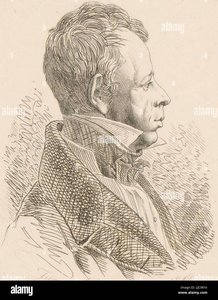
georg christian wilder
1797 - 1855 , Germany
Osnovne informacije
- Artistic Movement Or Style: Romantic Landscape
- Artists Or Movements Influenced By This Artist: ['Historic Cultural Heritage Preservation']
- Artists Who Influenced This Artist: ['Gustav Philipp Zwinger']
- Date Of Birth: 1797
- Date Of Death: 1855
- Full Name: Georg Christian Wilder
- Nationality: German
- Notable Artworks:
- City Hall
- St Lorenz Church
- Nuremberg Castle
- Place Of Birth: Nuremberg, Germany
Povezani članci

25 Remek-dela Džona Konstebla: Lepota Engleske na Platnu | ArtsDot
Uronite u svet Džona Konstebla! Otkrijte 25 remek-dela engleskog pejzaža, romantizma i seoske idile. Kupite reprodukcije slika vrhunskog kvaliteta za dekoraciju enterijera na ArtsDot.com.

Evocations of Place: A Historical Journey Through Landscape Art
Explore the rich history of landscape art with ArtsDot. Discover renowned artists, movements like Impressionism & Romanticism, and expert guidance for collecting timeless pieces. Find your perfect serene escape today!

Glavna dela koja su definisala Romantični pejzaž: 10 remek-dela za vaš dom
Otkrijte 10 remek-dela romantičnog pejzažnog slikarstva! Uronite u svet Claude Lorraina, Caspara David Friedricha i Turnera. Ispričane priče umetnosti, inspiracija za dekoraciju doma. Kvalitetne reprodukcije na ArtsDot.com – istražite celu kolekciju online!
Evocations of Place: A Historical Journey Through Landscape Art
Explore the rich history of landscape art with ArtsDot. Discover renowned artists, movements like Impressionism & tonalism, and expert guidance for collecting timeless pieces. Find your perfect serene escape today!
Evoking Nature's Sublime: A Comprehensive Exploration of 19th-Century Landscape Painting
Explore the captivating world of 19th-century landscape painting! Discover renowned artists like Friedrich & Monet, key movements, and find the perfect artwork to bring nature's serenity into your home. Expert insights at ArtsDot.

