

 Pregledaj u prostoru
 Pošalji
 Podeli
 Detalji o delu

 Преузми
 Slični predmeti
 Rendgenski snimak
 Slajdovi
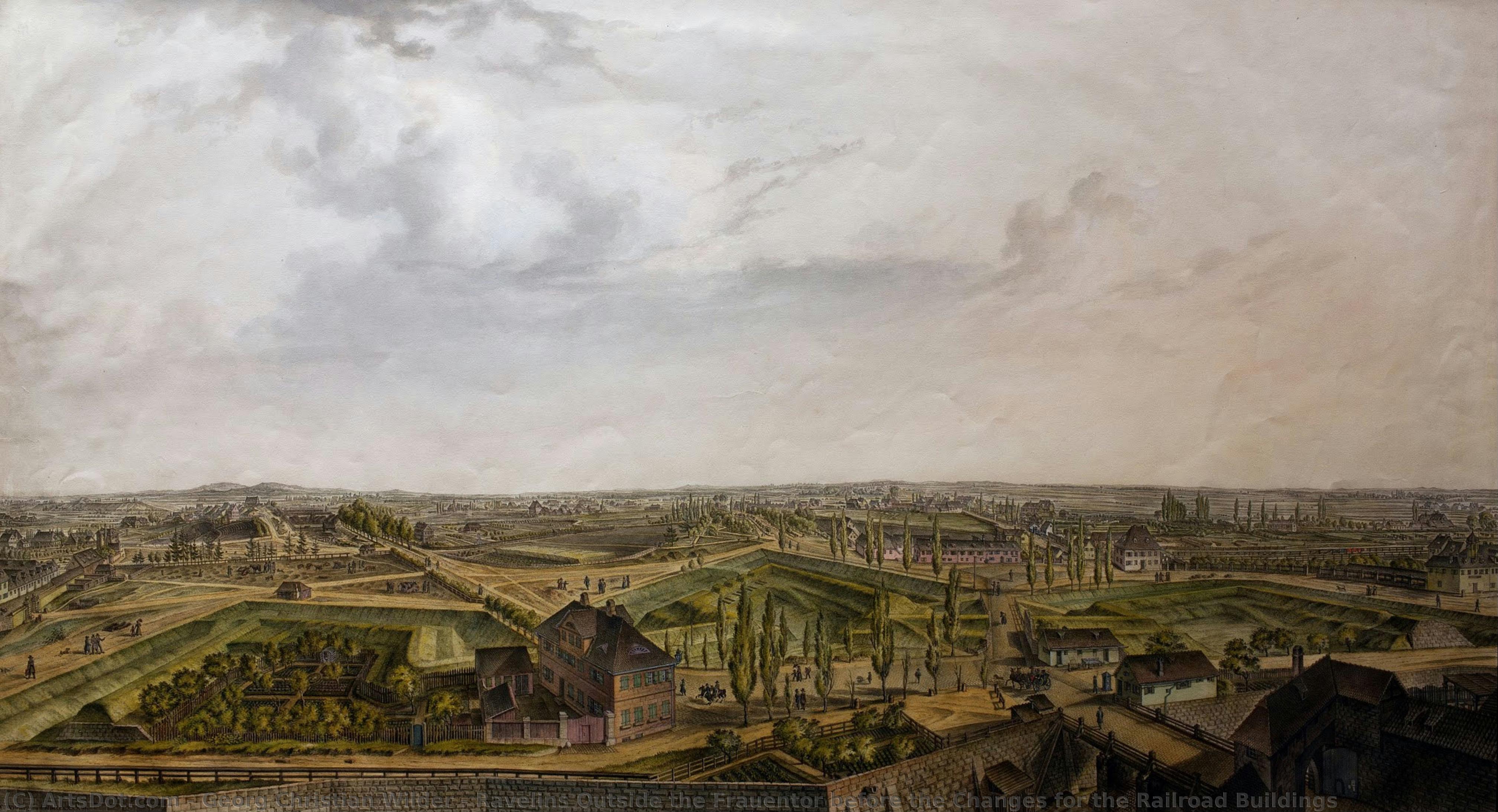
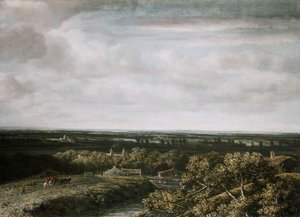
Ravelins Outside the Frauentor before the Changes for the Railroad Buildings


 Pročitaj više
Kupite digitalnu sliku visoke rezolucije i poboljšanog kvaliteta, koja je znatno superiornija od onoga što vidite u online prikazu.
Svaka datoteka je pedantno pripremljena od strane naših stručnjaka koristeći napredne alate i profesionalnu ručnu retušu. Osiguravamo da svaka slika ima izuzetnu oštrinu, preciznu reprodukciju boja i fine detalje.
Konačna datoteka se dostavlja putem e-pošte u roku od 72 sata, optimizovana za neposrednu upotrebu u profesionalnim, izdavačkim i štamparskim okruženjima. To je isti kvalitet kojem veruju vrhunski studiji dizajna, izdavači i galerije.
Digitalna slika
Preuzmite datoteku visoke rezolucije za ličnu upotrebu, štampanje i kreativne projekte. ( Kupi print Kupi ručno naslikanu sliku)
Uključeno uz svaku porudžbinu digitalne slike
Profesionalna digitalna isporuka, zagarantovana
Kada odaberete ArtsDot.com, ne dobijate samo sliku – vi primate profesionalno unapređeno digitalno umetničko delo, izrađeno sa najvećom preciznošću i uz garanciju zadovoljstva. Evo svega što automatski dolazi uz vašu porudžbinu:

Brza dostava putem e-pošte
Vaša digitalna slika visoke rezolucije biće vam poslata putem e-pošte u roku od 72 sata od poručivanja – spremna za trenutnu upotrebu.

Digitalna datoteka unapređena veštačkom inteligencijom
Vaše umetničko delo je profesionalno optimizovano korišćenjem naprednih AI alata i ručne obrade, čime se osiguravaju maksimalni detalji, oštrina i preciznost boja.

Besplatna ponovna isporuka doživotno
Slučajno ste obrisali ili izgubili svoju datoteku? Ne brinite – poslaćemo vam je ponovo u bilo kom trenutku, potpuno besplatno.

Bez troškova uvoza – zauvek
Uživajte u svojim umetničkim delima trenutno, bez carine, dažbina ili troškova dostave – digitalni download je uvek bez poreza.

Garancija vernosti boja
Uz pomoć profesionalnih alata i upravljanja bojama, osiguravamo da vaša digitalna slika što vernije odražava originalne boje.

Garancija zadovoljstva u roku od 60 dana
Ako niste zadovoljni svojom digitalnom slikom, revidirat ćemo je ili vratiti 100% novca u roku od 60 dana – bez ikakvih pitanja.

100% garancija povrata novca
Niste zadovoljni? Obezbedite pun povrat novca u roku od 60 dana od trenutka kada ste primili svoju digitalnu datoteku – bez suvišnih pitanja.

Popusti na velike porudžbine
Kupite 3 slike, uštedite 10% - Kupite 5 slika, uštedite 15% - Kupite 10+ slika, uštedite 20%. Odlično za kreativne projekte, galerije i agencije.
Srodna umetnička dela


Biografija umetnika
Georg Christian Wilder: A Pioneer of Romantic Landscape and Architectural Documentation
Georg Christian Wilder (1797-1855) stands as a pivotal figure in 19th-century German art, celebrated primarily for his breathtaking depictions of Nuremberg and Franconian Switzerland—landscapes imbued with the spirit of Romanticism—and for his meticulous architectural drawings that meticulously documented the evolving cityscape. Born in Nuremberg, Germany, Wilder’s artistic journey began amidst the burgeoning intellectual fervor of his time, shaping him into a visionary artist deeply attuned to both natural beauty and cultural heritage.Early Life and Artistic Training
Wilder received an exceptional education thanks to his father's influence, attending St Lawrence’s School where he honed his drawing skills before embarking on private tutoring that further nurtured his talent. His formative years were marked by exposure to influential artists like Gustav Philipp Zwinger and Ambrosius Gabler at the Painters’ Academy in Nuremberg, equipping him with foundational knowledge of artistic techniques and stylistic conventions. Notably, Wilder's early engagement with etching—documented in 1811—demonstrated a commitment to precision and detail that would characterize his entire oeuvre.Vienna Years: Romantic Landscape Rediscovery
From 1819 to 1832, Wilder established himself in Vienna, where he became instrumental in reviving interest in the romantic ideals surrounding Nuremberg’s surroundings. He recognized the profound emotional resonance of the old city and Franconian Switzerland—a region transformed by industrial progress—capturing their essence with remarkable sensitivity. This period witnessed a stylistic shift toward topographical realism combined with expressive color palettes, reflecting Wilder's fascination with conveying not merely visual information but also psychological depth.Architectural Documentation: Preserving Nuremberg’s Legacy
Wilder’s artistic legacy rests principally on his groundbreaking architectural drawings—a testament to his dedication to preserving cultural heritage. He meticulously documented the Nuremberg cityscape during King Ludwig I’s reign, producing detailed renderings of buildings and urban spaces that serve as invaluable historical records. His work at St George's Hospital Pathology Museum showcases a passion for scientific observation alongside artistic skill. Wilder’s meticulous approach established him as a pioneer in architectural preservation—a discipline that continues to resonate today.Notable Works and Artistic Achievements
Wilder’s artistic output includes iconic depictions of Nuremberg’s City Hall, the Church of St Lorenz, and Nuremberg Castle—each piece embodying his mastery of landscape painting and architectural illustration. These works are housed in prominent museums across Germany, guaranteeing their enduring presence within the canon of European art history. His contribution to German Romanticism is undeniable, cementing his place as a visionary artist who captured the sublime beauty of his homeland while simultaneously championing the importance of safeguarding its cultural heritage.- Key Influences: Zwinger, Gabler, Reindel – These mentors instilled in Wilder a deep appreciation for classical artistic principles and observational accuracy.
- Signature Style: Romantic Landscape Painting; Topographical Realism; Precise Architectural Drawings
- Historical Significance: Wilder’s work profoundly impacted the preservation movement, establishing Nuremberg as a model of cultural heritage conservation.
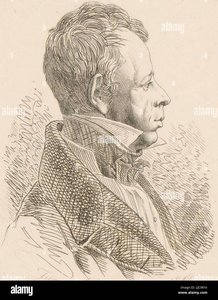
georg christian wilder
1797 - 1855 , Germany
Kratke činjenice
- Artistic Movement Or Style: Romantic Landscape
- Artists Or Movements Influenced By This Artist: ['Historic Cultural Heritage Preservation']
- Artists Who Influenced This Artist: ['Gustav Philipp Zwinger']
- Date Of Birth: 1797
- Date Of Death: 1855
- Full Name: Georg Christian Wilder
- Nationality: German
- Notable Artworks:
- City Hall
- St Lorenz Church
- Nuremberg Castle
- Place Of Birth: Nuremberg, Germany

