 Pregledaj u prostoru
 Pošalji
 Podeli
 Detalji o delu

 Преузми
 Slični predmeti
 Rendgenski snimak
 Slajdovi
 Statistika
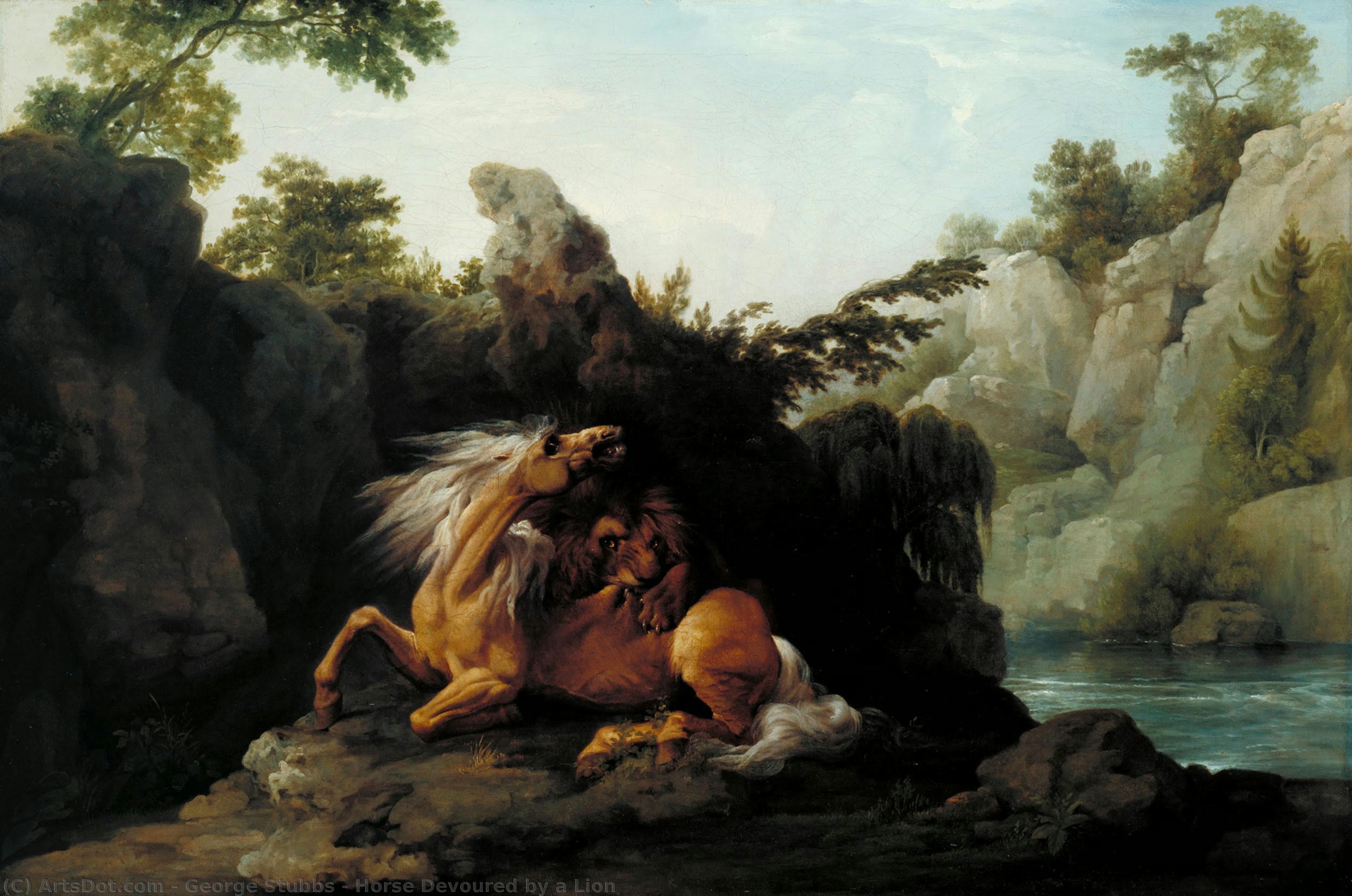
Horse Devoured by a Lion
 Oil On Canvas
- WallArt
- Romanticism
 1763
1763- Early Modern
 3.0 x 69.0 cm
 Тхе Тате Бритен
 Pročitaj više
Giclee štampa / Umetnički otisak
Giclée štampa ili print na platnu muzejskog kvaliteta uz brzu proizvodnju i fleksibilne opcije završne obrade. ( Kupi ručno naslikanu sliku Pređi na digitalnu sliku)




P118B $10

P118H $10

P118W $10

P438Z $10

P508JH $12

P508YH $12

P805H $10

P805Z $10

P919BZ $10

P919G $10

P919XJ $10

P959ZH $10

P968JZ $12

W106C $8

W218G $10

W218JH $8

W218Y $10

W307PJ $10

W316G $10

W316PJ $8

W316Y $10

W398PJ $8

W4111J $10

W500HY $15

W500JH $15

W692G $12

W849H $8

W940BG $15

W953PJ $8




Izaberite jednu od naših unapred definisanih veličina koje odgovaraju originalnim proporcijama umetničkog dela.

Možete uneti sopstvene dimenzije kako biste umetničko delo prilagodili specifičnom okviru ili prostoru. Ako odabrani format ne odgovara proporcijama originalne slike, mi ćemo ili iscrtati deo dela ili proširiti sliku pomoću ogledane ivice ili jednobojnog popunjavanja. Digitalni prikaz će vam biti poslat na odobrenje pre početka proizvodnje.
Imajte na umu da pregled na ekranu ne odražava stvarno iscrtavanje ili proširivanje. Samo će prikaz (mockup) precizno pokazati finalnu kompoziciju.
Iako su prilagođene dimenzije dostupne, preporučujemo da odaberete dimenziju sa unapred definisane liste kako biste očuvali originalne proporcije.
Dostava širom sveta () za 2 nedelje umesto uobičajenih 4/5 nedelja. (10 септембар)

Besplatna ekspresna dostava širom sveta

Visokokvalitetno laneno platno

Kompletno osiguranje transporta

Garancija povraćaja carine i uvoznih dažbina

Garancija vernosti boja

Politika povraćaja u roku od 100 dana (isključivo u slučaju nedostataka)

Garancija povrata novca od 100%

Popust pri grupnoj kupovini
 Opcija sa staklom dostupna je samo za dimenzije manje od 110 cm

Horse Devoured by a Lion
Giclee štampa / Umetnički otisak
Dimenzije reprodukcije
-


Konačna cena
$ 62
The Primal Drama of Survival
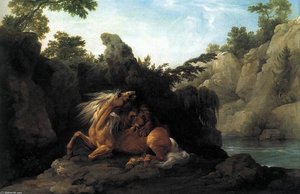
To stand before George Stubbs's "Horse Devoured by a Lion" is to be thrust into the very heart of a visceral, untamed struggle. Completed in 1763, this masterpiece transcends mere animal portraiture, capturing a moment of raw, breathtaking violence that freezes time itself. The scene is one of profound tension: a horse, caught in its final, agonizing breaths, is relentlessly overtaken by the predatory force of a lion. There is no escape within this frame, only the inevitable triumph of brute strength over vulnerability. Stubbs does not merely observe this encounter; he orchestrates it, using the rugged, rocky landscape of Creswell Crags to mirror the chaotic and unforgiving nature of the conflict unfolding in the center of the canvas.
The emotional weight of the piece lies in its ability to evoke a sense of the sublime—that specific Romantic era fascination with beauty intertwined with terror. As the viewer, one feels an instinctive pull toward the central struggle, drawn by the sheer energy radiating from the lion’s powerful jaws and the horse's desperate, yielding form. It is a painting that demands attention, making it a commanding focal point for any collection or a sophisticated statement piece in a curated interior designed to provoke thought and conversation.
Mastery of Anatomy and Light
Stubbs’s technical brilliance is rooted in his unique background as an anatomist. His years spent studying dissection under the surgeon Charles Atkinson allowed him to render musculature with a startling, scientific precision that few of his contemporaries could match. In this work, every sinew of the struggling horse and every ripple of the lion's powerful frame is articulated with breathtaking verisimilitude. This anatomical accuracy does not strip the painting of its soul; rather, it grounds the drama in a terrifying reality, making the violence feel palpably real.
The artist employs a dramatic use of light and shadow, reminiscent of the chiaroscuro techniques found in classical masters, to heighten the narrative tension. Strong contrasts illuminate the textures of the scene—the coarse, thick fur of the predator, the smooth, sweating skin of the prey, and the jagged, unforgiving surfaces of the surrounding rocks. The color palette is a sophisticated arrangement of earthy tones, where deep browns, golds, and blacks create a brooding atmosphere, punctuated by highlights that guide the eye through the composition's dynamic movement. For the discerning collector, the depth of texture achieved in this oil on canvas offers a rich, tactile experience that remains captivating even in high-quality reproduction.
A Timeless Allegory of Power
Beyond its surface-level spectacle, "Horse Devoured by a Lion" serves as a profound allegory. While inspired by classical motifs Stubbs encountered during his travels to Rome, the painting speaks to universal themes of mortality and the cyclical nature of life and death. The lion represents an unstoppable, primordial force, while the horse embodies innocence and the fragility of existence when confronted with the overwhelming power of nature. It is a meditation on the loss of control and the inevitable confrontation between strength and weakness.
For interior designers and art enthusiasts alike, this work offers more than just aesthetic beauty; it provides a narrative depth that can transform a space. Whether placed in a grand library or a contemporary gallery setting, the painting’s ability to evoke feelings of awe, horror, and reverence makes it an enduring icon of the Romantic movement. It remains a testament to Stubbs's ability to translate biological reality into a profound exploration of the human condition, making it a timeless acquisition for those who appreciate art that challenges the spirit.
Srodna umetnička dela
Biografija umetnika
Рани живот и образовање
Џорџ Стабс, прослављени енглески сликар, рођен је 25. августа 1724. године у Ливерпулу, Уједињеном Краљевству. Његов рани живот био је обележен оскудним записима о његовим активностима до тридесете пете године, а већина информација потиче из мемоара Озијаса Хамфрија, заснованих на разговорима са Стабсом 1794. године. Стабс је започео свој уметнички пут у петнаестој години, прво радећи под руководством оца, кожника или прерађивача коже. Касније се обратио Хамлету Винстанлију, сликару и граверу из Ланкашира, за кратку праксу. Овај кратки период му је омогућио да проучава збирку у Кнозли Холу.Уметнички развој и значајна дела
Стабсова страст за анатомијом довела га је 1744. године у Јорк, где је студирао под хирургом Чарлсом Аткинсоном у окружној болници у Јорку. Једно од његових најранијих сачуваних дела је серија илустрација за уџбеник Џона Буртона о акушерству, објављен 1751. године. Године 1756. Стабс је изнајмио фарму у Линколнширу и провео пуних осамнаест месеци дисекујући коње, уз помоћ своје ванбрачне супруге Мери Спенсер. Ово је довело до објављивања Анатомије коња 1766. године, а оригинални цртежи се сада чувају у Краљевској академији. Стабсов рад је ускоро препознат од стране водећих аристократских покровитеља, укључујући трећег војводу од Ричмонда, који је наручио три велике слике 1759. године. Ово је означило почетак његове успешне каријере, са радовима произведеним за неколико војвода и лордова, што је кулминирало куповином куће у Мерилебону, Лондону.Наслеђе и ремек-дела
Стабсово најпознатије дело, "Вистлджакет", слика галопирајућег коња наручена од другог маркиза од Рокингема, сада се налази у Националној галерији у Лондону. Ова слика и још две слике за Рокингема прекидају са конвенцијама, карактеришући се једноставним позадинама. "Вистлджакет", тржни коњ који се уздиже на задње ноге, демонстрира Стабсову неупоредиву вештину у хватању суштине коња.- "Вистлджакет", грциозни тршни коњ, показује изванредно познавање анатомије и динамике покрета.
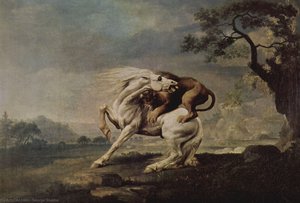
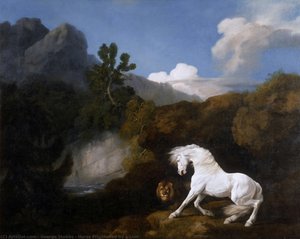
- Стабсова серија слика на тему лава који напада коња представља ране примере романтичног покрета, демонстрирајући његов утицај на уметност 18. века.
Утицаји и историјски значај
Стабс је био пионир у реалистичном приказу животиња, посебно коњева. Његова посвећеност анатомији била је без преседана за његово време, а његови детаљни студији су револуционисали начин на који се животиње сликају. Иако је почео као ученик Хамлета Винстанлија, Стабс је брзо развио свој уникатни стил, комбинујући научну прецизност са уметничком лепотом. Његов рад је имао знатан утицај на касније генерације сликара животиња, укључујући Џошуа Рејнолдса. Стабс је био иноватор не само у техници већ и у начину приказивања коњева – често их је представљао као племените и моћне битије, а не само као радну снагу. Стабсово наслеђе као сликара коњева остаје неупоредиво, а његови радови настављају да инспиришу и одушевљавају љубитеље уметности широм света.- Погледајте Стабсове радове на https://ArtsDot.com/@/george_stubbs
- Истражите збирку Националне галерије у Лондону, која садржи Стабсова значајна дела, на /sr/art/show/art-8xyffg-sr/
- Сазнајте више о Стабсовом животу и раду на Википедији на https://en.wikipedia.org/wiki/george_stubbs
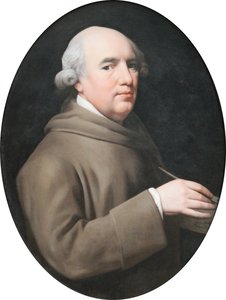
Džordž Stabs
1724 - 1806 , Ujedinjeno Kraljevstvo
Osnovne informacije
- Artistic Movement Or Style: Romantizam, Konjarištvo
- Artists Or Movements Influenced By This Artist: ['Džošua Rejnolds']
- Artists Who Influenced This Artist: ['Hamlet Winstanley']
- Date Of Birth: 25. avgust 1724.
- Date Of Death: 10. jul 1806.
- Full Name: Džordž Stubbs
- Nationality: Britanac
- Notable Artworks:
- Whistlejacket
- Lav i konj
- Lav i tigar
- Place Of Birth: Liverpul, Ujedinjeno Kraljevstvo
Povezani članci

Georges Braque: 25 Remek-dela Kubizma za Inspirisanje Vašeg Doma | ArtsDot
Istražite 25 remek-dela Georges Braquea, pionira kubizma. Otkrijte priče iza slika, tehnike i inspiraciju za dizajn enterijera. Reprodukcije vrhunskog kvaliteta dostupne na ArtsDot.com! Pronađite savršeno umetničko delo online.
The Noble Steed: A Historical and Artistic Exploration of Horses in Fine Art
Explore the rich history of horses in fine art! From ancient depictions to Renaissance masterpieces & beyond, discover iconic artworks and artists. Learn about symbolism, techniques, and find museum-quality reproductions at ArtsDot.
George Stubbs: Anatomical Precision & Romantic Vision in 18th-Century British Art
Explore the captivating world of George Stubbs, the 18th-century master renowned for his anatomical precision & Romantic animal paintings. Discover his legacy and investment potential.
The Noble Steed on Canvas: A Historical & Artistic Exploration of Horse Painting Across Cultures
Explore the rich history of horse painting! Discover masterpieces from Stubbs to Munnings & learn about symbolism, techniques & artists. Find museum-quality reproductions at ArtsDot.

25 Remek-dela Žorža Seurea: Putovanje kroz Svet Tačizma i Impresionističke Revolucije
Istražite 25 remek-dela Žorža Seurea i uronite u svet tačizma i impresionističke revolucije. Otkrijte priče iza slika, tehnike i inspiraciju ovog francuskog umetnika. Reprodukcije vrhunskog kvaliteta dostupne na ArtsDot.com!