 Pregledaj u prostoru
 Pošalji
 Podeli
 Detalji o delu

 Преузми
 Slični predmeti
 Rendgenski snimak
 Slajdovi
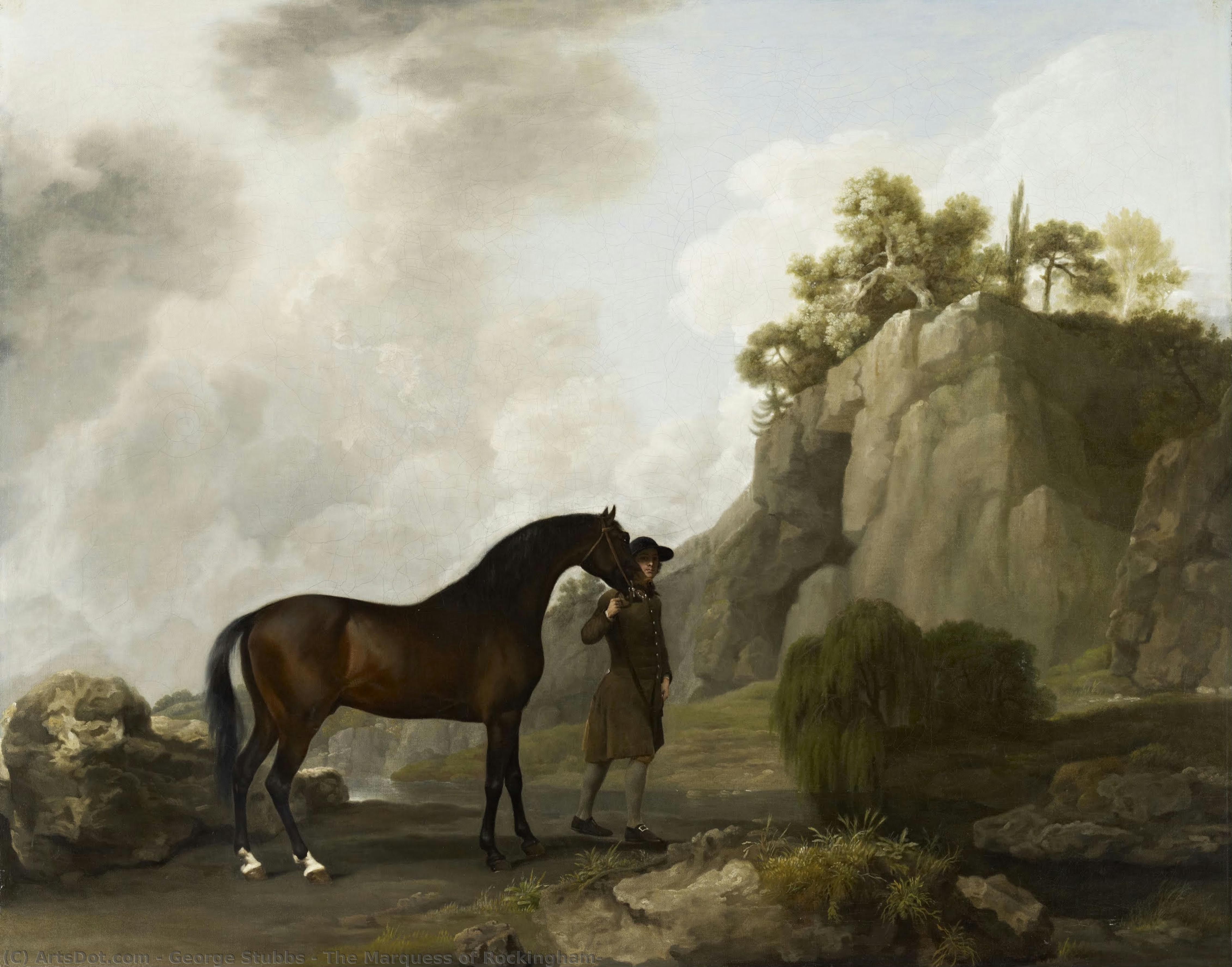
The Marquess of Rockingham


 Pročitaj više
Ručno rađena uljana reprodukcija
Ručno oslikano uljanim bojama na platnu u dimenzijama i okviru po vašem izboru, izrađeno po porudžbini od strane naših umetnika. ( Kupi print Kupi digitalnu sliku)




P118B $10

P118H $10

P118W $10

P438Z $10

P508JH $12

P508YH $12

P805H $10

P805Z $10

P919BZ $10

P919G $10

P919XJ $10

P959ZH $10

P968JZ $12

W106C $8

W218G $10

W218JH $8

W218Y $10

W307PJ $10

W316G $10

W316PJ $8

W316Y $10

W398PJ $8

W4111J $10

W500HY $15

W500JH $15

W692G $12

W849H $8

W940BG $15

W953PJ $8




Izaberite jednu od naših unapred definisanih veličina koje odgovaraju originalnim proporcijama umetničkog dela.

Можете унети сопствене димензије како бисте прилагодили дело одређеном оквиру или простору. Ако одабрана величина не одговара пропорцијама оригинала, слика ће бити исечена или проширена додатним елементима који се ручно насликавају. Дигитални prikaz ће вам бити послат на одобрење пре почетка производње.
Имајте на уму да преглед на екрану не одражава стварно исецање или проширење. Само приказ (mockup) ће тачно приказати коначну композицију.
Иако су доступне прилагођене величине, препоручујемо да одаберете димензију из дефинисане листе како бисте сачували оригиналне пропорције.
Nakon narudžbine, tim ArtsDot.com će klijentu putem e-pošte poslati uputstva i dostaviti prikaz predloženog rešenja
Isporuka širom sveta () za 3/4 nedelje umesto uobičajenih 5 nedelja. (24 август). Bez kompromisa po pitanju kvaliteta.

Besplatna ekspresna dostava širom sveta

Visokokvalitetno laneno platno

Kompletno osiguranje transporta

Garancija povraćaja carine i uvoznih dažbina

Garancija vernosti boja

Politika povrata u roku od 60 dana (samo u slučaju nedostataka)

Garancija povrata novca od 100%

Popust pri grupnoj kupovini
 Opcija sa staklom dostupna je samo za dimenzije manje od 110 cm

The Marquess of Rockingham
Tehnika reprodukcije
Dimenzije reprodukcije
-


Konačna cena
$ 263
Opis umetničkog dela
The Equestrian Portrait of Rockingham: A Window into Georgian Grandeur
George Stubbs’s “The Marquess of Rockingham” is more than just a portrait; it's a meticulously crafted tableau vivant, capturing the essence of 18th-century English aristocracy and the burgeoning fascination with equine excellence. Painted around 1780, this remarkable work transcends mere representation, offering a glimpse into the social dynamics, artistic trends, and scientific curiosity that defined the Georgian era. The painting depicts the Marquess seated upon his magnificent Arabian stallion, a powerful symbol of wealth, status, and mastery – both of the animal and of one’s position within society.
Stubbs, already renowned for his anatomical precision and groundbreaking studies of horses, employed a remarkably realistic style that was revolutionary for its time. He eschewed the idealized forms favored by many contemporary portraitists, instead presenting Rockingham and his horse with an almost brutal honesty. The details are astonishing: the intricate texture of the stallion’s coat, the subtle musculature beneath its skin, the careful rendering of every strand of mane and tail – all speak to Stubbs's deep understanding of animal anatomy, honed through years of dedicated observation and dissection. The background, subtly rendered with a distant tree line and rocky terrain, provides a grounding element, anchoring the scene in a believable landscape.
A Study in Light and Shadow: The Painter’s Technique
Stubbs's masterful use of light is central to the painting’s impact. He employs dramatic chiaroscuro – a stark contrast between light and shadow – to sculpt the forms, emphasizing Rockingham’s noble bearing and the horse’s power. Light falls across the Marquess’s face, illuminating his expression of quiet authority, while deep shadows accentuate the animal's strength and movement. The artist skillfully uses reflected light on the horse’s coat, creating a shimmering effect that adds to its majestic appearance. The brushwork is loose and expressive, particularly in the depiction of the horse’s mane and tail, conveying a sense of dynamic energy.
Notably, Stubbs deliberately placed Rockingham's hand lightly on the horse's neck – a gesture suggesting control and partnership rather than dominance. This subtle detail reveals a sophisticated understanding of equine behavior and highlights the complex relationship between man and animal within this aristocratic context. The composition itself is carefully balanced, drawing the eye from Rockingham’s regal posture to the powerful form of the stallion and then back again, creating a harmonious visual experience.
Symbolism and Social Context
The choice of an Arabian stallion was no accident. These horses were highly prized in Georgian England, representing wealth, exoticism, and refined taste. Their possession signified membership within the upper echelons of society. Rockingham himself was a prominent Whig politician and member of Parliament, deeply involved in shaping British policy during this period. The painting thus serves as both a personal portrait and a statement of his social standing.
Furthermore, the inclusion of the horse reflects the growing scientific interest in animal anatomy prevalent at the time. Stubbs’s detailed studies were informed by a desire to understand the mechanics of movement and the underlying structure of animals – a pursuit that foreshadowed later developments in comparative anatomy and veterinary medicine. The painting can be viewed as a synthesis of artistic skill, aristocratic patronage, and burgeoning scientific inquiry.
A Timeless Masterpiece: Reproduction and Legacy
“The Marquess of Rockingham” remains a captivating work of art, offering a rare glimpse into the world of Georgian England. Reproductions, meticulously crafted to capture the painting’s original detail and atmosphere, provide an accessible way for contemporary audiences to appreciate Stubbs's genius. When selecting a reproduction, consider the quality of materials and printing techniques – ensuring that the colors accurately reflect the artist’s palette and the nuances of his brushwork. This iconic portrait continues to inspire admiration for its technical brilliance, historical significance, and enduring appeal.
Srodna umetnička dela
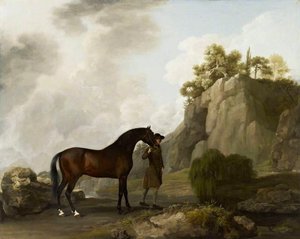
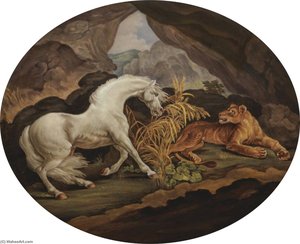
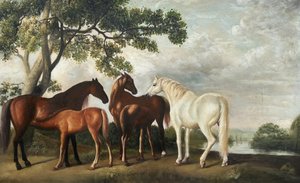
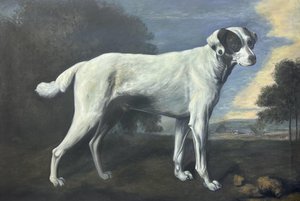
Biografija umetnika
Рани живот и образовање
Џорџ Стабс, прослављени енглески сликар, рођен је 25. августа 1724. године у Ливерпулу, Уједињеном Краљевству. Његов рани живот био је обележен оскудним записима о његовим активностима до тридесете пете године, а већина информација потиче из мемоара Озијаса Хамфрија, заснованих на разговорима са Стабсом 1794. године. Стабс је започео свој уметнички пут у петнаестој години, прво радећи под руководством оца, кожника или прерађивача коже. Касније се обратио Хамлету Винстанлију, сликару и граверу из Ланкашира, за кратку праксу. Овај кратки период му је омогућио да проучава збирку у Кнозли Холу.Уметнички развој и значајна дела
Стабсова страст за анатомијом довела га је 1744. године у Јорк, где је студирао под хирургом Чарлсом Аткинсоном у окружној болници у Јорку. Једно од његових најранијих сачуваних дела је серија илустрација за уџбеник Џона Буртона о акушерству, објављен 1751. године. Године 1756. Стабс је изнајмио фарму у Линколнширу и провео пуних осамнаест месеци дисекујући коње, уз помоћ своје ванбрачне супруге Мери Спенсер. Ово је довело до објављивања Анатомије коња 1766. године, а оригинални цртежи се сада чувају у Краљевској академији. Стабсов рад је ускоро препознат од стране водећих аристократских покровитеља, укључујући трећег војводу од Ричмонда, који је наручио три велике слике 1759. године. Ово је означило почетак његове успешне каријере, са радовима произведеним за неколико војвода и лордова, што је кулминирало куповином куће у Мерилебону, Лондону.Наслеђе и ремек-дела
Стабсово најпознатије дело, "Вистлджакет", слика галопирајућег коња наручена од другог маркиза од Рокингема, сада се налази у Националној галерији у Лондону. Ова слика и још две слике за Рокингема прекидају са конвенцијама, карактеришући се једноставним позадинама. "Вистлджакет", тржни коњ који се уздиже на задње ноге, демонстрира Стабсову неупоредиву вештину у хватању суштине коња.- "Вистлджакет", грциозни тршни коњ, показује изванредно познавање анатомије и динамике покрета.
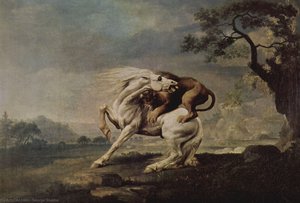
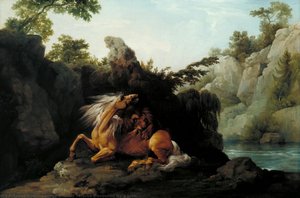
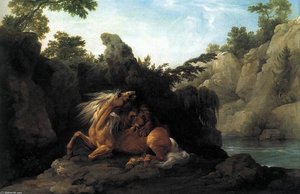
- Стабсова серија слика на тему лава који напада коња представља ране примере романтичног покрета, демонстрирајући његов утицај на уметност 18. века.
Утицаји и историјски значај
Стабс је био пионир у реалистичном приказу животиња, посебно коњева. Његова посвећеност анатомији била је без преседана за његово време, а његови детаљни студији су револуционисали начин на који се животиње сликају. Иако је почео као ученик Хамлета Винстанлија, Стабс је брзо развио свој уникатни стил, комбинујући научну прецизност са уметничком лепотом. Његов рад је имао знатан утицај на касније генерације сликара животиња, укључујући Џошуа Рејнолдса. Стабс је био иноватор не само у техници већ и у начину приказивања коњева – често их је представљао као племените и моћне битије, а не само као радну снагу. Стабсово наслеђе као сликара коњева остаје неупоредиво, а његови радови настављају да инспиришу и одушевљавају љубитеље уметности широм света.- Погледајте Стабсове радове на https://ArtsDot.com/@/george_stubbs
- Истражите збирку Националне галерије у Лондону, која садржи Стабсова значајна дела, на /sr/art/show/art-8xyffg-sr/
- Сазнајте више о Стабсовом животу и раду на Википедији на https://en.wikipedia.org/wiki/george_stubbs
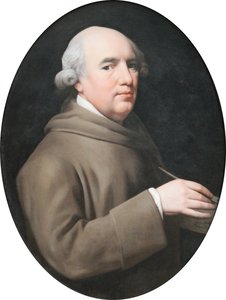
Džordž Stabs
1724 - 1806 , Ujedinjeno Kraljevstvo
Osnovne informacije
- Artistic Movement Or Style: Romantizam, Konjarištvo
- Artists Or Movements Influenced By This Artist: ['Džošua Rejnolds']
- Artists Who Influenced This Artist: ['Hamlet Winstanley']
- Date Of Birth: 25. avgust 1724.
- Date Of Death: 10. jul 1806.
- Full Name: Džordž Stubbs
- Nationality: Britanac
- Notable Artworks:
- Whistlejacket
- Lav i konj
- Lav i tigar
- Place Of Birth: Liverpul, Ujedinjeno Kraljevstvo
Povezani članci

Georges Braque: 25 Remek-dela Kubizma za Inspirisanje Vašeg Doma | ArtsDot
Istražite 25 remek-dela Georges Braquea, pionira kubizma. Otkrijte priče iza slika, tehnike i inspiraciju za dizajn enterijera. Reprodukcije vrhunskog kvaliteta dostupne na ArtsDot.com! Pronađite savršeno umetničko delo online.
George Stubbs: Anatomical Precision & Romantic Vision in 18th-Century British Art
Explore the captivating world of George Stubbs, the 18th-century master renowned for his anatomical precision & Romantic animal paintings. Discover his legacy and investment potential.

25 Remek-dela Žorža Seurea: Putovanje kroz Svet Tačizma i Impresionističke Revolucije
Istražite 25 remek-dela Žorža Seurea i uronite u svet tačizma i impresionističke revolucije. Otkrijte priče iza slika, tehnike i inspiraciju ovog francuskog umetnika. Reprodukcije vrhunskog kvaliteta dostupne na ArtsDot.com!
Životinjski svet u umetnosti: Simbolika, istorijski uticaj i savremene interpretacije
Istražite bogatu simboliku životinja u umetnosti kroz istoriju! Otkrijte primere dela slavnih umetnika i savremene interpretacije. Kvalitetne reprodukcije i konsultacije za vaš dom.
The Noble Steed on Canvas: A Historical & Artistic Exploration of Horse Painting Across Cultures
Explore the rich history of horse painting! Discover masterpieces from Stubbs to Munnings & learn about symbolism, techniques & artists. Find museum-quality reproductions at ArtsDot.