

 Pregledaj u prostoru
 Pošalji
 Podeli
 Detalji o delu

 Преузми
 Slični predmeti
 Rendgenski snimak
 Slajdovi
 Statistika
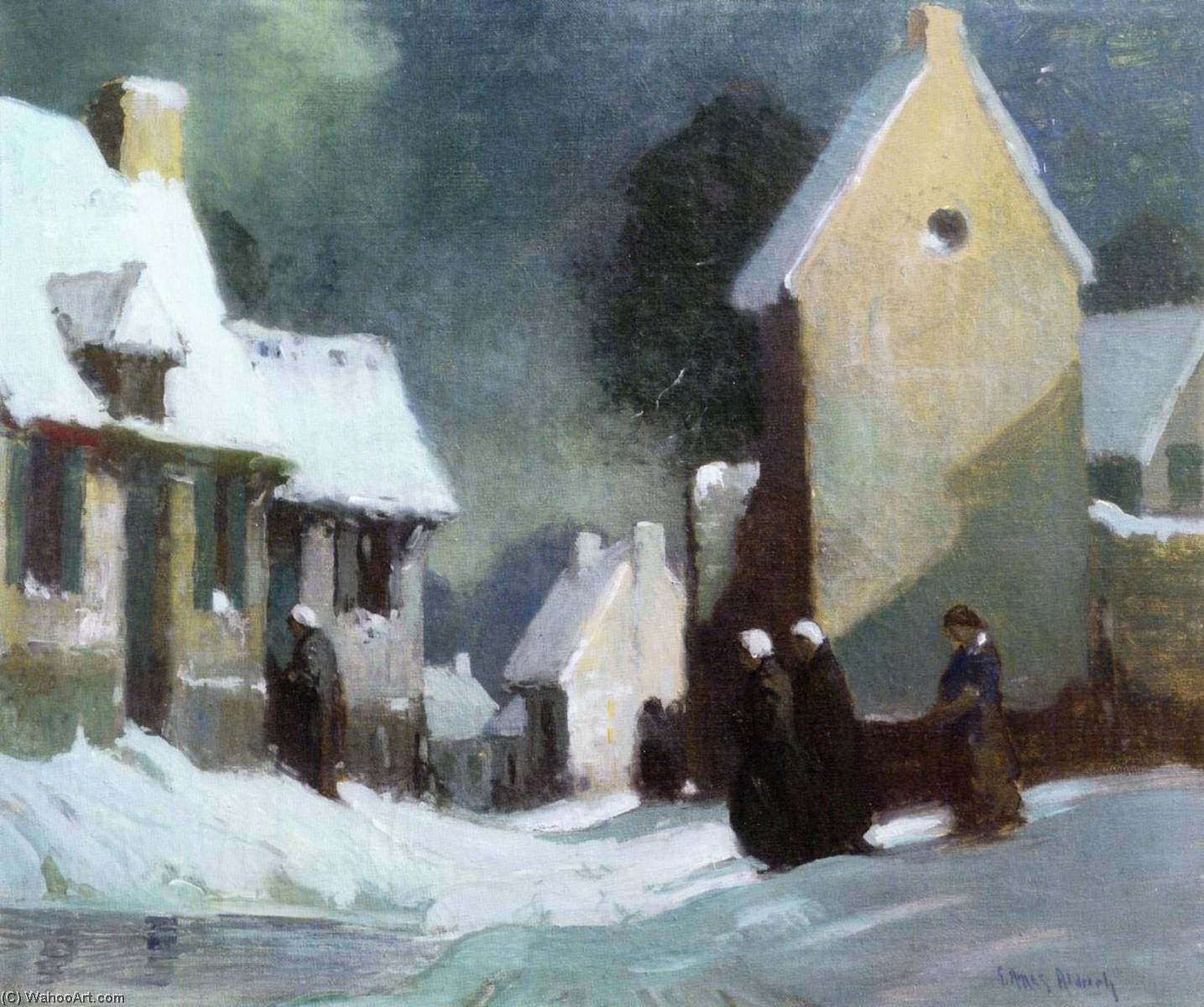
French Village at Night

 Pročitaj više
Giclee štampa / Umetnički otisak
Giclée štampa ili print na platnu muzejskog kvaliteta uz brzu proizvodnju i fleksibilne opcije završne obrade. ( Kupi ručno naslikanu sliku Pređi na digitalnu sliku)




































Izaberite jednu od naših unapred definisanih veličina koje odgovaraju originalnim proporcijama umetničkog dela.

Možete uneti sopstvene dimenzije kako biste umetničko delo prilagodili specifičnom okviru ili prostoru. Ako odabrani format ne odgovara proporcijama originalne slike, mi ćemo ili iscrtati deo dela ili proširiti sliku pomoću ogledane ivice ili jednobojnog popunjavanja. Digitalni prikaz će vam biti poslat na odobrenje pre početka proizvodnje.
Imajte na umu da pregled na ekranu ne odražava stvarno iscrtavanje ili proširivanje. Samo će prikaz (mockup) precizno pokazati finalnu kompoziciju.
Iako su prilagođene dimenzije dostupne, preporučujemo da odaberete dimenziju sa unapred definisane liste kako biste očuvali originalne proporcije.
Dostava širom sveta () za 2 nedelje umesto uobičajenih 4/5 nedelja. (9 септембар)

Besplatna ekspresna dostava širom sveta

Visokokvalitetno laneno platno

Kompletno osiguranje transporta

Garancija povraćaja carine i uvoznih dažbina

Garancija vernosti boja

Politika povraćaja u roku od 100 dana (isključivo u slučaju nedostataka)

Garancija povrata novca od 100%

Popust pri grupnoj kupovini
 Opcija sa staklom dostupna je samo za dimenzije manje od 110 cm

French Village at Night
Giclee štampa / Umetnički otisak
Dimenzije reprodukcije
-


Konačna cena
$ 62
A Serene Winter's Embrace: "French Village at Night"
Georges Ames Aldrich’s “French Village at Night” offers a captivating glimpse into a tranquil winter scene. This oil painting transports the viewer to a picturesque French village bathed in the soft glow of lamplight and moonlight, evoking a sense of peace and quietude that is both comforting and visually stunning. The artwork's appeal lies not only in its technical execution but also in its ability to capture a fleeting moment of everyday life with an Impressionistic sensibility.
Impressionistic Technique & Composition
Aldrich masterfully employs the techniques characteristic of Impressionism. Noticeable brushstrokes create a textured surface, lending dynamism and vitality to the scene. The composition is thoughtfully arranged; houses lining the left side recede into the background, establishing depth through atmospheric perspective – distant buildings appear paler and less defined. The diagonal line formed by the roof on the right adds visual interest and movement, preventing the horizontal format from feeling static. Figures strolling along the street draw the eye towards a central point, suggesting a sense of community and shared experience within this snowy landscape.
Color Palette & Lighting: Evoking Atmosphere
The color palette is dominated by cool tones – blues, whites, and grays – perfectly reflecting the wintery setting. However, Aldrich skillfully introduces warm highlights in the houses' walls and lanterns, creating a striking contrast that draws attention to these focal points. The lighting itself is soft and diffused, suggesting moonlight or lamplight gently illuminating the scene. This careful manipulation of light and shadow contributes significantly to the painting’s overall atmosphere, enhancing its sense of realism and depth.
Symbolism & Emotional Resonance
Beyond its aesthetic beauty, “French Village at Night” carries symbolic weight. The snow itself represents purity and stillness, while the lanterns symbolize warmth and guidance amidst the darkness. The figures walking along the street evoke a feeling of resilience and community spirit – a testament to human connection even in the face of winter's chill. Aldrich’s work isn’t merely depicting a scene; it’s conveying an emotional experience—a moment of quiet contemplation, a sense of belonging, and appreciation for the simple beauty of rural life.
A Legacy of Impressionistic Landscapes
Georges Ames Aldrich (1872-1941) was an American artist celebrated for his Impressionistic landscapes and depictions of industrial nocturnes. His work often focused on capturing the essence of rural life, French villages, and the impact of the American Industrial Revolution. “French Village at Night” exemplifies his ability to translate everyday scenes into evocative works of art that resonate with viewers long after they’ve looked away.
Srodna umetnička dela
Biografija umetnika
The Atmospheric Vision of Georges Ames Aldrich
Georges Ames Aldrich (1872–1941) occupied a unique space in the American artistic consciousness, acting as a bridge between the quietude of Tonalism and the vibrant energy of Impressionism. Born George Eugene Aldrich in Worcester, Massachusetts, his journey was one of profound movement—both geographical and stylistic. While his roots were firmly planted in New England, his artistic soul was shaped by the cobblestone streets of Europe and the burgeoning industrial landscapes of the American Midwest. His work does not merely depict scenes; it captures the very breath of the atmosphere, inviting viewers into worlds where light and shadow perform a delicate, eternal dance.
Aldrich’s formative years were marked by an itinerant spirit that would later define his aesthetic versatility. After initial studies at the Art Students League of New York in the early 1890s, he ventured to Paris, immersing himself in the epicenter of the modern art movement. It was during this period, between 1894 and 1900, that he absorbed the revolutionary techniques of the French masters. Influenced by the luminous touch of Claude Monet and the fluid, water-focused brilliance of Norwegian Impressionist Fritz Thaulow, Aldrich developed a signature ability to render flowing water, stone architecture, and the ephemeral quality of moonlight with remarkable precision.
A Tapestry of Landscapes and Industrial Dreams
The breadth of Aldrich’s oeuvre is nothing short of extraordinary, spanning from the romanticized charm of European villages to the gritty, transformative power of the American Industrial Revolution. His travels through France, Germany, and England left an indelible mark on his palette, resulting in evocative depictions of French villages bathed in the soft, nocturnal glow of lamplict. In works such as French Village at Night, one can feel the hush of a winter’s evening, where cool blues and whites are punctuated by the warmth of human habitation, creating a sense of profound peace.
However, Aldrich was far from a mere escapist. Upon relocating to Indiana around 1900, he turned his gaze toward the evolving American landscape. He became a significant figure within the Hoosier Salon circles, capturing the spirit of the Midwest with a nuanced eye for both its natural beauty and its industrial progress. This duality is perhaps most powerfully realized in his 1926 masterpiece, The Melting Pot. In this striking industrial nocturne, Aldrich moves away from pastoral tranquility to confront the imposing reality of the machine age. Through thick, expressive brushwork and a somber palette, he portrays smokestacks belching plumes into a bleak sky, offering a poignant commentary on the tension between technological advancement and the natural world.
Legacy and Artistic Significance
Throughout his career, Aldrich maintained a steady presence in major exhibition circuits, earning recognition from prestigious institutions such as the Art Institute of Chicago. His ability to blend the subtle tonal shifts of Tonalism with the textured, light-driven approach of Impressionism allowed him to capture subjects that were simultaneously grounded in reality and elevated by emotion. Whether he was painting the maritime charm of a Gloucester Scene or the moonlit reflections of Le Soir, River Elaune, his focus remained on the evocative power of the moment.
The historical significance of Georges Ames Aldrich lies in his role as a chronicler of change. He documented a world in transition—a period where the quiet, rural traditions of the nineteenth century were being rapidly reshaped by the industrial fervor of the twentieth. His paintings serve as windows into this era, preserving the light of vanished villages and the smoke of rising cities. Today, his work remains a testament to the enduring power of atmospheric painting, reminding us that even in the midst of profound change, there is a lasting beauty to be found in the way light touches the earth.

georges ames aldrich
1872 - 1941
Osnovne informacije
- Artistic Movement Or Style: Impressionism
- Artists Or Movements Influenced By This Artist: ['French Impressionism']
- Artists Who Influenced This Artist:
- Claude Monet
- Pierre Auguste Renoir
- Date Of Birth: June 3, 1872
- Full Name: Georges Ames Aldrich
- Nationality: American
- Notable Artworks:
- Le Soir, River Elaune
- Mountain Lake
- The Melting Pot
- Place Of Birth: Worcester, Massachusetts
Povezani članci

Glavna dela koja su definisala Romantični pejzaž: 10 remek-dela za vaš dom
Otkrijte 10 remek-dela romantičnog pejzažnog slikarstva! Uronite u svet Claude Lorraina, Caspara David Friedricha i Turnera. Ispričane priče umetnosti, inspiracija za dekoraciju doma. Kvalitetne reprodukcije na ArtsDot.com – istražite celu kolekciju online!

Impressionistic Landscapes: 10 Masterpieces That Changed Art & Decor
Journey into the heart of Impressionism! Explore 10 masterpieces by Monet, Renoir & Degas that revolutionized landscape art. Discover their stories, techniques & find museum-quality reproductions to elevate your home decor on ArtsDot.com.

Evocations of Place: A Historical Journey Through Landscape Art
Explore the rich history of landscape art with ArtsDot. Discover renowned artists, movements like Impressionism & tonalism, and expert guidance for collecting timeless pieces. Find your perfect serene escape today!

Evocations of Place: A Historical Journey Through Landscape Art
Explore the rich history of landscape art with ArtsDot. Discover renowned artists, movements like Impressionism & Romanticism, and expert guidance for collecting timeless pieces. Find your perfect serene escape today!

Paul Cézanne: 25 Remek-dela Revolucionarnog Umjetnika | ArtsDot
Istražite 25 remek-dela Paula Cézanna, revolucionarnog slikara impresionizma i postimpresionizma. Otkrijte priče iza ikoničnih pejzaža, portreta i mrtve prirode. Kupite luksuzne reprodukcije slika na ArtsDot.com!