 Pregledaj u prostoru
 Pošalji
 Podeli
 Detalji o delu

 Преузми
 Slični predmeti
 Rendgenski snimak
 Slajdovi
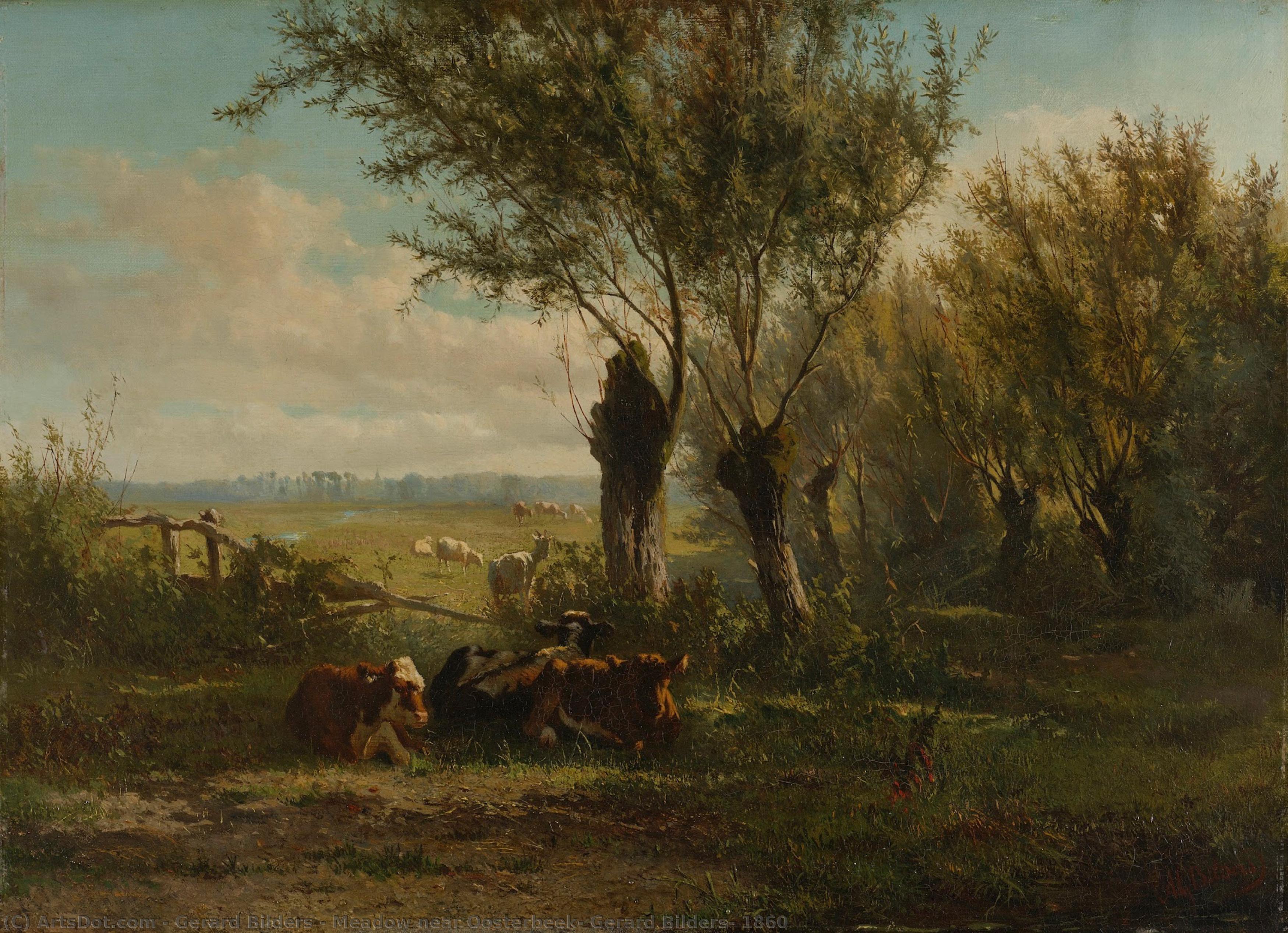
Meadow near Oosterbeek, Gerard Bilders, 1860
 1860
1860 39.0 x 55.0 cm
 Pročitaj više
Giclee štampa / Umetnički otisak
Giclée štampa ili print na platnu muzejskog kvaliteta uz brzu proizvodnju i fleksibilne opcije završne obrade. ( Kupi ručno naslikanu sliku Kupi digitalnu sliku)




































Izaberite jednu od naših unapred definisanih veličina koje odgovaraju originalnim proporcijama umetničkog dela.

Možete uneti sopstvene dimenzije kako biste umetničko delo prilagodili specifičnom okviru ili prostoru. Ako odabrani format ne odgovara proporcijama originalne slike, mi ćemo ili iscrtati deo dela ili proširiti sliku pomoću ogledane ivice ili jednobojnog popunjavanja. Digitalni prikaz će vam biti poslat na odobrenje pre početka proizvodnje.
Imajte na umu da pregled na ekranu ne odražava stvarno iscrtavanje ili proširivanje. Samo će prikaz (mockup) precizno pokazati finalnu kompoziciju.
Iako su prilagođene dimenzije dostupne, preporučujemo da odaberete dimenziju sa unapred definisane liste kako biste očuvali originalne proporcije.
Dostava širom sveta () za 2 nedelje umesto uobičajenih 4/5 nedelja. (7 септембар)

Besplatna ekspresna dostava širom sveta

Visokokvalitetno laneno platno

Kompletno osiguranje transporta

Garancija povraćaja carine i uvoznih dažbina

Garancija vernosti boja

Politika povraćaja u roku od 100 dana (isključivo u slučaju nedostataka)

Garancija povrata novca od 100%

Popust pri grupnoj kupovini
 Opcija sa staklom dostupna je samo za dimenzije manje od 110 cm

Meadow near Oosterbeek, Gerard Bilders, 1860
Giclee štampa / Umetnički otisak
Dimenzije reprodukcije
-


Konačna cena
$ 62
Srodna umetnička dela









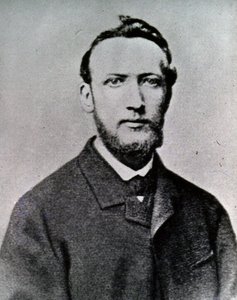
Biografija umetnika
Gerard Bilders: A Life Immersed in Dutch Pastoral and Light
Gerard Bilders, born in Amsterdam in 1858, was a pivotal figure in the late Dutch Impressionist movement, though his artistic journey wasn’t one of immediate recognition. He initially pursued studies at the Rijksakademie van Beeldende Kunsten, following a conventional path for aspiring artists of the time. However, Bilders quickly found himself drawn away from the academic rigidity and towards a more personal exploration of light, atmosphere, and the Dutch landscape. His early works reflect this transition – a loosening of brushstrokes, a softening of form, and an increasing focus on capturing the ephemeral qualities of nature. Unlike many of his contemporaries who sought radical departures from tradition, Bilders’s innovation lay in refining existing themes—the idyllic countryside, intimate domestic scenes, and portraits—through the lens of Impressionist principles. He wasn't interested in shocking or dismantling artistic conventions; rather, he aimed to elevate them with a heightened sensitivity to color and light.The Influence of Barbizon and Early Impressionism
Bilders’s formative years were significantly shaped by exposure to the Barbizon school of painting during travels to France in the 1870s. The Barbizon artists, with their dedication to plein air painting and realistic depictions of rural life, resonated deeply with Bilders's own artistic inclinations. He absorbed their commitment to observing nature directly, but he also began to look towards the emerging Impressionist movement for further inspiration. While never fully embracing the radical techniques of Monet or Renoir, Bilders adopted their broken brushwork and vibrant palettes, adapting them to his distinctly Dutch sensibility. This resulted in a unique style characterized by a luminous quality and a subtle emotional depth. He found particular resonance with Johan Jongkind, whose atmospheric landscapes influenced Bilders’s treatment of skies and water. The influence wasn't merely technical; it was a shared pursuit of capturing the fleeting beauty of the natural world, imbued with a sense of quiet contemplation.A Master of Dutch Pastoral: Themes and Techniques
Bilders became renowned for his depictions of the Dutch countryside, particularly the regions surrounding Laren and Oosterbeek. His paintings are often characterized by scenes of farmers working in fields, women tending gardens, or families enjoying peaceful moments outdoors. These weren’t idealized portrayals; Bilders sought to capture the everyday realities of rural life with a sense of authenticity and respect. He masterfully employed a technique that involved layering thin washes of color to create a luminous effect, often focusing on the interplay of sunlight and shadow. His palette was typically restrained, favoring muted tones of greens, browns, and blues, punctuated by occasional bursts of brighter colors. The use of light is paramount in his work, transforming ordinary scenes into moments of poetic beauty. He also excelled at portraiture, often depicting members of his family and friends with a similar sensitivity to light and atmosphere. His portraits are not grand statements but rather intimate studies of character and personality.Recognition and Legacy: A Quiet Revolution
Despite consistently producing high-quality work, Bilders faced challenges in gaining widespread recognition during his lifetime. The Dutch art world was often slow to embrace new movements, and his subtle style didn’t always align with the prevailing tastes of the time. However, he gradually gained a following among collectors and critics who appreciated his refined technique and poetic sensibility. His work began to be exhibited more frequently in the late 1890s and early 1900s, and he eventually achieved a degree of critical acclaim. Today, Gerard Bilders is recognized as one of the most important Dutch Impressionists. His paintings are held in major museums throughout the Netherlands and beyond, and his legacy continues to inspire artists who seek to capture the beauty and tranquility of the natural world. He demonstrated that innovation doesn’t always require radical departures from tradition; sometimes, it lies in refining existing themes with a heightened sensitivity to light, color, and atmosphere. His quiet revolution—a subtle but profound shift in artistic perception—continues to resonate with audiences today.Major Achievements & Historical Significance
- Pioneering Dutch Impressionism: Bilders played a crucial role in introducing and adapting Impressionist principles to the Dutch landscape, creating a distinctly national style.
- Masterful Use of Light: His exceptional ability to capture the nuances of light and atmosphere set him apart from his contemporaries.
- Authentic Depictions of Rural Life: Bilders’s paintings offer a sensitive and realistic portrayal of everyday life in the Dutch countryside, avoiding romanticization or idealization.
- Influence on Later Generations: His work inspired subsequent generations of Dutch artists to explore the beauty and tranquility of their own surroundings.
- Preservation of Dutch Pastoral Tradition: Bilders’s paintings helped preserve a sense of connection to the traditional Dutch landscape, even as the country underwent rapid modernization.