 Pregledaj u prostoru
 Pošalji
 Podeli
 Detalji o delu

 Преузми
 Slični predmeti
 Rendgenski snimak
 Slajdovi
 Statistika
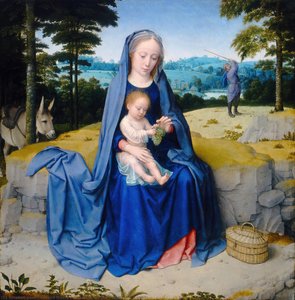
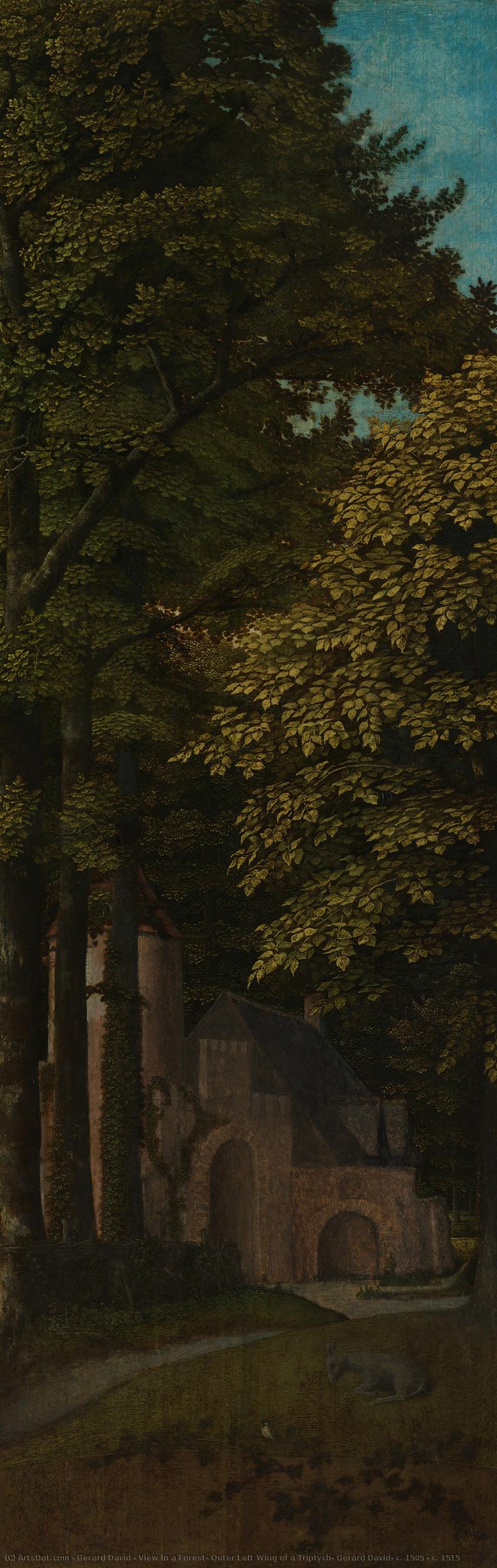
View in a Forest, Outer Left Wing of a Triptych, Gerard David, c. 1505 - c. 1515
 1515
1515 90.0 x 31.0 cm
 Pročitaj više
Giclee štampa / Umetnički otisak
Giclée štampa ili print na platnu muzejskog kvaliteta uz brzu proizvodnju i fleksibilne opcije završne obrade. ( Kupi ručno naslikanu sliku Pređi na digitalnu sliku)




































Izaberite jednu od naših unapred definisanih veličina koje odgovaraju originalnim proporcijama umetničkog dela.

Možete uneti sopstvene dimenzije kako biste umetničko delo prilagodili specifičnom okviru ili prostoru. Ako odabrani format ne odgovara proporcijama originalne slike, mi ćemo ili iscrtati deo dela ili proširiti sliku pomoću ogledane ivice ili jednobojnog popunjavanja. Digitalni prikaz će vam biti poslat na odobrenje pre početka proizvodnje.
Imajte na umu da pregled na ekranu ne odražava stvarno iscrtavanje ili proširivanje. Samo će prikaz (mockup) precizno pokazati finalnu kompoziciju.
Iako su prilagođene dimenzije dostupne, preporučujemo da odaberete dimenziju sa unapred definisane liste kako biste očuvali originalne proporcije.
Dostava širom sveta () za 2 nedelje umesto uobičajenih 4/5 nedelja. (9 септембар)

Besplatna ekspresna dostava širom sveta

Visokokvalitetno laneno platno

Kompletno osiguranje transporta

Garancija povraćaja carine i uvoznih dažbina

Garancija vernosti boja

Politika povraćaja u roku od 100 dana (isključivo u slučaju nedostataka)

Garancija povrata novca od 100%

Popust pri grupnoj kupovini
 Opcija sa staklom dostupna je samo za dimenzije manje od 110 cm

View in a Forest, Outer Left Wing of a Triptych, Gerard David, c. 1505 - c. 1515
Giclee štampa / Umetnički otisak
Dimenzije reprodukcije
-


Konačna cena
$ 62
Srodna umetnička dela







Biografija umetnika
Мајстор Фламандске Светлости: Енигматични Свет Жерара Давида
Жерад Давид, име које одјекује сјајем ране фламанске слике, остаје уметник обављен интригантном мистеријом. Рођен око 1460. године у Оудеватер-у, Холандија, његова животна прича се саставља из фрагментираних архивских записа и елоквентног сведочанства његове уметности. За разлику од неких савременика чији су животи богато документовани, Давидова лична нарација је оскудна, омогућавајући његовим сликама да говоре запретно тамо где се биолошки детаљи губе у тишини. Оно што се зна сугерише изузвено успешну каријеру, вероватно управљање радионицама и у Антверпену и Брижу – центрима уметничке иновације током Ренесансе. Његова репутација је доживела пад у 17. веку, да би била славно васкрснута од стране историчара уметности из 19. века који су препознали његове јединствене прилоге Северној Ренесанси. Уведен је као слободни мајстор у Корпорацију Сликара и Седлара у Брижу 1484. године, обележавајући преломни тренутак у његовом успону. Касније учешће у еснафу Антверпена 1515. године додатно учвршћује његов статус у уметничкој заједници.Формативни Утицаји и Уметнички Развој
Давидов уметнички пут започео је под утицајима који су обликовали основу његовог стила. Ране радове откривају јасну захвалност сликарима попут Јакоба Јансзона, Дирика Боутса и Геертгена тота Синта Јанса – мајстора који су у њега уградили прецизну пажњу на детаље и осетљивост на религиозну нарацију. Верује се да је провео време у Харлему апсорбујући ове лекције пре него што се преселио у Бриж, животан центар размене уметности који привлачи таленте из целог Европе. Овде је Давид наишао на ремек-дела Јана ван Ејка, Рогијера ван дер Вејдена и Ханса Мелинга, апсорбујући њихове технике док је ковао свој посебан пут. Он није само имитирао; синтетизовао је ове утицаје у нешто јединствено своје – стил карактеристичан живописном бојом, мирним композицијама и све већим разумевањем пејзажа. Његове ране слике демонстрирају ову еволуцију, прелазећи од луткичастих фигура подсећајућих на харлемске традиције ка скулптуралнијим формама укорењеним у својој средини. Ова транзиција је видљива у делима као што је *Христос Распет*, где се утицај Боутсове просторне конструкције меша са Давидовом растућом колористичком осетљивоšću.Иновације у Пејзажу и Религиозној Нарацији
Уметнички потпис Жерара Давида лежи у његовом иновативном приступу пејзажима и религиозним темама. Он није само приказивао позадину; стварао је импресивна окружења која су побољшала емоционални резонанс његових сцена. Његови пејзажи нису само украсни, већ интегрални делови наратива, често проткани симболичким значењем. Ова фасцинација природним окружењима – густим шумама, таласастим брдима, пространим небом – издвојила га је од многих савременика и предсказала развој пејзажне слике као самосталног жанра. Размотрите *Поглед у Шуму*, спољни крилa триптиха; то није само позадина, већ свет за себе, рендерван уз прецизне детаље и атмосферску перспективу. У својим религиозним делима Давид је показао изучан дар да пренесе дубоку духовности и људске емоције. Слике као што је *Венчање Св. Катарине* оличавају ову вештину. Сцена је рендервана са изврсним детаљима, али су управо суптилни изрази на лицима фигура – њихова побожност, контемплација или нежна радост – ти који заистину очаравају гледаоца. Имао је дар да својим светим субјектима пружи осећај тихе достојанствености и повезане хуманости. *Триптих Богородице на Престолу и Светитеља* у Ђенови показује ово мајсторство, представљајући хармоничну композицију испуњену живописном бојом и деликатним детаљима. Његова *Дева међу Девама*, донирана кармелитским монахињама у Сиону у Брижу, је још један тест његове вештине, садржећи самопортрет у слици – ретку и интимну гесту од уметника тог времена.Наслеђе и Трајни Утицај
Иако му је слава опала након смрти 1523. године, Давидов утицај на касније генерације уметника је неоспоран. Његова иновативна употреба боје, мајсторско бављење светом и сенком и пионирски приступ пејзажу оставили су неизбрисив траг на развоју фламанске слике. Утврдио је пут за уметнике који би даље истраживали експресивни потенцијал природних окружења, попут Јакоба Патинира и Јакоба ван Руисдаела.- Мост Између Традиција: Давид је успешно повезао рупу између касне средњовековне традиције и носећег Ренесансног стила.
- Утицај на Пејзажну Слику: Његови детаљни и атмосферски пејзажи предсказали су развој пејзажа као посебног жанра.
- Мајстор Боје: Био је познат по својој живописној палети и вештој употреби боје за стварање емоционалног утицаја.
Даље Истраживање
- ArtsDot.com: Откријте опсежну колекцију слика Жерара Давида, укључујући *Поклоњење мудраца*.
- Поглед у Шуму: Истражите ову запањујућу слику Северне Ренесансе.
- Рани Фламандски Уметнички Покрет: Зароните дубље у уметнички контекст Давидовог рада.
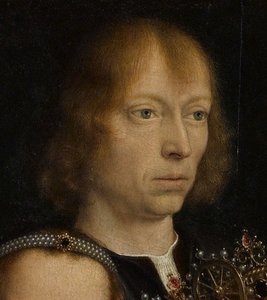
Жерар Давид
1450 - 1523
Osnovne informacije
- Artistic Movement Or Style: Rana nizozemska škola
- Artists Or Movements Influenced By This Artist:
- Jacob Patinir
- Jacob van Ruisdael
- Artists Who Influenced This Artist:
- Jacob Janszoon
- Dieric Bouts
- Geertgen tot Sint Jans
- Date Of Birth: oko 1460.
- Date Of Death: 1523.
- Full Name: Gerard David
- Nationality: Holandska
- Notable Artworks:
- Venčanje Sv. Katarine
- Triptih Madone sa detetom
- Devica među devicama
- Place Of Birth: Oudewater, Holandija