

 Pregledaj u prostoru
 Pošalji
 Podeli
 Detalji o delu

 Преузми
 Slični predmeti
 Rendgenski snimak
 Slajdovi
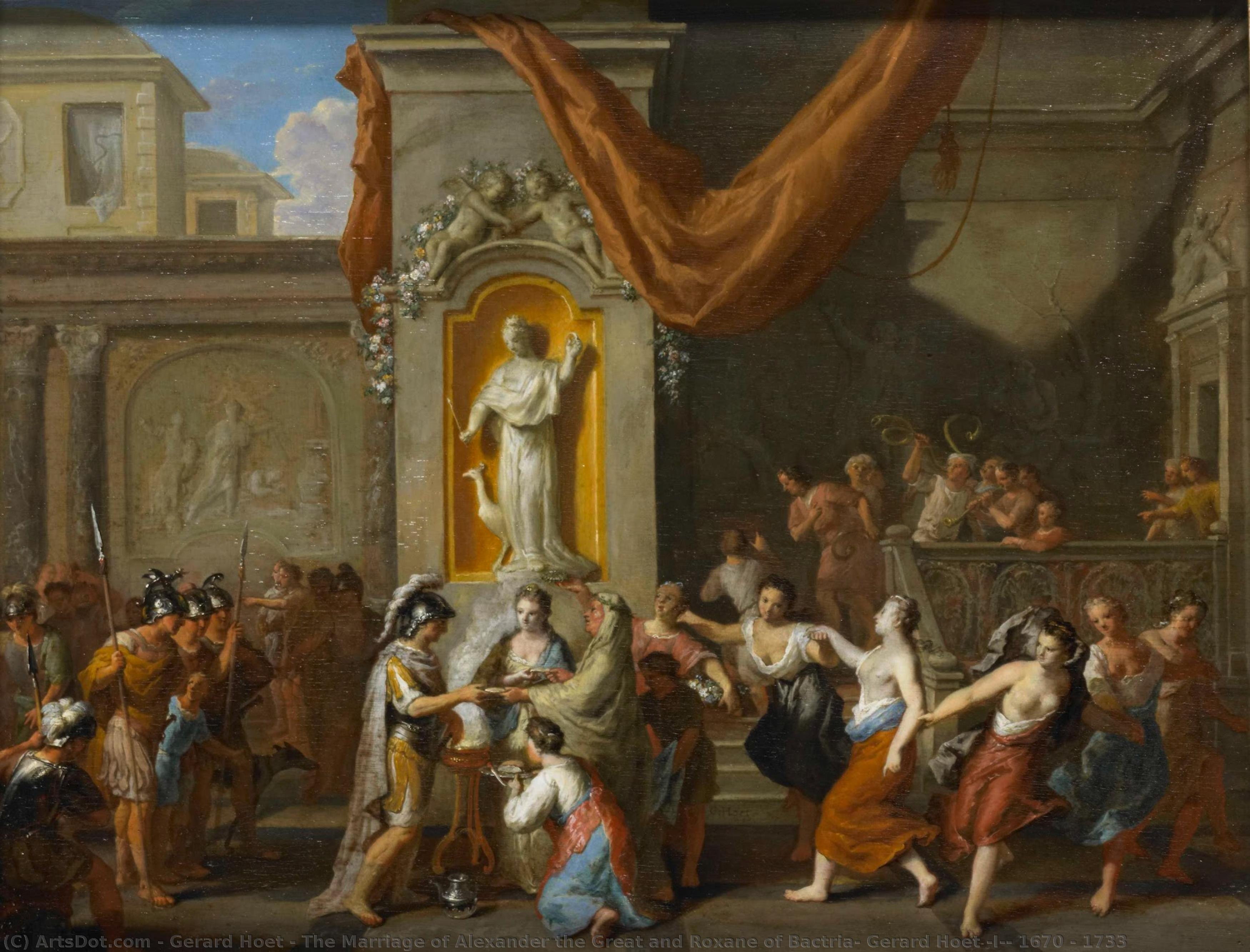
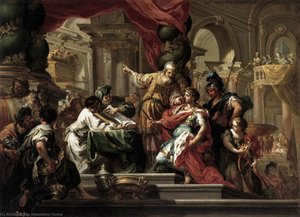
The Marriage of Alexander the Great and Roxane of Bactria, Gerard Hoet (I), 1670 - 1733


 Pročitaj više
Giclee štampa / Umetnički otisak
Giclée štampa ili print na platnu muzejskog kvaliteta uz brzu proizvodnju i fleksibilne opcije završne obrade. ( Kupi ručno naslikanu sliku Kupi digitalnu sliku)




































Izaberite jednu od naših unapred definisanih veličina koje odgovaraju originalnim proporcijama umetničkog dela.

Možete uneti sopstvene dimenzije kako biste umetničko delo prilagodili specifičnom okviru ili prostoru. Ako odabrani format ne odgovara proporcijama originalne slike, mi ćemo ili iscrtati deo dela ili proširiti sliku pomoću ogledane ivice ili jednobojnog popunjavanja. Digitalni prikaz će vam biti poslat na odobrenje pre početka proizvodnje.
Imajte na umu da pregled na ekranu ne odražava stvarno iscrtavanje ili proširivanje. Samo će prikaz (mockup) precizno pokazati finalnu kompoziciju.
Iako su prilagođene dimenzije dostupne, preporučujemo da odaberete dimenziju sa unapred definisane liste kako biste očuvali originalne proporcije.
Dostava širom sveta () za 2 nedelje umesto uobičajenih 4/5 nedelja. (3 септембар)

Besplatna ekspresna dostava širom sveta

Visokokvalitetno laneno platno

Kompletno osiguranje transporta

Garancija povraćaja carine i uvoznih dažbina

Garancija vernosti boja

Politika povrata u roku od 60 dana (samo u slučaju nedostataka)

Garancija povrata novca od 100%

Popust pri grupnoj kupovini
 Opcija sa staklom dostupna je samo za dimenzije manje od 110 cm

The Marriage of Alexander the Great and Roxane of Bactria, Gerard Hoet (I), 1670 - 1733
Giclee štampa / Umetnički otisak
Dimenzije reprodukcije
-


Konačna cena
$ 62
Srodna umetnička dela
Biografija umetnika
Gerard Hoet (1648 – 1733): A Baroque Visionary Bridging Myth and History
Gerard Hoet was a Dutch Golden Age painter and engraver whose prolific output spanned nearly six decades, leaving an indelible mark on the artistic landscape of his time. Born in Zaltbommel, Netherlands, around 1648, he emerged from a family steeped in glass painting tradition – his father and brother practiced this craft alongside him – fostering an early appreciation for meticulous detail and vibrant color palettes. This formative experience would profoundly shape his artistic sensibilities and contribute to the distinctive style that characterized his oeuvre. Hoet’s formal training encompassed instruction from his father, brother, and Warnard van Rijsen, who himself had studied under Cornelis van Poelenburgh in Utrecht. Recognizing the importance of broadening his horizons, he relocated to The Hague in 1672, where he established connections with fellow artists like Jan van Bunnik and Justus Nieuwpoort, furthering his artistic education within Utrecht’s burgeoning artistic community. A pivotal moment arrived when Count Salis purchased paintings from Hoet's mother’s house in Zaltbommel, prompting him to return to painting for the nobleman – a relationship that would prove influential throughout his career. His journey continued eastward to Rees, Germany, where he encountered Utrecht painters Jan van Bunnik, Justus Nieuwpoort and Andries de Wit, fostering collaborative artistic endeavors and exchanging ideas about Baroque aesthetics. Returning to Utrecht with De Wit, Hoet briefly served Frederick Nassau de Zuylestein before venturing to The Hague and Amsterdam, expanding his professional network and encountering diverse artistic influences. Driven by ambition and fueled by the promise of patronage from Marquis Louis XIV’s court in France – a prospect that ultimately fell through – he embarked on an exploratory trip to England, receiving encouraging news from Lucas Vorsterman regarding potential commissions in Paris. Paris proved to be a transformative period for Hoet, where he spent over a year immersing himself in the vibrant artistic milieu of the French capital. Subsequently, he traveled back to the Netherlands via Brussels, encountering Adrian Frans Boudewyns who persuaded him to remain active in Brussels for eight months. Finally settling in Heemstede, Hoet secured employment with William Nassau de Zuylestein, 1st Earl of Rochford, dedicating himself to artistic pursuits while simultaneously raising a family. Notably, he collaborated with Hendrik Schoock to establish the Utrecht Drawing Academy in 1697 – an initiative that aimed to cultivate talent and advance artistic education within his region. Throughout his career, Hoet produced breathtaking depictions of historical narratives and mythological scenes, notably commissioned for prominent residences in Utrecht’s aristocratic circles—the castles of Slangenborg and Voorst near Zutphen, and the Earl Albemarle's castle. His masterful technique combined meticulous observation with expressive brushwork, resulting in canvases imbued with dramatic lighting and vibrant color harmonies. Furthermore, Hoet’s engravings served as crucial sources for Houbraken’s ‘Schouburg,’ a celebrated biographical dictionary of Dutch artists—demonstrating his contribution to art history beyond his artistic creations. Gerard Hoet died peacefully in 1733, leaving behind a legacy of stunning artwork and an enduring influence on Baroque painting.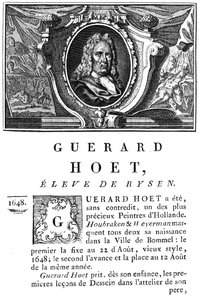
Gerard Hoet
1648 - 1733 , Netherlands
Osnovne informacije
- Artistic Movement Or Style: Golden Age
- Artists Or Movements Influenced By This Artist: ['Baroque']
- Artists Who Influenced This Artist: ['Cornelis van Poelenburgh']
- Date Of Birth: 1648
- Full Name: Gerard Hoet
- Nationality: Dutch
- Notable Artworks:
- The Marriage of Alexander the Great and Roxane of Bactria
- Queen Cleophis Offering Wine to Alexander the Great after his Conquest of Mazaka
- Place Of Birth: Zaltbommel, Netherlands
Povezani članci

Katsushika Hokusai: 25 Remek-dela Japanskog Umetnika za Vaš Dom | ArtsDot
Uronite u svet Katsushike Hokusaija! Otkrijte 25 remek-dela japanskog umetnika, uključujući čuveni 'Veliki talas'. Ukiyo-e štampe, pejzaži i istorija iza svakog dela. Pronađite inspiraciju za dekor enterijera i kupite reprodukcije slika vrhunskog kvaliteta na ArtsDot.com.
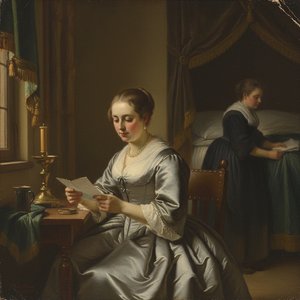
Gerard ter Borch: Intimacy & Light in the Dutch Golden Age
Explore the captivating world of Gerard ter Borch, a master of Dutch Golden Age genre painting. Discover his intimate scenes, masterful light, and lasting influence on art history. Learn more at ArtsDot.
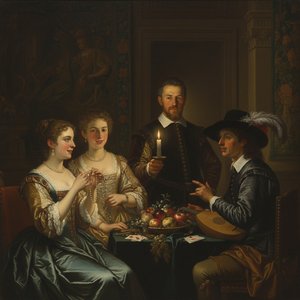
Gerard van Honthorst: Illuminating the Dutch Golden Age with Caravaggism & Courtly Grace
Explore the captivating world of Gerard van Honthorst, a Dutch Golden Age master renowned for his dramatic chiaroscuro & courtly portraits. Discover his life, art, and lasting influence on Baroque painting.
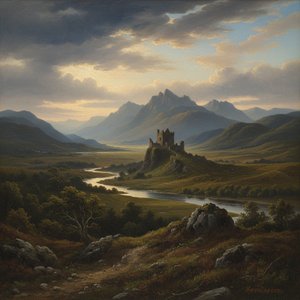
Alexander Nasmyth: Picturing Scotland's Romantic Landscape – Innovation & Identity
Explore the life & art of Alexander Nasmyth, a pivotal figure in Scottish Romantic landscape painting. Discover his iconic works, including portraits of Robert Burns, and learn about his lasting influence on national identity. Fine art reproductions available.
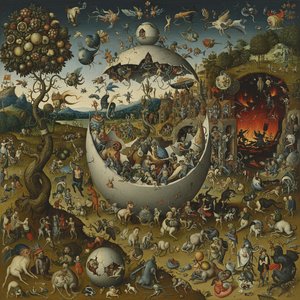
Hieronimus Bosch: 25 Remek-dela Nizozemskog Majstora za Ljubitelje Umetnosti i Dekoraciju Doma
Istražite 25 remek-dela Hieronimusa Boscha – nizozemskog renesansnog slikara. Otkrijte simbolizam, fantastične figure i moralnu dubinu njegovih oltarskih slika. Reprodukcije vrhunskog kvaliteta za dekoraciju doma na ArtsDot.com.

