

 Pregledaj u prostoru
 Pošalji
 Podeli
 Detalji o delu

 Преузми
 Slični predmeti
 Rendgenski snimak
 Slajdovi
 Statistika
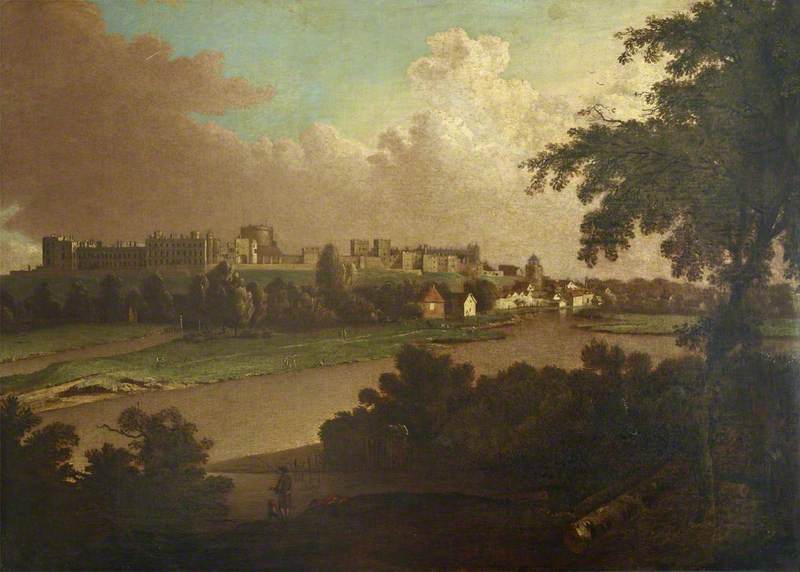
View of Windsor from the River
 1690
1690 97.0 x 135.0 cm
 National Trust
 Pročitaj više
Ručno rađena uljana reprodukcija
Ručno oslikano uljanim bojama na platnu u dimenzijama i okviru po vašem izboru, izrađeno po porudžbini od strane naših umetnika. ( Pređi na štampu Pređi na digitalnu sliku)




































Izaberite jednu od naših unapred definisanih veličina koje odgovaraju originalnim proporcijama umetničkog dela.

Можете унети сопствене димензије како бисте прилагодили дело одређеном оквиру или простору. Ако одабрана величина не одговара пропорцијама оригинала, слика ће бити исечена или проширена додатним елементима који се ручно насликавају. Дигитални prikaz ће вам бити послат на одобрење пре почетка производње.
Имајте на уму да преглед на екрану не одражава стварно исецање или проширење. Само приказ (mockup) ће тачно приказати коначну композицију.
Иако су доступне прилагођене величине, препоручујемо да одаберете димензију из дефинисане листе како бисте сачували оригиналне пропорције.
Nakon narudžbine, tim ArtsDot.com će klijentu putem e-pošte poslati uputstva i dostaviti prikaz predloženog rešenja
Isporuka širom sveta () za 3/4 nedelje umesto uobičajenih 5 nedelja. (9 септембар). Bez kompromisa po pitanju kvaliteta.

Besplatna ekspresna dostava širom sveta

Visokokvalitetno laneno platno

Kompletno osiguranje transporta

Garancija povraćaja carine i uvoznih dažbina

Garancija vernosti boja

Politika povraćaja u roku od 100 dana (isključivo u slučaju nedostataka)

Garancija povrata novca od 100%

Popust pri grupnoj kupovini
 Opcija sa staklom dostupna je samo za dimenzije manje od 110 cm

View of Windsor from the River
Tehnika reprodukcije
Dimenzije reprodukcije
-


Konačna cena
$ 263
Srodna umetnička dela









Biografija umetnika
The Salvator Rosa of the North
In the annals of seventeenth-century landscape painting, few names evoke such a sense of untamed grandeur as Gerard van Edema. Often whispered of in art circles as the "Salvator Rosa of the North," this Dutch master possessed a rare ability to translate the raw, visceral energy of the natural world onto canvas. Born around 1652, likely in Friesland but deeply connected to the vibrant artistic pulse of Amsterdam, Edema’s life was a journey of both geographical and stylistic exploration. His early training under the esteemed Allart van Everdingen proved foundational; from his mentor, he inherited a profound fascination with the dramatic and the sublime. This influence manifested in a predilection for rugged terrains, where jagged rocks and cascading waterfalls served not merely as scenery, but as protagonists in a silent, powerful drama of light and shadow.
Edema’s artistic evolution was inextricably linked to his wanderlust. Unlike many of his contemporaries who remained tethered to the studio, Edema sought the very essence of his subjects through direct encounter. Around 1670, at the height of his youthful vigor, he embarked on a transformative expedition to Norway. This voyage was far more than a mere excursion; it was a rigorous quest for visual truth. He meticulously documented the formidable fjords and towering, snow-dusted peaks of the Scandinavian wilderness, bringing back a collection of sketches and memories that would later define his reputation for capturing "wild and savage" landscapes. His thirst for the unknown eventually led him even further afield, to the lush, colonial expanses of Suriname in Dutch Guiana and the rugged frontiers of Newfoundland. These travels allowed him to introduce a sense of novelty and exoticism to the English art market, presenting vistas that were as much about discovery as they were about artistry.
A Legacy of Light and Adventure
Upon settling in England during the reign of Charles II, Edema found a receptive audience among the nobility and the merchant classes, who were captivated by his ability to depict the strange and the awe-inspiring. His work stood out for its intense chiaroscuro—a technique reminiscent of the Caravaggist tradition—which lent his landscapes an emotional depth and a palpable sense of mystery. While he was a master of the terrain, Edema famously lacked a talent for the precise rendering of human figures and architectural structures. To achieve a complete composition, he often collaborated with skilled contemporaries like Jan Wyck, whose ability to populate these wild settings with life allowed Edema’s dramatic environments to truly breathe.
The historical significance of Gerard van Edema lies in his role as a bridge between the structured Dutch landscape tradition and the burgeoning English interest in the sublime. His paintings were not merely windows into distant lands; they were emotional experiences that mirrored the spirit of exploration defining the era. Though his later years were marked by personal struggles and a lifestyle that eventually led to his untimely death in Richmond around 1700, his impact remained indelible. Today, his works serve as vital historical documents of a period when the boundaries of the known world were being pushed, captured through the eyes of a painter who saw beauty in the most untamed corners of the earth.
gerard van edema
1652 - 1700
Osnovne informacije
- Artistic Movement Or Style: Romantic Landscape Painting
- Artists Or Movements Influenced By This Artist: ['Salvator Rosa']
- Artists Who Influenced This Artist: ['Allart van Everdingen']
- Date Of Death: c. 1700
- Full Name: Gerard van Edema
- Nationality: Dutch
- Notable Artworks:
- View of Windsor from the River
- Landscape with a River
- Mountain Landscape with Figures and a Hawking Party
- Place Of Birth: Amsterdam