

 Pregledaj u prostoru
 Pošalji
 Podeli
 Detalji o delu

 Преузми
 Slični predmeti
 Rendgenski snimak
 Slajdovi
 Statistika
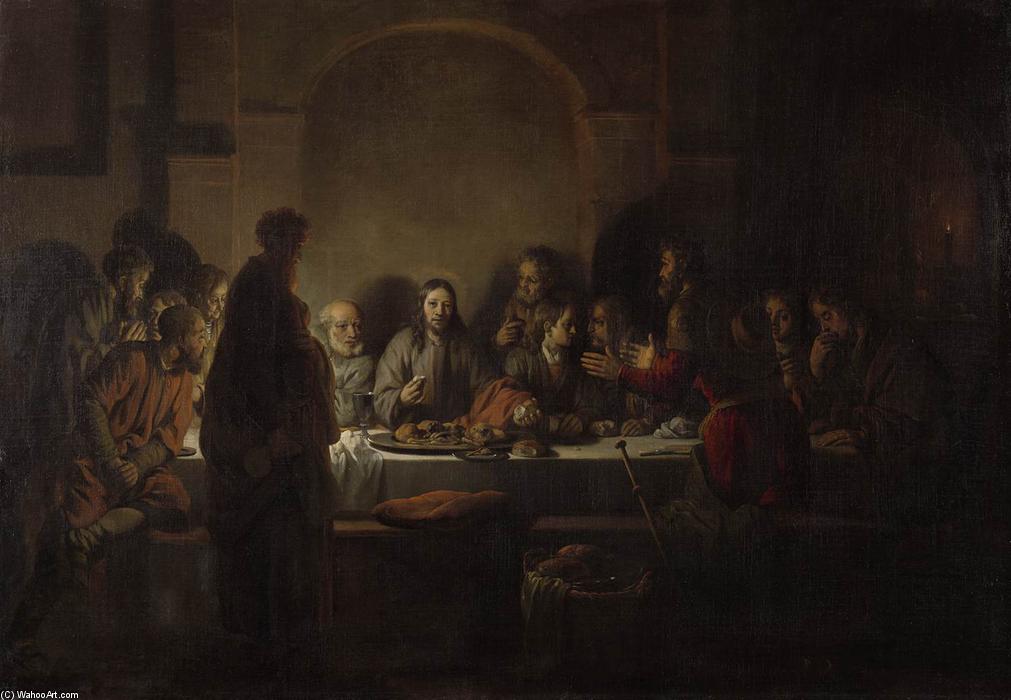
Последја суппера
 Ulje na platnu
- Umetnost za zidove
- Baroque
 1664
1664 100.0 x 142.0 cm
 Rijksmuseum
 Pročitaj više
Kupite digitalnu sliku visoke rezolucije i poboljšanog kvaliteta, koja je znatno superiornija od onoga što vidite u online prikazu.
Svaka datoteka je pedantno pripremljena od strane naših stručnjaka koristeći napredne alate i profesionalnu ručnu retušu. Osiguravamo da svaka slika ima izuzetnu oštrinu, preciznu reprodukciju boja i fine detalje.
Konačna datoteka se dostavlja putem e-pošte u roku od 72 sata, optimizovana za neposrednu upotrebu u profesionalnim, izdavačkim i štamparskim okruženjima. To je isti kvalitet kojem veruju vrhunski studiji dizajna, izdavači i galerije.
Digitalna slika
Preuzmite datoteku visoke rezolucije za ličnu upotrebu, štampanje i kreativne projekte. ( Pređi na štampu Kupi ručno naslikanu sliku)
Uključeno uz svaku porudžbinu digitalne slike
Profesionalna digitalna isporuka, zagarantovana
Kada odaberete ArtsDot.com, ne dobijate samo sliku – vi primate profesionalno unapređeno digitalno umetničko delo, izrađeno sa najvećom preciznošću i uz garanciju zadovoljstva. Evo svega što automatski dolazi uz vašu porudžbinu:

Brza dostava putem e-pošte
Vaša digitalna slika visoke rezolucije biće vam poslata putem e-pošte u roku od 72 sata od poručivanja – spremna za trenutnu upotrebu.

Digitalna datoteka unapređena veštačkom inteligencijom
Vaše umetničko delo je profesionalno optimizovano korišćenjem naprednih AI alata i ručne obrade, čime se osiguravaju maksimalni detalji, oštrina i preciznost boja.

Besplatna ponovna isporuka doživotno
Slučajno ste obrisali ili izgubili svoju datoteku? Ne brinite – poslaćemo vam je ponovo u bilo kom trenutku, potpuno besplatno.

Bez troškova uvoza – zauvek
Uživajte u svojim umetničkim delima trenutno, bez carine, dažbina ili troškova dostave – digitalni download je uvek bez poreza.

Garancija vernosti boja
Uz pomoć profesionalnih alata i upravljanja bojama, osiguravamo da vaša digitalna slika što vernije odražava originalne boje.

Garancija zadovoljstva od 100 dana
Ako niste zadovoljni svojom digitalnom slikom, izvršićemo reviziju ili ćemo vam vratiti 100% novca u roku od 100 dana – bez ikakvih pitanja.

100% garancija povrata novca
Niste zadovoljni? Dobijte puni povraćaj novca u roku od 100 dana od prijema digitalne datoteke – bez suvišnih pitanja.

Popusti na velike porudžbine
Kupite 3 slike, uštedite 10% - Kupite 5 slika, uštedite 15% - Kupite 10+ slika, uštedite 20%. Odlično za kreativne projekte, galerije i agencije.
Gerbrand van den Eeckhout: Rembrandt’s Shadow and the Soul of Dutch Baroque
Gerbrand van den Eeckhout (1621 – 1674) occupies a fascinating position within the annals of Dutch Golden Age art—a figure inextricably linked to the towering presence of Rembrandt Harmenszoon van Rijn, yet simultaneously forging his own distinctive artistic voice. While often overshadowed by his mentor’s monumental achievements, Eeckhout achieved considerable renown for producing exquisitely detailed portraits and genre scenes that captured the subtle nuances of everyday life with remarkable sensitivity – a testament to Rembrandt’s profound influence on his technique and vision. His work embodies the spirit of Baroque art, prioritizing realism alongside dramatic emotional expression.- Early Training & Rembrandt's Influence: Eeckhout’s formative artistic education took place under Rembrandt’s watchful eye, establishing a foundational understanding of chiaroscuro—the masterful manipulation of light and shadow—that would become a cornerstone of his stylistic approach. This relationship instilled within him an unwavering dedication to meticulous observation and rendering naturalistic detail, mirroring Rembrandt's groundbreaking innovations in portraying human emotion and capturing the atmosphere of a scene.
- Style & Technique: Unlike Rembrandt’s bold contrasts, Eeckhout favored softer gradations of tone, prioritizing atmospheric perspective and creating luminous surfaces. His brushwork was characterized by delicate precision, meticulously layering pigments to achieve subtle variations in color and texture—a technique that distinguishes his oeuvre from other artists of the period.
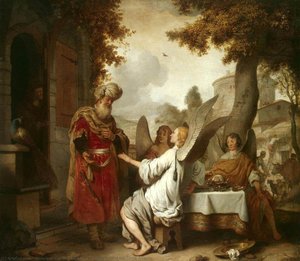
- The Last Supper: The centerpiece of Eeckhout’s artistic legacy is undoubtedly “The Last Supper,” completed in 1664. This monumental oil on canvas depicts Jesus Christ sharing a final meal with his twelve apostles, an event central to Christian theology and tradition. The painting's composition—centered around Jesus—is imbued with dramatic tension, accentuated by the careful arrangement of figures and the evocative use of light.
- Symbolism & Composition: Beyond its visual splendor, “The Last Supper” resonates deeply with symbolic meaning. Each apostle is portrayed with individualized expression, conveying a range of emotions – apprehension, contemplation, and faith—reflecting the psychological complexity inherent in the biblical narrative. The artist’s masterful depiction of human anatomy underscores his commitment to realism while simultaneously elevating the scene to an iconic representation of spiritual devotion.
- Location & Legacy: Currently housed at the Rijksmuseum in Amsterdam, “The Last Supper” stands as a beacon of Baroque artistry—a testament to Eeckhout’s skill and unwavering dedication to capturing the essence of human experience. Alongside masterpieces by Federico Fiori Barocci and Ferdinand Bol, it continues to inspire admiration for its beauty and intellectual depth.
Additional Resources
- Website: The Last Supper by EECKHOUT, Gerbrand van den – Explore this detailed image collection and database of European painting.
- Museum: A Trip to Jerusalem: Viewer Participation in Gerbrand van den Eeckhout’s Last Supper of 1664 – Discover insights into the Rijksmuseum's collection and scholarly research.
Reproductions Available
Experience the grandeur of “The Last Supper” firsthand with high-quality reproductions crafted by ArtsDot.com—allowing art enthusiasts to cherish a timeless masterpiece in their homes.
Srodna umetnička dela



Biografija umetnika
The Legacy of a Master's Protégé
In the vibrant, bustling heart of seventeenth-century Amsterdam, a period defined by unparalleled cultural and economic prosperity, the name Gerbrand van den Eeckhout emerged as a significant voice within the Dutch Golden Age. While history often casts him in the long, dramatic shadow of his mentor, the legendary Rembrandt van Rijn, to view Eeckhout merely as a student is to overlook the profound sensitivity and technical refinement he brought to the canvas. Born in 1621, Eeckhout was shaped by the very atmosphere of the Dutch Baroque, an era where light, texture, and human emotion were captured with a devotion that bordered on the divine. His journey was one of deep connection to the masters of his time, yet it was marked by a persistent effort to find a visual language that was uniquely his own.
The foundation of Eeckhout’s artistry was laid within the walls of Rembrandt’s studio. As an apprentice, he did not simply learn the mechanics of paint application; he absorbed a philosophy of observation. From Rembrandt, he inherited a reverence for the interplay of light and shadow, yet as his career matured, Eeckhout began to diverge from the heavy, dramatic chiaroscuro that defined his teacher's most famous works. Instead, he developed a preference for softer gradations of tone and a more delicate atmospheric perspective. This subtle shift allowed him to create scenes that felt less like theatrical confrontations and more like intimate, quiet moments captured in time, imbuing his subjects with a psychological depth that resonated with the burgeoning middle class of the Netherlands.
Mastery of Portraiture and Genre
Eeckhout’s oeuvre is a testament to his versatility, ranging from the solemnity of formal portraiture to the narrative charm of genre scenes. His portraits are celebrated for their remarkable realism, particularly in the way he rendered the tactile qualities of fabric, lace, and skin. He possessed an uncanny ability to translate the social standing and inner character of his sitters through understated visual cues. In works such as A Young Woman Reading, one can witness his mastery of mood; the light does not merely illuminate the subject but seems to wrap around her, creating a sense of contemplative solitude that draws the viewer into her private world.
Beyond the individual portrait, Eeckhout excelled in capturing the pulse of everyday life. His genre paintings often depicted biblical or historical narratives, yet he grounded these grand themes in the domestic reality of his era. This technique bridged the gap between the epic and the intimate, making the divine feel accessible and human. His ability to compose complex scenes with a sense of naturalistic flow remains one of his most significant achievements. Even when depicting larger groups, there is a rhythmic balance to his compositions that prevents chaos, guiding the eye through a carefully orchestrated landscape of light and shadow.
Historical Significance and Artistic Spirit
The historical importance of Gerbrand van den Eeckhout lies in his role as a bridge between the intense emotionalism of the early Baroque and the more refined, observational style that would characterize later Dutch art. He was an artist who understood the power of nuance. While he could evoke the grandeur of the past, his true strength lay in the subtle: the glint of light on a silver goblet, the soft fold of a linen sleeve, or the fleeting expression of a thought passing through a subject's mind.
Though his life ended in 1674, leaving behind a legacy that continues to fascinate historians and art lovers alike, Eeckhout remains a vital figure for understanding the evolution of Dutch painting. His work serves as a reminder that greatness is not always found in the loudest shadows, but often in the most delicate light. To study his paintings is to experience the soul of the Dutch Golden Age—a period where the boundaries between the mundane and the magnificent were beautifully blurred by the brush of a master.
gerbrand van den eeckhout
1621 - 1674 , Netherlands
Kratke činjenice
- Artistic Movement Or Style: Dutch Baroque
- Artists Or Movements Influenced By This Artist: ['Dutch Portraiture']
- Artists Who Influenced This Artist: ['Rembrandt']
- Date Of Birth: 1621
- Full Name: Gerbrand van den Eeckhout
- Nationality: Dutch
- Notable Artworks:
- The Astronomer
- Portrait of a Young Man
- Place Of Birth: Amsterdam, Netherlands