

 Pregledaj u prostoru
 Pošalji
 Podeli
 Detalji o delu

 Преузми
 Slični predmeti
 Rendgenski snimak
 Slajdovi
Mary Tudor, Queen of England and Ireland


 Pročitaj više
Kupite digitalnu sliku visoke rezolucije i poboljšanog kvaliteta, koja je znatno superiornija od onoga što vidite u online prikazu.
Svaka datoteka je pedantno pripremljena od strane naših stručnjaka koristeći napredne alate i profesionalnu ručnu retušu. Osiguravamo da svaka slika ima izuzetnu oštrinu, preciznu reprodukciju boja i fine detalje.
Konačna datoteka se dostavlja putem e-pošte u roku od 72 sata, optimizovana za neposrednu upotrebu u profesionalnim, izdavačkim i štamparskim okruženjima. To je isti kvalitet kojem veruju vrhunski studiji dizajna, izdavači i galerije.
Digitalna slika
Preuzmite datoteku visoke rezolucije za ličnu upotrebu, štampanje i kreativne projekte. ( Kupi print Kupi ručno naslikanu sliku)
Uključeno uz svaku porudžbinu digitalne slike
Profesionalna digitalna isporuka, zagarantovana
Kada odaberete ArtsDot.com, ne dobijate samo sliku – vi primate profesionalno unapređeno digitalno umetničko delo, izrađeno sa najvećom preciznošću i uz garanciju zadovoljstva. Evo svega što automatski dolazi uz vašu porudžbinu:

Brza dostava putem e-pošte
Vaša digitalna slika visoke rezolucije biće vam poslata putem e-pošte u roku od 72 sata od poručivanja – spremna za trenutnu upotrebu.

Digitalna datoteka unapređena veštačkom inteligencijom
Vaše umetničko delo je profesionalno optimizovano korišćenjem naprednih AI alata i ručne obrade, čime se osiguravaju maksimalni detalji, oštrina i preciznost boja.

Besplatna ponovna isporuka doživotno
Slučajno ste obrisali ili izgubili svoju datoteku? Ne brinite – poslaćemo vam je ponovo u bilo kom trenutku, potpuno besplatno.

Bez troškova uvoza – zauvek
Uživajte u svojim umetničkim delima trenutno, bez carine, dažbina ili troškova dostave – digitalni download je uvek bez poreza.

Garancija vernosti boja
Uz pomoć profesionalnih alata i upravljanja bojama, osiguravamo da vaša digitalna slika što vernije odražava originalne boje.

Garancija zadovoljstva od 100 dana
Ako niste zadovoljni svojom digitalnom slikom, izvršićemo reviziju ili ćemo vam vratiti 100% novca u roku od 100 dana – bez ikakvih pitanja.

100% garancija povrata novca
Niste zadovoljni? Dobijte puni povraćaj novca u roku od 100 dana od prijema digitalne datoteke – bez suvišnih pitanja.

Popusti na velike porudžbine
Kupite 3 slike, uštedite 10% - Kupite 5 slika, uštedite 15% - Kupite 10+ slika, uštedite 20%. Odlično za kreativne projekte, galerije i agencije.
A Queen’s Silent Echo: Exploring Giacomo Nizzola's “Mary Tudor, Queen of England and Ireland”
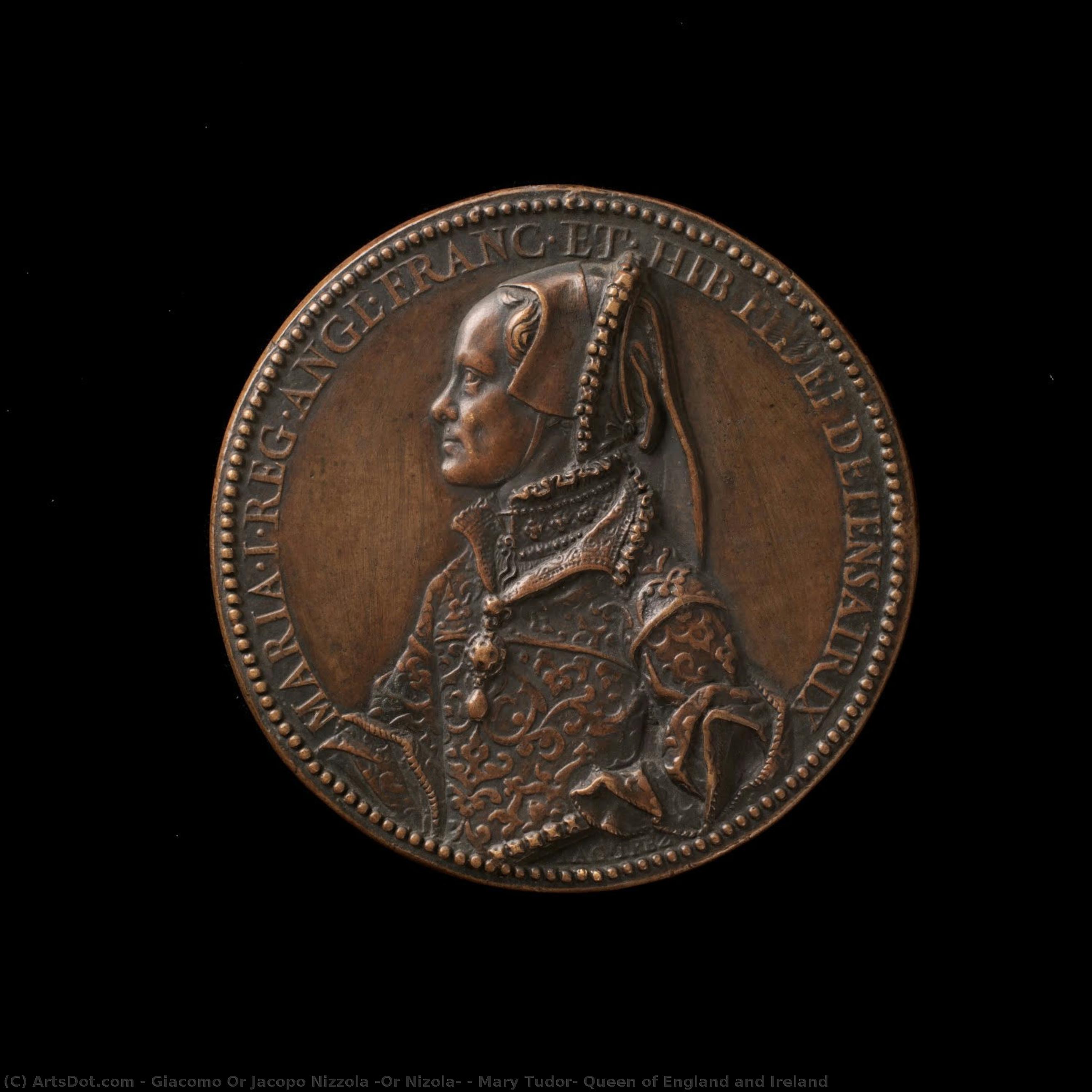
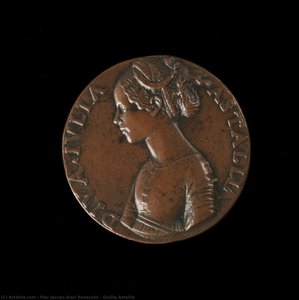
The bronze coin in Giacomo Nizzola’s “Mary Tudor, Queen of England and Ireland” isn’t merely a portrait; it’s a carefully constructed echo of a turbulent era. Nizzola, working around 1555, masterfully captures the solemnity and inherent melancholy associated with this controversial figure – a woman trapped within the rigid confines of her royal role, yet fiercely independent in spirit. The coin itself, a small rectangle of meticulously crafted metal, becomes a window into a world of political intrigue, religious strife, and ultimately, tragic isolation. The image is not one of triumphant majesty, but rather a quiet contemplation, inviting us to consider the weight of responsibility borne by a young queen navigating treacherous waters.
The Language of Light: Nizzola’s *Contre-Jour* Technique
Nizzola's skill lies profoundly in his masterful deployment of *contre-jour*, a technique borrowed from Caravaggio and central to the coin’s impact. He employs dramatic chiaroscuro – stark contrasts between light and shadow – to sculpt Mary Tudor’s face, emphasizing her features with an almost sculptural quality. The deep shadows that engulf much of the coin create a sense of mystery and introspection, while strategically placed highlights draw attention to her regal bearing and the intricate details of her attire. Notice how the light catches the delicate folds of her gown, hinting at both wealth and confinement. This technique wasn’t simply aesthetic; it was a deliberate choice to convey the emotional state of the subject – a sense of vulnerability hidden beneath an outward appearance of strength.
A Royal Portrait in Miniature: Symbolism and Historical Context
The coin's design is laden with symbolic meaning, reflecting the anxieties and beliefs of 16th-century England. Mary Tudor, as Queen of both England and Ireland, inherited a kingdom fractured by religious division – Catholicism versus Protestantism. The chains adorning her neck are particularly potent symbols; they represent the constraints imposed upon her by the Church and the political machinations surrounding her reign. Her youthful appearance belies the immense pressure she faced, highlighting the premature nature of her rule. This wasn’t a celebration of power, but rather a poignant depiction of a young woman grappling with the burdens of leadership in a deeply divided nation. The coin's small size further emphasizes this – it’s not meant to be a grand statement, but a quiet, intimate portrait.
The Artist Behind the Image: Giacomo Nizzola and His Legacy
Giacomo Nizzola (or possibly Jacopo Nizola), born in Trezzo sull'Adda, Italy around 1520, was a skilled medalist working primarily in Florence and later in England. While not as widely celebrated as some of his contemporaries, Nizzola’s work demonstrates a remarkable sensitivity to light and form. His style blends the precision of Florentine Renaissance portraiture with a distinctly Northern European sensibility – evident in his dramatic use of *contre-jour*. His biography, often shrouded in relative obscurity, suggests a life marked by both artistic success and personal hardship; the “Shadowed Palette” moniker reflects the melancholic undertones frequently found within his compositions. Studying Nizzola’s work offers a fascinating glimpse into the artistic landscape of a pivotal period in English history.
Collecting an Echo: Reproductions and Artistic Value
Reproductions of "Mary Tudor, Queen of England and Ireland" offer collectors a unique opportunity to bring this evocative portrait into their homes or offices. The meticulous detail captured by Nizzola – the texture of the metal, the subtle nuances of light and shadow – is faithfully reproduced in high-quality prints and canvases. Beyond its aesthetic appeal, this piece serves as a powerful reminder of a complex historical figure and the enduring power of art to capture both beauty and sorrow. Consider it not just an image, but a conversation starter—a window into a past that continues to resonate with contemporary audiences.
Srodna umetnička dela
Biografija umetnika
The Shadowed Palette: A Biography of Jean-Baptiste Mongeau
Jean-Baptiste Mongeau, a name perhaps less familiar than his contemporaries, nevertheless stands as a pivotal figure in the late 18th and early 19th centuries – a master of *contre-jour*, a painter deeply influenced by the burgeoning Romantic movement yet firmly rooted in Neoclassical principles. Born in Lyon, France, in 1752, Mongeau’s life was marked by both artistic brilliance and personal tragedy, shaping the melancholic and intensely evocative quality that defines his oeuvre. His early years were spent apprenticed to a local portraitist, absorbing the fundamentals of technique but quickly demonstrating an insatiable curiosity for light, shadow, and the emotional resonance of color – elements he would later master with unparalleled skill.Early Influences and Artistic Development
Mongeau’s artistic journey was profoundly shaped by his exposure to the works of Jacques-Louis David, whose precise realism and dramatic compositions initially captivated him. However, Mongeau soon recognized a fundamental disconnect between David's idealized world and his own burgeoning fascination with the darker aspects of human experience. He found himself drawn to the landscapes of Claude Joseph Vernet, particularly Vernet’s depictions of storms and nocturnal scenes – images that instilled in him a deep appreciation for the power and mystery of light in its most attenuated forms. Crucially, Mongeau also developed a keen interest in the writings of Edmund Burke, whose theories on sublime terror provided a philosophical framework for his artistic explorations. He believed art should evoke not just beauty but also a sense of awe and apprehension, mirroring the emotional responses triggered by nature’s grandest displays.The Technique of *Contre-Jour*
Mongeau's most distinctive contribution to painting lies in his innovative use of *contre-jour*, or “against light.” This technique, where a strong light source illuminates the subject from an unseen position, creates dramatic shadows and emphasizes texture, volume, and emotional intensity. He meticulously studied the effects of light on various surfaces – polished marble, rough stone, damp foliage – achieving an astonishing level of realism in his rendering of these details. Unlike many of his contemporaries who employed *contre-jour* merely as a stylistic flourish, Mongeau used it to convey profound psychological states: loneliness, despair, and a sense of impending doom. His paintings often feature solitary figures enveloped in darkness, their faces partially obscured by shadow, inviting the viewer to contemplate their inner turmoil.Notable Works and Recurring Themes
Mongeau’s most celebrated works include *The Shepherdess Lost*, a haunting depiction of a young woman wandering through a desolate moor under a stormy sky; *The Abandoned Chapel*, a scene of crumbling ruins bathed in an eerie twilight; and *The Mariner's Lament*, a powerful portrayal of a shipwreck survivor clinging to a piece of driftwood amidst a raging sea. Recurring themes in his work include isolation, loss, mortality, and the sublime power of nature. He frequently depicted scenes of rural decay and human suffering, reflecting a growing disillusionment with the Enlightenment ideals of progress and reason. His paintings are not celebratory; they are imbued with a sense of melancholy and foreboding.Legacy and Historical Significance
Despite achieving considerable acclaim during his lifetime, Mongeau’s career was tragically cut short by illness in 1809 at the age of 57. He left behind a relatively small body of work, but his paintings exerted a significant influence on subsequent generations of Romantic artists, particularly those who explored themes of darkness and emotional intensity. His innovative use of *contre-jour* paved the way for later developments in chiaroscuro and atmospheric perspective. Mongeau’s legacy resides not only in his individual masterpieces but also in his profound contribution to the evolution of European painting – a testament to the power of art to capture the complexities of human experience and the sublime beauty of the natural world, even within its darkest corners. His work continues to resonate with viewers today, offering a poignant reflection on the fragility of life and the enduring allure of shadow and light.
giacomo or jacopo nizzola (or nizola)
1589 , Italy
Kratke činjenice
- Artistic Movement Or Style: World Goes Pop
- Artists Or Movements Influenced By This Artist: ['']
- Artists Who Influenced This Artist: ['']
- Date Of Death: 1589
- Notable Artworks:
- Evelyne Axell
- Joav BarEl
- Thomas Bayrle