 Pregledaj u prostoru
 Pošalji
 Podeli
 Detalji o delu

 Преузми
 Slični predmeti
 Rendgenski snimak
 Slajdovi
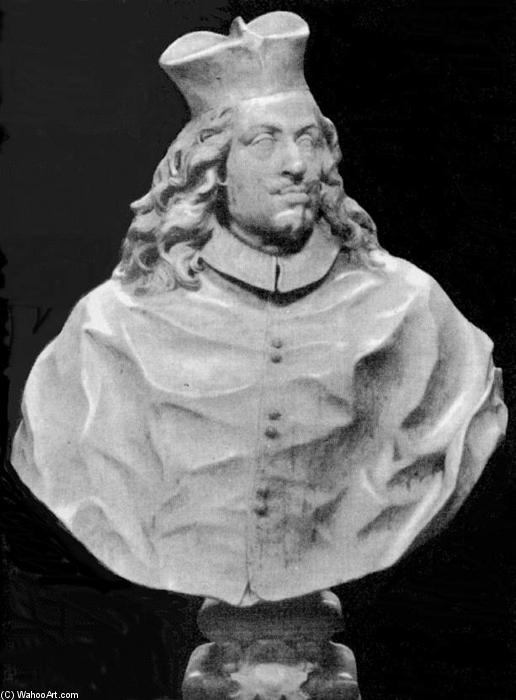
Булст на кардинал Јан Карло де' Медичи


 Pročitaj više
Ručno rađena uljana reprodukcija
Ručno oslikano uljanim bojama na platnu u dimenzijama i okviru po vašem izboru, izrađeno po porudžbini od strane naših umetnika. ( Kupi print Kupi digitalnu sliku)




P118B $10

P118H $10

P118W $10

P438Z $10

P508JH $12

P508YH $12

P805H $10

P805Z $10

P919BZ $10

P919G $10

P919XJ $10

P959ZH $10

P968JZ $12

W106C $8

W218G $10

W218JH $8

W218Y $10

W307PJ $10

W316G $10

W316PJ $8

W316Y $10

W398PJ $8

W4111J $10

W500HY $15

W500JH $15

W692G $12

W849H $8

W940BG $15

W953PJ $8




Izaberite jednu od naših unapred definisanih veličina koje odgovaraju originalnim proporcijama umetničkog dela.

Можете унети сопствене димензије како бисте прилагодили дело одређеном оквиру или простору. Ако одабрана величина не одговара пропорцијама оригинала, слика ће бити исечена или проширена додатним елементима који се ручно насликавају. Дигитални prikaz ће вам бити послат на одобрење пре почетка производње.
Имајте на уму да преглед на екрану не одражава стварно исецање или проширење. Само приказ (mockup) ће тачно приказати коначну композицију.
Иако су доступне прилагођене величине, препоручујемо да одаберете димензију из дефинисане листе како бисте сачували оригиналне пропорције.
Nakon narudžbine, tim ArtsDot.com će klijentu putem e-pošte poslati uputstva i dostaviti prikaz predloženog rešenja
Isporuka širom sveta () za 3/4 nedelje umesto uobičajenih 5 nedelja. (26 август). Bez kompromisa po pitanju kvaliteta.

Besplatna ekspresna dostava širom sveta

Visokokvalitetno laneno platno

Kompletno osiguranje transporta

Garancija povraćaja carine i uvoznih dažbina

Garancija vernosti boja

Politika povrata u roku od 60 dana (samo u slučaju nedostataka)

Garancija povrata novca od 100%

Popust pri grupnoj kupovini
 Opcija sa staklom dostupna je samo za dimenzije manje od 110 cm

Булст на кардинал Јан Карло де' Медичи
Tehnika reprodukcije
Dimenzije reprodukcije
-


Konačna cena
$ 263
Opis umetničkog dela
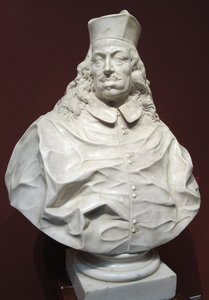
Bust of Cardinal Gian Carlo de' Medici – A Baroque Masterpiece Revisited
Giovanni Battista Foggini’s “Bust of Cardinal Gian Carlo de' Medici” stands as a testament to the grandeur and meticulous artistry of Florentine Baroque sculpture. Created in 1680, this monochrome portrait captures not merely likeness but also the very essence of papal authority and humanist intellect—a captivating subject for any discerning collector or interior designer seeking to infuse their space with timeless elegance.The Sculptor’s Vision: Alessandro Ludovico Borghese's Influence
Giovanni Battista Foggini’s artistic journey was profoundly shaped by his tutelage under Alessandro Ludovico Borghese, a celebrated sculptor whose stylistic sensibilities championed dramatic lighting and realistic detail—elements that would become hallmarks of Foggini’s oeuvre. This formative influence instilled within him an unwavering dedication to craftsmanship and aesthetic excellence, propelling him toward remarkable achievements throughout his career.A Symphony in Stone: Technique and Style
The sculpture exemplifies Baroque technique, primarily subtractive sculpting – a method where material is painstakingly removed from a larger block of marble or stone to reveal the desired form. This meticulous process underscores Foggini’s mastery of material manipulation and contributes significantly to the artwork's textural richness. The style leans heavily toward Roman Baroque, mirroring the grandeur and theatricality favored by artists like Bernini, demonstrating an acute awareness of artistic precedents. Lines are smooth and flowing, defining the folds of clothing and facial features with remarkable precision—a deliberate choice intended to convey both anatomical accuracy and emotional nuance.Symbolism Within Form: Dignity and Authority
Beyond its technical brilliance, “Bust of Cardinal Gian Carlo de' Medici” resonates with symbolic significance. The cardinal’s attire – the mitre (a tall hat worn by bishops) and the clerical robes – serves as potent emblems of his ecclesiastical role, embodying piety and spiritual leadership. Furthermore, Foggini skillfully captures a sense of dignified composure, reflecting the solemnity associated with papal governance during the Baroque period. The sculptor's gaze directs upward, conveying contemplation and reinforcing the subject’s noble status.Historical Context: Medici Patronage and Artistic Legacy
Commissioned by Cardinal Francesco Maria de’ Medici in the 1680s for Villa Lappeggi—the cardinal’s opulent country residence—this bust represents a pivotal moment in Florentine art history. It is part of a larger series of eight portraits depicting members of the Medici family, each meticulously crafted and destined for prominent locations across Europe. The attribution to Bernini was initially suggested by Molesworth in 1954 and subsequently confirmed by other critics—a recognition of Foggini’s unparalleled skill as a sculptor and his enduring contribution to Baroque artistic tradition. This artwork continues to inspire admiration for its beauty, precision, and profound understanding of human character.Srodna umetnička dela

Biografija umetnika
The Sculptor of Florentine Grandeur
Giovanni Battista Foggini, a name synonymous with the opulent splendor of the Florentine Baroque, stands as a monumental figure in the history of Italian sculpture. Born in 1652 into a lineage of artisans, his very existence was woven into the fabric of artistic tradition. As the son of a sculptor, the language of form, texture, and medium was his first vernacular. His early training, shaped by the rigorous standards of his family and refined under the guidance of masters like Alessandro Ludovico Borghese, allowed him to absorb the technical precision required for the most demanding commissions. Foggini did not merely practice sculpture; he breathed life into stone and bronze, transforming cold materials into narratives of divine and earthly power.
The trajectory of Foggini’s career was inextricably linked to the illustrious Medici court. This prestigious patronage provided him with an unparalleled stage upon which to display his virtuosity. His ability to navigate the complex social and political landscapes of Florence allowed him to secure works that would define the aesthetic of an era. Through his hands, the architectural spaces of the Medici residences and chapels were transformed into theatrical environments where light and shadow danced across meticulously carved surfaces. His mastery extended beyond the singular figure to the very essence of architectural embellishment, making him a central architect of the Florentine Baroque identity.
Mastery of Form and the Roman Influence
While Foggini’s heart remained rooted in the traditions of Florence, his artistic soul was deeply stirred by the dramatic innovations emerging from Rome. The shadow of Gian Lorenzo Bernini loomed large over the Italian peninsula, and Foggini skillfully integrated this Roman dynamism into his local style. He embraced the theatricality of the Baroque, utilizing contrapposto to instill his figures with a sense of kinetic energy and psychological depth. This infusion of movement allowed his sculptures to transcend static representation, capturing moments of profound emotion and spiritual ecstasy that resonated with the fervor of the Counter-Reformation.
His technical repertoire was as diverse as it was impressive. Whether working in the delicate, translucent medium of marble or the robust, enduring strength of bronze, Foggini demonstrated an uncanny ability to manipulate texture. In his bronze statuary, one can observe a breathtaking attention to detail, where every fold of drapery and every anatomical nuance is rendered with startling realism. This skill is perhaps most evident in his portraiture, such as his Bust of Cardinal Gian Carlo de' Medici, where the artist captures not just the likeness, but the very presence and authority of the subject through expressive detail and masterful modeling.
A Lasting Legacy in Stone and Bronze
The achievements of Foggini are etched into the very landscape of Florence. His monumental contributions, such as the Tomb of Galileo Galilei and the intricate decorations within the Corsini Chapel, serve as enduring testaments to his ability to marry scientific reverence with religious devotion. In these works, he achieved a rare synthesis of narrative complexity and aesthetic harmony, creating spaces that invite contemplation of both the celestial and the terrestrial.
Beyond individual masterpieces, Foggini’s historical significance lies in his role as the bridge between the late Renaissance traditions of Florence and the exuberant Baroque movement. He revitalized the Florentine sculptural tradition, ensuring it remained a vibrant and competitive force against the Roman school. His legacy is found in:
- The Elevation of Bronze Casting: His ability to push the boundaries of bronze work set new standards for decorative and commemorative sculpture.
- Architectural Integration: His seamless blending of sculptural reliefs with architectural frameworks, as seen in the Decoration of the Feroni Chapel.
- Portraiture as Narrative: The creation of intimate yet powerful portraits, such as his depiction of Anna Maria Luisa de' Medici as a Child, which captured the human element within the grandiosity of the court.
As we look back upon the life of Giovanni Battista Foggini, we see more than just a skilled craftsman; we see an artist who captured the pulse of an age. His work remains a profound exploration of movement, emotion, and the eternal struggle to immortalize the fleeting beauty of life through the permanence of art.
giambattista foggini
1652 - 1725 , Italy
Osnovne informacije
- Artistic Movement Or Style: Baroque Sculpture
- Date Of Birth: Florence, Italy (1652)
- Date Of Death: 1725
- Full Name: Giovanni Battista Foggini
- Nationality: Italian
- Notable Artworks:
- Bust of Cardinal Gian Carlo de' Medici
- Tomb of Galileo
- Time Ravishing Beauty
- Place Of Birth: Florence
Povezani članci

Bronze Sculptures That Defined Art History | ArtsDot
Journey through art history with our Top 10 bronze sculptures! Explore masterpieces by Rodin, Michelangelo & more. Discover stories behind iconic statues and find museum-quality reproductions for your home decor at ArtsDot.com.

The Enduring Form: Exploring Themes & Techniques in Sculpture Across Historical Periods
Explore the rich history of sculpture from ancient masterpieces to contemporary innovations. Discover key techniques, influential artists & investment potential for discerning art collectors.

The Enduring Form: Sculpture Across History, Technique & Emotional Resonance
Explore the rich history of sculpture with ArtsDot. Discover key techniques, influential artists & investment potential for discerning collectors. Expert insights into valuing and collecting timeless masterpieces.

Bronze Age to Modern Masters: 10 Sculptures That Redefined Art | ArtsDot
Journey through art history with 10 legendary bronze sculptures – from Michelangelo's David to Rodin’s Thinker. Explore the stories, techniques & timeless beauty of these masterpieces. Find museum-quality reproductions & elevate your home decor on ArtsDot.com.
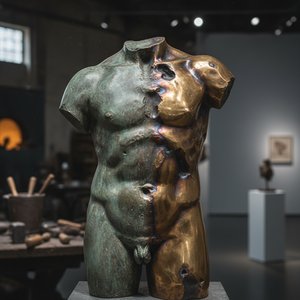
Nasleđe bronze: Istorija, tehnike i savremene interpretacije skulpture – vodič za kolekcionare
Istražite bogatu istoriju bronze i tehnike livenja skulptura. Saveti za kolekcionare, investiciono vrednovanje i savremene interpretacije aluminijumske bronze. ArtsDot – stručnjaci za umetnost.