

 Pregledaj u prostoru
 Pošalji
 Podeli
 Detalji o delu

 Преузми
 Slični predmeti
 Rendgenski snimak
 Slajdovi
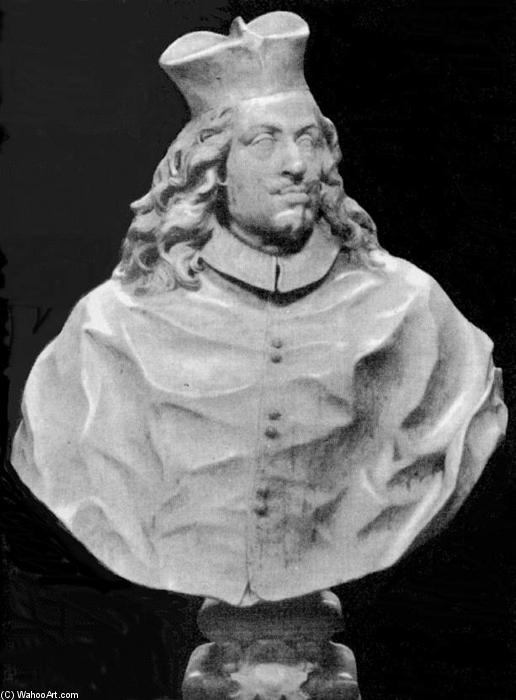
Булст на кардинал Јан Карло де' Медичи


 Pročitaj više
Kupite digitalnu sliku visoke rezolucije i poboljšanog kvaliteta, koja je znatno superiornija od onoga što vidite u online prikazu.
Svaka datoteka je pedantno pripremljena od strane naših stručnjaka koristeći napredne alate i profesionalnu ručnu retušu. Osiguravamo da svaka slika ima izuzetnu oštrinu, preciznu reprodukciju boja i fine detalje.
Konačna datoteka se dostavlja putem e-pošte u roku od 72 sata, optimizovana za neposrednu upotrebu u profesionalnim, izdavačkim i štamparskim okruženjima. To je isti kvalitet kojem veruju vrhunski studiji dizajna, izdavači i galerije.
Digitalna slika
Preuzmite datoteku visoke rezolucije za ličnu upotrebu, štampanje i kreativne projekte. ( Kupi print Kupi ručno naslikanu sliku)
Uključeno uz svaku porudžbinu digitalne slike
Profesionalna digitalna isporuka, zagarantovana
Kada odaberete ArtsDot.com, ne dobijate samo sliku – vi primate profesionalno unapređeno digitalno umetničko delo, izrađeno sa najvećom preciznošću i uz garanciju zadovoljstva. Evo svega što automatski dolazi uz vašu porudžbinu:

Brza dostava putem e-pošte
Vaša digitalna slika visoke rezolucije biće vam poslata putem e-pošte u roku od 72 sata od poručivanja – spremna za trenutnu upotrebu.

Digitalna datoteka unapređena veštačkom inteligencijom
Vaše umetničko delo je profesionalno optimizovano korišćenjem naprednih AI alata i ručne obrade, čime se osiguravaju maksimalni detalji, oštrina i preciznost boja.

Besplatna ponovna isporuka doživotno
Slučajno ste obrisali ili izgubili svoju datoteku? Ne brinite – poslaćemo vam je ponovo u bilo kom trenutku, potpuno besplatno.

Bez troškova uvoza – zauvek
Uživajte u svojim umetničkim delima trenutno, bez carine, dažbina ili troškova dostave – digitalni download je uvek bez poreza.

Garancija vernosti boja
Uz pomoć profesionalnih alata i upravljanja bojama, osiguravamo da vaša digitalna slika što vernije odražava originalne boje.

Garancija zadovoljstva u roku od 60 dana
Ako niste zadovoljni svojom digitalnom slikom, revidirat ćemo je ili vratiti 100% novca u roku od 60 dana – bez ikakvih pitanja.

100% garancija povrata novca
Niste zadovoljni? Obezbedite pun povrat novca u roku od 60 dana od trenutka kada ste primili svoju digitalnu datoteku – bez suvišnih pitanja.

Popusti na velike porudžbine
Kupite 3 slike, uštedite 10% - Kupite 5 slika, uštedite 15% - Kupite 10+ slika, uštedite 20%. Odlično za kreativne projekte, galerije i agencije.
Opis kolekcionarskog dela
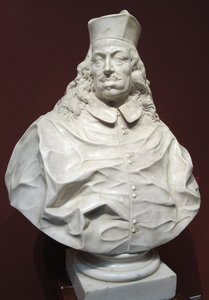
Bust of Cardinal Gian Carlo de' Medici – A Baroque Masterpiece Revisited
Giovanni Battista Foggini’s “Bust of Cardinal Gian Carlo de' Medici” stands as a testament to the grandeur and meticulous artistry of Florentine Baroque sculpture. Created in 1680, this monochrome portrait captures not merely likeness but also the very essence of papal authority and humanist intellect—a captivating subject for any discerning collector or interior designer seeking to infuse their space with timeless elegance.The Sculptor’s Vision: Alessandro Ludovico Borghese's Influence
Giovanni Battista Foggini’s artistic journey was profoundly shaped by his tutelage under Alessandro Ludovico Borghese, a celebrated sculptor whose stylistic sensibilities championed dramatic lighting and realistic detail—elements that would become hallmarks of Foggini’s oeuvre. This formative influence instilled within him an unwavering dedication to craftsmanship and aesthetic excellence, propelling him toward remarkable achievements throughout his career.A Symphony in Stone: Technique and Style
The sculpture exemplifies Baroque technique, primarily subtractive sculpting – a method where material is painstakingly removed from a larger block of marble or stone to reveal the desired form. This meticulous process underscores Foggini’s mastery of material manipulation and contributes significantly to the artwork's textural richness. The style leans heavily toward Roman Baroque, mirroring the grandeur and theatricality favored by artists like Bernini, demonstrating an acute awareness of artistic precedents. Lines are smooth and flowing, defining the folds of clothing and facial features with remarkable precision—a deliberate choice intended to convey both anatomical accuracy and emotional nuance.Symbolism Within Form: Dignity and Authority
Beyond its technical brilliance, “Bust of Cardinal Gian Carlo de' Medici” resonates with symbolic significance. The cardinal’s attire – the mitre (a tall hat worn by bishops) and the clerical robes – serves as potent emblems of his ecclesiastical role, embodying piety and spiritual leadership. Furthermore, Foggini skillfully captures a sense of dignified composure, reflecting the solemnity associated with papal governance during the Baroque period. The sculptor's gaze directs upward, conveying contemplation and reinforcing the subject’s noble status.Historical Context: Medici Patronage and Artistic Legacy
Commissioned by Cardinal Francesco Maria de’ Medici in the 1680s for Villa Lappeggi—the cardinal’s opulent country residence—this bust represents a pivotal moment in Florentine art history. It is part of a larger series of eight portraits depicting members of the Medici family, each meticulously crafted and destined for prominent locations across Europe. The attribution to Bernini was initially suggested by Molesworth in 1954 and subsequently confirmed by other critics—a recognition of Foggini’s unparalleled skill as a sculptor and his enduring contribution to Baroque artistic tradition. This artwork continues to inspire admiration for its beauty, precision, and profound understanding of human character.Srodna umetnička dela

Biografija umetnika
The Sculptor of Florentine Grandeur
Giovanni Battista Foggini, a name synonymous with the opulent splendor of the Florentine Baroque, stands as a monumental figure in the history of Italian sculpture. Born in 1652 into a lineage of artisans, his very existence was woven into the fabric of artistic tradition. As the son of a sculptor, the language of form, texture, and medium was his first vernacular. His early training, shaped by the rigorous standards of his family and refined under the guidance of masters like Alessandro Ludovico Borghese, allowed him to absorb the technical precision required for the most demanding commissions. Foggini did not merely practice sculpture; he breathed life into stone and bronze, transforming cold materials into narratives of divine and earthly power.
The trajectory of Foggini’s career was inextricably linked to the illustrious Medici court. This prestigious patronage provided him with an unparalleled stage upon which to display his virtuosity. His ability to navigate the complex social and political landscapes of Florence allowed him to secure works that would define the aesthetic of an era. Through his hands, the architectural spaces of the Medici residences and chapels were transformed into theatrical environments where light and shadow danced across meticulously carved surfaces. His mastery extended beyond the singular figure to the very essence of architectural embellishment, making him a central architect of the Florentine Baroque identity.
Mastery of Form and the Roman Influence
While Foggini’s heart remained rooted in the traditions of Florence, his artistic soul was deeply stirred by the dramatic innovations emerging from Rome. The shadow of Gian Lorenzo Bernini loomed large over the Italian peninsula, and Foggini skillfully integrated this Roman dynamism into his local style. He embraced the theatricality of the Baroque, utilizing contrapposto to instill his figures with a sense of kinetic energy and psychological depth. This infusion of movement allowed his sculptures to transcend static representation, capturing moments of profound emotion and spiritual ecstasy that resonated with the fervor of the Counter-Reformation.
His technical repertoire was as diverse as it was impressive. Whether working in the delicate, translucent medium of marble or the robust, enduring strength of bronze, Foggini demonstrated an uncanny ability to manipulate texture. In his bronze statuary, one can observe a breathtaking attention to detail, where every fold of drapery and every anatomical nuance is rendered with startling realism. This skill is perhaps most evident in his portraiture, such as his Bust of Cardinal Gian Carlo de' Medici, where the artist captures not just the likeness, but the very presence and authority of the subject through expressive detail and masterful modeling.
A Lasting Legacy in Stone and Bronze
The achievements of Foggini are etched into the very landscape of Florence. His monumental contributions, such as the Tomb of Galileo Galilei and the intricate decorations within the Corsini Chapel, serve as enduring testaments to his ability to marry scientific reverence with religious devotion. In these works, he achieved a rare synthesis of narrative complexity and aesthetic harmony, creating spaces that invite contemplation of both the celestial and the terrestrial.
Beyond individual masterpieces, Foggini’s historical significance lies in his role as the bridge between the late Renaissance traditions of Florence and the exuberant Baroque movement. He revitalized the Florentine sculptural tradition, ensuring it remained a vibrant and competitive force against the Roman school. His legacy is found in:
- The Elevation of Bronze Casting: His ability to push the boundaries of bronze work set new standards for decorative and commemorative sculpture.
- Architectural Integration: His seamless blending of sculptural reliefs with architectural frameworks, as seen in the Decoration of the Feroni Chapel.
- Portraiture as Narrative: The creation of intimate yet powerful portraits, such as his depiction of Anna Maria Luisa de' Medici as a Child, which captured the human element within the grandiosity of the court.
As we look back upon the life of Giovanni Battista Foggini, we see more than just a skilled craftsman; we see an artist who captured the pulse of an age. His work remains a profound exploration of movement, emotion, and the eternal struggle to immortalize the fleeting beauty of life through the permanence of art.
giambattista foggini
1652 - 1725 , Italy
Kratke činjenice
- Artistic Movement Or Style: Baroque Sculpture
- Date Of Birth: Florence, Italy (1652)
- Date Of Death: 1725
- Full Name: Giovanni Battista Foggini
- Nationality: Italian
- Notable Artworks:
- Bust of Cardinal Gian Carlo de' Medici
- Tomb of Galileo
- Time Ravishing Beauty
- Place Of Birth: Florence

