

 Pregledaj u prostoru
 Pošalji
 Podeli
 Detalji o delu

 Преузми
 Slični predmeti
 Rendgenski snimak
 Slajdovi
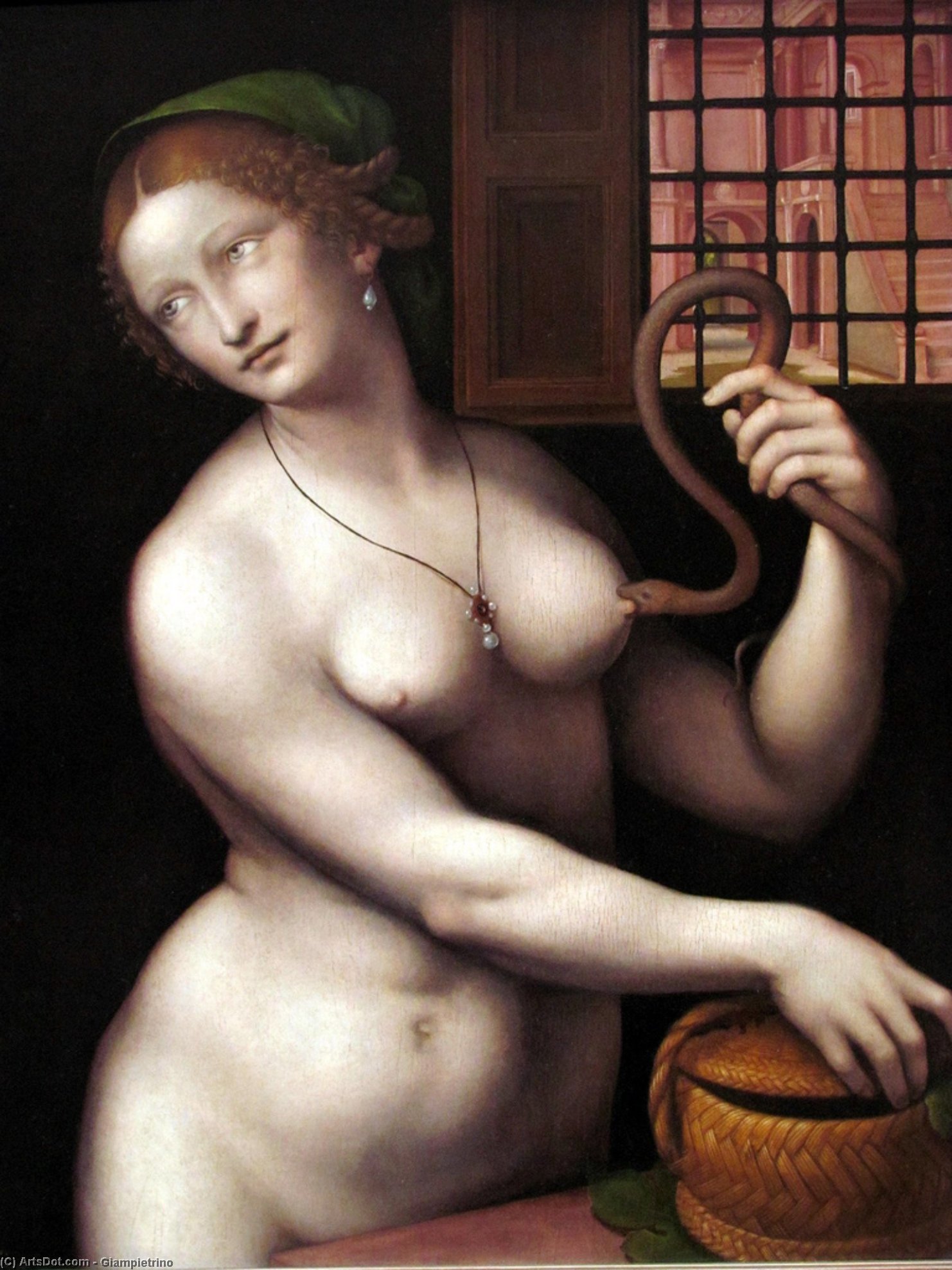
The Death of Cleopatra


 Pročitaj više
Ručno rađena uljana reprodukcija
Ručno oslikano uljanim bojama na platnu u dimenzijama i okviru po vašem izboru, izrađeno po porudžbini od strane naših umetnika. ( Kupi print Kupi digitalnu sliku)




P118B $10

P118H $10

P118W $10

P438Z $10

P508JH $12

P508YH $12

P805H $10

P805Z $10

P919BZ $10

P919G $10

P919XJ $10

P959ZH $10

P968JZ $12

W106C $8

W218G $10

W218JH $8

W218Y $10

W307PJ $10

W316G $10

W316PJ $8

W316Y $10

W398PJ $8

W4111J $10

W500HY $15

W500JH $15

W692G $12

W849H $8

W940BG $15

W953PJ $8




Izaberite jednu od naših unapred definisanih veličina koje odgovaraju originalnim proporcijama umetničkog dela.

Можете унети сопствене димензије како бисте прилагодили дело одређеном оквиру или простору. Ако одабрана величина не одговара пропорцијама оригинала, слика ће бити исечена или проширена додатним елементима који се ручно насликавају. Дигитални prikaz ће вам бити послат на одобрење пре почетка производње.
Имајте на уму да преглед на екрану не одражава стварно исецање или проширење. Само приказ (mockup) ће тачно приказати коначну композицију.
Иако су доступне прилагођене величине, препоручујемо да одаберете димензију из дефинисане листе како бисте сачували оригиналне пропорције.
Nakon narudžbine, tim ArtsDot.com će klijentu putem e-pošte poslati uputstva i dostaviti prikaz predloženog rešenja
Isporuka širom sveta () za 3/4 nedelje umesto uobičajenih 5 nedelja. (23 август). Bez kompromisa po pitanju kvaliteta.

Besplatna ekspresna dostava širom sveta

Visokokvalitetno laneno platno

Kompletno osiguranje transporta

Garancija povraćaja carine i uvoznih dažbina

Garancija vernosti boja

Politika povrata u roku od 60 dana (samo u slučaju nedostataka)

Garancija povrata novca od 100%

Popust pri grupnoj kupovini
 Opcija sa staklom dostupna je samo za dimenzije manje od 110 cm

The Death of Cleopatra
Tehnika reprodukcije
Dimenzije reprodukcije
-


Konačna cena
$ 263
Opis umetničkog dela
The Death of Cleopatra – A Portrait of Tragedy Reflected in Color
The painting “The Death of Cleopatra,” attributed to Giampietrino Rizzioli, stands as a poignant testament to the artistic fusion characteristic of the Ptolemaic art movement—a period that witnessed an extraordinary convergence between Greek idealism and Egyptian grandeur. Emerging from the reign of Ptolemy XII Auletes (149 BC – 30 BC), this artwork embodies not merely visual beauty but also profound historical significance, offering a glimpse into the anxieties and aspirations of Hellenistic Egypt.
Historical Context & Artistic Influences: The Ptolemaic dynasty’s rule marked a decisive shift in Egyptian culture. While maintaining traditional religious practices, they embraced Greek intellectual traditions and artistic styles, fostering an environment where innovation flourished alongside reverence for antiquity. Giampietrino's work directly reflects this dynamic—drawing heavily from Leonardo da Vinci’s studio, he skillfully incorporates elements of naturalism championed by the Florentine Renaissance into the framework of Egyptian iconography.
Composition & Technique: Painted in 1538, “The Death of Cleopatra” exemplifies Giampietrino's mastery of oil painting technique. The artist employed a pyramidal composition—a hallmark of Renaissance art—to elevate the figure of Cleopatra and imbue it with dignity amidst her final moments. Careful attention to detail is evident in the rendering of Cleopatra’s drapery, achieved through layering glazes that create subtle tonal variations and enhance the luminosity of the scene. The use of chiaroscuro – dramatic contrasts between light and shadow – powerfully underscores the emotional weight of the subject.
Symbolism & Narrative: Beyond its aesthetic merits, “The Death of Cleopatra” is laden with symbolic meaning. The woman’s hand clutching a snake—a potent emblem of royalty and venomous deceit—represents both Cleopatra's power and her impending demise. The basket positioned beneath her signifies the acceptance of fate, mirroring the biblical imagery of Judgement Day. These motifs resonate deeply within the broader context of Ptolemaic art, which frequently utilized symbolism to convey moral lessons and explore themes of mortality.
Emotional Impact & Legacy: Giampietrino’s depiction transcends mere representation; it captures a palpable sense of sorrow and resignation. The artist's skillful use of color—particularly the muted hues of ochre, umber, and crimson—contributes to the painting’s melancholic atmosphere. “The Death of Cleopatra” continues to captivate viewers today, serving as an enduring reminder of the grandeur and vulnerability inherent in human experience. Its influence can be seen in subsequent artistic endeavors that sought to explore similar themes of loss and transformation.
Further Information: For a deeper understanding of Ptolemaic art and Giampietrino Rizzioli’s oeuvre, please visit The Death of Cleopatra page on ArtsDot.com.
Srodna umetnička dela







Biografija umetnika
The Shadow of the Master: The Life and Legacy of Giampietrino
In the vibrant, transformative atmosphere of the Italian Renaissance, few artists captured the lingering essence of a legend as effectively as Giampietrino. Known to history by his more formal name, Giovanni Pietro Rizzoli, this North Italian painter emerged from the Lombard school during a period when the stylistic innovations of Leonardo da Vinci were sweeping through the peninsula. While much of his early life remains shrouded in the mists of time, his presence is indelibly etched into the annals of art history through his profound connection to Leonardo's circle. For decades, the artist was a phantom, known only by the moniker "Giampietrino" found in studio records, until scholars eventually linked this talented hand to the documented life of Rizzoli.
To study Giampietrino is to witness a masterful dialogue with greatness. He was often described by art historians as an "exploiter of Leonardo's repertory," a phrase that suggests not merely a follower, but a sophisticated interpreter of the High Renaissance style. His work serves as a vital bridge, helping to disseminate the subtle complexities of Leonardo’s late techniques—such as sfumato and the delicate interplay of light and shadow—to a wider audience across Lombardy and beyond. He did not simply mimic his predecessor; rather, he absorbed the master's vocabulary to create a body of work that felt both familiar in its grace and distinct in its execution.
A Tapestry of Devotion and Myth
The breadth of Giampietrino’s oeuvre is as impressive as it is varied, ranging from monumental altarpieances to intimate, evocative portraits. He possessed a remarkable ability to navigate between the sacred and the profane, moving seamlessly from the tender, maternal warmth of his Madonnas to the dramatic, tragic allure of mythological figures. His religious compositions, such as the Madonna with Child, are celebrated for their serene beauty and an exquisite attention to detail that captures a sense of timeless grace. In these works, one finds a profound emotional depth, where the soft rendering of flesh and the gentle gaze of the Virgin evoke a deep sense of piety and peace.
Beyond the altar, Giampietrino’s imagination flourished in the realm of classical legend. He was particularly adept at depicting powerful, singular women, imbuing them with a psychological complexity that foreshadowed later Renaissance developments. His explorations of figures such as Cleopatra and Mary Magdalene allow viewers to experience the fusion of Greek and Egyptian aesthetics through a Lombard lens. In his depiction of The Death of Cleopatra, for instance, the artist captures a tragic, cinematic quality, utilizing rich textures and a dramatic palette to tell a story of fallen royalty and enduring sorrow.
Artistic Evolution and Historical Significance
As Giampietrino’s career progressed through his active years between 1495 and 1549, his personal style began to assert itself more clearly against the heavy influence of his mentors. While he remained a faithful student of Leonardo's forms, contemporary observers noted a characteristic use of paler skin tones, a stylistic choice that lent his figures a luminous, almost ethereal quality. This subtle departure from the more robust shadows of the Leonardeschi allowed his work to possess a unique, delicate brilliance that became a hallmark of his mature period.
The historical significance of Giampietrino lies in his role as a cultural conduit. Through his prolific output—often producing multiple versions of the same subject—he ensured that the aesthetic revolution of the late 15th century reached every corner of the Italian landscape. His legacy is found not only in the surviving masterpieces housed in prestigious institutions like The Hermitage and the Uffizi Gallery but also in the way he helped define the visual language of the Lombard school. He remains a testament to the power of artistic continuity, proving that even those working in the shadow of giants can leave an indelible mark upon the light of history.
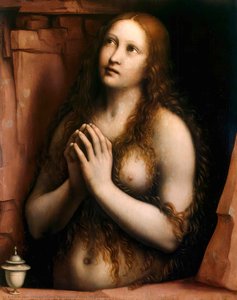
giampietrino
1495 - 1549 , Italy
Osnovne informacije
- Artistic Movement Or Style: Lombard school, Renaissance
- Artists Or Movements Influenced By This Artist:
- Bernardino Luini
- Giulio Cesare Procaccini
- Artists Who Influenced This Artist: ['Leonardo da Vinci']
- Date Of Birth: 1495
- Date Of Death: 1549
- Full Name: Giovanni Pietro Rizzoli
- Nationality: Italian
- Notable Artworks:
- Madonna with Child
- Repentant Mary Magdalene
- The Death of Cleopatra
- Place Of Birth: Italy
Povezani članci

Leonardo da Vinci: 25 Remek-dela Genija za Vaš Dom | ArtsDot
Istražite 25 remek-dela Leonarda da Vince, od Mona Lize do Poslednje večere. Otkrijte priče iza slika renesanse i inspiraciju za dekoraciju enterijera. Kvalitetne reprodukcije na ArtsDot.com!

Leonardo da Vinci: A Renaissance Master’s Synthesis of Art, Science & Human Observation – Reinterpreted for the Collector
Explore Leonardo da Vinci’s timeless masterpieces with ArtsDot. Discover insights into his art, science, and legacy – trusted expertise for discerning collectors seeking authentic reproductions & investment opportunities.

25 Remek-dela Luvra: Putovanje kroz vekove umetnosti i lepote | ArtsDot.com
Otkrijte 25 remek-dela Luvra! Istražite priče iza Mona Lize, Venere Miloske i drugih ikona umetnosti. Reprodukcije slika vrhunskog kvaliteta za vaš enterijer. Leonardo da Vinci, renesansa & više na ArtsDot.com
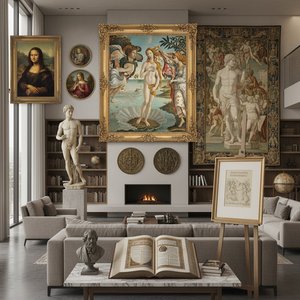
Renaissance Humanism's Greatest Art: 10 Masterpieces for Your Home
Explore 10 Renaissance Humanism masterpieces by Leonardo da Vinci, Michelangelo & Raphael. Discover the stories behind these iconic paintings & sculptures and bring timeless art into your home with museum-quality reproductions from ArtsDot.com. Explore the full collection online!

25 Remek-dela Galerije Uffizi: Putovanje kroz renesansnu lepotu | ArtsDot.com
Istražite 25 remek-dela Galerije Uffizi u Firenci! Otkrijte priče iza slika Leonarda da Vinčija, Mikelanđela i Botticellija. Pronađite inspiraciju za dekoraciju enterijera i kupite reprodukcije vrhunske kvalitete na ArtsDot.com.

