

 Pregledaj u prostoru
 Pošalji
 Podeli
 Detalji o delu

 Преузми
 Slični predmeti
 Rendgenski snimak
 Slajdovi
 Statistika
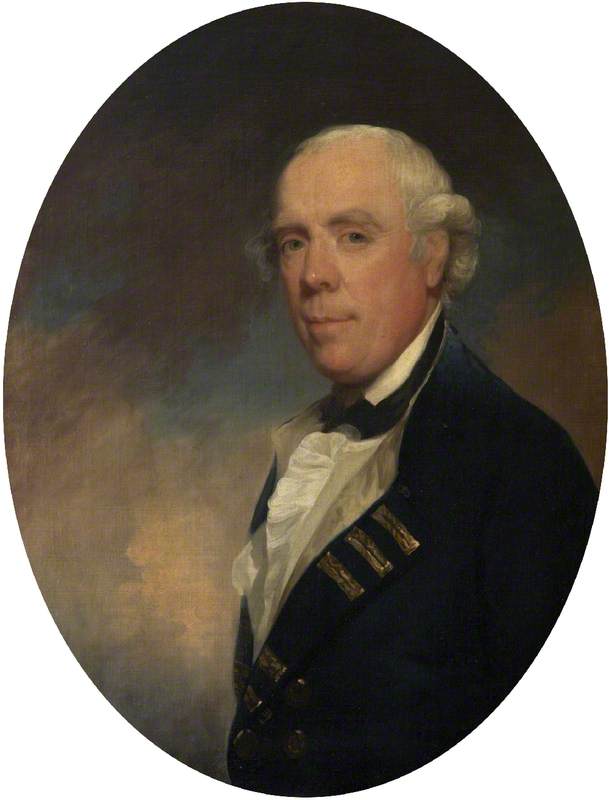
Admiral the Honourable Samuel Barrington (1729–1800)
 Oil On Canvas
- WallArt
- Neoclassicism
 1786
1786 76.0 x 64.0 cm
 National Trust
 Pročitaj više
Ručno rađena uljana reprodukcija
Ručno oslikano uljanim bojama na platnu u dimenzijama i okviru po vašem izboru, izrađeno po porudžbini od strane naših umetnika. ( Pređi na štampu Pređi na digitalnu sliku)




P118B $10

P118H $10

P118W $10

P438Z $10

P508JH $12

P508YH $12

P805H $10

P805Z $10

P919BZ $10

P919G $10

P919XJ $10

P959ZH $10

P968JZ $12

W106C $8

W218G $10

W218JH $8

W218Y $10

W307PJ $10

W316G $10

W316PJ $8

W316Y $10

W398PJ $8

W4111J $10

W500HY $15

W500JH $15

W692G $12

W849H $8

W940BG $15

W953PJ $8




Izaberite jednu od naših unapred definisanih veličina koje odgovaraju originalnim proporcijama umetničkog dela.

Можете унети сопствене димензије како бисте прилагодили дело одређеном оквиру или простору. Ако одабрана величина не одговара пропорцијама оригинала, слика ће бити исечена или проширена додатним елементима који се ручно насликавају. Дигитални prikaz ће вам бити послат на одобрење пре почетка производње.
Имајте на уму да преглед на екрану не одражава стварно исецање или проширење. Само приказ (mockup) ће тачно приказати коначну композицију.
Иако су доступне прилагођене величине, препоручујемо да одаберете димензију из дефинисане листе како бисте сачували оригиналне пропорције.
Nakon narudžbine, tim ArtsDot.com će klijentu putem e-pošte poslati uputstva i dostaviti prikaz predloženog rešenja
Isporuka širom sveta () za 3/4 nedelje umesto uobičajenih 5 nedelja. (11 септембар). Bez kompromisa po pitanju kvaliteta.

Besplatna ekspresna dostava širom sveta

Visokokvalitetno laneno platno

Kompletno osiguranje transporta

Garancija povraćaja carine i uvoznih dažbina

Garancija vernosti boja

Politika povraćaja u roku od 100 dana (isključivo u slučaju nedostataka)

Garancija povrata novca od 100%

Popust pri grupnoj kupovini
 Opcija sa staklom dostupna je samo za dimenzije manje od 110 cm

Admiral the Honourable Samuel Barrington (1729–1800)
Tehnika reprodukcije
Dimenzije reprodukcije
-


Konačna cena
$ 263
The Dignified Presence of Samuel Barrington
Gilbert Stuart’s portrait of Admiral the Honourable Samuel Barrington, painted in 1786, is more than just a likeness; it's a carefully constructed embodiment of Georgian naval authority and aristocratic grace. The painting captures a man at the zenith of his career – a seasoned admiral commanding respect both on land and sea – presenting an image of controlled power tempered by a subtle air of cultivated refinement. Barrington himself was a figure of considerable importance, serving with distinction during the American Revolutionary War and later rising through the ranks to become a prominent member of Parliament. Stuart’s skill lies not merely in replicating features but in conveying character, status, and the weight of experience.
The composition is classically balanced, reflecting the prevailing aesthetic sensibilities of the time. Barrington stands squarely within the frame, his posture erect and dignified, suggesting both strength and composure. His gaze, direct yet measured, engages the viewer with an almost challenging confidence. The dark, rich tones of his suit – a deep navy blue or perhaps a somber brown – immediately establish a sense of formality and importance, while the subtle variations in lighting across his face and clothing create a dynamic interplay of shadow and highlight, adding depth and realism to the portrait. Note the meticulous detail in the rendering of his lace cravat and the intricate folds of his coat; these elements speak volumes about his wealth and social standing.
A Window into the Age of Sail
To fully appreciate this portrait, it’s essential to understand the context within which it was created. The late 18th century was a period of immense naval expansion and global exploration, fueled by trade, colonialism, and burgeoning national identities. Figures like Barrington were central to this era – commanding fleets, negotiating treaties, and shaping the geopolitical landscape. Stuart's portrait serves as a visual record of this age of sail, capturing not only the appearance of a prominent admiral but also the values and aspirations associated with naval leadership.
The painting’s style aligns closely with Neoclassicism, a movement that drew inspiration from the art and architecture of ancient Greece and Rome. This influence is evident in the portrait's emphasis on idealized forms, balanced compositions, and restrained emotional expression. However, Stuart subtly departs from strict Neoclassical conventions, injecting a degree of warmth and humanity into his subject’s portrayal. Barrington isn’t depicted as an austere or distant figure; instead, he possesses a quiet dignity that invites empathy and admiration.
Symbolism and the Portraiture Tradition
Beyond its formal qualities, the portrait is rich in symbolic meaning. The admiral's attire – particularly his naval uniform – signifies his authority and status within the military hierarchy. The inclusion of specific details, such as the medals adorning his chest or the intricate patterns on his clothing, further reinforces this message. The pose itself—standing at attention, with one hand resting lightly on a sword—is a common convention in portraiture, conveying readiness for action and a commitment to duty.
Furthermore, the portrait adheres to established conventions of aristocratic representation. The careful attention to detail, the luxurious fabrics, and the restrained expression all contribute to an image of cultivated elegance and social grace – qualities highly valued within the upper echelons of Georgian society. The painting reflects a tradition of portraying prominent figures as embodiments of virtue, intelligence, and leadership, reinforcing their position within the social order.
A Timeless Image of Authority
Admiral Barrington’s portrait endures not simply as a representation of a historical figure but as an enduring symbol of authority, dignity, and the complexities of Georgian society. Gilbert Stuart's masterful technique—his ability to capture both physical likeness and psychological depth—has created an image that continues to resonate with viewers today. It is a testament to the power of portraiture to transcend time and offer a glimpse into the lives and aspirations of those who shaped their world.
Srodna umetnička dela
Biografija umetnika
Gilbert Stuart: Život utkan u portret
- Rođen: 3. decembra 1755, Saunderstown, Rod Island
- Preminuo: 9. jula 1828, Boston, Masačusets
- Nacionalnost: Američka
- Pokret: Neoklasicizam
- Poznat po: Portretnoj slikarstvu, naročito portretima istaknutih ličnosti iz rane američke istorije.
Rano detinjstvo i umetničko sazrevanje
- Gilbert Stuart je rođen u porodici sa škotskim korenima; njegov otac, isto po imenu Gilbert, bio je pronalazač koji je osnovao prvi mlin za duvan u Rod Islandu.
- Njegov umetnički talenat projavio se još u ranom detinjstvu, pokazujući izuzetnu veštinu već kao malo dete.
- Sa samo 14 godina, naslikao je "Spaniele doktora Hantera", delo koje je najavilo njegov rani umetnički potencijal.
- Oko 1771. godine otputovao je u Škotsku kako bi učio od Kozma Aleksandera, ali se vratio nakon Aleksandrove smrti 1775. godine.
- Dalji razvoj umetničkog stila i sticanje priznanja unutar Kraljevog akademskog društva dogodilo se u Londonu, gde je od 1775. do 1780. godine trenirao pod vođstvom Bendžamina Vejsta, istaknutog američkog slikara koji je živeo u Engleskoj.
Umetnička karijera i velika dela
- Stuartova karijera suočila se sa velikim izazovima tokom Američke revolucije, što ga je primoralo da se 1775. godine preseli u Englesku.
- Svoj rani uspeh postigao je delom "Klizač" (1782), portretom koji je utvrdio njegovu reputaciju među mecenasima.
- Njegovo najpoznatije delo je nedovršeni portret Džordža Vašingtona, poznat kao "Athenaeum portret" (započet 1796. godine). Ova slika postala je ikona, pojavljujući se na američkim novčanicama i poštanskim markama. Stuart je kreirao brojne kopije ovog portreta za klijente širom Amerike i Evrope.
- Portretirao je i mnoge druge značajne ličnosti, uključujući Džona Adamsa, Tomasa Džefersona, Džejmsa Medisona i brojne članove federalističke elite.
- Njegov stil karakteriše neoklasični pristup, sa naglaskom na realizam i verno prenošenje sličnosti i karaktera svojih subjekata. Često je koristio dramatičnu igru svetlosti i senke kako bi pojačao emocionalni uticaj svojih portreta.
Uticaji i umetnički razvoj
- Kozmo Aleksander mu je pružio temeljno rano obezbeđivanje znanja o tehnici i kompoziciji.
- Uticaj Bendžamina Vejsta bio je presudan, oblikujući Stuartovo razumevanje portretne umetnosti i umetničkih principa.
- Neoklasični pokret, sa svojim naglaskom na klasične forme i ideale, snažno je uticao na njegov stil.
- Stuartova lična zapažanja i interakcija sa modelima doprineli su psihološkoj dubini i realizmu njegovih dela. Težio je tome da ne predstavi samo fizičku sličnost, već i samu dušu i ličnost onih koje je slikao.
Istorijski značaj i nasleđe
- Gilbert Stuart se smatra jednim od najznačajnijih američkih portretista, igrajući ključnu ulogu u dokumentovanju ranih godina Sjedinjenih Država.
- Athenaeum portret Džordža Vašingtona postao je trajni simbol američkog identiteta i liderstva.
- Njegovi portreti pružaju dragocene istorijske uvide u živote i izgled istaknutih ličnosti iz kraja 18. i početka 19. veka.
- Stuartova dela se nalaze u vodećim muzejima širom Sjedinjenih Država i Evrope, osiguravajući da se njegovo nasleđe neprestano ceni generacijama koje dolaze.
- On je uspostavio poseban američki stil portretizma koji je uspešno spojio evropske tehnike sa jedinstvenim američkim senzibilitetom.
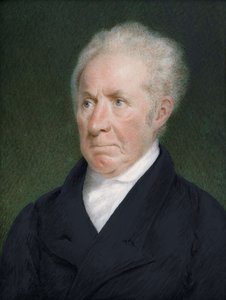
Gilbert Stuar
1755 - 1828 , Ujedinjeno Kraljevstvo
Osnovne informacije
- Artistic Movement Or Style: Neoklasicizam
- Artists Who Influenced This Artist:
- Cosmo Alexander
- Benjamin West
- Date Of Birth: 3. decembar 1755.
- Date Of Death: 9. jul 1828.
- Full Name: Gilbert Charles Stuart
- Nationality: Amerikanc
- Notable Artworks:
- Dr. Hunter's Spaniels
- Klizač
- Athenaeum portret Vašingtona
- Place Of Birth: Saunderstown, Ujedinjeno Kraljevstvo
Povezani članci

Trajnu Ostavština Uljanih Boja na Platnu: Tehnika, Istorija i Savremena Praksa
Istražite bogatu istoriju i savremene tehnike uljanog slikarstva. Saveti stručnjaka, analiza radova velikih majstora i vodiči za biranje kvalitetnih materijala. Otkrijte tajne očuvanja umetničkih dela!

The Enduring Power of Painting: A Historical & Contemporary Exploration of Form and Emotion
Explore the rich history & enduring techniques of oil painting with ArtsDot. Discover masterpieces, learn about art collecting, and find authentic handmade reproductions crafted by skilled artists.

The Enduring Legacy of Oil on Canvas: Technique, History & Aesthetic Impact
Explore the rich history & techniques of oil painting – from Renaissance masters to Impressionism. Discover pigments, layering methods, and why this timeless medium endures. Expert insights for artists & art enthusiasts.

Oil on Canvas: A Historical & Technical Exploration of a Timeless Artistic Medium
Explore the rich history & enduring techniques of oil painting on canvas. Discover the science behind its longevity, conservation practices, and contemporary relevance. Expert insights for art enthusiasts.
Oil on Board: A Historical Survey of Technique, Aesthetic Qualities & Enduring Appeal
Explore the rich history of oil on board painting! Discover techniques, aesthetic qualities & enduring appeal from early masters to modern practice. Expert insights for collectors and art enthusiasts.