 Pregledaj u prostoru
 Pošalji
 Podeli
 Detalji o delu

 Преузми
 Slični predmeti
 Rendgenski snimak
 Slajdovi
 Statistika
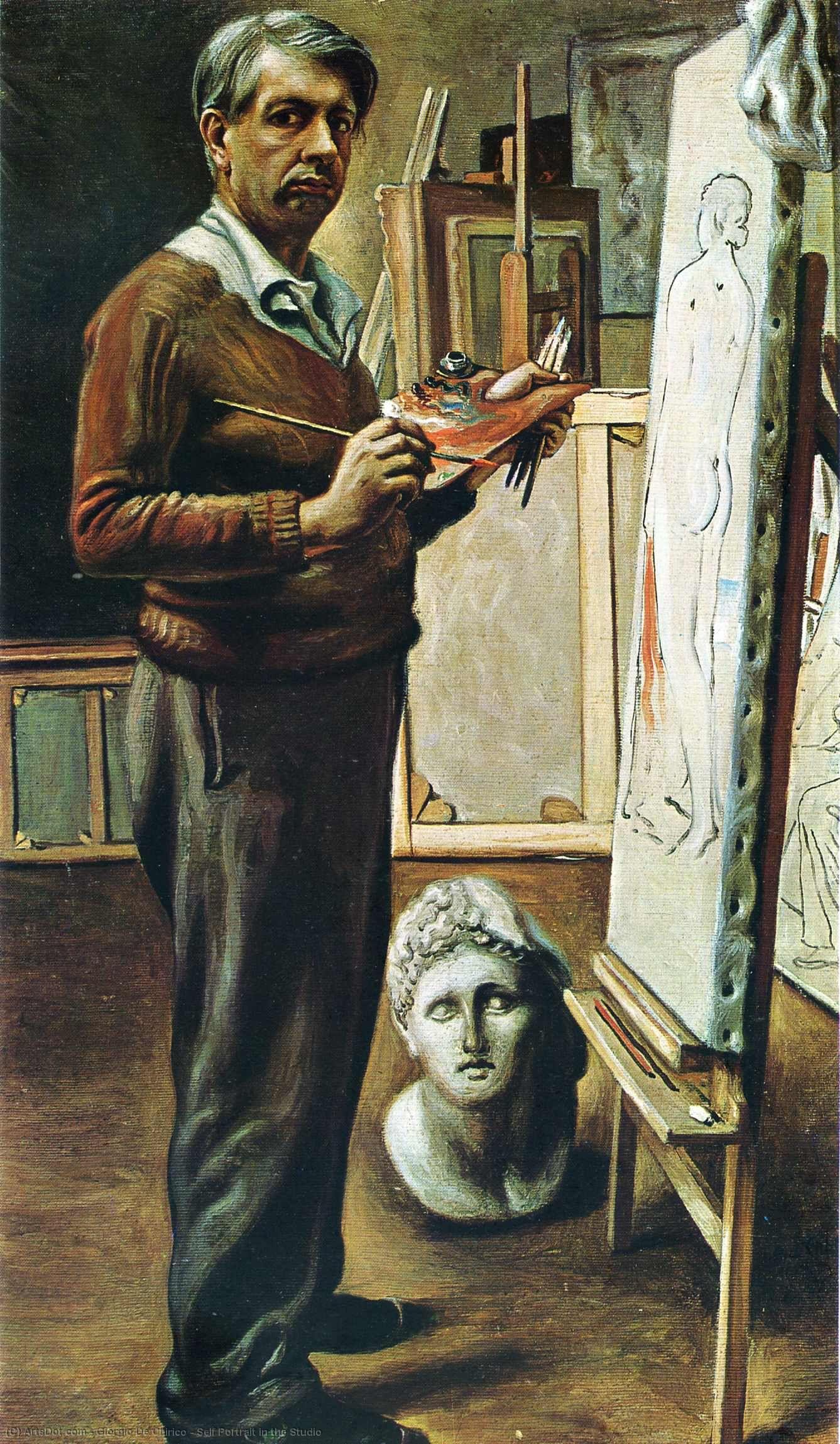
Self Portrait in the Studio


 Pročitaj više
Ručno rađena uljana reprodukcija
Ručno oslikano uljanim bojama na platnu u dimenzijama i okviru po vašem izboru, izrađeno po porudžbini od strane naših umetnika. ( Pređi na štampu Pređi na digitalnu sliku)




P118B $10

P118H $10

P118W $10

P438Z $10

P508JH $12

P508YH $12

P805H $10

P805Z $10

P919BZ $10

P919G $10

P919XJ $10

P959ZH $10

P968JZ $12

W106C $8

W218G $10

W218JH $8

W218Y $10

W307PJ $10

W316G $10

W316PJ $8

W316Y $10

W398PJ $8

W4111J $10

W500HY $15

W500JH $15

W692G $12

W849H $8

W940BG $15

W953PJ $8




Izaberite jednu od naših unapred definisanih veličina koje odgovaraju originalnim proporcijama umetničkog dela.

Можете унети сопствене димензије како бисте прилагодили дело одређеном оквиру или простору. Ако одабрана величина не одговара пропорцијама оригинала, слика ће бити исечена или проширена додатним елементима који се ручно насликавају. Дигитални prikaz ће вам бити послат на одобрење пре почетка производње.
Имајте на уму да преглед на екрану не одражава стварно исецање или проширење. Само приказ (mockup) ће тачно приказати коначну композицију.
Иако су доступне прилагођене величине, препоручујемо да одаберете димензију из дефинисане листе како бисте сачували оригиналне пропорције.
Nakon narudžbine, tim ArtsDot.com će klijentu putem e-pošte poslati uputstva i dostaviti prikaz predloženog rešenja
Isporuka širom sveta () za 3/4 nedelje umesto uobičajenih 5 nedelja. (9 септембар). Bez kompromisa po pitanju kvaliteta.

Besplatna ekspresna dostava širom sveta

Visokokvalitetno laneno platno

Kompletno osiguranje transporta

Garancija povraćaja carine i uvoznih dažbina

Garancija vernosti boja

Politika povraćaja u roku od 100 dana (isključivo u slučaju nedostataka)

Garancija povrata novca od 100%

Popust pri grupnoj kupovini
 Opcija sa staklom dostupna je samo za dimenzije manje od 110 cm

Self Portrait in the Studio
Tehnika reprodukcije
Dimenzije reprodukcije
-


Konačna cena
$ 263
Giorgio de Chirico’s “Self Portrait in the Studio” – A Dreamscape of the Mind
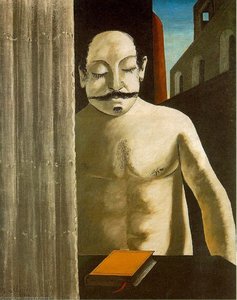
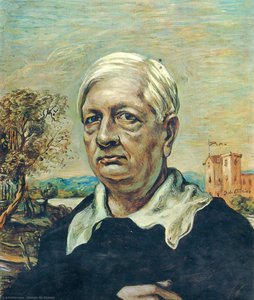
Giorgio de Chirico's "Self Portrait in the Studio," painted in 1935, isn’t merely a depiction of an artist at work; it’s a meticulously crafted portal into the subconscious. This enigmatic piece, rendered in his signature Neo-Baroque style, embodies the core tenets of his groundbreaking Metaphysical art movement – a realm where reality and dream intertwine, creating an atmosphere of unsettling beauty and profound philosophical inquiry. The painting immediately draws the viewer in with its muted palette of ochres, browns, and greys, punctuated by the stark white of the artist’s shirt and the luminous glow emanating from his easel. It's a scene steeped in quiet contemplation, yet brimming with latent tension, as if waiting for a revelation to emerge.
De Chirico’s studio is not a conventional space; it’s a carefully constructed stage for psychological exploration. The background reveals a collection of canvases – hints of unfinished works suggesting the ongoing process of creation and the artist's restless mind. A statue, rendered in a classical style but possessing an unsettlingly vacant expression, stands as a silent observer, perhaps representing the idealized form against which de Chirico’s own artistic endeavors are measured. The inclusion of this figure adds to the overall sense of isolation and introspection, highlighting the solitary nature of the creative process.
The Language of Metaphysical Realism
De Chirico's mastery lies in his ability to evoke a specific mood through precise detail and carefully considered composition. Notice the deliberate use of perspective – subtly distorted and creating an almost claustrophobic effect, mirroring the feeling of being trapped within one’s own thoughts. The lighting is crucial; it’s not natural light but rather an internal illumination, as if the artist's imagination itself casts a glow upon his surroundings. This technique, central to Metaphysical art, aims to capture the subjective experience of reality – how our perceptions can be radically altered by emotion and memory.
The painting’s color palette contributes significantly to its unsettling atmosphere. The muted tones create a sense of stillness and melancholy, while the stark white highlights the artist's face and the easel, drawing attention to his act of creation. This deliberate restraint amplifies the emotional impact, suggesting that beneath the surface lies a complex web of anxieties and desires. De Chirico’s use of oil paint allows for rich textures and subtle gradations of color, further enhancing the painting’s tactile quality and inviting close examination.
Symbolism and Philosophical Resonance
“Self Portrait in the Studio” is deeply rooted in de Chirico's philosophical influences. He was profoundly affected by the writings of Friedrich Nietzsche and Arthur Schopenhauer, particularly their explorations of existentialism, irrationality, and the subjective nature of reality. The painting can be interpreted as a visual representation of this intellectual framework – a meditation on the relationship between the conscious and unconscious mind. The statue, with its blank stare, could symbolize the unattainable ideal or the limitations of human understanding.
Furthermore, de Chirico’s fascination with Roman ruins and classical mythology is evident in the painting's composition and subject matter. The studio itself evokes a sense of timelessness, reminiscent of ancient spaces filled with echoes of the past. The mannequin-like figure, a recurring motif in his work, represents an idealized form stripped of its humanity – a symbol of artistic aspiration and perhaps even the artist’s own fragmented self.
Bringing De Chirico's Vision Home
ArtsDot offers exquisite hand-painted reproductions of “Self Portrait in the Studio,” allowing you to experience the depth and complexity of this iconic artwork firsthand. Our skilled artists meticulously recreate de Chirico’s nuanced techniques, capturing the painting’s haunting atmosphere and philosophical resonance with remarkable fidelity. Whether displayed in a contemporary interior or a classic setting, a ArtsDot reproduction will serve as a captivating conversation piece – a window into the mind of one of art history's most enigmatic figures.
Consider how this artwork can enrich your space, prompting reflection on themes of creativity, isolation, and the elusive nature of reality. Explore our collection today and bring the dreamscape of Giorgio de Chirico into your world.
Srodna umetnička dela

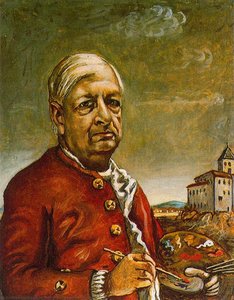
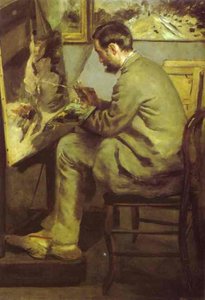
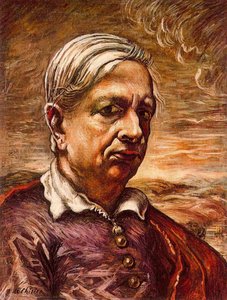
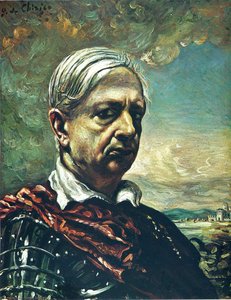
Biografija umetnika
Giorgio de Chirico: A Dreamscape of the Mind
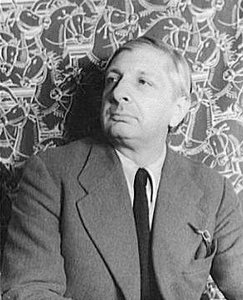
Giorgio de Chirico (ital. Giorgio de Chirico; 10. jul 1888 — 20. novembra 1978) bio je italijanski slikar koji je ostavio nezaboravno mesto u istoriji umetnosti XX veka. Rođen u Volosu, Italija, De Čiriko je sin italijanskih roditelja – Đenovskoj majci i Sicilijskom otcu – čije umetničko putovanje bilo je jedno duboko ukorenjeno u klasiku i rastućem osećaju moderne izolacije. Još tokom školovanja na Univerzitetu Atine i Firenci, De Čiriko je stekao temelje tradicionalnih tehnika, ali prava umetnička inspiracija pronašla se njegovim studijama u Minhenu gde je upoznao dela Ernolda Бёклина и Макса Клингера – umetnika čije simboličke pejzaže i uznemirujući imidži duboko su resonisali sa njegovom vlastitom umetničkom estetikom. Isto toliko su ga uticala filozofska strujanja vremena – dela Фридриха Ничеа, Артура Шопенhauera и Отто Вејнингера – koja su istraživala teme egzistencijalizma, iracionalnosti ljudske želje i subjektivne prirode stvarnosti. Ove ideje postale su centralne za De Čirikov inovativnu umetničku viziju.The Birth of Metaphysical Painting
Krajem 1909. godine pojavio se jedan jedinstveni stil iz De Čirikova umetničkog istraživanja – stil koji je sam nazivao “Metafizička umetnost”. Ovo nije bila samo stilistička inovacija; već duboka želja da uhvati skrivene stvarnosti ispod površine svakodnevnog života, da otkrije uznemirujući poeziju skrivenih u poznatim prostorima. Кључну улогу је имао посета Флоренци и искуства на Плоча Света Креће где је Де Čирико био запаљен својим иконашким циклом “Плоча Света Креће”. Ове слике карактеришу се еријом тишине, дугим драматичним сенкама, логичном перцепцијом и присуством класичне архитектуре juxtaposovanih са узнемирујућим елементима као што су лицемерни манеквини и прекомерни споровећи статуи. Ефекта је изузетно узнемирујуће, инспирисано носталгијом, изолацијом и емоционално великом жељом за чињежом која је изгубила или не постигнута. Де Čирико је основао Школту Метафизику што је дубоко утицало на Сурреализам али касније се одбио његовим интерпретацијама његове ствари. Овој слици није био циљ да се прикаже сан већ покушај да се представи реалност ван видљивог света – царство где је време и простор течни а границе између свесће и инконцеденције прелазе. Слике као што су *Утицање мислиоца*, *Енхигма Аутумског Послеподневља* и *Певање Љубави* прилично су одговарајући примењењу ове узнемирујуће естетике инспирисани су да се посматрају мистерије постојања и фрустрацију човекове перцепције.Influences and Artistic Lineage
- Influenced By: Arnold Böcklin, Max Klinger, Friedrich Nietzsche, Arthur Schopenhauer.
- Influenced: Surrealism, particularly artists like René Magritte and Salvador Dalí. His work also impacted later movements such as Magic Realism.
A Shift in Style and a Lasting Legacy
После Првог светског рата око 1919. године Де Čирико је прекинуо своје метафизичко путовање прихватајући уместо тога традиционалнији стил неокласичан или необароковски. Ова промена је сусретнула велику критику многих критичара који су се жалиле на одбијање инновативног духа који је дефинисао његово рано дело сматрајући га одбио реалност која је претила да буде изгубила своју елегантну естетику. Ипак Де Čирико је остао верстан у своје umetničke izbore, поново посећујући теме из прошлости али приказујући их новом стилу перцепције. Он је наставио да слика и излази на изложбе током целог живота изузев се одбијањем критике који је био велик у време своје младости. Ипак његов утицај на касније генерације umetника не може бити прецењено. Јединствена употреба простора перцепције и перспективе и симболичке естетике заступао је нови начин посматрања света као места скривених значења узнемирујуће лепоте и трајне мистерије. Слике као што су *Утицање мислиоца*, *Енхигма Аутумског Послеподневља* и *Певање Љубави* прилично су одговарајући примењењу ове узнемирујуће естетике инспирисани су да се посматрају мистерије постојања и фрустрацију човекове перцепције.Key Achievements and Recognition
- Он је био основач Школте Метафизике која је имала огромно утицање на Сурреализам.
- Његове слике су биле излагане у великим музејима широм света укључујући Музеј посвећен његовом делу код Шпанских Степа у Риму где је гарантована трајност његовог наслеђа као једног од најважнијих фигура XX века.
Ђорђе Де Кирико
1888 - 1978 , Греција
Osnovne informacije
- Artistic Movement Or Style: Метафизичка уметност
- Artists Or Movements Influenced By This Artist: ['Сюрреализам']
- Artists Who Influenced This Artist:
- Арнолд Бёклин
- Макс Клингер
- Фридрих Ниче
- Date Of Birth: 10. jul 1888
- Date Of Death: 20. novembra 1978
- Full Name: Giorgio de Chirico
- Nationality: Италијански
- Notable Artworks:
- Вексовање Мислиоца
- Загадка послеподневна пролећа
- Песма радости
- Place Of Birth: Volos, Grčka
Povezani članci
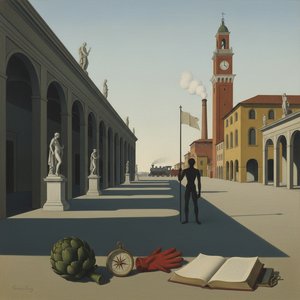
Giorgio de Chirico: Metaphysical Realities & the Poetics of Absence
Explore the captivating world of Giorgio de Chirico and his groundbreaking Metaphysical painting movement. Discover the philosophical depths & surreal imagery that influenced generations of artists. Learn more at ArtsDot.

About Us
Discover our story! We bring world-class art into your life through expert curation, personalized creations, and free previews. Trusted by individuals and businesses since 2000.
Beyond Reality's Veil: Exploring the Enigmatic World of Metaphysical Art
Explore the captivating world of Metaphysical art with ArtsDot. Discover Giorgio de Chirico's iconic paintings, philosophical influences & lasting impact on Surrealism. Expert insights for collectors.
Reflecting the Self: A History of Portraiture & Psychological Insight
Explore the fascinating history of self-portraiture from Renaissance masters like Dürer & Rembrandt to modern interpretations. Discover the psychological insights and artistic techniques behind these iconic works. Expert analysis for art enthusiasts.

Francisco Goya: 25 Remek-dela Španskog Majstora za Vaš Dom | ArtsDot
Istražite 25 remek-dela Francisca Goya, španskog slikara romantizma i impresionizma. Portreti, tamne slike & istorija umetnosti na ArtsDot.com! Kupite reprodukcije slika vrhunskog kvaliteta za dekoraciju enterijera. Otkrijte celu kolekciju online.