

 Pregledaj u prostoru
 Pošalji
 Podeli
 Detalji o delu

 Преузми
 Slični predmeti
 Rendgenski snimak
 Slajdovi
 Statistika
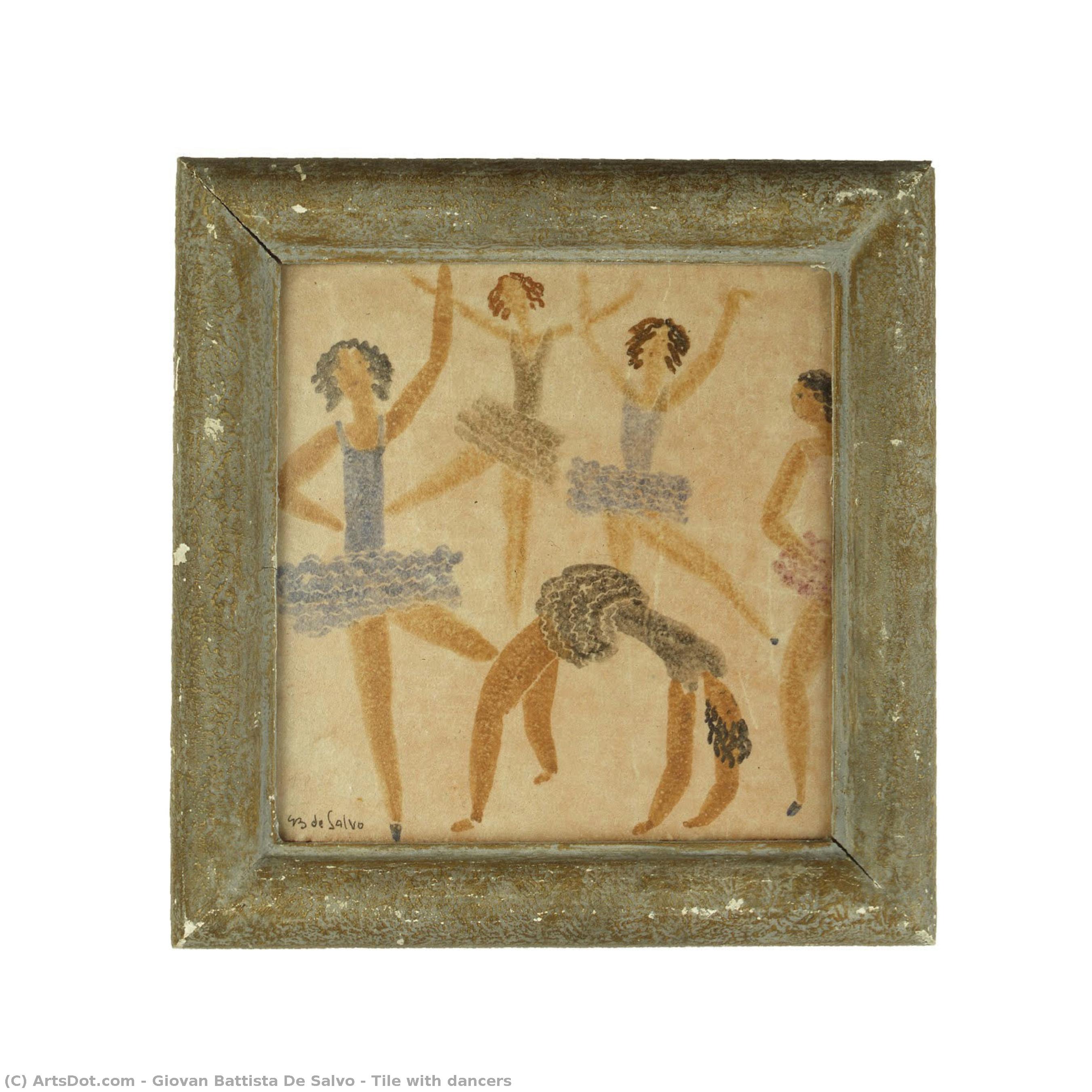
Tile with dancers
 Acrylic On Canvas
- WallArt
- Hudson River School
 1933
1933- 19th Century
 1.0 x 26.0 cm
 Sforza Castle
 Pročitaj više
Giclee štampa / Umetnički otisak
Giclée štampa ili print na platnu muzejskog kvaliteta uz brzu proizvodnju i fleksibilne opcije završne obrade. ( Kupi ručno naslikanu sliku Pređi na digitalnu sliku)




P118B $10

P118H $10

P118W $10

P438Z $10

P508JH $12

P508YH $12

P805H $10

P805Z $10

P919BZ $10

P919G $10

P919XJ $10

P959ZH $10

P968JZ $12

W106C $8

W218G $10

W218JH $8

W218Y $10

W307PJ $10

W316G $10

W316PJ $8

W316Y $10

W398PJ $8

W4111J $10

W500HY $15

W500JH $15

W692G $12

W849H $8

W940BG $15

W953PJ $8




Izaberite jednu od naših unapred definisanih veličina koje odgovaraju originalnim proporcijama umetničkog dela.

Možete uneti sopstvene dimenzije kako biste umetničko delo prilagodili specifičnom okviru ili prostoru. Ako odabrani format ne odgovara proporcijama originalne slike, mi ćemo ili iscrtati deo dela ili proširiti sliku pomoću ogledane ivice ili jednobojnog popunjavanja. Digitalni prikaz će vam biti poslat na odobrenje pre početka proizvodnje.
Imajte na umu da pregled na ekranu ne odražava stvarno iscrtavanje ili proširivanje. Samo će prikaz (mockup) precizno pokazati finalnu kompoziciju.
Iako su prilagođene dimenzije dostupne, preporučujemo da odaberete dimenziju sa unapred definisane liste kako biste očuvali originalne proporcije.
Dostava širom sveta () za 2 nedelje umesto uobičajenih 4/5 nedelja. (9 септембар)

Besplatna ekspresna dostava širom sveta

Visokokvalitetno laneno platno

Kompletno osiguranje transporta

Garancija povraćaja carine i uvoznih dažbina

Garancija vernosti boja

Politika povraćaja u roku od 100 dana (isključivo u slučaju nedostataka)

Garancija povrata novca od 100%

Popust pri grupnoj kupovini
 Opcija sa staklom dostupna je samo za dimenzije manje od 110 cm

Tile with dancers
Giclee štampa / Umetnički otisak
Dimenzije reprodukcije
-


Konačna cena
$ 62
Tile with Dancers – A Symphony of Color and Movement
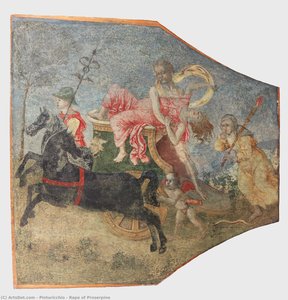
The artwork "Tile with Dancers," created by Giovan Battista De Salvo in 1933, stands as a testament to the enduring influence of the Hudson River School on American landscape painting. More than just a depiction of scenery, it’s an exploration of emotion—a deliberate attempt to capture the dynamism and grandeur inherent in the natural world, mirroring the spirit of its time. De Salvo's masterful use of majolica glaze imbues the piece with a luminous quality that draws the viewer into a scene brimming with energy and grace.Setting the Stage: The Brick Wall Backdrop
The painting’s composition centers around five figures engaged in various poses—a handstand, bending backwards, standing on one leg, and extending arms outwards—against a backdrop of a brick wall. This architectural element isn't merely incidental; it serves as an anchor for the movement within the scene. The brick wall provides textural contrast to the dancers’ forms, grounding them in reality while simultaneously emphasizing their upward thrust. De Salvo skillfully employs atmospheric perspective – subtly blurring distant elements—to heighten the sense of depth and create a feeling of expansive space. This technique aligns perfectly with the Hudson River School's fascination with capturing sublime vistas.Technique and Style: Luminism’s Delicate Touch
De Salvo’s artistic approach is rooted in luminism, a style characterized by its meticulous attention to light and tonal gradation. Unlike earlier painters who prioritized bold outlines and dramatic contrasts, luminists sought to emulate the effects of natural illumination—the way sunlight filters through foliage or casts shadows across mountainsides. This painstaking technique allows De Salvo to convey not just what he sees but how it *feels*. The subtle blending of colors creates an illusion of depth and luminosity, mirroring the ethereal beauty of the landscape itself. He achieves this effect with delicate brushstrokes that capture the nuances of light and shadow—a hallmark of his artistic vision.Symbolism: Movement and Transcendence
The dancers themselves represent more than just figures in a pose; they embody themes of movement, balance, and aspiration. Their upward gestures symbolize reaching for something beyond the earthly realm – mirroring the Hudson River School’s preoccupation with spiritual contemplation. The brick wall serves as a visual reminder of human presence within nature—a grounding element that contrasts with the dancers' ethereal movements. Together, these elements contribute to an overarching narrative about humanity's relationship with the sublime beauty of the natural world.Emotional Impact: Capturing the Sublime
Ultimately, “Tile with Dancers” succeeds in conveying a profound emotional response – awe and wonder at the scale and majesty of nature. De Salvo’s masterful use of color and technique transports the viewer into a moment of contemplation, inviting them to appreciate the beauty and grandeur of the American West as envisioned by the Hudson River School. It's a painting that lingers in the memory long after viewing, resonating with the spirit of Romantic idealism and celebrating the transformative power of art.Srodna umetnička dela

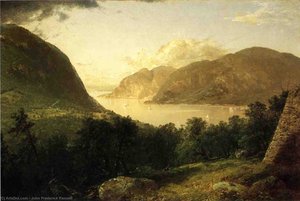
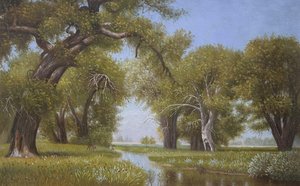
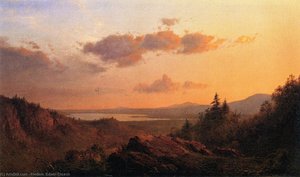

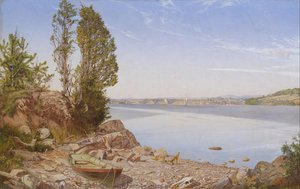
Biografija umetnika
Albert Bierstadt: The Grand Visionary of the American West
Born in Prussia in 1830, Albert Bierstadt’s journey to becoming one of America's most celebrated landscape painters was a testament to his ambition and artistic dedication. His early life, marked by a move to New Bedford, Massachusetts, instilled within him a deep appreciation for the natural world – an appreciation that would profoundly shape his future work. He initially pursued studies in Düsseldorf, Germany, immersing himself in the traditions of the Dusseldorf School, known for its meticulous detail and dramatic lighting. This training provided him with a foundational skill set, but it was his return to America and his subsequent association with the Hudson River School that truly defined his artistic trajectory.
The Hudson River School, emerging in New York during the mid-19th century, represented a shift away from the rigid neoclassical styles of earlier periods. Artists within this movement sought to capture the sublime beauty of the American landscape – vast wildernesses and towering mountain ranges – often imbued with romantic ideals. Bierstadt’s work perfectly embodies this spirit. He wasn't merely depicting scenery; he was striving to convey an emotional response, a sense of awe and wonder at the scale and majesty of nature. His paintings were not simply representations but carefully constructed narratives designed to transport the viewer into the heart of the American West.
Bierstadt’s most significant contribution lay in his ability to translate the experiences of westward expansion into visual form. He participated in several expeditions, meticulously documenting the landscapes he encountered – journeys that provided him with unparalleled access to some of America's most iconic vistas. Unlike many of his contemporaries who focused on smaller scenes or urban settings, Bierstadt chose to paint the grand scale of the West: towering mountains, expansive plains, and dramatic river valleys. His paintings became a crucial element in shaping public perception of this burgeoning frontier, offering a romanticized yet undeniably powerful vision of the American West.
The Rocky Mountain Pioneer
Bierstadt’s fascination with the Rocky Mountains proved to be his most enduring subject matter. He embarked on several expeditions into these majestic peaks, producing some of his most celebrated works – paintings like *Rocky Mountain Sunset* and *The First Snowfall*. These weren't simple depictions; they were carefully orchestrated compositions designed to evoke a sense of grandeur and spiritual connection. He employed techniques honed during his Düsseldorf training—precise detail, atmospheric perspective, and dramatic lighting—to create an almost palpable sense of depth and scale.
Crucially, Bierstadt’s approach went beyond mere observation. He meticulously researched the geology, flora, and fauna of the region, incorporating these details into his paintings with remarkable accuracy. His work served as a visual record of the West, capturing not only its beauty but also its raw power and untamed spirit. His detailed renderings of indigenous peoples within these landscapes further cemented his role as an interpreter of this vast territory.
Technique and Style
Bierstadt’s artistic style was characterized by a masterful command of color, light, and composition. He utilized a technique known as *luminism*, employing subtle gradations of tone to create a sense of atmospheric depth and luminosity. His brushwork was often loose and expressive, yet always meticulously controlled, resulting in paintings that were both visually stunning and emotionally resonant. He frequently employed a pyramidal composition, drawing the viewer's eye towards a central focal point – often a towering mountain peak or a dramatic sunset.
His use of color was particularly noteworthy. He favored rich, saturated hues—deep blues, vibrant greens, and fiery reds—to capture the intensity of the Western landscape. He skillfully manipulated light to create a sense of drama and mystery, using highlights to accentuate key features and shadows to deepen the overall mood. His paintings were not simply colorful; they were imbued with an almost palpable energy.
Legacy and Influence
Despite facing challenges in the later years of his career as modernism gained prominence, Albert Bierstadt remains a pivotal figure in American art history. He was one of the first artists to successfully capture the grandeur of the American West on canvas, shaping public perception of this vast territory and establishing a lasting legacy as a master landscape painter. His influence can be seen in the work of subsequent generations of artists, including Frederic Church and Thomas Moran, who continued to explore the themes and techniques pioneered by Bierstadt.
Today, his paintings are treasured for their beauty, historical significance, and artistic merit. They offer a unique window into a bygone era—a time when America was still forging its identity on the frontier, and when artists like Albert Bierstadt sought to capture the spirit of this transformative period in visual form.

giovan battista de salvo
1902 - 1965 , Italy
Osnovne informacije
- Artistic Movement Or Style: Hudson River School, Rocky Mountain School
- Artists Or Movements Influenced By This Artist:
- Hudson River School
- Romanticism
- Artists Who Influenced This Artist:
- Andreas Aschenbach
- Karl Friedman Lessing
- Date Of Birth: January 7, 1830
- Date Of Death: February 18, 1902
- Full Name: Albert Bierstadt
- Nationality: American
- Notable Artworks:
- The Sierra Nevada,
- Among the Sierra Nevada,
- Dakota's Dream
- Place Of Birth: Solingen, Prussia
Povezani članci

About Us
Discover our story! We bring world-class art into your life through expert curation, personalized creations, and free previews. Trusted by individuals and businesses since 2000.

Francisco Goya: 25 Remek-dela Španskog Majstora za Vaš Dom | ArtsDot
Istražite 25 remek-dela Francisca Goya, španskog slikara romantizma i impresionizma. Portreti, tamne slike & istorija umetnosti na ArtsDot.com! Kupite reprodukcije slika vrhunskog kvaliteta za dekoraciju enterijera. Otkrijte celu kolekciju online.

Robert Spencer: Luminism, Narrative & the American Landscape Tradition
Explore the captivating world of Luminism & the Hudson River School with our expert analysis. Discover the history, artists, and enduring beauty of 19th-century American landscape painting. Find museum-quality reproductions at ArtsDot.

The Sublime Landscape: Exploring the Hudson River School Movement
Explore the captivating world of the Hudson River School! Discover the history, artists, and defining characteristics of this iconic American art movement. Learn about Romanticism's influence & find inspiration for your collection.
Top 10 Remek Dela Koja Su Definisala Hudson River School: Majstorski Priori Za Vaš Dom
Otkrijte 10 remek dela koja su definisala Hudson River School! Uronite u priče o Thomas Cole-u, Frederic Church-u i veličanstvenim pejzažima Amerike. Inspiracija za vaš dom – vrhunske reprodukcije na ArtsDot.com!