

 Pregledaj u prostoru
 Pošalji
 Podeli
 Detalji o delu

 Преузми
 Slični predmeti
 Rendgenski snimak
 Slajdovi
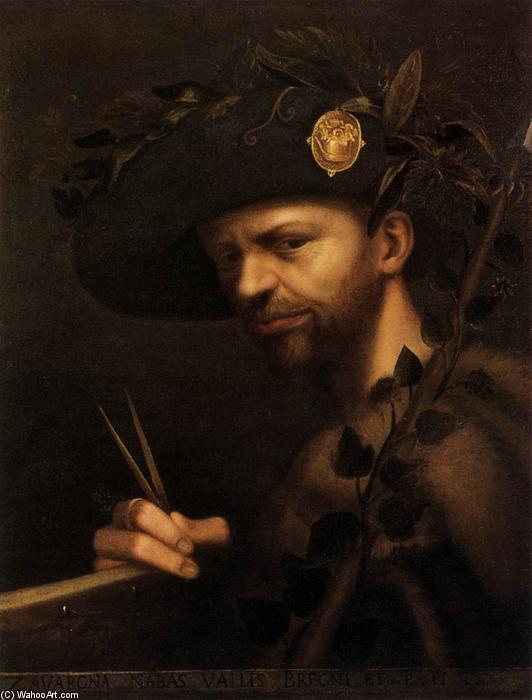
Self-Portrait as Abbot of the Accademia della Val di Blenio
 Oil
Oil- WallArt
- Baroque Mannerism
 1568
1568- Early Modern
 56.0 x 44.0 cm
 Pinacoteca di Brera
 Pročitaj više
Kupite digitalnu sliku visoke rezolucije i poboljšanog kvaliteta, koja je znatno superiornija od onoga što vidite u online prikazu.
Svaka datoteka je pedantno pripremljena od strane naših stručnjaka koristeći napredne alate i profesionalnu ručnu retušu. Osiguravamo da svaka slika ima izuzetnu oštrinu, preciznu reprodukciju boja i fine detalje.
Konačna datoteka se dostavlja putem e-pošte u roku od 72 sata, optimizovana za neposrednu upotrebu u profesionalnim, izdavačkim i štamparskim okruženjima. To je isti kvalitet kojem veruju vrhunski studiji dizajna, izdavači i galerije.
Digitalna slika
Preuzmite datoteku visoke rezolucije za ličnu upotrebu, štampanje i kreativne projekte. ( Kupi print Kupi ručno naslikanu sliku)
Uključeno uz svaku porudžbinu digitalne slike
Profesionalna digitalna isporuka, zagarantovana
Kada odaberete ArtsDot.com, ne dobijate samo sliku – vi primate profesionalno unapređeno digitalno umetničko delo, izrađeno sa najvećom preciznošću i uz garanciju zadovoljstva. Evo svega što automatski dolazi uz vašu porudžbinu:

Brza dostava putem e-pošte
Vaša digitalna slika visoke rezolucije biće vam poslata putem e-pošte u roku od 72 sata od poručivanja – spremna za trenutnu upotrebu.

Digitalna datoteka unapređena veštačkom inteligencijom
Vaše umetničko delo je profesionalno optimizovano korišćenjem naprednih AI alata i ručne obrade, čime se osiguravaju maksimalni detalji, oštrina i preciznost boja.

Besplatna ponovna isporuka doživotno
Slučajno ste obrisali ili izgubili svoju datoteku? Ne brinite – poslaćemo vam je ponovo u bilo kom trenutku, potpuno besplatno.

Bez troškova uvoza – zauvek
Uživajte u svojim umetničkim delima trenutno, bez carine, dažbina ili troškova dostave – digitalni download je uvek bez poreza.

Garancija vernosti boja
Uz pomoć profesionalnih alata i upravljanja bojama, osiguravamo da vaša digitalna slika što vernije odražava originalne boje.

Garancija zadovoljstva u roku od 60 dana
Ako niste zadovoljni svojom digitalnom slikom, revidirat ćemo je ili vratiti 100% novca u roku od 60 dana – bez ikakvih pitanja.

100% garancija povrata novca
Niste zadovoljni? Obezbedite pun povrat novca u roku od 60 dana od trenutka kada ste primili svoju digitalnu datoteku – bez suvišnih pitanja.

Popusti na velike porudžbine
Kupite 3 slike, uštedite 10% - Kupite 5 slika, uštedite 15% - Kupite 10+ slika, uštedite 20%. Odlično za kreativne projekte, galerije i agencije.
A Window Into Mannerism: Examining Lomazzo’s Self-Portrait
Gian Paolo Lomazzo stands as an extraordinary testament to artistic ingenuity and intellectual curiosity—a figure who defied circumstance, transforming blindness into a catalyst for profound scholarly achievement. Born in Milan in 1538, his life took an unexpected turn when he succumbed to ophthalmia glaucoma, leaving him unable to see but irrevocably committed to the pursuit of understanding art’s underlying principles. This singular predicament steered Lomazzo toward the monumental task of codifying Mannerist aesthetics and establishing a framework for artistic discourse that would resonate through centuries—a legacy cemented by his seminal treatises *Trattato dell' arte della pittura, scultura et architettura* (1584) and *Idea del tempio della pittura* (1590). These works weren’t merely academic exercises; they represented a courageous attempt to grapple with the anxieties of the era—the turbulent religious conflicts between Catholics and Protestants reshaping Europe. Lomazzo sought to reconcile the expressive fervor of Mannerism with emerging humanist ideals, arguing that true beauty resided not in slavish imitation but in discerning the harmonious balance between form and content. His meticulous observation of artistic practice fueled his conviction that artists should strive for clarity and precision—a stance reflected in his own meticulously crafted self-portrait.- Subject Matter: The portrait depicts Lomazzo as an abbot, a role signifying spiritual leadership and intellectual contemplation. This deliberate choice underscores the artist’s preoccupation with moral virtue and philosophical inquiry.
- Style: Lomazzo's style embodies the hallmarks of Mannerism—characterized by stylized figures, exaggerated poses, and dramatic chiaroscuro (light and shadow). These techniques prioritize expressive gesture over naturalistic representation, conveying emotion and psychological depth.
Technique & Materials
The painting utilizes oil paint on canvas—a medium favored during the Renaissance and Mannerist periods for its ability to achieve luminous colors and subtle gradations of tone. Lomazzo’s masterful brushwork demonstrates a keen understanding of pigment mixing and layering, resulting in textures that capture both solidity and delicacy. The artist's meticulous attention to detail is evident in the rendering of drapery folds, facial features, and the expressive gaze—elements meticulously crafted to convey Lomazzo’s inner state.Symbolism & Context
Beyond its formal qualities, the self-portrait carries significant symbolic weight. The black hat adorned with gold trim symbolizes authority and piety—reflecting Lomazzo's role as a clergyman and his dedication to religious scholarship. The plant beside Lomazzo represents growth and vitality—a visual metaphor for intellectual flourishing and spiritual maturation. Furthermore, the two birds perched on either side of Lomazzo’s frame symbolize wisdom and vigilance—suggesting that Lomazzo viewed himself as a guardian of artistic knowledge.Emotional Impact
The portrait transcends mere likeness; it communicates a profound sense of introspection and serenity. Lomazzo's gaze directs outward, yet simultaneously embodies inner contemplation—a testament to his unwavering commitment to philosophical inquiry. The painting’s subdued palette and balanced composition evoke feelings of calm dignity—capturing the essence of Lomazzo’s intellectual stature and spiritual conviction. It serves as a poignant reminder that even in darkness, artistic vision can illuminate the path toward understanding.This remarkable artwork exemplifies the spirit of Mannerism—a movement driven by an urgent desire to grapple with existential questions while simultaneously celebrating beauty and intellect. Lomazzo’s self-portrait stands as a timeless emblem of artistic contemplation and scholarly devotion.
Srodna umetnička dela
Biografija umetnika
Gian Paolo Lomazzo: Bridging the Gap Between Vision and Theory
The name Gian Paolo Lomazzo – a figure both painter and profound art theorist – resonates through the late 16th century as a pivotal bridge between the dynamism of Mannerism and the burgeoning academicism that would define the following era. Born in Milan in 1538, Lomazzo’s life was unexpectedly shaped by blindness, an event that paradoxically propelled him into a career dedicated to analyzing and codifying the very art he could no longer create. His legacy rests not solely on his paintings – though they were undeniably accomplished – but primarily on his two monumental treatises: *Trattato dell' arte della pittura, scultura et architettura* (1584) and *Idea del tempio della pittura* (1590). These works represent a systematic attempt to understand and articulate the principles governing artistic creation, influencing generations of artists and art historians alike.
Lomazzo’s early training was rooted in the traditions of Milanese painting. He began his apprenticeship with Giovan Battista della Cerva, a lesser-known artist who served as assistant to Gaudenzio Ferrari – a master whose influence is still visible in Lomazzo's work. This formative period exposed him to the prevailing stylistic trends of the time, including the complex compositions and dramatic lighting characteristic of Mannerism. However, it was his encounter with Leonardo da Vinci that proved particularly transformative. Lomazzo’s relentless pursuit of knowledge about the enigmatic master – fueled by access to Leonardo's sketches and writings through Francesco Melzi, his protégé – became a defining feature of his life. He meticulously documented every detail he could glean, transforming himself into an unofficial biographer and archivist of Leonardo’s artistic legacy. This obsessive research shaped not only his understanding of Leonardo but also the core tenets of his own theoretical approach.
The Blind Eye and the Birth of Theory
The onset of complete blindness in 1571 dramatically altered the course of Lomazzo's life. Rather than abandoning art, he turned his formidable intellect to its analysis. He recognized that his unique perspective – one deprived of visual experience – offered a novel vantage point from which to examine artistic principles. This shift is brilliantly illustrated by his *Idea del tempio della pittura*, a work far more philosophical and metaphysical than his earlier treatise. Here, Lomazzo draws parallels between the structure of art and the “four temperaments” theory of human psychology, developed by Hippocrates and Galen. He argued that just as individuals possess distinct personalities shaped by these fundamental qualities – sanguine, choleric, melancholic, and phlegmatic – so too do artworks embody specific moods and emotions. This innovative approach demonstrated Lomazzo’s willingness to transcend traditional artistic boundaries and embrace a broader, more holistic understanding of the creative process.
A Masterpiece in Words: *Trattato dell' arte della pittura, scultura et architettura*
Lomazzo’s *Trattato*, published in 1584, stands as his most enduring achievement. It is a comprehensive guide to the principles of painting, sculpture, and architecture, meticulously organized around three key categories: *doctrina* (the record of discoveries), *prattica* (practical application), and *estetica* (aesthetic judgment). The *doctrina* section details technical innovations such as perspective, a concept he championed with considerable enthusiasm. The *prattica* section provides practical advice on composition, color theory, and the use of materials. Crucially, Lomazzo’s *estetica* explores the role of decorum – a Renaissance adaptation of classical ideals that dictated the appropriate subject matter and style for different settings and functions. He argued that interiors should reflect the purpose of the space, creating a harmonious balance between form and function. His work was remarkably prescient, anticipating later developments in academic art theory and establishing him as a central figure in shaping the artistic landscape of Italy.
Legacy and Influence
Gian Paolo Lomazzo’s influence extends far beyond his own lifetime. His *Trattato* became a standard text for artists and students throughout Europe, serving as a foundational resource for generations of art historians and theorists. His emphasis on systematic analysis, combined with his insightful observations about Leonardo da Vinci, cemented his reputation as a leading intellectual figure of the Renaissance. While many of his paintings have been lost or remain unidentified, his theoretical writings continue to be studied and debated today, demonstrating the enduring relevance of his ideas. Lomazzo’s life serves as a poignant reminder that brilliance can emerge from unexpected circumstances – in this case, the profound limitations imposed by blindness. He transformed personal adversity into a legacy of intellectual rigor and artistic insight, solidifying his place as one of the most important figures in the history of art criticism.
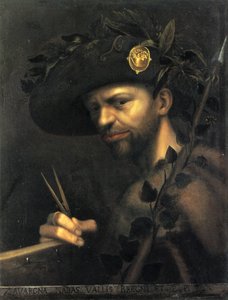
Džovan Paolo Lomazo
1538 - 1592 , Italija

