

 Pregledaj u prostoru
 Pošalji
 Podeli
 Detalji o delu

 Преузми
 Slični predmeti
 Rendgenski snimak
 Slajdovi
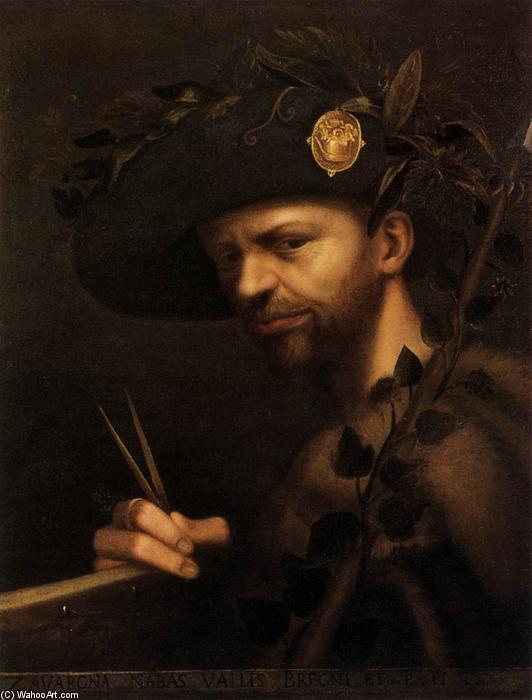
Self-Portrait as Abbot of the Accademia della Val di Blenio
 Oil
Oil- WallArt
- Baroque Mannerism
 1568
1568- Early Modern
 56.0 x 44.0 cm
 Pinacoteca di Brera
 Pročitaj više
Giclee štampa / Umetnički otisak
Giclée štampa ili print na platnu muzejskog kvaliteta uz brzu proizvodnju i fleksibilne opcije završne obrade. ( Kupi ručno naslikanu sliku Kupi digitalnu sliku)




P118B $10

P118H $10

P118W $10

P438Z $10

P508JH $12

P508YH $12

P805H $10

P805Z $10

P919BZ $10

P919G $10

P919XJ $10

P959ZH $10

P968JZ $12

W106C $8

W218G $10

W218JH $8

W218Y $10

W307PJ $10

W316G $10

W316PJ $8

W316Y $10

W398PJ $8

W4111J $10

W500HY $15

W500JH $15

W692G $12

W849H $8

W940BG $15

W953PJ $8




Izaberite jednu od naših unapred definisanih veličina koje odgovaraju originalnim proporcijama umetničkog dela.

Možete uneti sopstvene dimenzije kako biste umetničko delo prilagodili specifičnom okviru ili prostoru. Ako odabrani format ne odgovara proporcijama originalne slike, mi ćemo ili iscrtati deo dela ili proširiti sliku pomoću ogledane ivice ili jednobojnog popunjavanja. Digitalni prikaz će vam biti poslat na odobrenje pre početka proizvodnje.
Imajte na umu da pregled na ekranu ne odražava stvarno iscrtavanje ili proširivanje. Samo će prikaz (mockup) precizno pokazati finalnu kompoziciju.
Iako su prilagođene dimenzije dostupne, preporučujemo da odaberete dimenziju sa unapred definisane liste kako biste očuvali originalne proporcije.
Dostava širom sveta () za 2 nedelje umesto uobičajenih 4/5 nedelja. (28 август)

Besplatna ekspresna dostava širom sveta

Visokokvalitetno laneno platno

Kompletno osiguranje transporta

Garancija povraćaja carine i uvoznih dažbina

Garancija vernosti boja

Politika povrata u roku od 60 dana (samo u slučaju nedostataka)

Garancija povrata novca od 100%

Popust pri grupnoj kupovini
 Opcija sa staklom dostupna je samo za dimenzije manje od 110 cm

Self-Portrait as Abbot of the Accademia della Val di Blenio
Giclee štampa / Umetnički otisak
Dimenzije reprodukcije
-


Konačna cena
$ 62
A Window Into Mannerism: Examining Lomazzo’s Self-Portrait
Gian Paolo Lomazzo stands as an extraordinary testament to artistic ingenuity and intellectual curiosity—a figure who defied circumstance, transforming blindness into a catalyst for profound scholarly achievement. Born in Milan in 1538, his life took an unexpected turn when he succumbed to ophthalmia glaucoma, leaving him unable to see but irrevocably committed to the pursuit of understanding art’s underlying principles. This singular predicament steered Lomazzo toward the monumental task of codifying Mannerist aesthetics and establishing a framework for artistic discourse that would resonate through centuries—a legacy cemented by his seminal treatises *Trattato dell' arte della pittura, scultura et architettura* (1584) and *Idea del tempio della pittura* (1590). These works weren’t merely academic exercises; they represented a courageous attempt to grapple with the anxieties of the era—the turbulent religious conflicts between Catholics and Protestants reshaping Europe. Lomazzo sought to reconcile the expressive fervor of Mannerism with emerging humanist ideals, arguing that true beauty resided not in slavish imitation but in discerning the harmonious balance between form and content. His meticulous observation of artistic practice fueled his conviction that artists should strive for clarity and precision—a stance reflected in his own meticulously crafted self-portrait.- Subject Matter: The portrait depicts Lomazzo as an abbot, a role signifying spiritual leadership and intellectual contemplation. This deliberate choice underscores the artist’s preoccupation with moral virtue and philosophical inquiry.
- Style: Lomazzo's style embodies the hallmarks of Mannerism—characterized by stylized figures, exaggerated poses, and dramatic chiaroscuro (light and shadow). These techniques prioritize expressive gesture over naturalistic representation, conveying emotion and psychological depth.
Technique & Materials
The painting utilizes oil paint on canvas—a medium favored during the Renaissance and Mannerist periods for its ability to achieve luminous colors and subtle gradations of tone. Lomazzo’s masterful brushwork demonstrates a keen understanding of pigment mixing and layering, resulting in textures that capture both solidity and delicacy. The artist's meticulous attention to detail is evident in the rendering of drapery folds, facial features, and the expressive gaze—elements meticulously crafted to convey Lomazzo’s inner state.Symbolism & Context
Beyond its formal qualities, the self-portrait carries significant symbolic weight. The black hat adorned with gold trim symbolizes authority and piety—reflecting Lomazzo's role as a clergyman and his dedication to religious scholarship. The plant beside Lomazzo represents growth and vitality—a visual metaphor for intellectual flourishing and spiritual maturation. Furthermore, the two birds perched on either side of Lomazzo’s frame symbolize wisdom and vigilance—suggesting that Lomazzo viewed himself as a guardian of artistic knowledge.Emotional Impact
The portrait transcends mere likeness; it communicates a profound sense of introspection and serenity. Lomazzo's gaze directs outward, yet simultaneously embodies inner contemplation—a testament to his unwavering commitment to philosophical inquiry. The painting’s subdued palette and balanced composition evoke feelings of calm dignity—capturing the essence of Lomazzo’s intellectual stature and spiritual conviction. It serves as a poignant reminder that even in darkness, artistic vision can illuminate the path toward understanding.This remarkable artwork exemplifies the spirit of Mannerism—a movement driven by an urgent desire to grapple with existential questions while simultaneously celebrating beauty and intellect. Lomazzo’s self-portrait stands as a timeless emblem of artistic contemplation and scholarly devotion.
Srodna umetnička dela
Povezani članci

Reflecting the Self: A History of Portraiture & Psychological Insight
Explore the fascinating history of self-portraiture from Renaissance masters like Dürer & Rembrandt to modern interpretations. Discover the psychological insights and artistic techniques behind these iconic works. Expert analysis for art enthusiasts.
Dramatic Masterpieces: 10 Artworks for a Powerful Home Decor Statement |
Explore 10 dramatic artworks by masters like Caravaggio, Van Gogh & Munch. Uncover the stories behind these powerful paintings and find museum-quality reproductions to transform your home decor. Discover all masterpieces on .
The Echo of Self: Reflectivity as a Core Theme in Art History & Contemporary Practice
Explore the rich history of self-representation in art, from Renaissance masters to modern innovators. Discover how artists use portraiture to reveal identity, emotion & the depths of the human psyche. Expert insights for collectors.

The Inner Landscape: Exploring Themes of Introspection in Visual Art Across Movements & Eras
Explore the captivating world of introspective art! Discover how artists across eras – from Rembrandt to Kahlo – used self-portraiture to reveal their inner worlds and emotional depths. A journey through art history & psychology.

Remixing Reality: The Artistic and Psychological Impact of Self-Insertion into Iconic Masterpieces
Explore the fascinating history & psychology of self-insertion into iconic art! Discover how digital tools are reshaping identity & artistic expression. Expert analysis & insights.

