

 Pregledaj u prostoru
 Pošalji
 Podeli
 Detalji o delu

 Преузми
 Slični predmeti
 Rendgenski snimak
 Slajdovi
 Stats
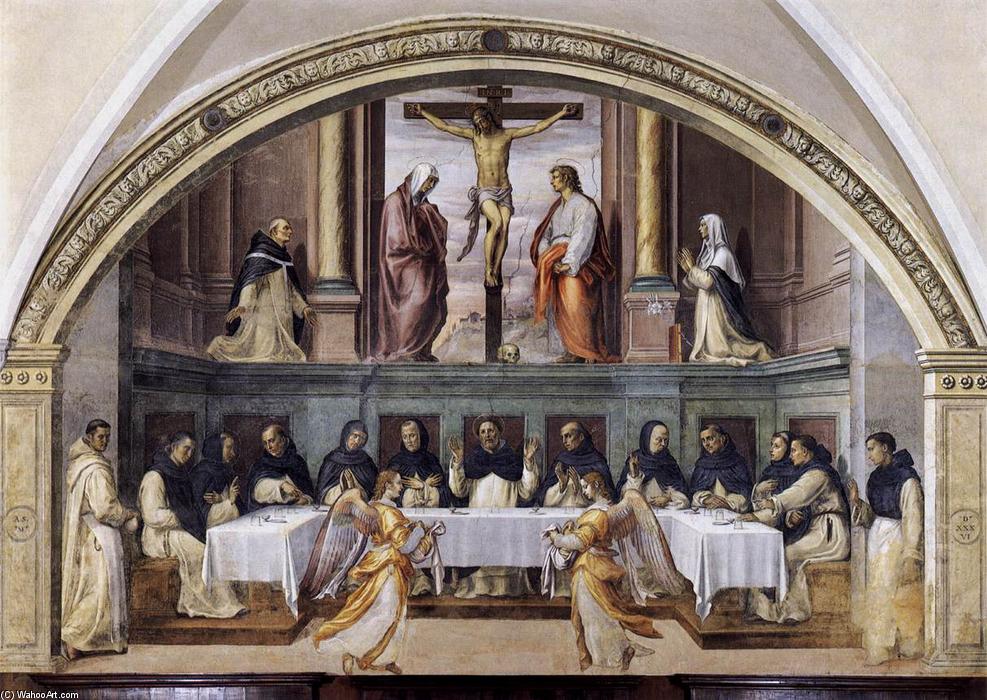
StatsSt Dominic and his Friars Fed by Angels


 Pročitaj više
Kupite digitalnu sliku visoke rezolucije i poboljšanog kvaliteta, koja je znatno superiornija od onoga što vidite u online prikazu.
Svaka datoteka je pedantno pripremljena od strane naših stručnjaka koristeći napredne alate i profesionalnu ručnu retušu. Osiguravamo da svaka slika ima izuzetnu oštrinu, preciznu reprodukciju boja i fine detalje.
Konačna datoteka se dostavlja putem e-pošte u roku od 72 sata, optimizovana za neposrednu upotrebu u profesionalnim, izdavačkim i štamparskim okruženjima. To je isti kvalitet kojem veruju vrhunski studiji dizajna, izdavači i galerije.
Digitalna slika
Preuzmite datoteku visoke rezolucije za ličnu upotrebu, štampanje i kreativne projekte. ( Switch to Print Kupi ručno naslikanu sliku)
Uključeno uz svaku porudžbinu digitalne slike
Profesionalna digitalna isporuka, zagarantovana
Kada odaberete ArtsDot.com, ne dobijate samo sliku – vi primate profesionalno unapređeno digitalno umetničko delo, izrađeno sa najvećom preciznošću i uz garanciju zadovoljstva. Evo svega što automatski dolazi uz vašu porudžbinu:

Brza dostava putem e-pošte
Vaša digitalna slika visoke rezolucije biće vam poslata putem e-pošte u roku od 72 sata od poručivanja – spremna za trenutnu upotrebu.

Digitalna datoteka unapređena veštačkom inteligencijom
Vaše umetničko delo je profesionalno optimizovano korišćenjem naprednih AI alata i ručne obrade, čime se osiguravaju maksimalni detalji, oštrina i preciznost boja.

Besplatna ponovna isporuka doživotno
Slučajno ste obrisali ili izgubili svoju datoteku? Ne brinite – poslaćemo vam je ponovo u bilo kom trenutku, potpuno besplatno.

Bez troškova uvoza – zauvek
Uživajte u svojim umetničkim delima trenutno, bez carine, dažbina ili troškova dostave – digitalni download je uvek bez poreza.

Garancija vernosti boja
Uz pomoć profesionalnih alata i upravljanja bojama, osiguravamo da vaša digitalna slika što vernije odražava originalne boje.

Garancija zadovoljstva od 100 dana
Ako niste zadovoljni svojom digitalnom slikom, izvršićemo reviziju ili ćemo vam vratiti 100% novca u roku od 100 dana – bez ikakvih pitanja.

100% garancija povrata novca
Niste zadovoljni? Dobijte puni povraćaj novca u roku od 100 dana od prijema digitalne datoteke – bez suvišnih pitanja.

Popusti na velike porudžbine
Kupite 3 slike, uštedite 10% - Kupite 5 slika, uštedite 15% - Kupite 10+ slika, uštedite 20%. Odlično za kreativne projekte, galerije i agencije.
A Moment of Divine Nourishment: Exploring Giovanni Antonio Sogliani’s “St Dominic and his Friars Fed by Angels”
The fresco adorning the Convent of San Marco in Florence stands as a testament to the enduring power of religious iconography during the High Renaissance. Painted in 1536 by Giovanni Antonio Sogliani, this monumental artwork transcends mere depiction; it embodies a profound meditation on faith, charity, and divine providence—themes central to the spiritual landscape of its time. Examining its stylistic choices, technical prowess, and symbolic resonance offers invaluable insight into understanding the artistic sensibilities of the era and its lasting influence on subsequent generations of painters.The Fresco's Composition and Style: Echoes of Lorenzo di Credi’s Legacy
Sogliani’s distinctive style is undeniably rooted in the formative influence of Lorenzo di Credi, his mentor for two decades. Vasari meticulously documented this relationship, highlighting the enduring impact of Credi’s artistic vision on Sogliani's oeuvre. Unlike many contemporary artists striving for innovation, Sogliani deliberately embraced an archaic aesthetic—a conscious harkening back to earlier Florentine traditions—resulting in a visual language characterized by meticulous detail and a palpable sense of solemn grandeur. This deliberate stylistic conservatism wasn’t merely a matter of preference; it reflected the prevailing artistic climate where honoring established masters was considered paramount to achieving excellence. The fresco's pyramidal composition directs the viewer’s gaze upwards, emphasizing the spiritual elevation represented by the angelic figures and reinforcing the overarching theme of divine grace.Technique: Fresco Painting – A Durable Expression of Faith
The fresco technique employed by Sogliani—applying pigment directly onto wet plaster—was chosen not only for its aesthetic qualities but also for its remarkable durability. This method ensured that the image would withstand the passage of time, preserving its vibrancy and conveying its message across centuries. The pigments themselves were carefully selected to achieve a rich tapestry of earthy tones – ochre yellows, umber browns, and siennas reds—creating an atmosphere of serene contemplation. Sogliani’s meticulous layering of glaze over the initial fresco paint ensured that the colors retained their luminosity and depth, demonstrating a mastery of pigment manipulation that was characteristic of Florentine painting during this period. The artist skillfully utilized chiaroscuro – dramatic contrasts between light and shadow – to sculpt the figures and imbue them with palpable emotion, capturing the solemn piety of St Dominic and his brethren.Historical Context: Florence Under Medici Patronage
Florence in 1536 was at the zenith of its artistic glory under the patronage of Cosimo I de’ Medici—a ruler deeply committed to fostering humanist scholarship and artistic creativity. Frescoes like “St Dominic and his Friars Fed by Angels” served as powerful expressions of Florentine piety and reflected the broader cultural preoccupation with religious symbolism during the Renaissance. The commission itself underscores the importance of faith within Florentine society, demonstrating a desire to commemorate Saint Dominic’s unwavering devotion to God and his tireless efforts to combat heresy—a pressing concern for the Catholic Church at the time.Symbolism: Angels as Agents of Divine Mercy
The depiction of angels descending to feed St Dominic and his friars is laden with symbolic significance. Angels represent divine grace, compassion, and protection – qualities considered essential for spiritual sustenance. Their act of feeding symbolizes God’s provision and nourishment of souls through prayer and contemplation. The gesture embodies the core tenets of Dominican theology—namely, the belief in God's unwavering love for humanity and His willingness to bestow blessings upon those who strive for righteousness. Furthermore, the fresco’s setting within a church interior reinforces its spiritual purpose, inviting viewers to contemplate the divine realm alongside earthly devotion.Emotional Impact: A Vision of Tranquility and Spiritual Reverence
“St Dominic and his Friars Fed by Angels” transcends mere visual representation; it evokes a profound sense of tranquility and spiritual reverence. The artist’s masterful use of color, composition, and chiaroscuro creates an immersive experience that transports the viewer to the contemplative heart of the convent—a space dedicated to prayer and contemplation. The serene expressions on St Dominic's face and the solemn postures of his brethren convey a palpable devotion to God—inspiring viewers with its timeless message of faith and compassion. It remains a poignant reminder of the enduring power of art to communicate spiritual truths and elevate the human spirit.Srodna umetnička dela
Biografija umetnika
Giovanni Antonio Sogliani: A Florentine Renaissance Painter
Life and Early Career
- Giovanni Antonio Sogliani was born in Florence, Italy, in 1492.
- Details of his early life are scarce, but he became a prominent painter during the High Renaissance period.
- According to Giorgio Vasari’s *Vite*, Sogliani apprenticed with Lorenzo di Credi for two decades. While the length of this apprenticeship is debated, it suggests a strong foundational influence on his artistic style.
- He served as the executor of Lorenzo di Credi's will in 1531, demonstrating a close professional relationship.
Artistic Style and Influences
- Sogliani’s style is characterized by an archaic quality, often attributed to the lasting impact of his training with Lorenzo di Credi.
- He blended elements of traditional Florentine painting with emerging Renaissance techniques.
- Fra Bartolomeo significantly influenced Sogliani’s work, particularly in his use of color and composition, as noted by Vasari in relation to the *Martyrdom of St Acasio*.
- His paintings often feature religious themes, reflecting the prevalent artistic patronage of the time.
Major Works and Commissions
- Martyrdom of St Acasio: Painted for the church of San Lorenzo in Florence, this work showcases Fra Bartolomeo’s influence.
- St Martin: A painting created for the Orsanmichele, a significant public building in Florence.
- St Brigitta Altarpiece: Now housed in the Museo di San Marco, this altarpiece demonstrates Sogliani’s skill in religious iconography.
- Pisa Cathedral Commissions: He received important commissions for the cathedral of Pisa, including three canvases depicting scenes from biblical stories – *Sacrifice of Abel*, *Sacrifice of Cain*, and *Sacrifice of Noah* (completed by May 15, 1533).
- Altarpiece of the Virgin with Child and Saints: Commissioned in 1536.
- Allegory of the Immaculate Conception: Currently located in the Accademia di Belli Arti in Florence.
Artistic Development & Historical Context
- Sogliani worked during a period of significant artistic transition, bridging the High Renaissance and early Mannerism.
- His work reflects the religious fervor and patronage prevalent in Florence during the 16th century.
- He navigated a competitive art scene alongside prominent artists like Perino del Vaga, from whom he took over some commissions at Pisa Cathedral.
Legacy and Significance
- Sogliani’s artistic legacy lies in his preservation of traditional Florentine painting techniques while incorporating Renaissance innovations.
- He trained several pupils, including Sigismondo Foschi and Zanobi di Poggino, continuing the artistic lineage.
- Although not as widely celebrated as some of his contemporaries, Sogliani’s work provides valuable insight into the artistic landscape of 16th-century Florence.
- His paintings remain important examples of religious art from the Renaissance period and are studied for their stylistic characteristics.
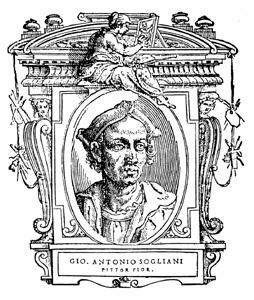
Giovanni Antonio Sogliani
1492 - 1544 , Italy
Kratke činjenice
- Birth Date: 1492
- Birth Place: Florence, Italy
- Death Date: 1544
- Influenced:
- Sigismondo Foschi
- Zanobi di Poggino
- Influenced By:
- Lorenzo di Credi
- Fra Bartolomeo
- Movement: Renaissance
- Name: Giovanni Antonio Sogliani
- Nationality: Italian
- Notable Works:
- Martyrdom of St Acasio
- St Martin
- St Brigitta altarpiece
- Sacrifice of Abel
- Sacrifice of Cain
- Sacrifice of Noah
- Allegory of the Immaculate Conception