


 Pregledaj u prostoru
 Pošalji
 Podeli
 Detalji o delu

 Преузми
 Slični predmeti
 Rendgenski snimak
 Slajdovi
 Statistika
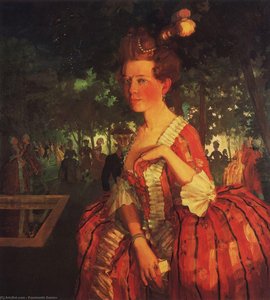
Portrait of the Daughters of Gian Giacomo Trivulzio
 1807
1807 77.0 x 77.0 cm
 Museo Poldi Pezzoli
 Pročitaj više
Ručno rađena uljana reprodukcija
Ručno oslikano uljanim bojama na platnu u dimenzijama i okviru po vašem izboru, izrađeno po porudžbini od strane naših umetnika. ( Pređi na štampu Pređi na digitalnu sliku)




































Izaberite jednu od naših unapred definisanih veličina koje odgovaraju originalnim proporcijama umetničkog dela.

Можете унети сопствене димензије како бисте прилагодили дело одређеном оквиру или простору. Ако одабрана величина не одговара пропорцијама оригинала, слика ће бити исечена или проширена додатним елементима који се ручно насликавају. Дигитални prikaz ће вам бити послат на одобрење пре почетка производње.
Имајте на уму да преглед на екрану не одражава стварно исецање или проширење. Само приказ (mockup) ће тачно приказати коначну композицију.
Иако су доступне прилагођене величине, препоручујемо да одаберете димензију из дефинисане листе како бисте сачували оригиналне пропорције.
Nakon narudžbine, tim ArtsDot.com će klijentu putem e-pošte poslati uputstva i dostaviti prikaz predloženog rešenja
Isporuka širom sveta () za 3/4 nedelje umesto uobičajenih 5 nedelja. (17 септембар). Bez kompromisa po pitanju kvaliteta.

Besplatna ekspresna dostava širom sveta

Visokokvalitetno laneno platno

Kompletno osiguranje transporta

Garancija povraćaja carine i uvoznih dažbina

Garancija vernosti boja

Politika povraćaja u roku od 100 dana (isključivo u slučaju nedostataka)

Garancija povrata novca od 100%

Popust pri grupnoj kupovini
 Opcija sa staklom dostupna je samo za dimenzije manje od 110 cm

Portrait of the Daughters of Gian Giacomo Trivulzio
Tehnika reprodukcije
Dimenzije reprodukcije
-


Konačna cena
$ 263
Srodna umetnička dela

Biografija umetnika
The Luminescent Legacy of Giovanni Battista Gigola
In the grand tapestry of early nineteenth-century European art, certain names flicker with a unique, concentrated brilliance, much like the very medium that defined their careers. Giovanni Battista Gigola, an Italian master whose life spanned the transformative years from 1769 to 1841, remains one such luminous figure. Born in Brescia, Italy, Gigola’s early existence was marked by a profound tension between tradition and burgeoning talent. While his father initially envisioned a life of letters for him, the young Giambattista found himself irresistibly drawn to the tactile world of pigments and precision. This innate inclination toward the fine details of drawing would eventually lead him away from the scholarly pursuits of his youth and toward the prestigious studios of Europe, where he would carve out a niche as a premier miniaturist and a pioneer of forgotten crafts.
The trajectory of Gigola’s artistry was irrevocately altered by his journey to Paris around the turn of the century. It was in this epicenter of intellectual and artistic fervor that he entered the studio of Jean-Baptiste Isabey, one of the most celebrated portraitists of the era. This period of apprenticeship exposed him to the sophisticated trends of the French Neoclassical and Romantic movements, providing him with a cosmopolitan perspective that would later distinguish his work from his Italian contemporaries. Yet, remarkably, while he absorbed the elegance of the Parisian style, Gigola did not merely mimic it. Instead, he infused his practice with a distinctly Italian sensibility, often utilizing gouache backgrounds and a subtle, muted color palette that favored character and intimacy over mere decorative flair.
A Revival of Enamel and the Art of the Miniature
Perhaps the most significant contribution Gigola made to the history of art was his role as a restorer of lost traditions. At a time when many artistic techniques were being swept away by the tide of industrial change, Gigola undertook the painstaking task of reintroducing enamel painting to Italy. This was no small feat; the craft had largely vanished from Italian production, requiring a profound mastery of heat, minerals, and chemistry. Through his dedication, he achieved a level of luminosity and intricate detail that breathed new life into the medium, making him a vital link between the classical past and the modern era. His ability to manipulate light through enamel allowed for a depth of color that few could replicate.
Parallel to his mastery of enamel, Gigola became a celebrated miniaturist, working primarily on ivory—a surface that demands unparalleled delicacy. These miniature portraits were highly sought after by the aristocratic circles of Milan and beyond. His work often captured the quiet dignity of his subjects, ranging from intimate self-portations to grander historical depictions. Notable among his repertoire are works such as:
- Portrait of the Daughters of Gian Giacomo Trivulzio: A testament to his ability to capture familial grace and social standing.
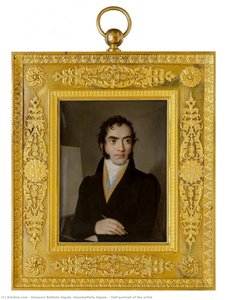
- Self-portrait of the artist: An evocative window into the creator's own identity and technical prowess.
- Francesca Ghirardi Lechi: A delicate study showcasing his command over the subtle nuances of skin tones and texture.
Patronage and Historical Significance
The success of Gigola’s career was significantly bolstered by the patronage of the highest echelons of society. His relationship with Eugène de Beauharnais, the Duke of Leuchtenberg, provided him with the stability and social access necessary to flourish within Milanese aristocratic circles. Under such influential protection, Gigola was able to experiment and innovate, ensuring that his revival of enamel painting reached the eyes of those who could truly appreciate its complexity. This period of patronage allowed him to bridge the gap between the local Italian tradition and the broader European stage, making him a figure of international relevance.
Ultimately, the significance of Giovanni Battista Gigola lies in his role as a guardian of technique. He was an artist who looked backward to preserve the beauty of the past while looking forward to refine it for a new generation. Through his exquisite miniatures and his resurrected enamels, he ensured that the delicate, luminous traditions of the 18th century would not be lost to the shadows of history. His legacy remains etched in the fine lines of his portraits and the enduring glow of his enamel masterpieces, serving as a reminder of the power of artistic devotion to sustain beauty across the centuries.
giovanni battista gigola (giambattista gigola)
1769 - 1841 , Italy
Osnovne informacije
- Artistic Movement Or Style: Baroque Art
- Artists Who Influenced This Artist: [Isabey]
- Date Of Birth: 1769 Brescia Italy
- Date Of Death: 1841
- Full Name: Giovanni Battista Gigola
- Nationality: Italian
- Notable Artworks: ['Daughters of Trivulzio']
- Place Of Birth: Brescia Italy