

 Pregledaj u prostoru
 Pošalji
 Podeli
 Detalji o delu

 Преузми
 Slični predmeti
 Rendgenski snimak
 Slajdovi
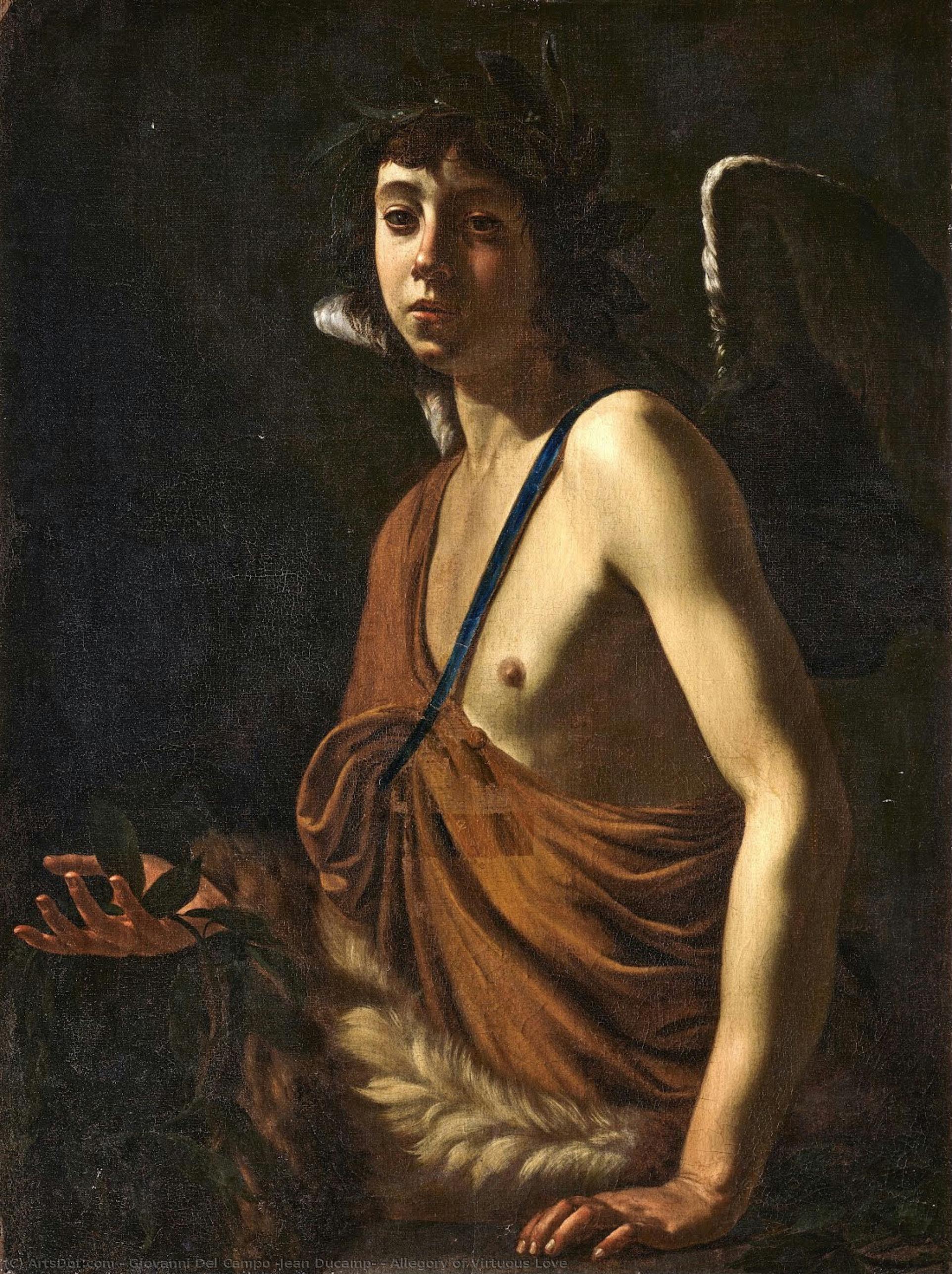
Allegory of Virtuous Love
 1620
1620 94.0 x 71.0 cm
 The Art Museum RIGA BOURSE
 Pročitaj više
Ručno rađena uljana reprodukcija
Ručno oslikano uljanim bojama na platnu u dimenzijama i okviru po vašem izboru, izrađeno po porudžbini od strane naših umetnika. ( Kupi print Kupi digitalnu sliku)




































Izaberite jednu od naših unapred definisanih veličina koje odgovaraju originalnim proporcijama umetničkog dela.

Можете унети сопствене димензије како бисте прилагодили дело одређеном оквиру или простору. Ако одабрана величина не одговара пропорцијама оригинала, слика ће бити исечена или проширена додатним елементима који се ручно насликавају. Дигитални prikaz ће вам бити послат на одобрење пре почетка производње.
Имајте на уму да преглед на екрану не одражава стварно исецање или проширење. Само приказ (mockup) ће тачно приказати коначну композицију.
Иако су доступне прилагођене величине, препоручујемо да одаберете димензију из дефинисане листе како бисте сачували оригиналне пропорције.
Nakon narudžbine, tim ArtsDot.com će klijentu putem e-pošte poslati uputstva i dostaviti prikaz predloženog rešenja
Isporuka širom sveta () za 3/4 nedelje umesto uobičajenih 5 nedelja. (2 септембар). Bez kompromisa po pitanju kvaliteta.

Besplatna ekspresna dostava širom sveta

Visokokvalitetno laneno platno

Kompletno osiguranje transporta

Garancija povraćaja carine i uvoznih dažbina

Garancija vernosti boja

Politika povrata u roku od 60 dana (samo u slučaju nedostataka)

Garancija povrata novca od 100%

Popust pri grupnoj kupovini
 Opcija sa staklom dostupna je samo za dimenzije manje od 110 cm

Allegory of Virtuous Love
Tehnika reprodukcije
Dimenzije reprodukcije
-


Konačna cena
$ 263
Srodna umetnička dela



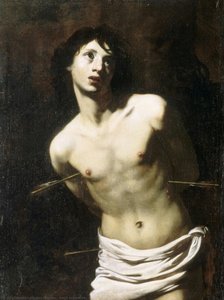



Biografija umetnika
The Shadowed Genius: Caravaggio and the Dawn of Baroque
Michelangelo Merisi da Caravaggio, a name synonymous with drama, darkness, and revolutionary technique, remains one of the most compelling figures in art history. Born in Milan in 1571, his life was tragically short – he died at the young age of thirty-eight – yet within those brief years, he irrevocably altered the course of painting, ushering in the Baroque era with a style that continues to captivate and challenge viewers centuries later. Caravaggio’s legacy isn't simply about masterful brushwork; it’s about a radical shift in how artists approached light, emotion, and the very nature of representation. Caravaggio’s early life remains shrouded in some mystery. He apprenticed under Lombard painters, but it was his time in Rome that truly shaped him. There, he quickly gained notoriety for his dramatic scenes, often depicting religious subjects with an unprecedented realism and psychological intensity. Unlike the idealized figures prevalent in earlier Renaissance art, Caravaggio's saints and biblical characters were flawed, vulnerable, and intensely human – sometimes even shockingly so. He frequently used *tenebrism*, a technique characterized by stark contrasts between light and dark, to heighten the drama of his compositions. This wasn’t merely an aesthetic choice; it was a deliberate strategy to draw the viewer's eye to key elements within the scene and evoke powerful emotions. His use of *chiaroscuro* – the dramatic interplay of light and shadow – created a sense of immediacy and theatricality, as if the scenes were unfolding before our very eyes.- Early Works in Rome: Caravaggio’s early paintings, such as “The Calling of St. Matthew” and “The Crowning with Thorns,” demonstrated his innovative approach to composition and lighting. These works established his signature style – a dramatic use of light and shadow, coupled with realistic depictions of human figures.
- Religious Scenes: Caravaggio primarily focused on religious subjects, often drawing inspiration from the lives of ordinary people. He depicted biblical scenes with an unprecedented level of realism and emotional depth, challenging traditional artistic conventions.
- Portraiture: While best known for his religious paintings, Caravaggio also produced a series of striking portraits that showcased his ability to capture the personality and character of his subjects.
The Influence of Italian Mannerism and Early Baroque
Caravaggio’s style wasn't born in a vacuum. He was deeply influenced by the artistic currents of his time, particularly the late mannerist painters who preceded him. Mannerists, known for their elongated figures, complex compositions, and often unsettling psychological effects, paved the way for Caravaggio’s dramatic use of light and shadow. Simultaneously, he absorbed elements from the emerging Baroque style, characterized by dynamism, emotion, and a sense of grandeur. Artists like Guido Reni and Annibale Carracci, who were working in Rome during the same period, influenced his approach to composition and color.Key Works: A Testament to His Vision
Several paintings stand as enduring testaments to Caravaggio’s genius. “The Calling of St. Matthew” is perhaps his most famous work, depicting the moment when Jesus calls Matthew to follow him. The scene is bathed in dramatic light, and the figures are rendered with remarkable realism. "David and Goliath" showcases his ability to capture intense emotion and physical struggle. “Judith Beheading Holofernes,” a brutally realistic depiction of a biblical story, exemplifies his willingness to confront difficult themes and challenge conventional notions of beauty. These works, along with many others, demonstrate Caravaggio’s mastery of technique and his profound understanding of human psychology.A Lasting Legacy: The Enduring Power of Darkness and Light
Caravaggio's impact on the history of art is undeniable. He fundamentally changed how artists approached light, emotion, and representation. His innovations in *tenebrism* and *chiaroscuro* continue to inspire painters today. More than just a painter, Caravaggio was a revolutionary who shattered artistic conventions and ushered in a new era of dramatic realism. His work reminds us that art can be both beautiful and unsettling, profound and immediate – a reflection of the complexities of human experience. His legacy endures not only through his paintings but also through the countless artists he has influenced across generations, ensuring that the shadowed genius of Michelangelo Merisi da Caravaggio will continue to illuminate the world of art for centuries to come.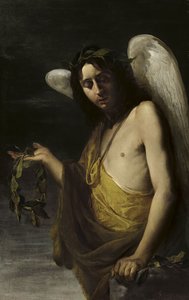
giovanni del campo (jean ducamp)
1600 - 1638 , France
Osnovne informacije
- Artistic Movement Or Style: Baroque
- Artists Or Movements Influenced By This Artist: ['Caravaggisti']
- Artists Who Influenced This Artist:
- Michelangelo
- Leonardo da Vinci
- Date Of Death: 1610
- Full Name: Caravaggio
- Nationality: Italian
- Notable Artworks:
- The Calling of St Matthew
- David and Goliath
- Place Of Birth: Milan, Italy

