

 Pregledaj u prostoru
 Pošalji
 Podeli
 Detalji o delu

 Преузми
 Slični predmeti
 Rendgenski snimak
 Slajdovi
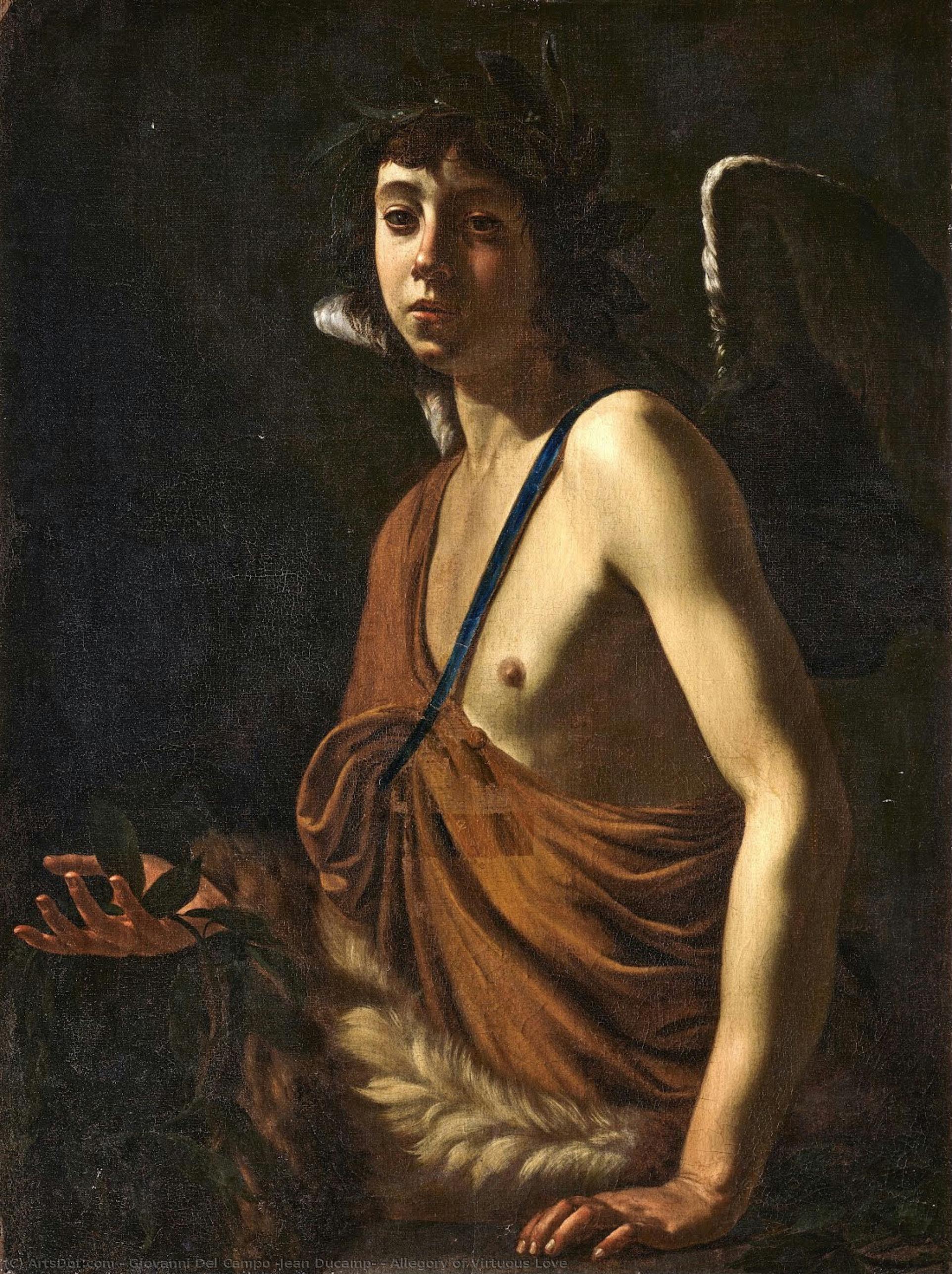
Allegory of Virtuous Love
 1620
1620 94.0 x 71.0 cm
 The Art Museum RIGA BOURSE
 Pročitaj više
Kupite digitalnu sliku visoke rezolucije i poboljšanog kvaliteta, koja je znatno superiornija od onoga što vidite u online prikazu.
Svaka datoteka je pedantno pripremljena od strane naših stručnjaka koristeći napredne alate i profesionalnu ručnu retušu. Osiguravamo da svaka slika ima izuzetnu oštrinu, preciznu reprodukciju boja i fine detalje.
Konačna datoteka se dostavlja putem e-pošte u roku od 72 sata, optimizovana za neposrednu upotrebu u profesionalnim, izdavačkim i štamparskim okruženjima. To je isti kvalitet kojem veruju vrhunski studiji dizajna, izdavači i galerije.
Digitalna slika
Preuzmite datoteku visoke rezolucije za ličnu upotrebu, štampanje i kreativne projekte. ( Kupi print Kupi ručno naslikanu sliku)
Uključeno uz svaku porudžbinu digitalne slike
Profesionalna digitalna isporuka, zagarantovana
Kada odaberete ArtsDot.com, ne dobijate samo sliku – vi primate profesionalno unapređeno digitalno umetničko delo, izrađeno sa najvećom preciznošću i uz garanciju zadovoljstva. Evo svega što automatski dolazi uz vašu porudžbinu:

Brza dostava putem e-pošte
Vaša digitalna slika visoke rezolucije biće vam poslata putem e-pošte u roku od 72 sata od poručivanja – spremna za trenutnu upotrebu.

Digitalna datoteka unapređena veštačkom inteligencijom
Vaše umetničko delo je profesionalno optimizovano korišćenjem naprednih AI alata i ručne obrade, čime se osiguravaju maksimalni detalji, oštrina i preciznost boja.

Besplatna ponovna isporuka doživotno
Slučajno ste obrisali ili izgubili svoju datoteku? Ne brinite – poslaćemo vam je ponovo u bilo kom trenutku, potpuno besplatno.

Bez troškova uvoza – zauvek
Uživajte u svojim umetničkim delima trenutno, bez carine, dažbina ili troškova dostave – digitalni download je uvek bez poreza.

Garancija vernosti boja
Uz pomoć profesionalnih alata i upravljanja bojama, osiguravamo da vaša digitalna slika što vernije odražava originalne boje.

Garancija zadovoljstva u roku od 60 dana
Ako niste zadovoljni svojom digitalnom slikom, revidirat ćemo je ili vratiti 100% novca u roku od 60 dana – bez ikakvih pitanja.

100% garancija povrata novca
Niste zadovoljni? Obezbedite pun povrat novca u roku od 60 dana od trenutka kada ste primili svoju digitalnu datoteku – bez suvišnih pitanja.

Popusti na velike porudžbine
Kupite 3 slike, uštedite 10% - Kupite 5 slika, uštedite 15% - Kupite 10+ slika, uštedite 20%. Odlično za kreativne projekte, galerije i agencije.
Srodna umetnička dela



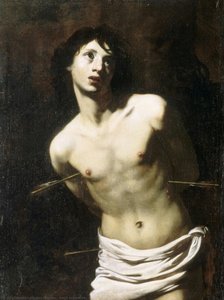



Biografija umetnika
The Shadowed Genius: Caravaggio and the Dawn of Baroque
Michelangelo Merisi da Caravaggio, a name synonymous with drama, darkness, and revolutionary technique, remains one of the most compelling figures in art history. Born in Milan in 1571, his life was tragically short – he died at the young age of thirty-eight – yet within those brief years, he irrevocably altered the course of painting, ushering in the Baroque era with a style that continues to captivate and challenge viewers centuries later. Caravaggio’s legacy isn't simply about masterful brushwork; it’s about a radical shift in how artists approached light, emotion, and the very nature of representation. Caravaggio’s early life remains shrouded in some mystery. He apprenticed under Lombard painters, but it was his time in Rome that truly shaped him. There, he quickly gained notoriety for his dramatic scenes, often depicting religious subjects with an unprecedented realism and psychological intensity. Unlike the idealized figures prevalent in earlier Renaissance art, Caravaggio's saints and biblical characters were flawed, vulnerable, and intensely human – sometimes even shockingly so. He frequently used *tenebrism*, a technique characterized by stark contrasts between light and dark, to heighten the drama of his compositions. This wasn’t merely an aesthetic choice; it was a deliberate strategy to draw the viewer's eye to key elements within the scene and evoke powerful emotions. His use of *chiaroscuro* – the dramatic interplay of light and shadow – created a sense of immediacy and theatricality, as if the scenes were unfolding before our very eyes.- Early Works in Rome: Caravaggio’s early paintings, such as “The Calling of St. Matthew” and “The Crowning with Thorns,” demonstrated his innovative approach to composition and lighting. These works established his signature style – a dramatic use of light and shadow, coupled with realistic depictions of human figures.
- Religious Scenes: Caravaggio primarily focused on religious subjects, often drawing inspiration from the lives of ordinary people. He depicted biblical scenes with an unprecedented level of realism and emotional depth, challenging traditional artistic conventions.
- Portraiture: While best known for his religious paintings, Caravaggio also produced a series of striking portraits that showcased his ability to capture the personality and character of his subjects.
The Influence of Italian Mannerism and Early Baroque
Caravaggio’s style wasn't born in a vacuum. He was deeply influenced by the artistic currents of his time, particularly the late mannerist painters who preceded him. Mannerists, known for their elongated figures, complex compositions, and often unsettling psychological effects, paved the way for Caravaggio’s dramatic use of light and shadow. Simultaneously, he absorbed elements from the emerging Baroque style, characterized by dynamism, emotion, and a sense of grandeur. Artists like Guido Reni and Annibale Carracci, who were working in Rome during the same period, influenced his approach to composition and color.Key Works: A Testament to His Vision
Several paintings stand as enduring testaments to Caravaggio’s genius. “The Calling of St. Matthew” is perhaps his most famous work, depicting the moment when Jesus calls Matthew to follow him. The scene is bathed in dramatic light, and the figures are rendered with remarkable realism. "David and Goliath" showcases his ability to capture intense emotion and physical struggle. “Judith Beheading Holofernes,” a brutally realistic depiction of a biblical story, exemplifies his willingness to confront difficult themes and challenge conventional notions of beauty. These works, along with many others, demonstrate Caravaggio’s mastery of technique and his profound understanding of human psychology.A Lasting Legacy: The Enduring Power of Darkness and Light
Caravaggio's impact on the history of art is undeniable. He fundamentally changed how artists approached light, emotion, and representation. His innovations in *tenebrism* and *chiaroscuro* continue to inspire painters today. More than just a painter, Caravaggio was a revolutionary who shattered artistic conventions and ushered in a new era of dramatic realism. His work reminds us that art can be both beautiful and unsettling, profound and immediate – a reflection of the complexities of human experience. His legacy endures not only through his paintings but also through the countless artists he has influenced across generations, ensuring that the shadowed genius of Michelangelo Merisi da Caravaggio will continue to illuminate the world of art for centuries to come.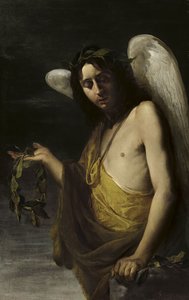
giovanni del campo (jean ducamp)
1600 - 1638 , France
Kratke činjenice
- Artistic Movement Or Style: Baroque
- Artists Or Movements Influenced By This Artist: ['Caravaggisti']
- Artists Who Influenced This Artist:
- Michelangelo
- Leonardo da Vinci
- Date Of Death: 1610
- Full Name: Caravaggio
- Nationality: Italian
- Notable Artworks:
- The Calling of St Matthew
- David and Goliath
- Place Of Birth: Milan, Italy

