

 Pregledaj u prostoru
 Pošalji
 Podeli
 Detalji o delu

 Преузми
 Slični predmeti
 Rendgenski snimak
 Slajdovi
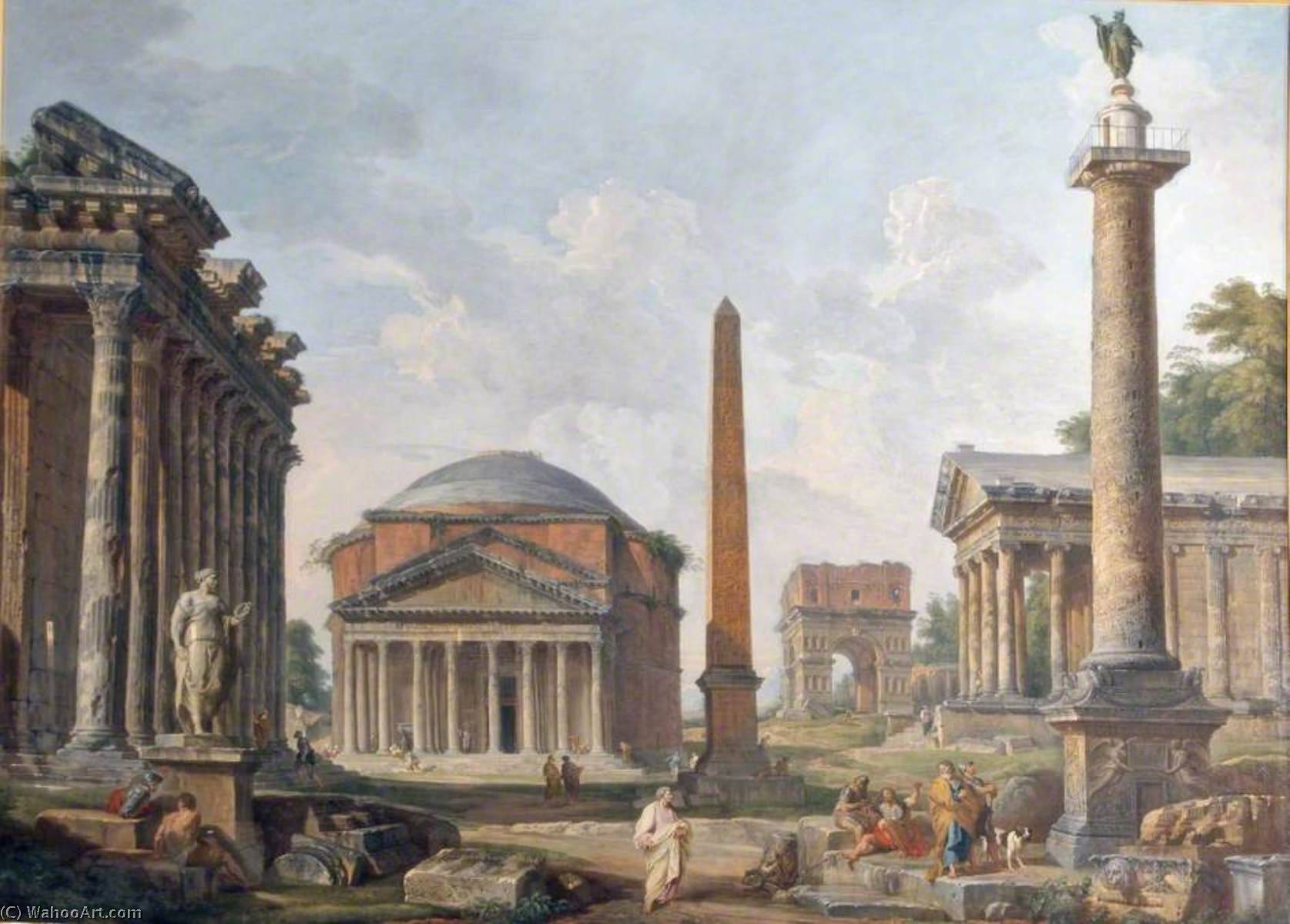
Ruins of Rome
 Oil On Canvas
- WallArt
- Baroque
 1741
1741 173.0 x 221.0 cm
 Walker Art Gallery
 Pročitaj više
Giclee štampa / Umetnički otisak
Giclée štampa ili print na platnu muzejskog kvaliteta uz brzu proizvodnju i fleksibilne opcije završne obrade. ( Kupi ručno naslikanu sliku Kupi digitalnu sliku)




P118B $10

P118H $10

P118W $10

P438Z $10

P508JH $12

P508YH $12

P805H $10

P805Z $10

P919BZ $10

P919G $10

P919XJ $10

P959ZH $10

P968JZ $12

W106C $8

W218G $10

W218JH $8

W218Y $10

W307PJ $10

W316G $10

W316PJ $8

W316Y $10

W398PJ $8

W4111J $10

W500HY $15

W500JH $15

W692G $12

W849H $8

W940BG $15

W953PJ $8




Izaberite jednu od naših unapred definisanih veličina koje odgovaraju originalnim proporcijama umetničkog dela.

Možete uneti sopstvene dimenzije kako biste umetničko delo prilagodili specifičnom okviru ili prostoru. Ako odabrani format ne odgovara proporcijama originalne slike, mi ćemo ili iscrtati deo dela ili proširiti sliku pomoću ogledane ivice ili jednobojnog popunjavanja. Digitalni prikaz će vam biti poslat na odobrenje pre početka proizvodnje.
Imajte na umu da pregled na ekranu ne odražava stvarno iscrtavanje ili proširivanje. Samo će prikaz (mockup) precizno pokazati finalnu kompoziciju.
Iako su prilagođene dimenzije dostupne, preporučujemo da odaberete dimenziju sa unapred definisane liste kako biste očuvali originalne proporcije.
Dostava širom sveta () za 2 nedelje umesto uobičajenih 4/5 nedelja. (22 август)

Besplatna ekspresna dostava širom sveta

Visokokvalitetno laneno platno

Kompletno osiguranje transporta

Garancija povraćaja carine i uvoznih dažbina

Garancija vernosti boja

Politika povrata u roku od 60 dana (samo u slučaju nedostataka)

Garancija povrata novca od 100%

Popust pri grupnoj kupovini
 Opcija sa staklom dostupna je samo za dimenzije manje od 110 cm

Ruins of Rome
Giclee štampa / Umetnički otisak
Dimenzije reprodukcije
-


Konačna cena
$ 62
Opis predmeta
Ruins of Rome: A Vision of Grandeur and Decay
Giovanni Paolo Panini’s “Ruins of Rome,” painted in 1741, isn't merely a depiction of ancient stones; it’s an immersive experience, a carefully constructed illusion designed to evoke the majesty and lingering melancholy of a lost empire. This oil on canvas masterpiece, currently residing within the Walker Art Gallery in Liverpool, transports the viewer to a meticulously rendered Roman landscape – a place where crumbling temples stand sentinel over verdant hillsides, and the echoes of a glorious past resonate through every weathered column. Panini, a master of the “veduta,” or cityscape painting, possessed an extraordinary ability to blend meticulous observation with a generous dose of artistic license, creating scenes that are both historically informed and profoundly romantic.
The painting’s genesis lies in the burgeoning fascination with antiquity during the 18th century. Europe was experiencing a renewed interest in classical Rome, fueled by archaeological discoveries and a desire to recapture the perceived virtues of republicanism and civic pride. Panini, deeply influenced by the theatrical designs of Francesco Galli-Bibiena – a stage designer who had instilled in him a keen understanding of perspective and dramatic composition – skillfully captured this spirit. He wasn’t simply painting ruins; he was reconstructing a vanished world, imbuing it with an aura of timeless beauty and poignant loss. The inclusion of figures engaged in conversation and contemplation further enhances the sense of human connection to this monumental past, suggesting that even amidst decay, life continues to find meaning within the remnants of civilization.
A Symphony of Light and Shadow – Technique and Style
Panini’s technique is a testament to his mastery of illusionistic realism. He employs a complex system of linear perspective, meticulously layering brushstrokes to create an astonishing sense of depth and spatial coherence. The obelisk dominating the foreground, rendered with sharp detail and carefully modulated light, anchors the scene and draws the eye into the receding landscape. Notice how he utilizes chiaroscuro – the dramatic contrast between light and shadow – to sculpt the forms of the ruins, emphasizing their weathered surfaces and highlighting key architectural features. The use of warm ochres, browns, and grays dominates the palette, reflecting the aged stone and lending a sense of earthy authenticity to the scene. Yet, subtle hints of red and yellow in the clothing of the figures introduce a vibrant counterpoint, preventing the composition from becoming overly somber.
The painting’s style leans heavily into the principles of Baroque illusionism, reminiscent of artists like Andrea Pozzo, but with Panini's unique touch. He doesn’t aim for photographic accuracy; instead, he prioritizes creating a convincing *impression* of reality – a world that feels both familiar and utterly fantastical. The inclusion of elements such as trees, bushes, and even a horse adds to this sense of heightened realism, grounding the scene in a believable landscape while simultaneously elevating it to an idealized vision of Rome.
Symbolism and Emotional Resonance
“Ruins of Rome” is rich with symbolic meaning. The decaying architecture represents not just the literal fall of the Roman Empire but also the transience of human power, ambition, and glory. The ruins themselves become a metaphor for memory – a reminder that even the most impressive achievements are ultimately subject to time’s relentless passage. The figures within the scene, engaged in quiet contemplation, invite us to reflect on our own place within history and the enduring legacy of the past. The painting's overall mood is one of melancholic beauty, a poignant blend of grandeur and decay that speaks to the bittersweet nature of human existence.
The inclusion of the obelisk, a symbol of Egyptian power and authority, subtly underscores the continuity of civilization across vast stretches of time. It’s a deliberate juxtaposition – a reminder that Rome inherited and built upon the traditions of earlier empires. The painting, therefore, isn't simply a record of the past; it’s an exploration of how history shapes our present and informs our future.
Bringing “Ruins of Rome” Home
Reproductions of Panini’s “Ruins of Rome” offer a remarkable opportunity to bring this iconic masterpiece into your own space. Created using the same meticulous techniques and high-quality materials as the original, these reproductions faithfully capture the painting's breathtaking detail and evocative atmosphere. Whether adorning a grand salon or a more intimate setting, this artwork will undoubtedly serve as a captivating conversation piece – a testament to the enduring power of art to transport us to another time and place. Explore exquisite hand-painted oil reproduction at https://ArtsDot.com.
Srodna umetnička dela
Biografija umetnika
Мајстор римских визија: Живот и уметност Ђовани Паоло Панинија
Ђовани Паоло Панини, име синоним за величину и романтичну привлачност Рима у 18. веку, био је више од обичног сликара; он је био визуелни архитекта сећања. Рођен у Пјаченци 1691. године, његов уметнички пут започео је под менторством Ђузепеа Натаља и Андрее Галијуција, али је изложеност позоришним дизајнима Франческа Гали-Бибиене заправо распалила његову машту. Ово рана уроњеност у сценску уметност би дубоко утицала на његов каснији рад, дајући му осећај драматичне композиције и илузионог простора. 1711. године Панини се преселио у Рим, град већ прожет уметничком историјом, где је усавршио своје вештине под вођством Бенедета Лутија, савладавајући вештину цртања и постављајући основу за његово будуће мајсторство перспективе.Фреске до видова: Еволуција уметничког стила
Панинијев почетни успех није дошао као платнар, већ као декоратер палата. Његове фреске су украшавале зидове истакнутих римских резиденција, укључујући Вилу Патрици (1719-1725), Палацо де Каролис (1720) и Семинарио Романо (1721-1722). Ове ране поруџбине су му омогућиле да развије своју техничку вештину и успостави репутацију у римским уметничким круговима. Међутим, његово прихватање *видуа*, или сликарства пејзажа, на крају би дефинисало његово наслеђе. За разлику од ранијих топографских уметника који су се фокусирали на прецизну документацију, Панини је унео осећај имагинативне реконструкције у своје приказе Рима. Он није само забележио оно што је видео; он га је поново замислио, мешајући постојеће структуре са фрагментима древних рушевина и фантастичним архитектонским елементима. Овај приступ, често називан *капричо*, омогућио му је да креира сцене које су биле препознатљиве и сновске, захватајући дух Рима слојевите историје. Његово чланство у Congregazione dei Virtuosi al Pantheon 1719. године сигнализирало је његово растуће признање у римском свету уметности, и ускоро је постао тражени уметник међу Великим туристима – богатим младим Европљанима који су путовали Италијом да би завршили своје образовање.Привлачност рушевина и Панинијева пројекција
Панинијева фасцинација рушевинама није била само естетски избор; то је одражавало ширу интелектуалну струју његовог времена – растуће интересовање за класичну антику и меланхоличну свест о њеној крхкости. Мајсторски је приказао иконичке знаменитости попут Пантеона, Колизеума и Римског форума, често их уоквирујући драматичним осветљењем и атмосферским ефектима. Али он се није зауставио на томе. Често је комбиновао елементе из различитих структура у једну композицију, стварајући фантастичне визије које су славиле римско архитектонско наслеђе, а истовремено признавале његово стање распада. Овај иновативни приступ перспективи – његова способност да створи убедљиву илузију дубине и простора – довео је до развоја онога што је постало познато као „Панинијева пројекција“, техника која је била од суштинског значаја за рендеринг панорамских призора. Пројекција је омогућила уметницима да прецизно представе широке сцене, што је било непроцењиво за архитектонске скице и сликарство пејзажа.Утицај и наслеђе: Трајан утицај на историју уметности
Утицај Ђовани Паоло Панинија се протезао далеко ван његовог живота. Био је поштовани учитељ на Accademia di San Luca и Académie de France у Риму, обликујући уметничку сензибилност генерације уметника. Међу његовим ученицима био је Хуберт Роберт, који би такође постао познат по својим приказима рушевина, иако са отвореније романтичном осећајем. Панинијев стил се одразио и на друге *ведутистичке* уметнике, укључујући Антонија Јолија и Шарла-Луија Клерисоа, инспиришући их да истраже могућности архитектурног сликарства. Његови радови се сада чувају у престижним збиркама широм света, укључујући музеј Прадо, Лувр и Museo Nazionale di Capodimonte, сведочећи његовом трајном апелу.Истраживање Панинијевог света данас
Данас можемо и даље искусити задивљујућу лепоту Панинијевих радова кроз бројне репродукције и изложбе. Његове слике нуде јединствени прозор у Рим у 18. веку – град препун историје, уметности и интелектуалне радозналости. Испитавање његове мајсторства перспективе, његових имагинативних композиција и његових евокативних приказа рушевина омогућава нам да ценимо не само његову техничку вештину, већ и његово дубоко разумевање односа човека са временом, сећањем и трајном моћи уметности.- Истражите радове: Храм Дијане, Унутрашњост Светог Петра, Рим, Унутрашњост Пантеона, Рим.
- Даље истраживање: Откријте више о Панинијевом животу и раду кроз ресурсе попут Википедије и Националне галерије уметности.
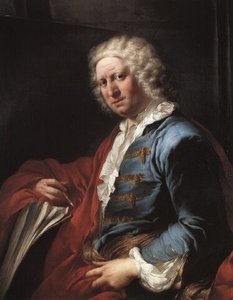
Ђовани Паоло Панини
1691 - 1765 , Италија
Osnovne informacije
- Artistic Movement Or Style: Barok, Vedutizam
- Artists Or Movements Influenced By This Artist:
- Hubert Robert
- Antonio Joli
- Charles Clérisseau
- Artists Who Influenced This Artist:
- Giuseppe Natali
- Andrea Galluzzi
- F.Galli-Bibiena
- Date Of Birth: 1691
- Date Of Death: 1765
- Full Name: Giovanni Paolo Panini
- Nationality: Italijan
- Notable Artworks (List Of Titles):
- Pantheon Unutrašnjost
- Pogledi na Rim
- Kapriči
- Place Of Birth (City And Country): Piacenza, Italija
Povezani članci

Барокна драма: Уношење величине и емоција у савремене ентеријере
Откријте барокну драму и унесите величину у ваш ентеријер! ArtsDot нуди ручно насликане репродукције, персонализоване портрете и стручне консултације за љубитеље класичне уметности. Потражите савршено дело већ данас!

Simon Vouet: A Baroque Master's Journey from Italian Influence to French Classicism
Explore the life & art of Simon Vouet, a pivotal French Baroque painter who introduced Italian styles to France. Discover his masterpieces and lasting influence on 17th-century art.

Barok Majstor dela: Top 10 Umjetničkih Remeka za Vaš Dom
Otkrijte 10 remek dela koja su definisala baroknu umetnost! Karavagio, Bernini i više – istražite priče iza ovih ikoničnih slika. Inspiracija za vaš dom? Pogledajte kolekciju na ArtsDot.com!
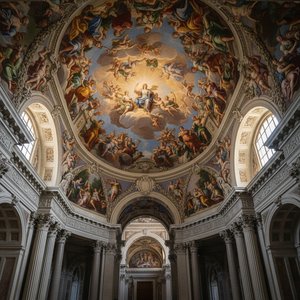
Pietro da Cortona: Baroque Grandeur & the Synthesis of Roman Painting
Explore the life & masterpieces of Pietro da Cortona, a defining figure of the Italian Baroque. Discover his stunning frescoes at Palazzo Barberini and lasting influence on Roman art history. Learn more with ArtsDot.

The Dramatic Flourish: Exploring the Baroque Movement's Enduring Legacy in Art History
Explore the dramatic world of Baroque art! Discover iconic artists like Caravaggio & Rubens, defining techniques, and its lasting impact on art history. Expert insights for collectors & enthusiasts at ArtsDot.

