

 Pregledaj u prostoru
 Pošalji
 Podeli
 Detalji o delu

 Преузми
 Slični predmeti
 Rendgenski snimak
 Slajdovi
 Statistika
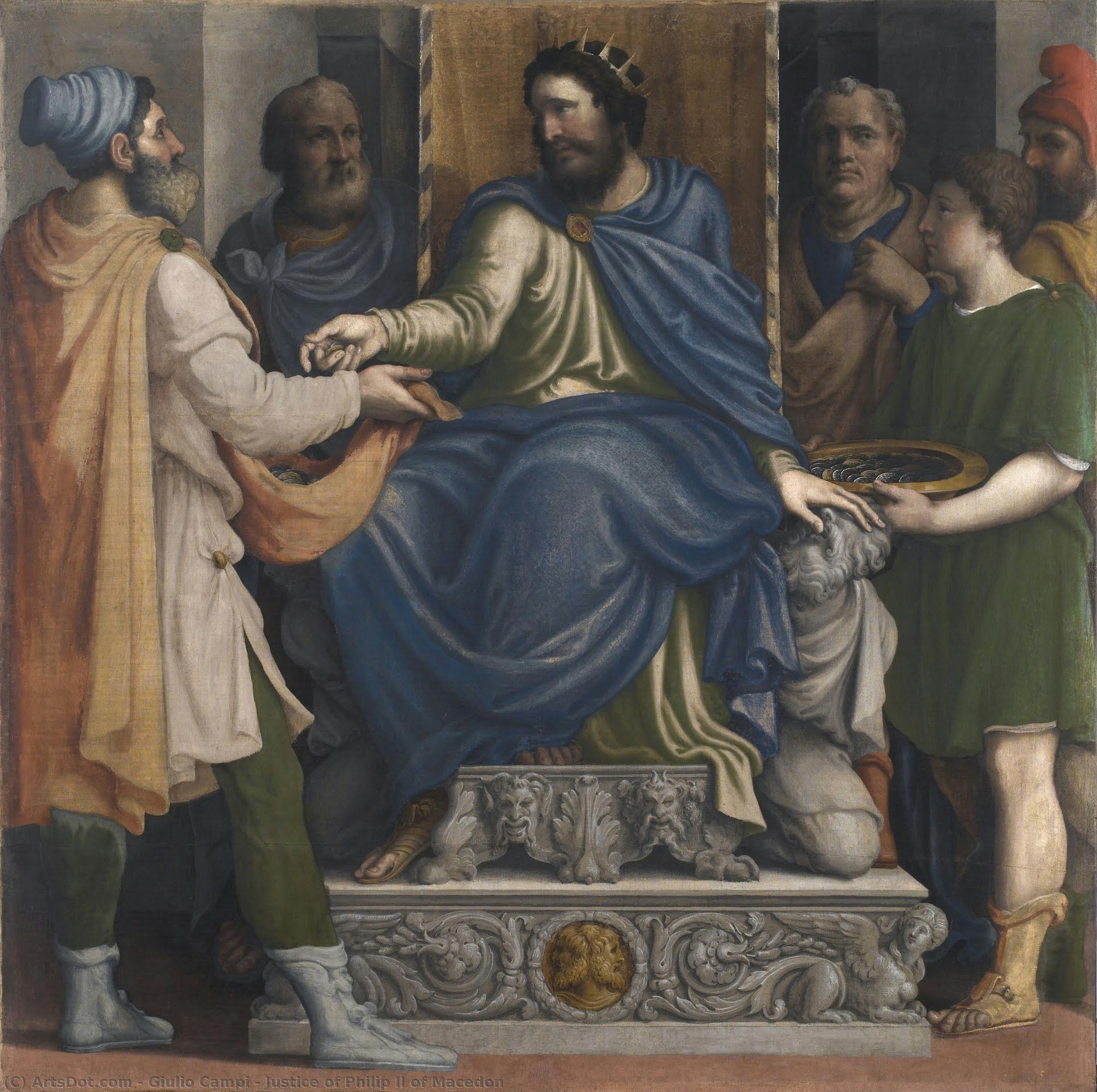
Justice of Philip II of Macedon


 Pročitaj više
Ručno rađena uljana reprodukcija
Ručno oslikano uljanim bojama na platnu u dimenzijama i okviru po vašem izboru, izrađeno po porudžbini od strane naših umetnika. ( Pređi na štampu Pređi na digitalnu sliku)




P118B $10

P118H $10

P118W $10

P438Z $10

P508JH $12

P508YH $12

P805H $10

P805Z $10

P919BZ $10

P919G $10

P919XJ $10

P959ZH $10

P968JZ $12

W106C $8

W218G $10

W218JH $8

W218Y $10

W307PJ $10

W316G $10

W316PJ $8

W316Y $10

W398PJ $8

W4111J $10

W500HY $15

W500JH $15

W692G $12

W849H $8

W940BG $15

W953PJ $8




Izaberite jednu od naših unapred definisanih veličina koje odgovaraju originalnim proporcijama umetničkog dela.

Можете унети сопствене димензије како бисте прилагодили дело одређеном оквиру или простору. Ако одабрана величина не одговара пропорцијама оригинала, слика ће бити исечена или проширена додатним елементима који се ручно насликавају. Дигитални prikaz ће вам бити послат на одобрење пре почетка производње.
Имајте на уму да преглед на екрану не одражава стварно исецање или проширење. Само приказ (mockup) ће тачно приказати коначну композицију.
Иако су доступне прилагођене величине, препоручујемо да одаберете димензију из дефинисане листе како бисте сачували оригиналне пропорције.
Nakon narudžbine, tim ArtsDot.com će klijentu putem e-pošte poslati uputstva i dostaviti prikaz predloženog rešenja
Isporuka širom sveta () za 3/4 nedelje umesto uobičajenih 5 nedelja. (10 септембар). Bez kompromisa po pitanju kvaliteta.

Besplatna ekspresna dostava širom sveta

Visokokvalitetno laneno platno

Kompletno osiguranje transporta

Garancija povraćaja carine i uvoznih dažbina

Garancija vernosti boja

Politika povraćaja u roku od 100 dana (isključivo u slučaju nedostataka)

Garancija povrata novca od 100%

Popust pri grupnoj kupovini
 Opcija sa staklom dostupna je samo za dimenzije manje od 110 cm

Justice of Philip II of Macedon
Tehnika reprodukcije
Dimenzije reprodukcije
-


Konačna cena
$ 363
Justice of Philip II of Macedon – A Renaissance Vision of Authority
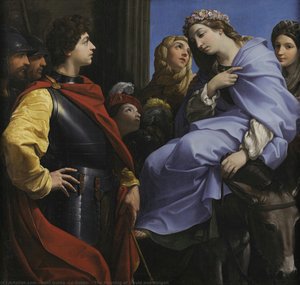
The artwork “Justice of Philip II of Macedon,” attributed to Giulio Campi (1502–1572), stands as a testament to the artistic fervor of the Italian Renaissance, specifically within the Cremonese school. Painted sometime in the mid-16th century, this monumental oil painting transcends mere depiction; it embodies an idealized vision of regal power and divine judgment—a subject deeply rooted in humanist ideals and religious contemplation.- Overall Impression: The composition immediately commands attention with its hierarchical arrangement. At its core resides Philip II, portrayed seated upon a richly ornamented throne, radiating authority. Surrounding him are attendants and onlookers, meticulously positioned to convey depth and grandeur. Dramatic lighting casts shadows that accentuate the textures of drapery and clothing, enhancing the realism achieved through Campi’s masterful brushwork.
- Composition & Perspective: The artist skillfully employs perspective—though somewhat flattened by stylistic conventions—to create a convincing illusion of three-dimensionality. Lines delineate figures' forms and architectural elements with precision, while geometric shapes—squares and rectangles—are prominent in the throne and drapery folds. This deliberate structuring reinforces the painting’s solemn atmosphere and communicates its importance as a visual narrative.
- Style & Technique: Campi’s style exemplifies the Renaissance preoccupation with classical ideals of beauty and proportion. Realistic depiction of human anatomy combined with idealized proportions reflects the influence of humanist scholarship, particularly Aristotle's emphasis on observation and reason. The meticulous layering of paint—a hallmark of Renaissance technique—yields rich colors and textures, capturing the luminosity characteristic of oil paints.
Symbolism & Context – Divine Right and Moral Judgment
The artwork’s symbolism speaks volumes about its historical context. Philip II's throne symbolizes his dominion over both earthly and spiritual realms—a concept central to Christian theology during the Renaissance. The gestures of the figures convey solemnity and reverence, reflecting the seriousness with which rulers were viewed as intermediaries between God and humanity. Furthermore, Campi’s depiction aligns with the broader humanist movement’s fascination with moral philosophy and its belief in the pursuit of virtue.- Color Palette: Dominating hues are deep blues and golds—colors traditionally associated with royalty and divinity—underscored by earthy tones used for the attendants' garments. This palette contributes to the painting’s overall sense of solemnity and grandeur, mirroring the aesthetic sensibilities of the era.
- Material & Medium: Executed on canvas using oil paints, Campi’s technique demonstrates a profound understanding of pigment mixing and glazing—techniques that allowed for unparalleled luminosity and tonal subtlety. The careful application of brushstrokes ensures that every detail is rendered with meticulous precision.
Giulio Campi – Legacy & Influence
Giulio Campi’s artistic lineage extends back to Lombard traditions, blended seamlessly with Roman influences fostered by his studies under Giulio Romano and his engagement with classical art. His collaboration with Camillo Boccaccino further enriched his artistic education, cementing his position as a pivotal figure in Cremonese Renaissance art. Campi's enduring legacy resides not only in his masterful paintings but also in his role as an instructor—inspiring subsequent generations of artists to embrace innovation while upholding the highest standards of craftsmanship and aesthetic excellence. His “Ludovico Carracci of Cremona” title reflects this profound impact on the artistic landscape of his time, securing his place among the most celebrated painters of the Renaissance.Srodna umetnička dela
Biografija umetnika
Giulio Campi: Life and Legacy
Early Life and Training
- Born: Cremona, Italy in 1502.
- Family of Artists: Giulio Campi came from a prominent family of painters; his father, Galeazzo (1475–1536), provided him with initial artistic training.
- Early Studies: In 1522, he traveled to Mantua and studied painting, architecture, and modelling under the tutelage of Giulio Romano.
- His education continued with a visit to Rome where he became deeply engaged in studying classical antiquity.
Artistic Development and Influences
- Blending Traditions: Campi skillfully combined Lombard and Roman artistic traditions, influenced by his studies with Romano and his exploration of ancient art.
- Collaboration: He collaborated with Camillo Boccaccino, son of Boccaccio Boccaccino, potentially receiving further training from him.
- Key Influences: Giulio Romano’s influence is evident in Campi's dynamic compositions and architectural elements. His study of classical art instilled a sense of grandeur and anatomical accuracy.
Major Works and Style
- Masterpiece: At the age of 27, Campi completed his masterpiece, “Virgin and Child with Sts Celsus and Nazarus”, for the church of Sant'Abondio. It is celebrated for its freedom of drawing and vibrant color.
- Notable Works: Other significant works include the “Descent from the Cross” in San Sigismondo, Cremona, and frescoes within the dome of San Girolamo in Mantua.
- Artistic Characteristics: Campi’s paintings are characterized by grand conceptions, free drawing, vigorous coloring, a lofty style, and broad handling. A deep piety is evident throughout his work.
- He was involved in the reconstruction and decoration of the church of Santa Rita in Cremona.
Historical Significance and Legacy
- “Ludovico Carracci of Cremona”: Campi is often referred to by this title due to his significant influence on the artistic landscape of Cremona, mirroring Ludovico Carracci’s impact on Bologna.
- Regional Importance: He played a crucial role in shaping Renaissance art within the Cremonese school.
- Engravings by Ghiso: His altar-piece in San Sigismondo and his “Labours of Hercules” were engraved by Giorgio Ghisi, further disseminating his work.
- Lasting Impact: Campi’s influence extended beyond his lifetime, inspiring subsequent generations of artists in the region.
Death and Remembrance
- Died: Cremona, Italy in 1572.
- Giulio Campi remains a significant figure in Italian Renaissance art, celebrated for his artistic skill, religious devotion, and lasting influence on the Cremonese school of painting.
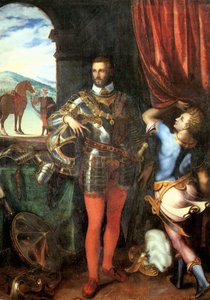
Giulio Campi
1502 - 1572 , Italy
Osnovne informacije
- Birth Date: 1502
- Birth Place: Cremona, Italy
- Death Date: 1572
- Influenced: Ludovico Carracci (in Cremona)
- Influenced By: Giulio Romano
- Movement: Renaissance, Mannerism
- Name: Giulio Campi
- Nationality: Italian
- Notable Works:
- Virgin and Child with Sts Celsus and Nazarus
- Descent from the Cross (San Sigismondo)
- Frescoes in San Girolamo (Mantua)
Povezani članci

Oil on Canvas: A Historical & Technical Exploration of a Timeless Artistic Medium
Explore the rich history & enduring techniques of oil painting on canvas. Discover the science behind its longevity, conservation practices, and contemporary relevance. Expert insights for art enthusiasts.

The Enduring Power of Painting: A Historical & Contemporary Exploration of Form and Emotion
Explore the rich history & enduring techniques of oil painting with ArtsDot. Discover masterpieces, learn about art collecting, and find authentic handmade reproductions crafted by skilled artists.

Trajnu Ostavština Uljanih Boja na Platnu: Tehnika, Istorija i Savremena Praksa
Istražite bogatu istoriju i savremene tehnike uljanog slikarstva. Saveti stručnjaka, analiza radova velikih majstora i vodiči za biranje kvalitetnih materijala. Otkrijte tajne očuvanja umetničkih dela!
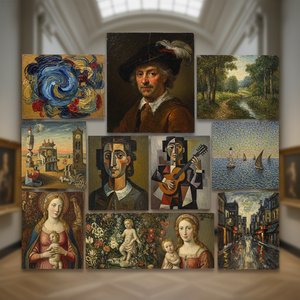
Oil on Board Masters: 10 Paintings That Redefined Art | ArtsDot
Explore 10 legendary 'Oil on Board' masterpieces by Van Gogh, Monet & more! Discover art history, iconic styles like Impressionism, and find museum-quality reproductions to elevate your home decor. Explore the full collection online at ArtsDot.com.

The Enduring Legacy of Oil on Canvas: Technique, History & Aesthetic Impact
Explore the rich history & techniques of oil painting – from Renaissance masters to Impressionism. Discover pigments, layering methods, and why this timeless medium endures. Expert insights for artists & art enthusiasts.