

 Pregledaj u prostoru
 Pošalji
 Podeli
 Detalji o delu

 Преузми
 Slični predmeti
 Rendgenski snimak
 Slajdovi
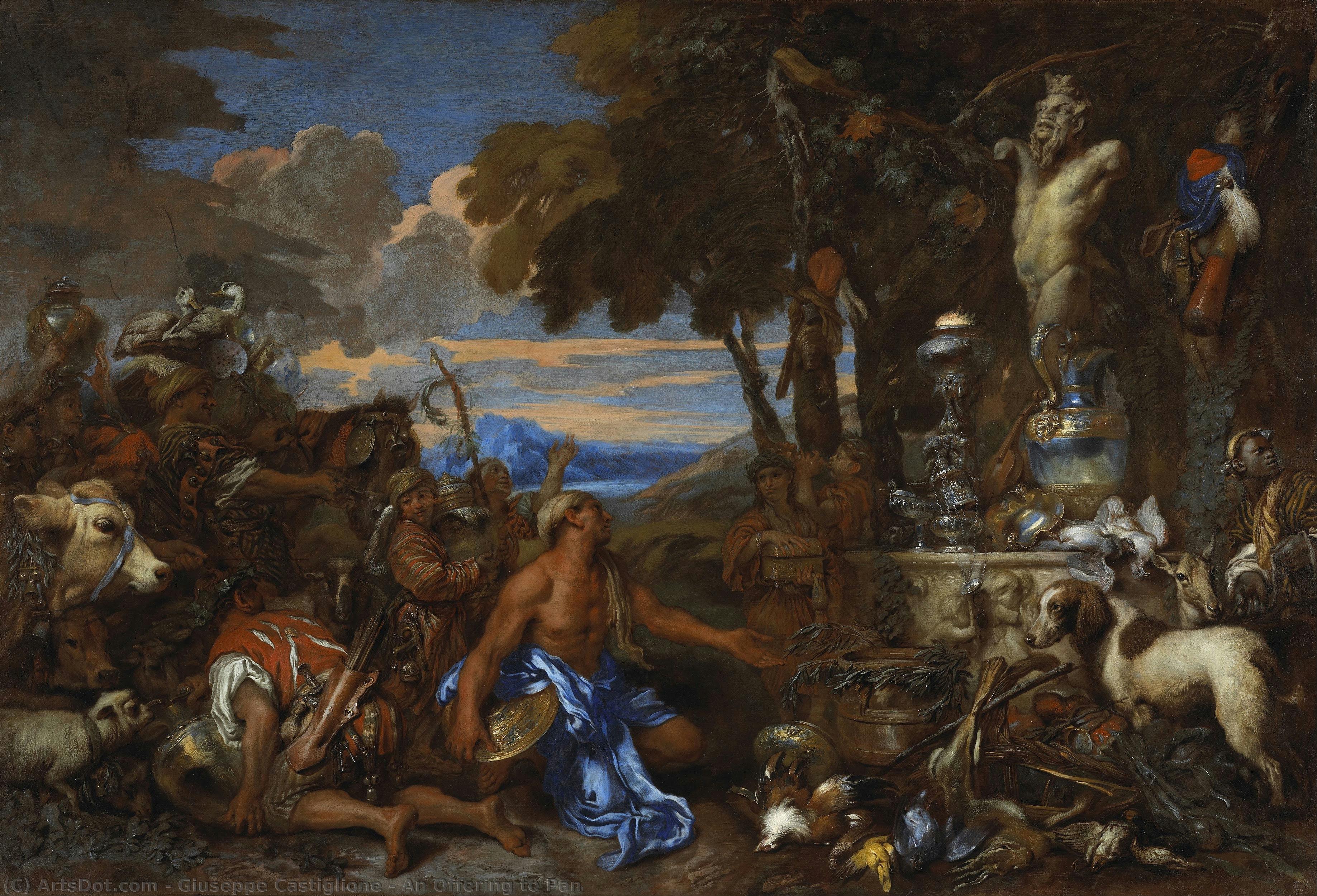
An Offering to Pan
 1660
1660 154.0 x 228.0 cm
 National Gallery of Canada
 Pročitaj više
Ručno rađena uljana reprodukcija
Ručno oslikano uljanim bojama na platnu u dimenzijama i okviru po vašem izboru, izrađeno po porudžbini od strane naših umetnika. ( Kupi print Kupi digitalnu sliku)




































Izaberite jednu od naših unapred definisanih veličina koje odgovaraju originalnim proporcijama umetničkog dela.

Можете унети сопствене димензије како бисте прилагодили дело одређеном оквиру или простору. Ако одабрана величина не одговара пропорцијама оригинала, слика ће бити исечена или проширена додатним елементима који се ручно насликавају. Дигитални prikaz ће вам бити послат на одобрење пре почетка производње.
Имајте на уму да преглед на екрану не одражава стварно исецање или проширење. Само приказ (mockup) ће тачно приказати коначну композицију.
Иако су доступне прилагођене величине, препоручујемо да одаберете димензију из дефинисане листе како бисте сачували оригиналне пропорције.
Nakon narudžbine, tim ArtsDot.com će klijentu putem e-pošte poslati uputstva i dostaviti prikaz predloženog rešenja
Isporuka širom sveta () za 3/4 nedelje umesto uobičajenih 5 nedelja. (6 септембар). Bez kompromisa po pitanju kvaliteta.

Besplatna ekspresna dostava širom sveta

Visokokvalitetno laneno platno

Kompletno osiguranje transporta

Garancija povraćaja carine i uvoznih dažbina

Garancija vernosti boja

Politika povrata u roku od 100 dana (samo u slučaju nedostataka)

Garancija povrata novca od 100%

Popust pri grupnoj kupovini
 Opcija sa staklom dostupna je samo za dimenzije manje od 110 cm

An Offering to Pan
Tehnika reprodukcije
Dimenzije reprodukcije
-


Konačna cena
$ 263
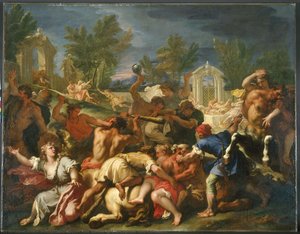
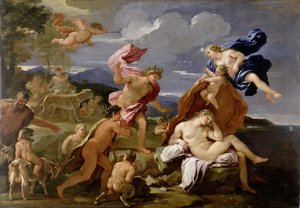
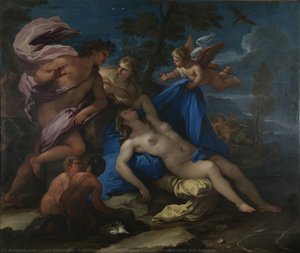
Srodna umetnička dela




Biografija umetnika
Giuseppe Castiglione: A Bridge Between East and West
- Born: Milan, Italy (1688)
- Died: 1766
- Other Names: Lang Shining (郎世宁)
Giuseppe Castiglione was an Italian Jesuit brother and missionary who left a significant mark on Chinese art during the Qing dynasty. Born in Milan, he joined the Society of Jesus and eventually served as an artist at the imperial court for three successive emperors: Kangxi, Yongzheng, and Qianlong. His unique ability to blend European artistic techniques with traditional Chinese styles made him a highly valued figure within the imperial household.
Early Life and Training
- Castiglione received a private education in Milan, demonstrating an early aptitude for painting.
- He studied under a master painter, laying the foundation for his future artistic career.
- In 1707, he entered the Society of Jesus in Genoa, becoming a lay brother rather than a priest. This allowed him to pursue his artistic talents while remaining within the Jesuit order.
- Before traveling to China, Castiglione spent several years in Coimbra, Portugal, where he decorated the chapel of St. Francis Borgia with notable paintings, including *Circumcision of Jesus*.
Artistic Career and Style
- Arrival in China: Castiglione arrived in Beijing in 1715 and initially worked as an artisan in the imperial enamel workshop.
- Adoption of Chinese Name: He adopted the name Lang Shining, signifying his integration into Chinese society.
- Fusion of Styles: Castiglione’s artistic style is characterized by a remarkable fusion of European and Chinese traditions. He skillfully combined Western perspective, shading techniques (chiaroscuro), and draftsmanship with traditional Chinese themes, composition styles, and materials like silk.
- Imperial Patronage: His talent was quickly recognized, leading to patronage from the Yongzheng Emperor who commissioned several works. The Qianlong Emperor particularly favored Castiglione, granting him increasingly higher official ranks and commissioning numerous paintings over three decades.
- Subjects of his Work: Castiglione’s subjects included portraits of emperors and empresses, depictions of tribute horses (a series known as the "Four Afghan Steeds"), and a significant series of “Battle Copper Prints” commemorating Qianlong's military campaigns.
Notable Works and Legacy
- One Hundred Horses in a Landscape (1728): This monumental work for the Yongzheng Emperor is considered Castiglione’s masterpiece. Executed on silk, it showcases his mastery of perspective and light while subtly adapting European techniques to suit Chinese aesthetics.
- Battle Copper Prints: These prints, created in collaboration with other Jesuit artists, documented Qianlong's military victories and were distributed both within China and to Europe, demonstrating the global reach of Castiglione’s work.
- Architectural Contributions: Beyond painting, Castiglione also designed Western-style palaces within the Old Summer Palace gardens, further blending European and Chinese architectural styles.
Historical Significance
- Cultural Exchange: Giuseppe Castiglione played a pivotal role in facilitating cultural exchange between Europe and China during the 18th century. His art served as a bridge, introducing Western artistic techniques to China while simultaneously incorporating Chinese elements into his own work.
- Influence on Qing Court Art: He significantly influenced the aesthetic of the Qing court, contributing to a new style that combined realism with traditional Chinese conventions.
- Legacy: Castiglione’s legacy continues to be celebrated for its unique blend of artistic traditions and its historical significance as a testament to cross-cultural understanding and collaboration. His works are highly valued by collectors and scholars alike, offering valuable insights into the art and culture of 18th-century China.
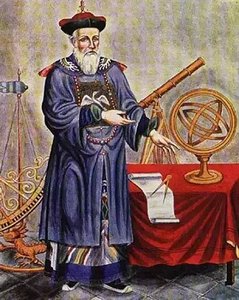
Giuseppe Castiglione
1688 - 1766 , Italy
Osnovne informacije
- Artistic Movement Or Style: European and Chinese fusion
- Artists Who Influenced This Artist:
- Carlo Cornara
- Andrea Pozzo
- Date Of Birth: 1688-07-19
- Date Of Death: 1766-07-17
- Full Name: Giuseppe Castiglione
- Nationality: Italian
- Notable Artworks:
- One Hundred Horses in a Landscape
- Four Afghan Steeds
- Place Of Birth: Milan, Italy