

 Pregledaj u prostoru
 Pošalji
 Podeli
 Detalji o delu

 Преузми
 Slični predmeti
 Rendgenski snimak
 Slajdovi
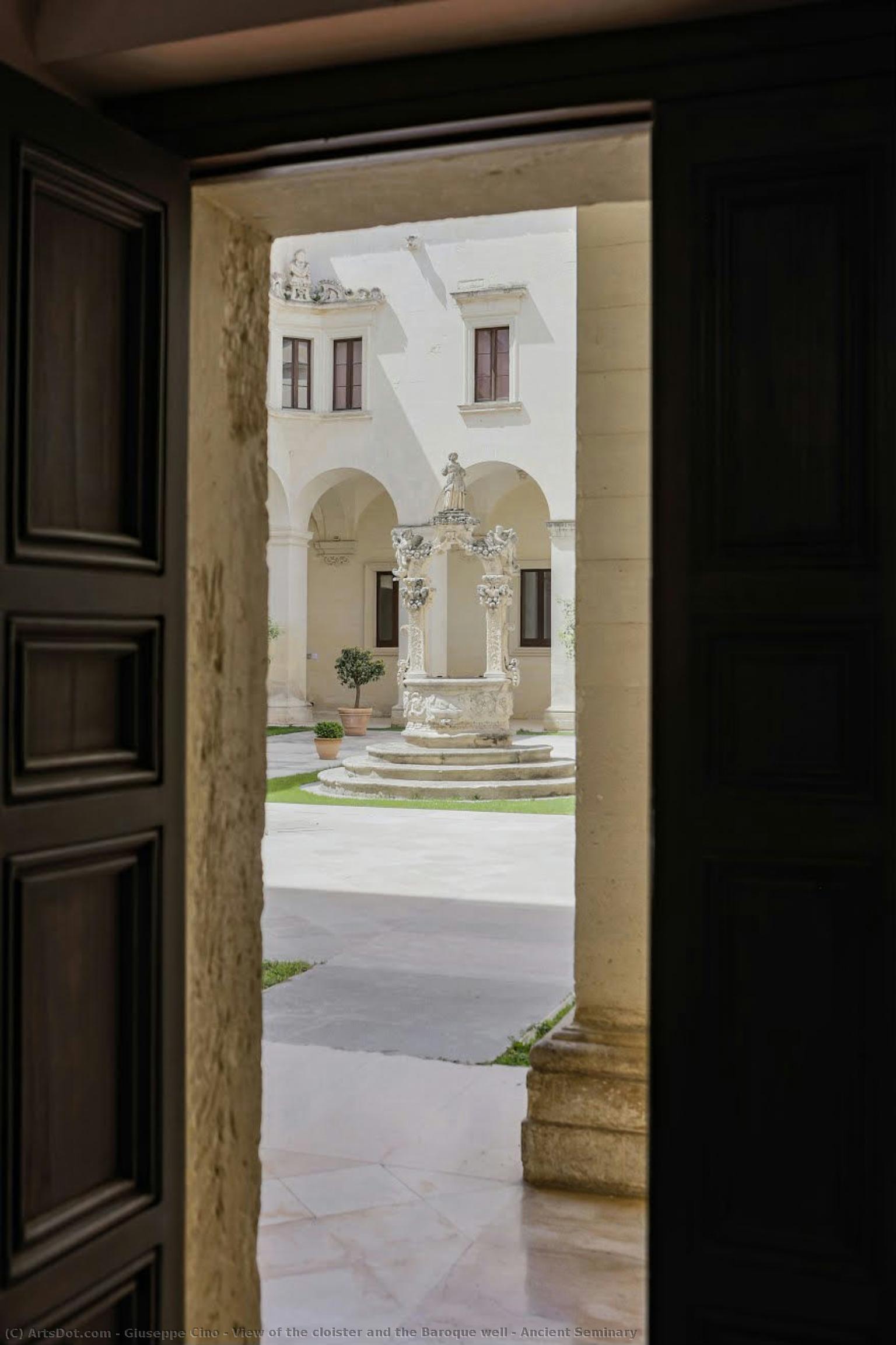
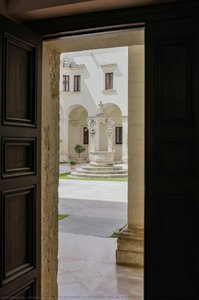
View of the cloister and the Baroque well - Ancient Seminary


 Pročitaj više
Ručno rađena uljana reprodukcija
Ručno oslikano uljanim bojama na platnu u dimenzijama i okviru po vašem izboru, izrađeno po porudžbini od strane naših umetnika. ( Kupi print Kupi digitalnu sliku)




































Izaberite jednu od naših unapred definisanih veličina koje odgovaraju originalnim proporcijama umetničkog dela.

Можете унети сопствене димензије како бисте прилагодили дело одређеном оквиру или простору. Ако одабрана величина не одговара пропорцијама оригинала, слика ће бити исечена или проширена додатним елементима који се ручно насликавају. Дигитални prikaz ће вам бити послат на одобрење пре почетка производње.
Имајте на уму да преглед на екрану не одражава стварно исецање или проширење. Само приказ (mockup) ће тачно приказати коначну композицију.
Иако су доступне прилагођене величине, препоручујемо да одаберете димензију из дефинисане листе како бисте сачували оригиналне пропорције.
Nakon narudžbine, tim ArtsDot.com će klijentu putem e-pošte poslati uputstva i dostaviti prikaz predloženog rešenja
Isporuka širom sveta () za 3/4 nedelje umesto uobičajenih 5 nedelja. (30 август). Bez kompromisa po pitanju kvaliteta.

Besplatna ekspresna dostava širom sveta

Visokokvalitetno laneno platno

Kompletno osiguranje transporta

Garancija povraćaja carine i uvoznih dažbina

Garancija vernosti boja

Politika povrata u roku od 60 dana (samo u slučaju nedostataka)

Garancija povrata novca od 100%

Popust pri grupnoj kupovini
 Opcija sa staklom dostupna je samo za dimenzije manje od 110 cm

View of the cloister and the Baroque well - Ancient Seminary
Tehnika reprodukcije
Dimenzije reprodukcije
-


Konačna cena
$ 263
Srodna umetnička dela

Biografija umetnika
The Architect of Lecce's Baroque Splendor
In the sun-drenched landscape of Puglia, where the golden stone of Lecce seems to capture and hold the very essence of light, the name Giuseppe Cino resonates as a master of the Baroque era. Born in 1645 into a noble family, Cino was not merely a builder of structures but a weaver of stone, an artist who helped transform his birthplace into what many have poetically called the Florence of the Baroque. His life and career were deeply intertwined with the architectural evolution of Lecce, a city that became a canvas for his profound understanding of space, ornament, and dramatic movement.
Cino’s artistic journey was shaped by the shadows and light of the masters who preceded him. He underwent rigorous training under the guidance of Giuseppe Zimbalo, one of the most formidable figures of the period. From Zimbalo, Cino inherited a command over the intricate, almost organic ornamentation that defines the Lecce Baroque style—a technique where rigid geometric foundations are softened by an explosion of floral motifs, cherubs, and swirling drapery. This duality became the hallmark of his development; he possessed the rare ability to balance structural permanence with a sense of theatrical, ephemeral beauty.
A Legacy Carved in Stone and Memory
The breadth of Cino’s contribution extends far beyond the blueprints of cathedrals. While he is celebrated as an architect, his soul was equally present in the delicate medium of sculpture. His hands breathed life into religious icons, creating works such as the exquisite wooden statues found in the Museum of Sacred Art (MuDAS), where figures like Christ and Mary Magdalene emerge from the grain with a haunting, lifelike intensity. In pieces like the Statue of Saint Irene, one can witness his mastery over detail, capturing the profound emotional gravity required by the Counter-Reformation's aesthetic demands.
His architectural portfolio serves as a roadmap of Lecce’s historical grandeur. Cino was instrumental in the design and execution of several landmarks that continue to define the city's skyline:
- Palazzo dei Celestini: A monumental achievement where he succeeded Zimbalo, bringing a refined sense of nobility to the structure.
- Church of Santa Chiara: A testament to his ability to command sacred space through light and proportion.
- The Seminary of Lecce: Commissioned by Bishop Antonio Pignatelli, this project showcased his capacity for large-scale, complex urban planning.
- Church of Santa Ana: Demonstrating his influence reached beyond the city walls into Mesagne, spreading the Lecce Baroque style across the Salento peninsula.
The Chronicler of an Era
What truly distinguishes Giuseppe Cino from his contemporaries was his role as a guardian of history. Beyond the chisel and the compass, he was a man of letters. He authored the Memorie, a meticulous chronicle documenting the vital events that unfolded in Lecce between 1656 and 1719. This literary endeavor provides a rare, intimate window into the social and political pulse of his time, ensuring that his legacy is not only found in the physical stones of Puglia but also in the written memory of its people.
When Cino passed away in 1722, he left behind a city forever altered by his vision. His work remains a bridge between the rigid discipline of classical architecture and the exuberant, emotional freedom of the Baroque. To walk through the streets of Lecce today is to walk through the mind of Giuseppe Cino, experiencing a world where every carved leaf and every shadowed alcove tells a story of devotion, grandeur, and an enduring passion for beauty.
giuseppe cino
1645 - 1722 , Italy
Osnovne informacije
- Artistic Movement Or Style: Baroque
- Artists Or Movements Influenced By This Artist: Lecce Baroque style
- Artists Who Influenced This Artist: ['Giuseppe Zimbalo']
- Date Of Birth: 1645
- Date Of Death: 1722
- Full Name: Giuseppe Cino
- Nationality: Italian
- Notable Artworks:
- Palazzo dei Celestini
- Santa Chiara Church
- Memorie
- Place Of Birth: Lecce, Italy
Povezani članci

Baroque Classicism: Reconciling Drama & Order in 17th-Century Art
Explore the captivating world of Baroque Classicism! Discover its history, key artists like Caravaggio & Rubens, and defining characteristics. Expert insights & high-quality reproductions at ArtsDot.
Simon Vouet: A Baroque Master's Journey from Italian Influence to French Classicism
Explore the life & art of Simon Vouet, a pivotal French Baroque painter who introduced Italian styles to France. Discover his masterpieces and lasting influence on 17th-century art.

Барокна драма: Уношење величине и емоција у савремене ентеријере
Откријте барокну драму и унесите величину у ваш ентеријер! ArtsDot нуди ручно насликане репродукције, персонализоване портрете и стручне консултације за љубитеље класичне уметности. Потражите савршено дело већ данас!
Guido Reni: A Study in Baroque Classicism & Artistic Perfection
Explore the life & work of Guido Reni, a master of Baroque classicism. Discover his iconic religious & mythological paintings, and understand his enduring influence on art history. Expert analysis for collectors.

Barok Majstor dela: Top 10 Umjetničkih Remeka za Vaš Dom
Otkrijte 10 remek dela koja su definisala baroknu umetnost! Karavagio, Bernini i više – istražite priče iza ovih ikoničnih slika. Inspiracija za vaš dom? Pogledajte kolekciju na ArtsDot.com!

