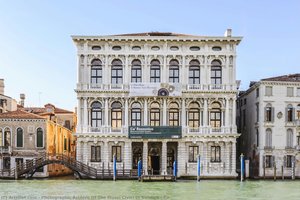
The Photographic Archive of the Musei Civici di Venezia: A Window into Venetian Artistic Legacy
The Photographic Archive of the Musei Civici di Venezia stands as a singular institution—a repository not merely of images, but of meticulously documented artistic treasures. Established within the Museo Correr, it represents a deliberate effort to preserve and disseminate knowledge about Venice’s rich cultural heritage, specifically focusing on artworks housed in its civic museums. More than just a visual catalog, this archive serves as an invaluable resource for researchers and scholars eager to delve deeper into Venetian art history.
- Origins & Mission: Born from the foresight of Fondazione Musei Civici di Venezia, the Archive’s genesis stemmed from recognizing the importance of safeguarding artistic heritage in a rapidly changing world.
- Two Distinct Collections: Its holdings are divided into two complementary sections. The ‘Museums’ section showcases reproductions of masterpieces originating from Venice's prominent museums—a testament to their enduring beauty and historical significance.
- The Museo Correr Focus: Specifically, the Museo Correr houses a substantial portion of the Archive’s images, reflecting its central role in Venetian artistic scholarship.
- Accessibility & Engagement: Recognizing the value of collaborative research, an application form is available for requesting high-resolution reproductions of artworks from the Musei Civici di Venezia.
The Archive’s significance extends beyond its physical holdings; it embodies a methodological innovation—the systematic documentation of Venetian art through photography. This approach acknowledges that visual representations can offer insights unavailable through textual descriptions alone, capturing nuances of color, texture, and spatial arrangement. It represents a crucial step in ensuring that these artworks continue to inspire future generations.
Influences & Artistic Context
Venetian painting flourished during the Baroque period (roughly 1600-1750), profoundly shaped by papal patronage and fueled by burgeoning mercantile activity. Artists like Giovanni Battista Tiepolo, considered one of Venice’s greatest painters, dominated the artistic landscape, producing monumental frescoes that celebrated Venetian grandeur and religious fervor. The Photographic Archive directly reflects this stylistic milieu, presenting reproductions of Tiepolo's canvases alongside other iconic artworks from the era—a tangible connection to a pivotal moment in European art history.
Technique & Reproduction Process
The Archive’s reproductions utilize state-of-the-art photographic techniques to faithfully capture the original artwork’s appearance. Skilled technicians employ specialized cameras and lighting equipment to minimize distortion and maximize color accuracy, ensuring that viewers experience a remarkably close approximation of the masterpiece itself. Furthermore, meticulous attention is paid to detail—capturing subtle variations in pigment layering and brushstrokes—to convey the artist's craftmanship with exceptional precision.
Notable Reproductions & Ongoing Research
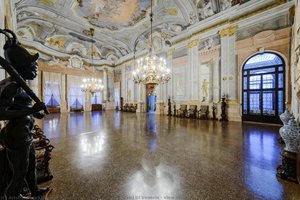
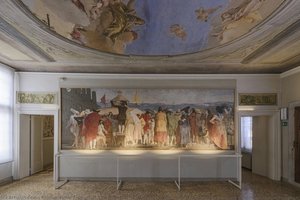
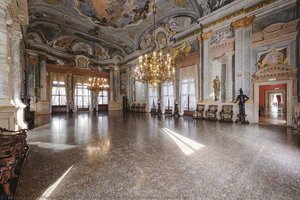
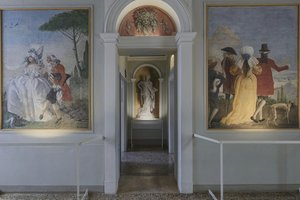
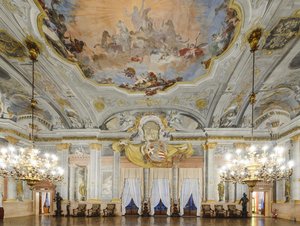
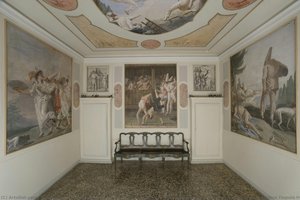
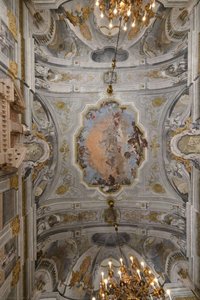
Among its impressive collection are reproductions of celebrated Venetian paintings such as “View of Ca” and “View of the decorated ceiling of Ballroom,” offering invaluable visual resources for art historians studying Venetian Baroque aesthetics. Researchers actively utilize these images to analyze compositional strategies, color palettes, and artistic innovations—contributing to a deeper understanding of Venice’s artistic legacy. The Photographic Archive continues to evolve as new artworks are added to its holdings and existing reproductions undergo ongoing quality assessments.
Historical Significance & Legacy
Ultimately, the Photographic Archive represents more than just a collection of images; it embodies a commitment to preserving Venetian art history for posterity. By democratizing access to artistic masterpieces—making them available online and fostering scholarly collaboration—it ensures that Venice’s artistic heritage remains vibrant and relevant in the 21st century. It stands as a testament to the enduring power of visual documentation and its role in shaping our understanding of cultural achievement.