The Dawn of Pictorialism: Challenging Photography's Documentary Role
For much of its early existence, photography labored under the weight of expectation – a relentless demand for objective truth. Born from scientific innovation, it was initially perceived as a mirror to reality, a tool for documentation rather than artistic expression. But a quiet revolution began brewing in the late 19th century, spearheaded by a group of visionary photographers who dared to ask: could photography be more than just a record? Could it evoke emotion, convey mood, and possess the same aesthetic power as painting or sculpture? This burgeoning movement, known as Pictorialism, sought to elevate photography from craft to fine art, fundamentally altering its trajectory and forever changing our perception of the medium.
The prevailing artistic climate played a crucial role in this shift. The Impressionist painters were challenging traditional notions of representation with their focus on light, color, and subjective experience. This spirit of experimentation resonated deeply with photographers like Henry Peach Robinson, who advocated for compositional techniques borrowed from painting – layering multiple negatives to create complex scenes, manipulating prints to achieve desired effects. However, the core tenet of Pictorialism wasn’t simply imitation; it was about harnessing photography's unique capabilities to express a personal vision, to imbue an image with the artist’s inner world.
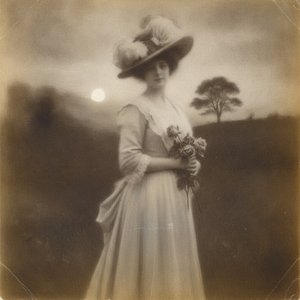
Early proponents recognized that the very sharpness and clarity often lauded as photography’s strengths could be its limitations. To overcome this perceived obstacle, they embraced techniques that softened focus, creating a dreamlike quality reminiscent of painting or etching. This wasn't about technical deficiency; it was a deliberate aesthetic choice – a rejection of literal representation in favor of evocative suggestion.
Key Figures & Defining Styles: Stieglitz, Käsebier, and Beyond
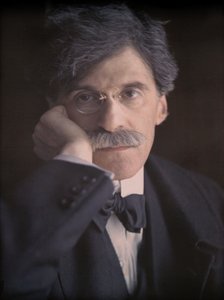 Alfred Stieglitz
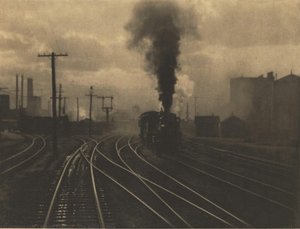
Alfred Stieglitz (1864-1946): Pioneering American photographer & art promoter who elevated photography to fine art. Known for Pictorialism, portraits of Georgia O'Keeffe, and capturing modern life.
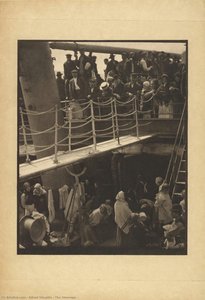
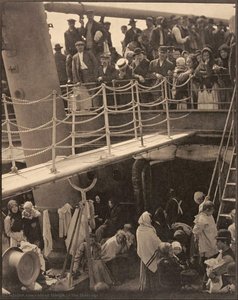
No discussion of Pictorialism is complete without acknowledging the towering figure of Alfred Stieglitz. More than just a photographer, Stieglitz was a tireless advocate, promoter, and curator who single-handedly championed photography’s acceptance into the art world. Through his galleries – notably “291” – and his influential journal, Camera Work, he provided a platform for both established and emerging photographers, fostering a vibrant community of artistic innovation. His own work, ranging from dynamic urban scenes like “Old & New York” (1910) to intimate portraits, exemplified the Pictorialist aesthetic: masterful composition, subtle tonality, and an unwavering commitment to personal expression.
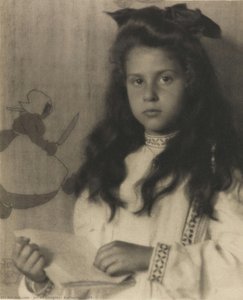
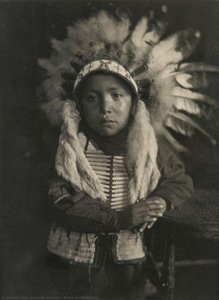
Gertrude Käsebier represents another pivotal figure in this movement. Her evocative portraits of motherhood – images imbued with tenderness, strength, and a profound sense of connection – challenged societal norms and celebrated the dignity of women. Unlike some Pictorialists who favored allegorical or symbolic subjects, Käsebier’s work was deeply rooted in realism, yet elevated through her sensitive use of light and composition. Her portraits weren't merely representations; they were explorations of human emotion and experience.
Other notable figures like Edward Steichen, Clarence H. White, and Alvin Langdon Coburn each brought their unique perspectives to the movement. Steichen’s early work often featured soft-focus landscapes and romanticized depictions of rural life, while White focused on capturing the dignity of working-class families. Coburn experimented with abstract forms and multiple exposure techniques, pushing the boundaries of photographic expression.
Technical Innovations: Manipulating the Image for Artistic Effect
 Impressionism: A Revolution of Light & Color That Changed Art History
Explore the revolutionary world of Impressionism! Discover its history, key artists like Monet & Renoir, defining techniques, and lasting impact on modern art. A comprehensive guide for art lovers.
The Pictorialists weren’t content to simply rely on the inherent qualities of the camera; they actively sought ways to manipulate the image at every stage of the process. This began with careful control over exposure and development, but extended far beyond that. Many photographers embraced alternative printing processes – gum bichromate, platinum prints, photogravure – which allowed for greater artistic control and unique textural effects.
Gum Bichromate printing, for example, involved coating paper with a light-sensitive emulsion made from gum arabic and dichromates. This process allowed artists to selectively expose different areas of the print, creating soft edges, rich tones, and painterly textures. Platinum prints, known for their subtle tonal range and archival stability, were favored by many Pictorialists for their delicate beauty. Photogravure, a complex intaglio process, allowed for the creation of highly detailed prints with a unique etched quality.
These techniques weren’t merely about achieving a particular aesthetic; they were about asserting artistic control over the final product. The Pictorialists viewed the darkroom as an extension of the camera – a space where they could refine their vision and transform a simple negative into a work of art. They often hand-mounted their prints on tinted papers, carefully selecting frames to complement the image, further emphasizing their commitment to presentation.
The Photo-Secession & The Rise of 'Camera Work': A Movement Takes Shape
In 1902, Alfred Stieglitz formally established the Photo-Secession, a group of photographers dedicated to promoting photography as a legitimate art form. This marked a turning point in the movement’s history – a conscious effort to challenge the status quo and gain recognition from the wider art world. The Photo-Secession organized exhibitions, published portfolios, and engaged in critical dialogue with painters, sculptors, and critics.
Central to the Photo-Secession's success was Camera Work, a quarterly journal that showcased the work of leading Pictorialist photographers from around the world. The journal wasn’t simply a catalog of images; it was a beautifully designed publication that elevated photography to the level of fine art. Each issue featured meticulously reproduced prints, accompanied by insightful essays and critical commentary.
Camera Work became a powerful voice for the movement, challenging conventional notions of beauty and artistic expression. It provided a platform for photographers to share their ideas, debate aesthetic principles, and connect with a wider audience. The journal’s influence extended far beyond its immediate readership, shaping the course of photography for decades to come.
Pictorialism's Legacy: Influence on Modern Photography & Contemporary Art
While Pictorialism eventually waned in popularity after World War I, its legacy continues to resonate today. The movement laid the groundwork for the acceptance of photography as a fine art, paving the way for subsequent generations of photographers to explore new forms of expression. Stieglitz’s own evolution towards “straight photography” – a more direct and unmanipulated approach – marked a significant shift in aesthetic sensibilities, but it was built upon the foundations he had established during his Pictorialist years.
The emphasis on personal vision, artistic control, and technical innovation continues to inspire contemporary photographers. Many artists today embrace alternative printing processes, hand-mounting techniques, and other methods of manipulation to create unique and expressive works. The spirit of experimentation that defined Pictorialism remains alive and well in the 21st century.
Furthermore, Pictorialism’s influence extends beyond photography itself. Its emphasis on subjective experience and emotional expression resonated with other artistic movements – particularly Modernism – shaping our understanding of art and its role in society. The movement reminds us that art isn't simply about replicating reality; it’s about interpreting it, transforming it, and sharing a unique perspective with the world.
Collecting Pictorialist Prints: Identifying and Appreciating Masterworks
For collectors seeking to acquire examples of this pivotal movement, several factors should be considered. Original prints from the early 20th century are highly sought after, particularly those by Stieglitz, Käsebier, Steichen, and Coburn. Condition is paramount – prints should be free from damage, fading, or discoloration.
Identifying authentic Pictorialist prints can be challenging, as many were produced in limited editions and often lack clear provenance. Look for hallmarks of the printing process – subtle textures, rich tonal range, and evidence of hand-mounting. Consulting with a reputable art dealer or appraiser is highly recommended.
Beyond their aesthetic beauty, Pictorialist prints offer a fascinating glimpse into a pivotal moment in art history. They represent a conscious effort to elevate photography from craft to fine art, challenging conventional notions of representation and paving the way for subsequent generations of artists. ArtsDot.com offers a curated selection of high-quality reproductions of Pictorialist masterpieces, allowing you to experience the beauty and artistry of this influential movement firsthand. Explore our collection today and discover the enduring legacy of Alfred Stieglitz and his contemporaries.