

 Pregledaj u prostoru
 Pošalji
 Podeli
 Detalji o delu

 Преузми
 Slični predmeti
 Rendgenski snimak
 Slajdovi
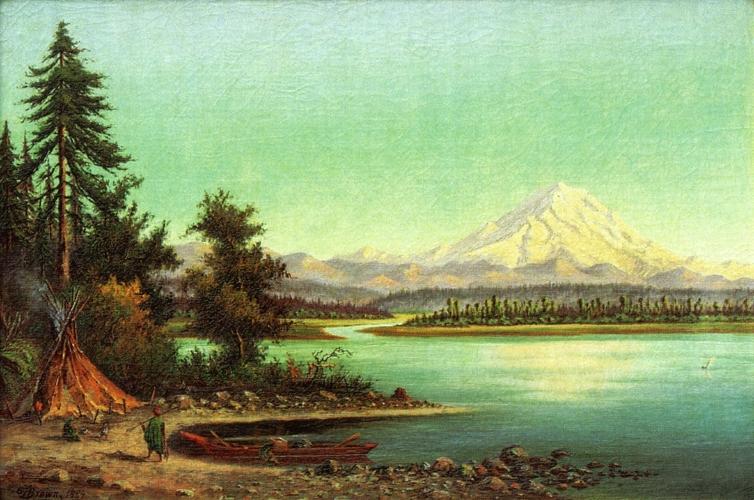
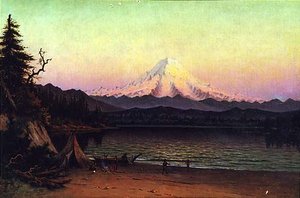
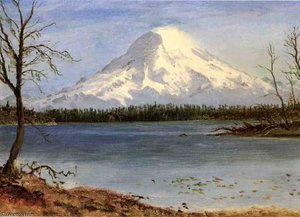
Mount Tacoma, Washington Territory


 Pročitaj više
Giclee štampa / Umetnički otisak
Giclée štampa ili print na platnu muzejskog kvaliteta uz brzu proizvodnju i fleksibilne opcije završne obrade. ( Kupi ručno naslikanu sliku Kupi digitalnu sliku)




P118B $10

P118H $10

P118W $10

P438Z $10

P508JH $12

P508YH $12

P805H $10

P805Z $10

P919BZ $10

P919G $10

P919XJ $10

P959ZH $10

P968JZ $12

W106C $8

W218G $10

W218JH $8

W218Y $10

W307PJ $10

W316G $10

W316PJ $8

W316Y $10

W398PJ $8

W4111J $10

W500HY $15

W500JH $15

W692G $12

W849H $8

W940BG $15

W953PJ $8




Izaberite jednu od naših unapred definisanih veličina koje odgovaraju originalnim proporcijama umetničkog dela.

Možete uneti sopstvene dimenzije kako biste umetničko delo prilagodili specifičnom okviru ili prostoru. Ako odabrani format ne odgovara proporcijama originalne slike, mi ćemo ili iscrtati deo dela ili proširiti sliku pomoću ogledane ivice ili jednobojnog popunjavanja. Digitalni prikaz će vam biti poslat na odobrenje pre početka proizvodnje.
Imajte na umu da pregled na ekranu ne odražava stvarno iscrtavanje ili proširivanje. Samo će prikaz (mockup) precizno pokazati finalnu kompoziciju.
Iako su prilagođene dimenzije dostupne, preporučujemo da odaberete dimenziju sa unapred definisane liste kako biste očuvali originalne proporcije.
Dostava širom sveta () za 2 nedelje umesto uobičajenih 4/5 nedelja. (7 септембар)

Besplatna ekspresna dostava širom sveta

Visokokvalitetno laneno platno

Kompletno osiguranje transporta

Garancija povraćaja carine i uvoznih dažbina

Garancija vernosti boja

Politika povraćaja u roku od 100 dana (isključivo u slučaju nedostataka)

Garancija povrata novca od 100%

Popust pri grupnoj kupovini
 Opcija sa staklom dostupna je samo za dimenzije manje od 110 cm

Mount Tacoma, Washington Territory
Giclee štampa / Umetnički otisak
Dimenzije reprodukcije
-


Konačna cena
$ 62
Srodna umetnička dela
Biografija umetnika
A Pioneer’s Brush: The Life and Art of Grafton Tyler Brown
Grafton Tyler Brown, a name often overlooked in the annals of American art history, stands as a remarkable figure – a self-taught African American artist who captured the breathtaking landscapes of the West with both technical skill and an independent spirit. Born in 1841 in Philadelphia, his early life was steeped in the abolitionist movement; his father, Thomas Brown, was a prominent conductor on the Underground Railroad. This upbringing undoubtedly instilled in Brown a sense of resilience and a commitment to forging his own path, qualities that would define both his personal journey and artistic career. He moved with his family to California at a young age, seeking opportunity and escaping the constraints of racial prejudice prevalent in the East. While details of his formal education remain scarce, it’s clear he possessed an innate talent for drawing and painting, nurtured by observation and self-discipline. Brown initially worked as a lithographer in San Francisco, a skill that provided him with financial stability and honed his ability to translate visual information onto paper – a crucial foundation for his later work in watercolor and oil. However, the allure of capturing the grandeur of the natural world proved too strong to resist, leading him on an extraordinary artistic adventure.From Lithography to Landscapes: Developing a Unique Vision
Brown’s transition from commercial lithography to fine art landscape painting was gradual but deliberate. He began exhibiting his work in San Francisco galleries in the 1870s, quickly gaining recognition for his depictions of California scenery. His early paintings reflect the influence of Albert Bierstadt and other luminaries of the Hudson River School, characterized by dramatic lighting, meticulous detail, and a romanticized view of nature. Yet, Brown’s work soon began to diverge from these established conventions. He eschewed the grandiose scale favored by Bierstadt, opting instead for smaller, more intimate canvases that emphasized atmospheric effects and subtle nuances of color. His palette was often muted, reflecting the dry, sun-drenched landscapes of the West. He wasn’t interested in simply replicating what he saw; he sought to convey a feeling – the vastness of space, the stillness of the mountains, the ephemeral beauty of light and shadow. This pursuit led him on extensive travels throughout California, Oregon, Washington, and even into British Columbia, Canada, documenting scenes that were largely unexplored by other artists of his time. He wasn’t merely painting landscapes; he was creating a visual record of a rapidly changing frontier, offering a unique perspective shaped by his own experiences as an African American traveler in the 19th century.The Yellowstone Series and Artistic Recognition
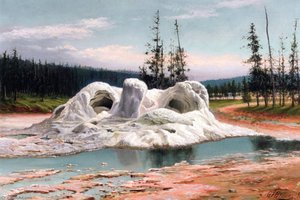
Brown's most significant artistic achievement is undoubtedly his series of paintings depicting Yellowstone National Park. In 1882, he embarked on a daring journey to the park – a remarkable feat considering the logistical challenges and potential dangers involved. He spent several months meticulously documenting the geysers, hot springs, canyons, and forests of Yellowstone, creating a collection of watercolors that are now considered invaluable historical records. These paintings are not simply picturesque views; they offer a scientific precision combined with an artistic sensibility. He captured the geological formations with remarkable accuracy, while simultaneously conveying the awe-inspiring power and beauty of nature. The series was exhibited in San Francisco to considerable acclaim, establishing Brown as a leading landscape painter of the West. He published lithographs based on these watercolors, making his work accessible to a wider audience and further solidifying his reputation. However, despite this success, Brown faced persistent challenges due to racial discrimination. Galleries often relegated his work to separate sections or denied him equal opportunities for exhibition and sale.Legacy and Historical Significance
Grafton Tyler Brown’s artistic career spanned several decades, during which he produced an impressive body of work that reflects the changing landscapes – both physical and social – of the American West. He wasn't just a painter; he was an entrepreneur, running his own art studio and publishing company, and a tireless advocate for his own artistic vision.- He challenged prevailing stereotypes about African American artists.
- His work provides a unique perspective on the Western frontier, often overlooked in traditional narratives.
- He documented scenes that were largely unexplored by other artists of his time.
Osnovne informacije
- Artistic Movement Or Style: Landscape painting
- Date Of Death: Living
- Full Name: Grafton Tyler Brown
- Nationality: American
- Notable Artworks:
- Yellowstone paintings
- Yosemite artwork
Povezani članci

Rosy Brown Hues: 10 Master Paintings & Timeless Decor Ideas |
Explore 10 iconic paintings bathed in captivating rosy brown tones! From Rembrandt to Titian, discover the stories behind these masterpieces & their warm color palettes. Find museum-quality art reproductions and decor inspiration at .

Sandy Brown Masterpieces: 10 Iconic Paintings & Timeless Decor Ideas
Explore 10 iconic paintings bathed in captivating sandy brown tones! From Rembrandt to Monet, discover the stories behind these timeless masterpieces & find museum-quality art reproductions for your home. Explore the full collection on ArtsDot.com.

John George Brown: Capturing American Life & Sentiment in 19th-Century Genre Painting
Explore the captivating genre paintings of John George Brown, celebrated for his realistic depictions of 19th-century American life. Discover his legacy & find museum-quality reproductions at ArtsDot.
Earthy Hues & Masterpieces: Top 10 Paintings with 'Mushroom' Tones |
Explore 10 iconic paintings with captivating 'mushroom' tones! Discover Van Gogh, Monet & Rembrandt’s masterpieces—earthy palettes, rich history & artistic techniques. Find museum-quality art reproductions and curated decor ideas at
Ford Madox Brown: Pre-Raphaelite Visionary & Victorian Social Commentary
Explore the life & art of Ford Madox Brown, a pivotal Pre-Raphaelite painter renowned for his powerful social commentary and masterpiece 'Work'. Discover his lasting influence on British art history.