

 Pregledaj u prostoru
 Pošalji
 Podeli
 Detalji o delu

 Преузми
 Slični predmeti
 Rendgenski snimak
 Slajdovi
 Statistika
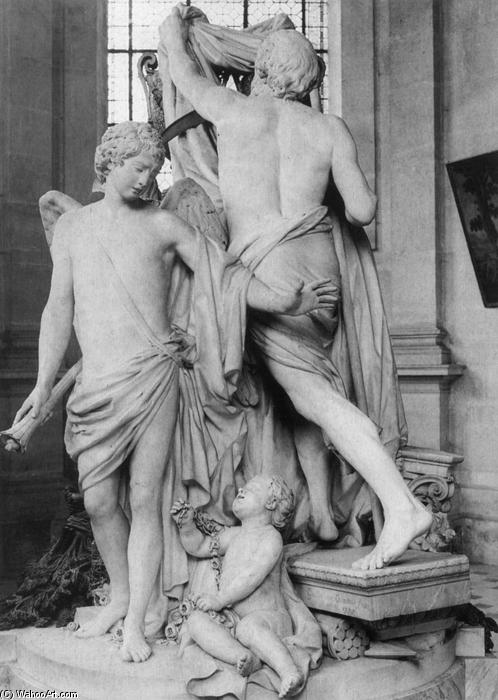
Monument to the Dauphin


 Pročitaj više
Kupite digitalnu sliku visoke rezolucije i poboljšanog kvaliteta, koja je znatno superiornija od onoga što vidite u online prikazu.
Svaka datoteka je pedantno pripremljena od strane naših stručnjaka koristeći napredne alate i profesionalnu ručnu retušu. Osiguravamo da svaka slika ima izuzetnu oštrinu, preciznu reprodukciju boja i fine detalje.
Konačna datoteka se dostavlja putem e-pošte u roku od 72 sata, optimizovana za neposrednu upotrebu u profesionalnim, izdavačkim i štamparskim okruženjima. To je isti kvalitet kojem veruju vrhunski studiji dizajna, izdavači i galerije.
Digitalna slika
Preuzmite datoteku visoke rezolucije za ličnu upotrebu, štampanje i kreativne projekte. ( Pređi na štampu Kupi ručno naslikanu sliku)
Uključeno uz svaku porudžbinu digitalne slike
Profesionalna digitalna isporuka, zagarantovana
Kada odaberete ArtsDot.com, ne dobijate samo sliku – vi primate profesionalno unapređeno digitalno umetničko delo, izrađeno sa najvećom preciznošću i uz garanciju zadovoljstva. Evo svega što automatski dolazi uz vašu porudžbinu:

Brza dostava putem e-pošte
Vaša digitalna slika visoke rezolucije biće vam poslata putem e-pošte u roku od 72 sata od poručivanja – spremna za trenutnu upotrebu.

Digitalna datoteka unapređena veštačkom inteligencijom
Vaše umetničko delo je profesionalno optimizovano korišćenjem naprednih AI alata i ručne obrade, čime se osiguravaju maksimalni detalji, oštrina i preciznost boja.

Besplatna ponovna isporuka doživotno
Slučajno ste obrisali ili izgubili svoju datoteku? Ne brinite – poslaćemo vam je ponovo u bilo kom trenutku, potpuno besplatno.

Bez troškova uvoza – zauvek
Uživajte u svojim umetničkim delima trenutno, bez carine, dažbina ili troškova dostave – digitalni download je uvek bez poreza.

Garancija vernosti boja
Uz pomoć profesionalnih alata i upravljanja bojama, osiguravamo da vaša digitalna slika što vernije odražava originalne boje.

Garancija zadovoljstva od 100 dana
Ako niste zadovoljni svojom digitalnom slikom, izvršićemo reviziju ili ćemo vam vratiti 100% novca u roku od 100 dana – bez ikakvih pitanja.

100% garancija povrata novca
Niste zadovoljni? Dobijte puni povraćaj novca u roku od 100 dana od prijema digitalne datoteke – bez suvišnih pitanja.

Popusti na velike porudžbine
Kupite 3 slike, uštedite 10% - Kupite 5 slika, uštedite 15% - Kupite 10+ slika, uštedite 20%. Odlično za kreativne projekte, galerije i agencije.
Monument to the Dauphin: A Neoclassical Echo of Sorrow and Remembrance
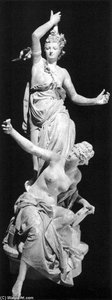
Guillaume II Coustou’s monumental sculpture “Monument to the Dauphin,” commissioned by Louis XV and completed in 1777, stands as a testament to the grandeur and solemnity of Neoclassical art. More than just a depiction of two angels and a reclining figure, it embodies profound philosophical ideas rooted in Plato's cosmology—a microcosm reflecting the macrocosm—and speaks powerfully to themes of grief, honor, and royal lineage. Located within the Cathedral of Sens, France, this masterpiece exemplifies the artistic fervor of its era and continues to inspire awe and contemplation.- Composition & Perspective: The photograph’s low angle emphasizes the statue's monumental scale, creating a sense of grandeur that draws viewers upwards. Linear perspective guides the eye through the architectural backdrop—columns and windows—enhancing depth and conveying a feeling of solemn reverence.
- Material & Technique: Crafted from marble, the sculpture showcases meticulous craftsmanship, utilizing polished surfaces to capture the texture of drapery and stone. The sculptor skillfully blended dramatic narrative with classical ideals, creating sculptures that were both visually impressive and intellectually engaging.
- Symbolism & Emotion: The angelic figures symbolize divine protection and grace, while the reclining figure embodies rest and surrender—perhaps hinting at mortality. Overall, the sculpture evokes a palpable atmosphere of sorrowful contemplation, reflecting the humanist preoccupation with philosophical inquiry.
- Historical Context: Created during Louis XV’s reign, “Monument to the Dauphin” reflects the broader artistic trends of Neoclassicism—a reaction against Baroque excess and a return to idealized forms inspired by ancient Greece and Rome. Falconet's work for Madame de Pompadour and Coustou’s equestrian statue of Louis XV exemplify this stylistic shift.
- Influence & Legacy: The sculpture’s enduring appeal lies in its ability to communicate complex ideas about human existence and spirituality—a legacy that continues to resonate with artists and audiences today. Its destruction during the French Revolution serves as a poignant reminder of the turbulent political landscape of the time, yet its beauty and intellectual depth endure.
The sculpture’s meticulous attention to detail—particularly the drapery folds—demonstrates Coustou's mastery of sculptural technique. Furthermore, the statue’s placement within Sens Cathedral underscores its significance as a religious monument, reflecting the humanist preoccupation with philosophical inquiry.
Srodna umetnička dela

Biografija umetnika
Guillaume II Coustou: Life and Legacy
Early Life and Training
- Guillaume Coustou II was born in Paris, France, in 1716. He came from a distinguished family of sculptors – the son of Guillaume Coustou I and nephew of Nicolas Coustou.
- His artistic training began within the family atelier, benefiting directly from the expertise of his father and uncle. This familial foundation instilled in him a strong understanding of sculptural techniques and traditions.
- In 1736, he won the prestigious Prix de Rome, granting him the opportunity to study at the French Academy in Rome until 1739. This period was crucial for his artistic development, exposing him to classical sculpture and Italian Baroque styles.
Artistic Development and Style
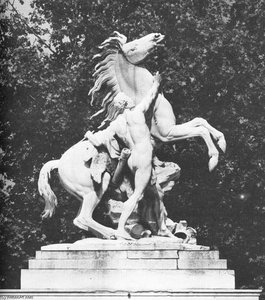
- Upon returning to Paris, Coustou seamlessly continued his father’s work, most notably completing the monumental Horse Tamers (Chevaux de Marly), a commission initially undertaken by Guillaume I but left unfinished due to illness.
- His style evolved throughout his career, demonstrating a transition from the late Baroque exuberance of his early works to the more restrained and emotionally evocative forms of emerging Neoclassicism.
- He skillfully blended dramatic narrative with classical ideals, creating sculptures that were both visually impressive and intellectually engaging.
Major Achievements and Notable Works
- Horse Tamers (Chevaux de Marly): Perhaps his most famous achievement, these dynamic bronze sculptures depict horsemen controlling powerful steeds, embodying strength and mastery.
- Monument to the Dauphin: This elaborate sculptural ensemble for Sens Cathedral was a significant commission that showcased Coustou’s ability to handle complex iconography and large-scale projects. The design's detailed imagery was developed in collaboration with Charles-Nicolas Cochin.
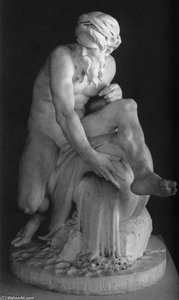
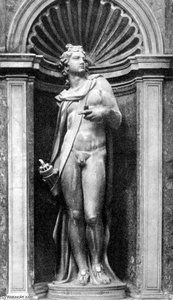
- Vulcan: His morceau de réception (admission piece) for the Académie Royale de Peinture et de Sculpture, a seated Vulcan, exemplifies his Baroque sensibilities.
- Ganymede: This sculpture demonstrates Coustou’s embrace of early Neoclassical aesthetics, drawing inspiration from Roman sculptures like those of Antinous.
Influences and Legacy
- Coustou was profoundly influenced by his father and uncle, inheriting their technical skill and artistic sensibility. His time in Rome exposed him to the works of classical sculptors and Italian Baroque masters.
- He, in turn, influenced a generation of younger sculptors, including Claude Dejoux, Pierre Julien, and the Danish sculptor Johannes Widewelt, who studied under him.
- His work represents an important bridge between the Baroque and Neoclassical periods in French sculpture, contributing to the evolving artistic landscape of 18th-century Europe.
Historical Significance
- Guillaume II Coustou played a vital role in shaping the aesthetic direction of French sculpture during a period of significant artistic change.
- His ability to adapt his style and embrace new influences allowed him to maintain a successful career under different patronage systems.
- His sculptures continue to be admired for their technical virtuosity, dramatic power, and historical significance, solidifying his place as a notable figure in the history of French art.
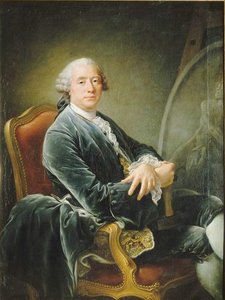
guillaume ii coustou
1716 - 1777 , France
Kratke činjenice
- Birth Date: 1716
- Birth Place: Paris, France
- Death Date: 1777
- Influenced By:
- Guillaume Coustou I
- Nicolas Coustou
- Movement:
- Baroque
- Neoclassicism
- Name: Guillaume II Coustou
- Nationality: French
- Notable Works:
- Horse Tamers (Chevaux de Marly)
- Monument to the Dauphin
- Vulcan
- Ganymede