

 Pregledaj u prostoru
 Pošalji
 Podeli
 Detalji o delu

 Преузми
 Slični predmeti
 Rendgenski snimak
 Slajdovi
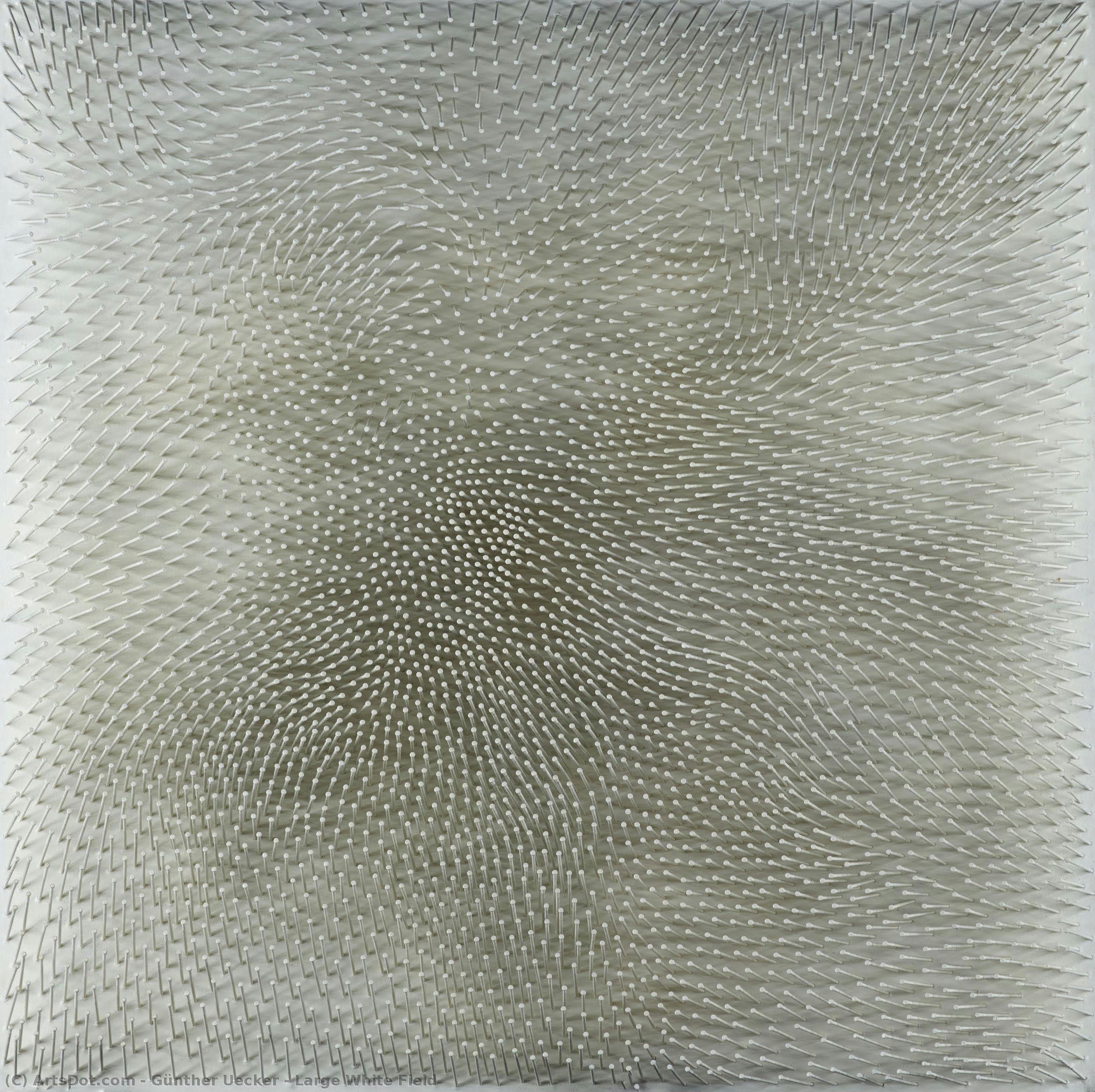
Large White Field


 Pročitaj više
Kupite digitalnu sliku visoke rezolucije i poboljšanog kvaliteta, koja je znatno superiornija od onoga što vidite u online prikazu.
Svaka datoteka je pedantno pripremljena od strane naših stručnjaka koristeći napredne alate i profesionalnu ručnu retušu. Osiguravamo da svaka slika ima izuzetnu oštrinu, preciznu reprodukciju boja i fine detalje.
Konačna datoteka se dostavlja putem e-pošte u roku od 72 sata, optimizovana za neposrednu upotrebu u profesionalnim, izdavačkim i štamparskim okruženjima. To je isti kvalitet kojem veruju vrhunski studiji dizajna, izdavači i galerije.
Digitalna slika
Preuzmite datoteku visoke rezolucije za ličnu upotrebu, štampanje i kreativne projekte. ( Kupi print Kupi ručno naslikanu sliku)
Uključeno uz svaku porudžbinu digitalne slike
Profesionalna digitalna isporuka, zagarantovana
Kada odaberete ArtsDot.com, ne dobijate samo sliku – vi primate profesionalno unapređeno digitalno umetničko delo, izrađeno sa najvećom preciznošću i uz garanciju zadovoljstva. Evo svega što automatski dolazi uz vašu porudžbinu:

Brza dostava putem e-pošte
Vaša digitalna slika visoke rezolucije biće vam poslata putem e-pošte u roku od 72 sata od poručivanja – spremna za trenutnu upotrebu.

Digitalna datoteka unapređena veštačkom inteligencijom
Vaše umetničko delo je profesionalno optimizovano korišćenjem naprednih AI alata i ručne obrade, čime se osiguravaju maksimalni detalji, oštrina i preciznost boja.

Besplatna ponovna isporuka doživotno
Slučajno ste obrisali ili izgubili svoju datoteku? Ne brinite – poslaćemo vam je ponovo u bilo kom trenutku, potpuno besplatno.

Bez troškova uvoza – zauvek
Uživajte u svojim umetničkim delima trenutno, bez carine, dažbina ili troškova dostave – digitalni download je uvek bez poreza.

Garancija vernosti boja
Uz pomoć profesionalnih alata i upravljanja bojama, osiguravamo da vaša digitalna slika što vernije odražava originalne boje.

Garancija zadovoljstva u roku od 100 dana
Ako niste zadovoljni svojom digitalnom slikom, revidirat ćemo je ili vratiti 100% novca u roku od 100 dana – bez ikakvih pitanja.

100% garancija povrata novca
Niste zadovoljni? Obezbedite pun povrat novca u roku od 100 dana od trenutka kada ste primili svoju digitalnu datoteku – bez suvišnih pitanja.

Popusti na velike porudžbine
Kupite 3 slike, uštedite 10% - Kupite 5 slika, uštedite 15% - Kupite 10+ slika, uštedite 20%. Odlično za kreativne projekte, galerije i agencije.
Günther Uecker’s White Field: A Testament to Texture and Light
Günther Uecker's "White Field," created in 1964, stands as an emblem of German Neoformalism and a cornerstone of contemporary sculpture. More than just a painting—it’s a deliberate exploration of materiality and perception, reflecting Uecker’s profound engagement with the tactile experience and his pioneering approach to manipulating light within a confined space. This artwork exemplifies the Group Zero movement's rejection of traditional artistic conventions, prioritizing surface qualities and challenging viewers to reconsider their relationship with art itself.The Genesis of Texture: Nail Reliefs and Their Significance
Uecker’s initial foray into sculpture began with nail reliefs—a technique he developed alongside fellow artists Karlheinz Stockhausen and Werner Bischof. These works represent a radical departure from conventional sculptural forms, utilizing nails hammered onto wooden boards to create textured surfaces that capture the interplay of light and shadow. This method wasn't merely about creating visual interest; it was fundamentally concerned with translating sound into visual form—a concept deeply rooted in Stockhausen’s musical explorations. The deliberate roughness of the nail heads against the smooth wood surface symbolizes a confrontation between opposing forces, mirroring Uecker’s broader artistic preoccupation with duality and transformation.A Dialogue Between Canvas and Light
“White Field” exemplifies this principle brilliantly. Constructed on canvas overlaid with wooden boards, the painting features a deceptively simple composition—a vast expanse of white punctuated by strategically placed circles. However, these circles aren't merely decorative elements; they actively disrupt the perceived flatness of the surface, casting shadows that create dynamic patterns and altering our visual experience. The artist meticulously considers how light interacts with texture, demonstrating an acute awareness of optical illusions and inviting contemplation about perception itself. This careful manipulation of light is crucial to understanding the artwork’s emotional impact—a sense of serene stillness punctuated by subtle shifts in illumination.Historical Context: Neoformalism and Its Reaction Against Abstract Expressionism
The emergence of Neoformalism in Germany during the mid-1960s was a direct response to the dominance of Abstract Expressionism, which favored large canvases and gestural brushstrokes. Artists like Uecker sought to reclaim materiality and sensory experience as central concerns within artmaking—a reaction against what they perceived as an overly intellectualized aesthetic. Neoformalists rejected expressive gesture in favor of precise control over form and surface qualities, prioritizing the physicality of materials and exploring their inherent limitations. “White Field” embodies this ethos perfectly, representing a deliberate rejection of the expansive canvases favored by American artists like Jackson Pollock.Symbolism Beyond Surface Appearance
While seemingly minimalist on first glance, "White Field" carries symbolic weight. The white expanse represents purity and openness—a blank slate upon which to project meaning. Simultaneously, the circles symbolize wholeness and cyclical movement—suggesting an ongoing process of transformation and contemplation. Uecker’s intention wasn't to convey explicit narratives but rather to stimulate viewers' imaginations and provoke a visceral response—to engage them in a sensory experience that transcends mere visual representation.Conclusion: An Enduring Legacy
Günther Uecker’s “White Field” remains an influential work of art, demonstrating the transformative potential of sculptural experimentation. Its enduring appeal lies not only in its striking aesthetic qualities but also in its profound engagement with fundamental questions about perception and materiality—a testament to Uecker's unwavering commitment to pushing the boundaries of artistic expression. It continues to inspire artists and collectors alike, serving as a reminder that art can communicate emotion and intellect simultaneously through careful consideration of texture and light.Srodna umetnička dela





Biografija umetnika
Günther Uecker: A Sculptor of Light and Nails
Günther Uecker (1930-2025) stands as a pivotal figure in post-war German art, renowned for his singular approach to sculpture – an exploration of texture, light, and the tactile experience. Born in Wendorf, Mecklenburg, a small farming community, Uecker’s early life was shaped by the realities of war and displacement, experiences that would profoundly influence his artistic vision. His initial training at Wismar and later at the Berlin-Weißensee Academy established a foundation in social realism, but it was his subsequent encounter with the burgeoning Group Zero movement that truly ignited his creative trajectory. This group, rejecting the prevailing informel style, sought to expand the boundaries of art beyond traditional canvas formats, embracing kinetic, serial, and participatory elements – a spirit that resonated deeply with Uecker’s own experimental inclinations.
Uecker's artistic journey began in 1957 with a series of nail reliefs. Initially conceived as a meditative ritual, the act of hammering nails into canvas became more than just a technique; it was a process imbued with personal significance, rooted in his childhood memory of securing doors and windows during wartime. This seemingly simple action evolved into a complex system of visual and tactile exploration. He began to manipulate light and shadow through the arrangement of nails, creating ephemeral patterns that shifted with the viewer’s perspective. The use of nails wasn't merely decorative; it was a deliberate attempt to objectify the artistic gesture, to move beyond subjective expression and create a tangible, spatial reality.
The Influence of Group Zero and Early Experiments
Uecker’s association with Group Zero proved transformative. Alongside Heinz Mack and Otto Piene, he engaged in collaborative projects that pushed the boundaries of art. The group's shared desire to break free from established conventions led them to explore innovative mediums and concepts. Notably, they conceived and executed “Salon de Lumière” installations – immersive environments designed to interact with viewers through light and movement. These events, held in Paris (1962), Krefeld (1963), and Frankfurt (1964), were groundbreaking experiments that challenged traditional notions of the art gallery. The collaborative spirit within Group Zero fostered a dynamic exchange of ideas, pushing each artist to refine their individual approaches while maintaining a shared commitment to experimentation.
Early works like *Stuhl* (1963) – a rotating chair incorporating nails and light – demonstrated Uecker’s fascination with mechanics and the interplay between object and space. He also experimented with television screens, projecting images onto nail-studded surfaces, further blurring the lines between art and technology. These early explorations laid the groundwork for his later development of *Chiodi Leggeri* (Light Nails) and *Chiodi Cinetici* (Kinetic Nails), series that would become synonymous with his artistic practice.
The Evolution of Nail Art: Light, Space, and Kineticism
Following the dissolution of Group Zero in 1966, Uecker increasingly focused on the medium of nails as a primary means of expression. He moved beyond simple relief structures, incorporating elements such as light, electricity, sand, and water into his installations. This period saw the emergence of *Chiodi Leggeri* (Light Nails), where nails were arranged to create shimmering patterns of light, and *Chiodi Cinetici* (Kinetic Nails), which incorporated rotating mechanisms to generate dynamic movement. These works demonstrated a sophisticated understanding of optics and spatial relationships.
A significant milestone in Uecker’s career was the design of the prayer room for the reconstructed Reichstag building in Berlin in 2000. This monumental project, utilizing thousands of nails arranged in intricate patterns, served as a powerful symbol of reconciliation and remembrance. His later works, such as *From Darkness to Light* (1978) – a large-scale installation at the United Nations – continued to explore themes of light, space, and human interaction. The series *Lichtbogen* (Light Arcs), created in 2020, showcased his enduring fascination with color and form, culminating in radiant blue-and-white arcs that evoked a sense of serenity and contemplation.
Legacy and Recognition
Günther Uecker’s contribution to contemporary art is undeniable. His pioneering use of nails as an artistic medium has inspired generations of artists and continues to be celebrated for its innovative approach and profound exploration of sensory experience. His work transcends categorization, encompassing painting, sculpture, installation art, stage design, and film. He received numerous accolades throughout his career, including the Pour le Mérite for Sciences and Arts (2000) and the Staatspreis des Landes Nordrhein-Westfalen (2015). His works are held in prestigious collections worldwide, reflecting the enduring impact of his artistic vision. Uecker’s legacy lies not only in his distinctive aesthetic but also in his unwavering commitment to experimentation, collaboration, and a profound engagement with the viewer.

günther uecker
1930 -
Kratke činjenice
- Artistic Movement Or Style: Op art, Nail Reliefs
- Artists Or Movements Influenced By This Artist:
- Group Zero
- Zero International Foundation
- Artists Who Influenced This Artist:
- John Cage
- Otto Pankok
- Date Of Birth: 1930
- Date Of Death: 2025
- Full Name: Günther Uecker
- Nationality: German
- Notable Artworks:
- a-x Zero Garden
- Spirale I & II
- From Darkness to Light
- Place Of Birth: Wendorf, Mecklenburg